
Analyzing the Prospects of Ukraine's Counteroffensive Against Russia
Examining the Strategic Landscape and Determining the Path to Victory in Ukraine's Counteroffensive Against Russian Aggression.
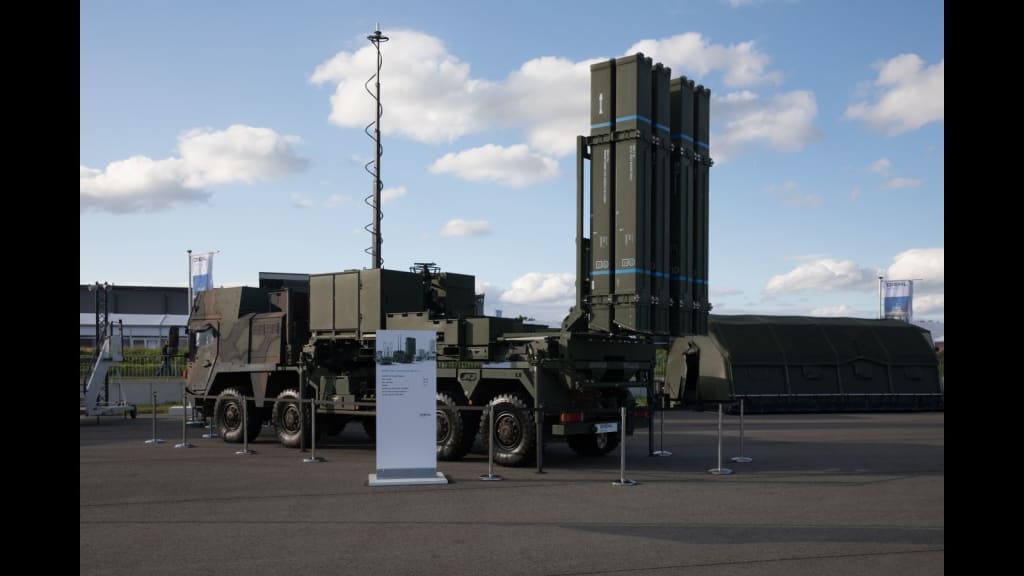
In the face of the ongoing conflict between Ukraine and Russia, a decisive moment has arrived as Ukraine launches its offensive to reclaim its stolen lands. The success of this operation is contingent upon several crucial factors. While Russia possesses vast resources and manpower, Ukraine has been preparing for this offensive by leveraging modern Western weapons, advanced technology, superior training, the extensive nature of the front line, high morale among its soldiers, and the resourcefulness of its people. However, challenges remain, including Russia's formidable defensive fortifications and the delayed delivery of key assets from the West.
The Ukrainian offensive has been unfolding for weeks, with "shaping operations" targeting Russian command structures and logistical capabilities through long-range missile strikes. Furthermore, small groups of tanks and armored vehicles have been probing Russian-occupied territories to identify weak spots in the defenses. This initial phase, known as the "fighting reconnaissance stage," sets the stage for the eventual push through the front lines.
To view the operation as a victory, Ukraine aims to reclaim all of its stolen lands, including Crimea. The heavily fortified entry points into the peninsula present a significant challenge. Securing Crimea would be a decisive blow to Russia and a major step towards ending the war. However, before reaching this stage, Ukraine must first regain control of the southern parts of its country.
Russia has spent months fortifying its defenses, constructing an extensive network of trenches, minefields, and anti-armor obstacles. Ukraine's primary objective is to penetrate these defenses, establish supply lines in Russian-occupied areas, and protect the reclaimed territories from counterattacks. The extensive front line, spanning over 621 miles (1,000 kilometers), works in Ukraine's favor, as Russian forces cannot be everywhere at once. Once Ukrainian forces breach the initial defenses, they can encircle Russian troops and quickly gain the upper hand.
The Ukrainian forces possess several advantages crucial to the success of their offensive. Firstly, they have access to modern Western weapons, technology, and vehicles. The delivery of tanks such as Leopard 2s and Abrams, along with armored transports, provides Ukraine with superior firepower, mobility, and protection. Western unmanned aircraft systems offer exceptional reconnaissance capabilities, enabling effective combined arms warfare tactics. The modern equipment, combined with Ukrainian soldiers' training, have proven to be formidable against Russian forces.
Ukraine's well-trained troops, bolstered by NATO training and experience, have demonstrated their ability to outmatch the Russian conscripts and mercenaries. Russia's reliance on undertrained soldiers and inexperienced conscripts has resulted in poor military leadership, ineffective joint operations, and low morale. As a result, Ukrainian soldiers' higher morale and nationalism give them a significant advantage on the battlefield. The Ukrainian population's resilience and support further contribute to the success of the offensive.
Resourcefulness and flexibility have been hallmarks of Ukraine's approach throughout the war. Ukrainian leadership and soldiers have adapted to changing conditions and demonstrated the ability to exploit weaknesses in the Russian defenses. The familiarity of Ukrainian troops with the terrain and strategic features in the region enhances their chances of success.
While Ukraine possesses significant advantages, challenges remain. Russia's formidable defensive fortifications, though heavily fortified, may be compromised due to inadequate construction by inexperienced contractors. Additionally, the delayed delivery of key assets, such as powerful aircraft like the F-16, poses a challenge to Ukraine's offensive. Despite these hurdles, Ukraine's resourcefulness, combined with the factors working in its favor, increases the likelihood of success.
However, the war is far from over, and the international community must continue to support Ukraine in its quest to reclaim its territory. The offensive's success depends not only on Ukraine's efforts but also on holding Russia accountable for its invasion and supporting Ukraine in its long-term goal of regaining all of its stolen lands, including Crimea. As the offensive progresses, Ukraine must remain adaptable, make informed decisions, and leverage its advantages to secure victory in this protracted conflict.
About the Creator
Keep reading
More stories from Paul Smith and writers in History and other communities.
The Cod Connection: How Vikings and Cod Liver Oil Shaped History
Introduction: The Lofoten Islands in northern Norway offer a peculiar sight that holds a deep historical significance. The air is thick with the stench of cod, as hundreds of thousands of these fish are strung up on racks, their presence echoing a tradition that spans over a thousand years. This annual massacre of cod might hold the key to understanding the remarkable resilience of the Vikings, and the role they played in shaping history. Exploring the link between cod, sunlight, and human health reveals a fascinating tale of survival and cultural knowledge.
By Paul Smith3 years ago in History
Can the United States Leave NATO?
Can the United States Leave NATO? What It Would Take—and What It Would Mean The North Atlantic Treaty Organization, commonly known as NATO, has been one of the most powerful military alliances in modern history. Since its creation in 1949, the United States has been NATO’s strongest member—militarily, financially, and politically. But in recent years, debates have grown louder about whether the U.S. should remain in the alliance. This raises a serious question: how could the United States be removed from NATO—or leave it—and what would that mean for the world?
By Wings of Time 7 days ago in History
Stanislav Kondrashov’s Oligarch Series: Renaissance Merchants and Their Support for the Arts
In his *Oligarch Series*, **Stanislav Kondrashov** examines how wealth has shaped political, economic, and cultural systems across history. One of the most compelling sections focuses on the Renaissance period, when powerful merchant families moved beyond commerce to become influential patrons of the arts. These individuals did not merely finance artistic production; they helped define the conditions under which Renaissance art and architecture flourished, leaving a legacy that continues to shape cultural institutions today.
By Stanislav Kondrashov3 days ago in History



Comments