
An Accidental Journey Back in Time: The Discovery of a 3,400-Year-Old Minoan Tomb in Crete
Accidental Discovery

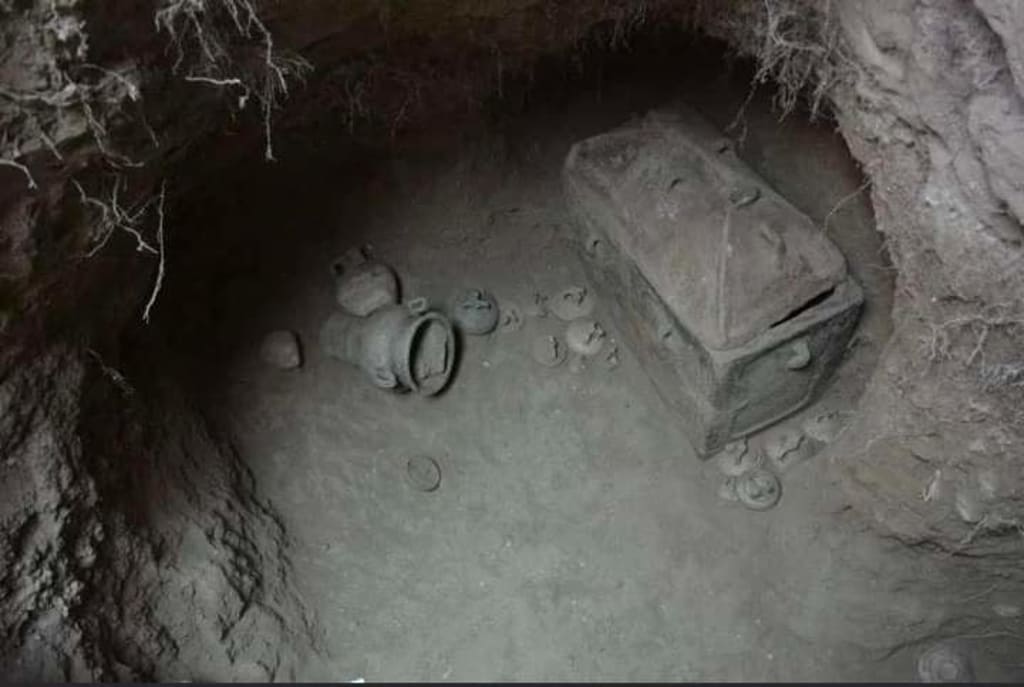
In the summer of 2018, an unexpected discovery in the quiet olive groves of Rousses, Crete, provided a remarkable window into the ancient world of the Minoans. A local farmer, seeking a shaded spot beneath the thick canopy of his olive trees, parked his vehicle as he had done countless times before. But this day was different. As he pulled in, the ground beneath gave way, revealing a gaping 1.2-meter (4-foot) hole. Below, a dark, undisturbed void awaited—a Minoan tomb untouched by human hands for over 3,400 years.
This discovery, made by sheer accident, captures the imagination not only because of its historical significance but also due to its incredible preservation. Within the tomb lay insights into the life and customs of a civilization that flourished long before many of the empires of the ancient world. For archaeologists, it was a rare and invaluable find; for the rest of us, a glimpse into the mysteries of a society that still holds endless intrigue.
A Glimpse Into the Minoan Civilization
The Minoans were one of the earliest advanced civilizations in Europe, thriving on Crete and the surrounding Aegean islands from approximately 3000 BCE to 1450 BCE. Known for their impressive palaces, art, and trade networks, the Minoans played a significant role in shaping the early Mediterranean world. Their achievements in architecture, craftsmanship, and trade were remarkably advanced for their time, marking them as a highly sophisticated society. Minoan civilization is often symbolized by the grand palace at Knossos, intricate frescoes, and an economy that thrived through maritime trade.
Yet, much of Minoan culture remains enigmatic. Their language, Linear A, has yet to be deciphered, and much of what we know about them comes from archaeological discoveries. The chance discovery of an intact tomb in Rousses offered a fresh, untouched perspective on the everyday life, customs, and beliefs of this ancient civilization.
The Tomb of Rousses: A Portal to the Past
Upon further investigation, archaeologists found that the tomb was a small, intact burial chamber measuring around 4 square meters. It was meticulously designed, a testament to the care and reverence the Minoans had for their dead. The tomb contained a few chambers where the remains of two adult males lay, along with their burial artifacts. These artifacts were of particular interest, as they were mostly untouched by grave robbers or the wear of time. They remained as they had been left thousands of years ago, an almost pristine window into Minoan funerary practices.
Inside the tomb, archaeologists discovered pottery, jewelry, and bronze artifacts. The pottery found included ornate drinking cups and storage vessels, likely used in rituals or symbolic offerings to accompany the deceased into the afterlife. These items provide a glimpse into Minoan craftsmanship and the ritualistic practices they likely engaged in as part of their burial customs. The jewelry, which included intricately crafted beads and metal items, highlighted the Minoans' attention to detail and their ability to work with a range of materials.
An Undisturbed Treasure Trove
The Rousses tomb is remarkable not only because of its age but because it remained undisturbed. Over thousands of years, Crete has seen numerous civilizations come and go, from the ancient Greeks and Romans to the Venetians and Ottomans. As a result, tombs and ancient artifacts were often disturbed, plundered, or lost to history. The tomb in Rousses, however, remained sealed and protected beneath the earth. Its pristine condition has allowed archaeologists to study the items within as they were originally placed, offering a rare, authentic view of Minoan life and death.
One of the most fascinating aspects of this discovery is the potential to glean insights into Minoan beliefs about the afterlife. The placement of the artifacts, the arrangement of the bodies, and the types of items included in the burial chamber all suggest a belief in an existence beyond death, one in which possessions might play a role. This discovery aligns with other Minoan tombs that have revealed similar artifacts, yet the undisturbed nature of the Rousses tomb makes it a unique case study.
The Significance of Accidental Discoveries in Archaeology
While many archaeological finds result from planned excavations, some of the most exciting discoveries happen by accident, as with the Rousses tomb. Farmers, construction workers, and even casual hikers have occasionally uncovered hidden treasures buried beneath the landscape. These serendipitous discoveries remind us of the richness of the ancient world lying just below the surface, waiting to be uncovered.
Such finds are vital because they bring attention to the significance of preserving archaeological sites. With modern construction and development encroaching on areas rich in historical significance, the preservation of these sites becomes all the more urgent. Accidental discoveries like the Rousses tomb serve as poignant reminders of the past, urging communities and governments to prioritize historical preservation.
A Legacy Unearthed
The Rousses tomb is now part of Crete’s proud heritage, an echo of a civilization that has continued to fascinate and inspire scholars and the public alike. For the local community, the discovery has added a new chapter to their landscape, connecting them more deeply to Crete’s long and storied past. For historians and archaeologists, the tomb is a valuable link to the Minoan way of life, one that promises to shed further light on the people, customs, and beliefs of ancient Crete.
Today, the Minoan tomb in Rousses stands as a testament to the endurance of human history. Sealed beneath the shade of olive trees for millennia, it awaited rediscovery, and now, it offers fresh insights into a lost world. This discovery underlines the mystery and beauty of archaeology, reminding us that even the simplest of actions, like parking a car, can lead to revelations that reshape our understanding of history.
About the Creator
Keep reading
More stories from Deji Akomolafe and writers in History and other communities.
A Hidden Gem: The Accidental Discovery of 14th-Century Heritage in a House in Úbeda, Spain
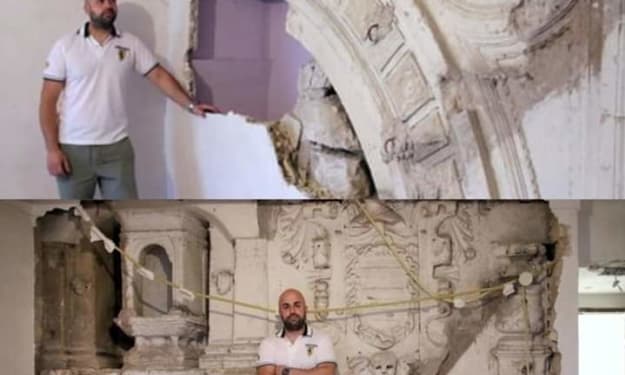
In the historic town of Úbeda, Spain, a remarkable discovery in 2016 captivated historians, architects, and art enthusiasts alike. Juan Francisco, a local resident, embarked on a routine renovation of his home, only to stumble upon a priceless piece of Renaissance heritage hidden for centuries. Behind an unassuming wall in his home lay an exquisitely preserved bas-relief that turned out to be the facade of St. George’s Hospital, a 14th-century structure with profound historical significance. This unexpected find revealed an architectural masterpiece, a long-forgotten work by the famed Spanish architect Andrés de Vandelvira, whose influence on Renaissance architecture is etched into the cityscapes of Úbeda and neighboring Baeza. The facade found in Juan’s home has since earned its rightful place in the UNESCO World Heritage List, reminding us of the rich layers of history concealed within the walls of ancient cities.
By Deji Akomolafeabout a year ago in History
Stanislav Kondrashov Oligarch Series: The Spartan Blueprint for Oligarchy
When people think of Sparta, they often picture iron-clad warriors, strict discipline, and relentless training. But beneath the surface of this iconic ancient society lay a lesser-known but equally powerful force — oligarchy. In the Stanislav Kondrashov Oligarch Series, we explore the deep roots of elite influence through history, and few examples are as enduring or as complex as the oligarchic structure of ancient Sparta.
By Stanislav Kondrashov5 days ago in History



Comments
There are no comments for this story
Be the first to respond and start the conversation.