
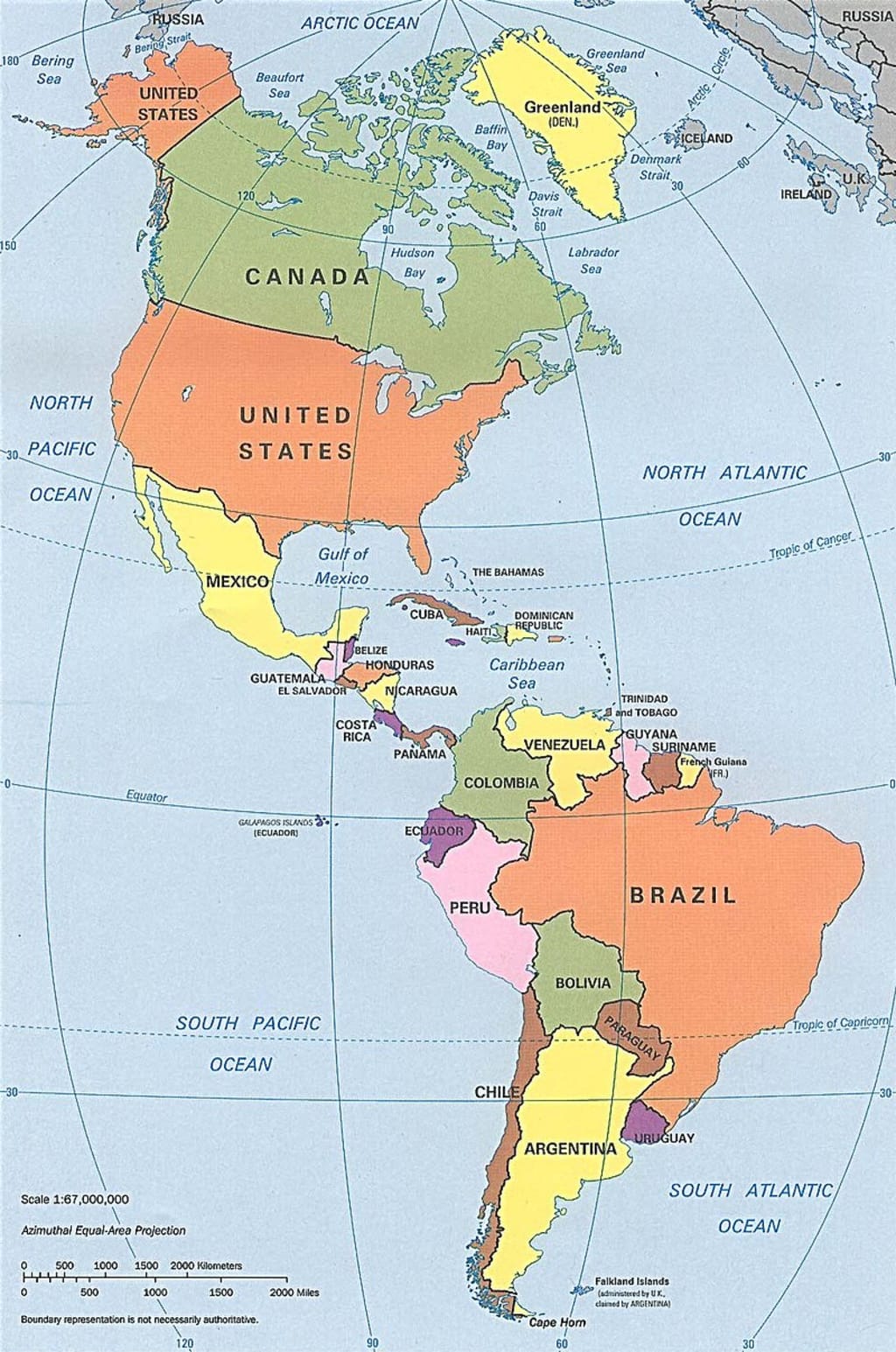
The history of America is a vast and complex subject, spanning thousands of years. I'll provide you with a brief overview of key periods and events in American history.
Native American Civilizations: Before the arrival of Europeans, the Americas were home to diverse indigenous civilizations, such as the Mayans, Aztecs, and Incas. These civilizations developed advanced agricultural systems, architecture, and complex social structures.
European Colonization: The arrival of Christopher Columbus in 1492 marked the beginning of European exploration and colonization in the Americas. Spain, France, England, and the Netherlands established colonies throughout North and South America. The Spanish conquered vast territories, including present-day Mexico, Central America, and much of South America. The English established the Jamestown colony in 1607, laying the foundation for future British settlements in North America.
American Revolution: Tensions between the American colonies and the British government escalated over issues such as taxation and representation. In 1776, the colonies declared independence, leading to the American Revolutionary War. The war concluded in 1783 with the Treaty of Paris, which recognized the United States as an independent nation.
Westward Expansion: Throughout the 19th century, the United States expanded westward, acquiring vast territories through purchases (such as the Louisiana Purchase in 1803) and military conquest (such as the Mexican-American War in 1848). This expansion led to the displacement and mistreatment of Native American tribes.
Civil War and Reconstruction: The issue of slavery and the division between northern and southern states led to the American Civil War (1861-1865). The war resulted in the abolition of slavery and the preservation of the Union. The period following the war, known as Reconstruction, aimed to rebuild the South and secure civil rights for African Americans.
Industrialization and Gilded Age: The late 19th and early 20th centuries witnessed rapid industrialization in the United States. This period, known as the Gilded Age, was marked by economic growth, technological advancements, and increased immigration. However, it also brought social inequality and labor struggles.
World Wars and Cold War: The United States played a significant role in both World War I and World War II, emerging as a global superpower after the latter. The Cold War between the United States and the Soviet Union dominated international relations for several decades, shaping American foreign policy and leading to various conflicts and proxy wars.
Civil Rights Movement: The mid-20th century saw the Civil Rights Movement, a struggle for racial equality and an end to segregation. Prominent figures like Martin Luther King Jr. and Rosa Parks played crucial roles in advancing civil rights, leading to the enactment of important legislation, such as the Civil Rights Act of 1964 and the Voting Rights Act of 1965.
Recent History: The latter half of the 20th century and beyond have witnessed significant social, political, and technological changes. These include the feminist movement, the Vietnam War, the Watergate scandal, the fall of the Berlin Wall, the rise of the internet and digital age, the September 11 attacks, and the ongoing challenges of globalization, climate change, and social justice.
It's important to note that this overview is a simplified account of American history, and there are numerous events, movements, and complexities that cannot be fully covered in this brief summary.
About the Creator
Keep reading
More stories from Tibcsi Tibcsi and writers in History and other communities.
Quest for Eldoria
Once upon a time in the mystical land of Eldoria, there lived a young orphan named Amelia. She was known for her bright blue eyes, which sparkled like the ocean, and her unruly mop of curly red hair. Amelia had always dreamed of embarking on great adventures and discovering the secrets of the world beyond her small village.
By Tibcsi Tibcsi3 years ago in Art
The Piggy Project
I’ve had so many names in this life I lose track of which ones were ever really mine and which ones I wore because someone needed me to. Some were handed to me before I had words to refuse them, before I knew what they meant, before I knew I could say no. Most weren’t meant to hurt. That doesn’t mean they didn’t leave marks. Marks that told me who I belong to, who I am by way of who claims me, recognizes me in the good and bad, who walks beside me.
By Fatal Serendipity3 days ago in Confessions



Comments
There are no comments for this story
Be the first to respond and start the conversation.