
ALIENATION
The Phoenician Healers: Chapter One

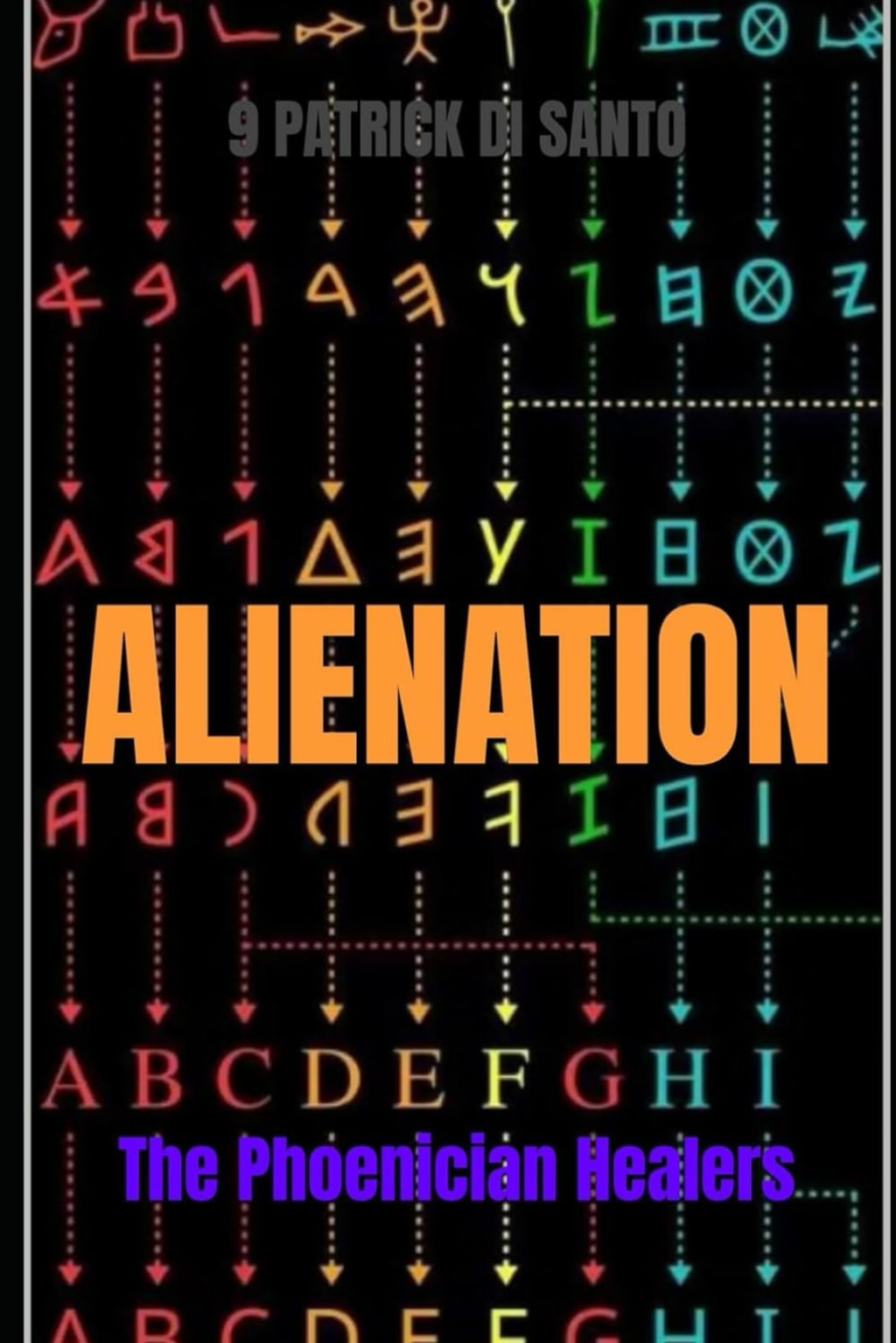
Chapter 1: Introduction to Hellenistic Influences
Overview of Hellenistic culture's spread following Alexander the Great's conquests.
Discussion on syncretism in religious governance and philosophical thoughts in Judea and the tribes that reside there.
Roman Occupation and Local Governance
During the 1st century of the common era, the region of Judea now comprising Israel and Palestine was under Roman rule, which had profound implications for local governance and cultural practices. The Romans implemented a taxation system that required local collaboration, typically orchestrated through local authorities, which in Judea included the Pharisees and Sadducees. These groups organized the collection of taxes under the auspices of the priest class struggling to combine the varied regional tribes and their cults, prior to the organization within the current understanding of religious governance. The Sadducees associated with the priestly classes controlling the temple, and the Pharisees more involved with etiquette and community life with its many layers of taxation similar to the layering of taxation in the United States today, the very practice Isho spoke against (Goodman, Martin. Rome and Jerusalem: The Clash of Ancient Civilizations, 2007).
Hebrew is well documented as functioning like 'legalese' in local United States governance reflecting its status as the mainly liturgical language among this region, similarly Latin being used in federal or Roman Imperial governance. However, the primary regional administrative language under Hellenistic rule was Greek, and later Latin, reflecting the broader imperial practices. Greek then fell into efforts of scholarship and philosophy whilst Phonician settled into various dialects mirroring the tribes that spoke it with Aramaic being the main branch spoken regionally like American English today.
Phoenician Influence and Cultural Syncretism
Phoenician influence in the region predates Roman occupation, with Phoenician cities like Tyre and Sidon being significant global maritime and trade centers. Phoenician, as a language, is closely related to its dialect Hebrew, being Canaanite language derivatives. Direct Phoenician control over Judea is historically accepted and evidenced, both in the cultural and linguistic exchange due to trade and geographical proximity (Aubet, Maria Eugenia. Commerce and Colonization in the Ancient Near East, 2013).
In historical scholarship, the study of how marginalized groups navigate and resist dominant cultural forces offers profound insights into the complex interplay of power, culture, and identity. This dynamic is vividly illustrated in the case of the Hebrews during the Hellenistic and Roman periods, as they sought to redefine their societal role within the broader Judean tribal system. This transformation is chronicled in sources like Flavius Josephus's "Antiquities of the Jews," where he details the Hebrew efforts to maintain their distinct cultural and religious identity amidst the encroaching influences of powerful neighboring civilizations like the Phoenicians and Romans.
Josephus's accounts, along with modern interpretations such as those by Shaye J.D. Cohen in "From the Maccabees to the Mishnah," highlight how the Hebrews strategically adopted and adapted certain Hellenistic practices. Cohen discusses this cultural syncretism not merely as a survival tactic but as a deliberate effort to assert Hebrew sovereignty and relevance in a world dominated by great powers. This adoption of external influences served as both a form of resistance and a declaration of equality, challenging the hierarchical norms imposed by imperial rulers.
Erich S. Gruen further explores this theme in "Heritage and Hellenism: The Reinvention of Jewish Tradition," analyzing how Hebrew identity was reconstructed in response to Hellenistic culture. Gruen's work sheds light on the adaptive strategies employed by the Hebrews to forge a sense of community and continuity despite external pressures, thereby preserving their unique heritage while also engaging with the dominant cultures of their time.
These scholarly perspectives underscore a broader historical pattern wherein subordinate groups navigate the challenges posed by dominant powers through a blend of adaptation and resistance. This process is reflective of the fluidity of social structures and the profound impact of imperial forces on local traditions and self-perceptions.
By examining these historical narratives, we gain a deeper understanding of the ancient world, characterized by a constant negotiation of identity amid shifting power dynamics. Overlooked often is the contribution of the Hebrews to the idea of communal prayer similar to the Osho and Egyptian priest cast. This nuanced view illuminates the roles that cultural assimilation and identity politics have historically played in the survival and transformation of societies under the influence of expansive empires.
The Essenes and Religious Cults
The association of Iesous, or Isho in Aramaic, with the Essenes, a sect often noted for their ascetic practices and beliefs in communal living, is often a subject of scholarly debate. The Essenes, popular at the time as an alternative to the restive, practiced other forms of regional cult governance that would later (12-16 c develop into accepted western practice) quite distinct from the mainstream, emphasizing purity and apocalyptic expectations. While there is some direct historical evidence linking Iesous with the Essenes, scholars suggest that the philosophical and ethical parallels indicate a commonality in some teaching and influence (Schiffman, Lawrence H. From Text to Tradition: A History of Second Temple and Rabbinic Judaism, 1991).
Linguistic Interpretations of Spirit Terms
The interpretation of "Ἐμμανουήλ" (Immanuel) and "Χριστός" (Khristos) within this context emphasizes the syncretic environment of Hellenistic Judea, where Hebrew religious governance and concepts interacted with Greek language and culture. "Immanuel," meaning "God is with us," and "Khristos," meaning "anointed one," were both terms used within early western practice manuscripts to express theological concepts in a way that was accessible to a Hellenized audience (Horsley, Richard A. Paul and Empire: Religion and Power in Roman Imperial Society, 1997).
The term "משיח" —mashiach— messiah, typically meaning "anointed" and used to denote a divinely appointed one in Hebrew tradition, is a translation of the successful Khristos, which in turn is a translation of the predynastic Egyptian tradition of ushering into this world a child with no sin. Born of an Inorex or temple virgin or temple keeper. She might have been interpreted in various ways across different groups. The claim that "משיח" —mashiach is used as a slight during the time of Iesus reflects the contentious nature of messianic expectations among different Hebrew branches of western practice and the broader public, potentially including misunderstanding or opposition from some groups (Fredriksen, Paula. Jesus of Nazareth, King of the Jews: A Jewish Life and the Emergence of Christianity, 1999).
Conclusion
The cultural, linguistic, and religious landscape of 1st-century Judea was marked by a rich tapestry of influences, including remnants of Phoenician traditions Aramaic, Greek, and Hebrew. The exploration of these influences provides a more comprehensive understanding of the historical healer and the religious governance and cultural milieu in which he operated. The dynamic interplay of these elements under Roman rule contributed to the diverse interpretations and legacies that shaped early western thought.
Flavius Josephus, a historian who wrote in the context of first-century Roman Judea, offers some of the most detailed contemporary accounts of the Essenes, a sect often overshadowed by the more politically active Pharisees and Sadducees. His descriptions of the Essenes are not only thorough but also imbued with a sense of respect and fascination, reflecting his Hellenistic education and his audience’s expectations.
Josephus's Portrayal of the Essenes
Josephus positions the Essenes within the wider western governance and religious landscape, distinguishing them by their philosophical lifestyle, which he likens to Greek philosophical schools such as the Stoics or Pythagoreans. This comparison is strategic, tailored to resonate with his Greek and Roman readers, who would have been familiar with the structured schools of philosophy in their own cultures. By drawing parallels between the Essenes and well-respected Greek philosophical schools, Josephus elevates the Essenes’ status, presenting them as a serious and commendable group within Judean society.
Philosophical Schools and Hellenistic Influence
In describing the Essenes, Josephus highlights their communal living, their disdain for wealth, their rigorous moral discipline, and their belief in predestination, which aligns with some aspects of Stoic philosophy, particularly the emphasis on virtue and the acceptance of fate. The Essenes' communal sharing of goods and their ascetic lifestyle also resonate with aspects of Pythagoreanism, which advocated for a certain detachment from material possessions and a focus on spirit purity.
This elaborate description in sections such as War 2.120–161 contrasts sharply with his relatively terse mentions of the Pharisees and Sadducees. This could be interpreted as an indication of Josephus’s personal admiration for the Essenes or his perception that their way of life would appeal more to Hellenistic sensibilities, emphasizing rationality, communal ethics, and a structured approach to spirit rituals.
The Essenes as a Model of Virtue
Josephus’s extended focus on the Essenes can be seen as an attempt to present Judea’s religious governance landscape in a manner that not only informs but also impresses a Roman audience, potentially to garner sympathy or respect for Judean traditions. In the Hellenistic world, where philosophy was not merely a means of inquiry but a way of life, the Essenes could be seen as embodying the ideal of philosophical life, devoted to virtue and the pursuit of spirit knowledge.
Conclusion
Josephus’s writings serve as a crucial bridge between western religious governance and Hellenistic cultures, showing his audience that various cultic groupings, particularly the Essenes, had philosophical depths comparable to those admired in Hellenistic philosophy. His favorable depiction likely served multiple purposes: educating his audience about regional traditions, correcting misconceptions about Jeudean provincialism, and aligning revered spirit wisdom with the regional traditions of the Hellenistic world. This portrayal by Josephus not only enhances our understanding of the Essenes but also underscores the cultural and philosophical exchanges between Phoenician and Greco-Roman worlds during this period, as discussed in scholarly works such as Goodman's Rome and Jerusalem (2007) and Collins's analysis in The Apocalyptic Imagination (2016).
The Essenes, as described by historical sources like Pliny the Elder, Josephus, and Philo, have long intrigued scholars due to their unique lifestyle and beliefs. These descriptions, particularly in the context of Hellenistic and Roman understandings, offer valuable insights into the early beginnings of the Essenes and their significance in the Judean landscape.
Pliny’s Account and the Qumran Connection
Pliny the Elder’s account in Natural History (Book 5, Section 17) is one of the few non-western practice ancient sources referring to the Essenes. Pliny describes their community as being located away from the coast, living in solitary without women, money, and enduring harsh conditions, dedicated entirely to communal living without personal property. This description aligns with the ascetic lifestyle often associated with Hellenistic philosophical schools, suggesting a form of life that was admired and somewhat romanticized by Hellenistic and later Roman observers.
The narrative surrounding "Ishaya Vishaya: The Phoenician Healers" introduces an enriched context to understand I(J)esus or Isho (Aramaic), Iesous (Greek), —Pati (Sanskrit) by situating him within the complex socio-cultural fabric of the Hellenistic and Roman eras. This perspective explores the substantial Phoenician influence and its implications for understanding the Essenes, alongside the broader religious and philosophical currents of the time.
Phoenician Influence and Cultural Syncretism
Phoenician influence across the Mediterranean, notably through maritime trade, significantly impacted the cultural landscapes of the regions they engaged with, including Judea. The Phoenicians were instrumental in the spread of not just goods but also cultural and religious ideas. Their cities, such as Tyre and Sidon, were major hubs of this cultural exchange, and their linguistic contributions, especially through the spread of the Phoenician alphabet, had lasting impacts on the region. This historical backdrop is crucial for understanding the cultural milieu in which figures like Jesus operated, suggesting a syncretic environment where Phoenician, Greek, and local traditions intertwined (Aubet, Maria Eugenia. Commerce and Colonization in the Ancient Near East, 2013).
The Essenes and Religious Governance
The Essenes, often depicted as a mystic sect within the Phoniecians, are said to have embraced ascetic practices, communal living, and apocalyptic beliefs. While historical evidence directly linking Isho to the Essenes is sparse, the philosophical and ethical parallels, such as a focus on purity, communal ethics, and eschatological expectations, suggest a potential influence or commonality in ideological frameworks (Schiffman, Lawrence H. From Text to Tradition: A History of Second Temple and Rabbinic Judaism, 1991). The integration of Hellenistic philosophies with Egyptian and Phoenician apocalyptic traditions within the Essenes mirrors broader trends in Hebrew thought during this period, influenced by the pervasive Hellenistic culture.
Linguistic Interpretations of Religious Governance andTerms
The terms "Ἐμμανουήλ" (Immanuel) and "Χριστός" (Christos) highlight the integration of Phoenician spirit concepts with Greek linguistic elements, reflecting the Hellenistic cultural synthesis. These terms, adapted to the Hellenistic audience, illustrate how messianic and theological concepts were communicated in a manner comprehensible to Greek-speaking populations, thereby facilitating the spread of these ideas within the diverse cultural landscapes of Judea (Horsley, Richard A. Paul and Empire: Religion and Power in Roman Imperial Society, 1997).
Roman Occupation and Governance Influences
Under Roman rule, the administrative and legal frameworks imposed by the Romans necessitated a level of cooperation from local governance structures, such as those managed by the Hebrew Pharisees and Sadducees. This governance model, coupled with the Roman taxation system, played a significant role in shaping the social and political landscapes of Judea. The Pharisees' and Sadducees' roles in this system, alongside the broader Roman administrative practices, created a complex backdrop against which sectarian movements and philosophies, including those of the Essenes and early other early forms of western practices, sought to define themselves (Goodman, Martin. Rome and Jerusalem: The Clash of Ancient Civilizations, 2007).
Conclusion
In summary, "Ishaya Vishaya: The Phoenician Healers" presents a compelling reexamination of Isho's historical and cultural context, emphasizing the Phoenician influences and the syncretic religious environment of Hellenistic Judea. This perspective offers a deeper understanding of the diverse influences that shaped his healing and teachings, highlighting the complex interplay of local traditions and more broad cultural interactions of both eastern and western spirit practice shaping the regional landscape of the time. The exploration of these themes not only broadens our understanding of the historical context during this time but also enriches the narrative of its impact within the broader Mediterranean world.
Dupont-Sommer's Interpretation
André Dupont-Sommer's reinterpretation of Pliny’s geographical descriptions post-Qumran discoveries brought a significant shift in understanding the Essene’s location. His reading suggested that the Essenes were not just above En Gedi but further north, near Qumran, challenging the traditional interpretation that placed them directly above En Gedi. This hypothesis was revolutionary because it linked the Essene community directly with the Dead Sea Scrolls found at Qumran, proposing that these texts might be the products of the Phonician community.
Archaeological Evidence and Scholarly Acceptance
The acceptance of Dupont-Sommer’s proposal was bolstered by archaeological evidence unearthed by Yigael Yadin and others, who found that the material culture of Qumran shared characteristics with descriptions of Essene life by Josephus and Philo, such as ritual baths and communal dining halls. This supported the idea that Qumran could indeed be the site of the Essene community described by Pliny.
Sumerian and Vedic Texts to Kemetic and Hellenic Philosophies
Sumerian Texts
Ritual bathing in Sumerian culture is documented as early as the third millennium BCE. In ancient Sumer, cleansing rituals were integral to both daily life and spirit practices. These rituals were believed to purify the body and soul, preparing individuals for interaction with deities and participation in sacred ceremonies. Texts from this era, such as those found in the temple complexes of Eridu and Nippur, emphasize the significance of water in spirit purification. Water being the manifestation of the universal creator. For instance, the Enki, the genderless deity reflective and associated with water, is often depicted as providing fresh, life-giving water to cleanse and rejuvenate both humans and offspring (Kramer, 1963).
Integral to daily life. In Sumer, water holds the position of life giver and is seen as a purifying element, crucial in rituals to cleanse one before they can approach each day. Ritual baths were taken in the sacred rivers such as the Tigris and Euphrates, which are considered divine manifestations of beyond.
Vedic Texts
In Vedic traditions, dating back to the second millennium BCE, ritual bathing is extensively mentioned. The Rigveda and Atharvaveda contain hymns that highlight the importance of water for physical and spirit purification. The Saraswati River, among others, is venerated as a divine entity with purifying powers. Vedic rituals often involve the use of water daily to cleanse oneself before performing yajnas (sacrificial rituals) or other spirit offerings. This practice was believed to remove impurities and make the individual worthy of divine blessings (Doniger, 1981).
Dating back to around 1500 BCE, ritual bathing (Snana) is a crucial part of daily ritual and daily spirit awakening. The Rigveda, one of the oldest Vedic texts, mentions the importance of bathing in sacred rivers like the Ganges to purify oneself before performing any offerings or rituals. These baths were believed to wash away the unsunwise and preparing the individual for communion with the divine day to day.
Kemetic (Ancient Egyptian) Texts
Ritual bathing in ancient Kemet, or Egypt, was a crucial aspect of daily life. In Kemet it was believed by maintaining purity to please the pantheon of offspring and to ensure a harmonious afterlife with the universal creator. Texts such as the "Pyramid Texts" and the "Book of the Dead" describe the use of water in purification rituals. Priests, in particular, underwent extensive bathing rituals before conducting temple ceremonies, symbolizing the washing away of earthly impurities to become suitable intermediaries between the realms. The Nile River, considered sacred, played a central role in these purification practices (Assmann, 2001).
Daily bathing is deeply embedded in both daily offering and spirit practice. Egyptians believed in the purifying power of water, with priests bathing several times a daily and in the sacred waters of the Nile before and after performing rituals of the temple. These baths are seen as essential for maintaining Ma'at (order and balance) and for preparing oneself for interaction with the souls. The "Book of the Dead," a collection of texts, includes spells and rituals involving water purification, essential for the deceased to enter the life before and unite with Osiris, the messenger of the other.
Hellene (Ancient Greek) Texts
In Hellenic culture, ritual bathing was also a significant spirit practice. Ancient Hellene or Greek texts, including those by Homer and later philosophical works, detail the use of water for purification before and after ceremonies. The Greeks believed that bathing in natural springs or specially constructed baths cleansed both the body and soul, thus preparing an individual for communion with the higher deities. Temples often had baths or fountains (nymphaeum) where attendants could purify themselves before entering sacred spaces (Burkert, 1985).
The ancient Greeks also placed great importance on ritual bathing, particularly in preparation for ceremony and as a part of their daily hygiene routines. Public baths and private bathing facilities were common. Bathing was not only a physical cleansing but also a spirit preparation, often accompanied by meditations later known as prayer and offerings to the specific manifestation of the universal creator “of” or “the” in preparation for sleep. Greeks would bathe to cleanse themselves and enter a state of purity, which was believed to facilitate better communication with the other through dreams. Dream incubation, a practice where individuals sought divine guidance through dreams, often involved a period of ritual including bathing.
Preparation for Sleep and Union with Higher Deities
Across these cultures, the concept of preparing oneself for sleep and union with the divine through ritual bathing reflects a shared belief in the purifying and transformative power of water and rest. In Sumerian texts, ritual baths were part of nightly routines to invite divine dreams and visions. Vedic traditions included evening ablutions as a way to cleanse the body and mind before prayers and meditation, which were believed to facilitate communication with the other during sleep (O'Flaherty, 1981).
In ancient Egypt, purification before sleep was thought to protect against unsunwise spirits and ensure that messages from the beyond were clear and understood. Similarly, the Greeks practiced evening bathing, often accompanied by offerings to specific deities or personalities of the universal creator, such as Hypnos and Morpheus (Harris, 2009).
The development of ritual bathing spans across various ancient civilizations, each embedding this practice within their unique cultural and spirit frameworks. Here's an exploration of how ritual bathing evolved from Sumerian and Vedic texts to Kemetic (Ancient Egyptian) and Hellenic (Ancient Greek) philosophies, particularly concerning preparations for sleep and union with the realm of the other.
Synthesis and Influence
These practices highlight the universal significance of water as a purifying and sanctifying element across different cultures. The evolution of ritual bathing from Sumerian and Vedic traditions to Kemetic and Hellenic philosophies shows a continuous thread of seeking purity before engaging in spirit or divine activities. Each culture adapted and evolved these practices, embedding them deeply within their spiritity and daily lives.
Conclusion
The development of ritual bathing from Sumerian and Vedic texts to Kemetic and Hellenic philosophies highlights a common thread across these ancient cultures: the belief in the purifying and preparatory role of water in connecting with the divine. These practices underscored the importance of physical and spirit cleanliness as a prerequisite for ritual, nightly rest, and divine communion.
References
Assmann, J. (2001). The Search for God in Ancient Egypt. Cornell University Press.
Burkert, W. (1985). Greek Religion. Harvard University Press.
Doniger, W. (1981). The Rig Veda: An Anthology. Penguin Classics.
Harris, W. V. (2009). Dreams and Experience in Classical Antiquity. Harvard University Press.
Kramer, S. N. (1963). The Sumerians: Their History, Culture, and Character. University of Chicago Press.
O'Flaherty, W. D. (1981). The Rig Veda: An Anthology of One Hundred and Eight Hymns. Penguin Classics.
Citations
Sumerian Rituals:
Kramer, Samuel Noah. History Begins at Sumer: Thirty-Nine Firsts in Recorded History. University of Pennsylvania Press, 1981.
Bottéro, Jean. Mesopotamia: Writing, Reasoning, and the Gods. University of Chicago Press, 1992.
Vedic Texts:
Doniger, Wendy. The Rig Veda: An Anthology. Penguin Books, 1981.
Jamison, Stephanie W. The Rigveda: Earliest Religious Poetry of India. Oxford University Press, 2014.
Kemetic Practices:
Faulkner, Raymond O. The Egyptian Book of the Dead: The Book of Going Forth by Day. Chronicle Books, 1994.
Wilkinson, Richard H. The Complete Gods and Goddesses of Ancient Egypt. Thames & Hudson, 2003.
Hellenic Philosophies:
Burkert, Walter. Greek Religion: Archaic and Classical. Blackwell Publishing, 1985.
Dodds, E. R. The Greeks and the Irrational. University of California Press, 1951.
By understanding these cultural contexts, we gain insight into the shared human endeavor to connect with the divine through the purifying power of water, a practice that transcends time and geography.
Hellenistic Views on Asceticism
In the broader Hellenistic world, there was a fascination with asceticism, which was practiced by various philosophical schools such as the Stoics and Cynics. This ascetic tradition, which emphasized virtue and self-control over physical pleasures, was seen as a form of moral superiority. The Essenes, with their communal living, rejection of wealth, and strict moral codes, fit well into this admired paradigm in the Hellenistic mindset. Their lifestyle could be understood and appreciated within the context of Hellenistic and Roman virtues, contributing to the romanticized view of them as a wise and virtuous group.
Implications of the Essenes' Egyptian and Earlier Beginnings
While the connection between the Essenes and earlier Egyptian monastic practices is speculative, some scholars suggest that Phoenician ascetic communities like the Essenes have been influenced by earlier ascetic practices known in Egypt and India. These could possibly be linked through the Therapeutae, described by Philo of Alexandria, who were a Phoenician ascetic community in Egypt with practices remarkably similar to those of the Essenes (Murphy-O'Connor, Jerome. The Holy Land: An Oxford Archaeological Guide from Earliest Times to 1700, 2008).
Conclusion
The Hellenistic and later Roman appreciation of the Essenes highlights a cross-cultural engagement with Phoenician asceticism, framed within a broader admiration for philosophical and religious purity. This perspective aligns with the intellectual currents of the time, which valued self-discipline and communal ethics as ideals of the philosophical life. Dupont-Sommer's re-reading of Pliny, backed by archaeological discoveries, not only repositioned the Essenes geographically but also deepened the understanding of their significant role within the Judean and broader Hellenistic philosophical landscape.
The influence of Hellenistic culture and philosophy on Judea, particularly during the life of Isho (referred to as I(J)esus in modern times), presents a rich tapestry of cultural and intellectual exchanges that profoundly shaped the region. This perspective highlights the integration of Greek philosophical traditions, including those of the Pythagoreans, into the local Phoenician context, particularly in areas proximate to major Hellenistic urban centers like Sepphoris.
Hellenistic Influence in Judea
Following Alexander the Great's conquests in the 4th century BCE, the Hellenistic period ushered in a widespread dissemination of Greek culture and language throughout the Eastern Mediterranean, including Judea. This influence was particularly evident in the architectural, administrative, and cultural life of cities like Sepphoris, which was rebuilt in a Hellenistic style during the early 1st century BCE and became a significant urban center near Nazareth.
Sepphoris as a Cultural Hub
Sepphoris, located just north of Nazareth, was notably Hellenized, featuring public buildings, mosaics, and other elements typical of Greek cities. It served as the capital of Galilee and was known as the "Ornament of Galilee," indicative of its status and the extent of Greek architectural and cultural influence there (Josephus, Antiquities 18.27). The city's proximity to Nazareth, is the culture where Anna was born and Maria grew up, suggests that Isho had been exposed to a milieu that included both traditional Phoenician spirit and healing teachings as well as the popular regional Hellenistic philosophical and cultural elements.
Greek Philosophy and Pythagorean Influence
The Pythagorean school of thought, with its emphasis on mathematics, mysticism, and a structured cosmology, might have indirectly influenced the broader philosophical currents accessible in places like Sepphoris. While direct evidence of Pythagoreanism in Judea is sparse, the general appreciation for Greek philosophical traditions permeated local cultures. The synthesis of these ideas with Kemetic and Koine theological concepts has contributed to the development of various Phoenician sects, including the Essenes, who embraced aspects of asceticism and communal living similar to those espoused by the Greek philosophical schools (Runesson, Anders. The Origins of the Synagogue: A Socio-Historical Study, 2001).
Archaeological Evidence
Archaeological discoveries in Sepphoris provide tangible evidence of Hellenistic influence. The mosaics, for example, depict scenes from Greek mythology and daily life in styles characteristic of Hellenistic art, suggesting a populace comfortable with Greek aesthetics and ideologies (Levine, Lee I. Judaism and Hellenism in Antiquity: Conflict or Confluence?, 1998). These findings indicate that Sepphoris was a point of cultural and intellectual exchange where Phoenician and Hellene traditions interacted dynamically.
Implications for Understanding the Context of Isho
Understanding the Hellenistic influences in areas close to Isho's childhood home offers a broader context for his healing and the narratives of his life. The cultural and philosophical diversity of his environment, coupled with the Phoenician prophetic traditions, shaped his parables and healings, which often reflect themes of universalism and ethical theism that resonate with both Roman and Hellenistic philosophical teachings.
Conclusion
The Hellenistic period's impact on Judea, especially through cities like Sepphoris, provides a nuanced backdrop for the western practice narratives. The interaction between Greek and Phenician cultures created a fertile ground for philosophical and spirit dialogue, which likely influenced the cultural landscape in which Iesous lived and healed. This blend of influences helps explain the multifaceted nature of his teachings and the diverse reception of his message in the context of the broader Empire. Acknowledging this influence allows for a deeper understanding of the historical and cultural complexities of early western practice and Hellene thought.
Sepphoris, changed to Tzipori in 1948, stands as a significant archaeological and historical site that reflects the layered cultural and spirit history of the region—from its early days as an Egyptian outpost to its development during the Hellenistic period, its prominence during the time of the grandparents of Isho and its changes through the 20th century. This city encapsulates the dynamic interplay of cultural influences that have swept over the region through the millennia.
Early Egyptian Outpost to Hellenistic Hub: Initially, Sepp Horus served as an administrative outpost during the Egyptian control of Canaan, facilitating trade and military movements. As control of the region shifted, Sepphoris found itself under Hellenistic influence following the conquests of Alexander the Great. This period saw the city absorbing Greek architectural and cultural elements, which were later integrated with Roman designs when the region came under Roman rule. The city was known for its "ornament of Galilee" due to its sophisticated urban planning and the presence of mosaics, theaters, and public buildings that demonstrate a blend of Greco-Roman and local influences (Levine, Lee I. "Sepphoris: A Jewel in the Hills of Galilee," 1992).
Significance During the Time of Isho: During the early Roman period, specifically in the first century CE, Sepphoris was a flourishing urban center near Nazareth, the purported hometown of Isho. Although the Gospels do not mention Sepphoris directly, its proximity to Nazareth and its status as a major Galilean city suggest that it played a role in the social and economic backdrop in the life and teachings of Isho. The city's cosmopolitan nature exposed a young Isho to a variety of cultural, healing and spirit ideas, influencing his perspectives and parables (Chancey, Mark A. "Greco-Roman Culture and the Galilee of Jesus," 2005).
Nazareth in the Beautiful Lower Galilee: region, is historically significant as the city where Isho lived and grew up. Today, Nazareth is the largest Arab city in Israel and one of the largest cities in northern Israel, with a population primarily composed of Muslims and Christians. Historically, Galileans were perceived by Judeans as lax in their observance of proper ritual, a view compounded by Galilee's distance from the temple and theological leadership centered in Jerusalem. Galilee itself is divided into Upper Galilee, with its higher peaks and narrow gorges, and Lower Galilee, characterized by lower hills with Nazareth as its chief city.
Nazareth’s Insignificantes: in ancient times that it is not mentioned in the Old Testament, and the gospel writers had to specify it as a town in Galilee to ensure recognition (Matthew 2:23, Mark 1:9, Luke 1:26). This lack of prominence contributed to the skeptical reaction of Nathanael, who doubted anything good could come from such a despised town (John 1:46). Contrary to the traditional portrayal of Nazareth as a bucolic backwater, archaeological evidence suggests it was the site of a significant Roman garrison, complete with a large Roman bath. This indicates that Nazareth was actually a bustling military hub, providing the healer with considerable exposure to Roman presence and likely providing his father, Joseph, with work as a carpenter for the Romans.
Disdain for Nazareth: Historical context helps explain Nathanael's judgment as the town's connection to the Roman Empire and its potential status as an affiliate center for Jerusalem is seen as negative attributes by some Hebrews. Thus, the true story of Nazareth offers a surprising glimpse into the environment in which Lord Isho grew up, challenging the traditional view of the town as merely an inconsequential village. A place where the holy family's interconnectedness with the universal parent would be preserved and cushioned from the later more turbulent years that followed the practice of healing, Iesous is known for.
Transformation in the Byzantine Period: Throughout the Byzantine period, Sepphoris Nazareth's more famous neighbor continued to thrive and was known for its spirit community. The city's halls, temples and monastic establishments point to its importance as a historical site for the various branches of western practice, further indicating its continuous spirit significance well after the time of Iesous. Archaeological finds, including beautiful mosaics depicting scriptural scenes, underscore its role in early art and piety (Fiensy, David A. "Jesus the Galilean: Soundings in a First Century Life," 2007).
Destruction and Renaming in the 20th Century: The modern history of Sepphoris reflects the broader geopolitical shifts in the region. In 1948, during the Israeli-Arab conflict, the site underwent significant changes. The village was depopulated and the area was later incorporated into the state of Israel, renamed Tzipori. These events marked the latest in a series of cultural transformations that the site has witnessed over centuries (Morris, Benny. "The Birth of the Palestinian Refugee Problem Revisited," Cambridge University Press, 2004).
Archaeological and World Heritage Recognition: Today, Sepphoris is recognized as a World Heritage site, reflecting its vast historical importance and the rich archaeological findings connecting the various branches of western practice to the bridge from Nazarath. Continuing to provide insights into its past and the adaptations in western beliefs. The site's preservation allows for ongoing exploration of its Egyptian, Hellenistic, Phoenician, Roman, and Byzantine layers, offering valuable information on the various cultural epochs it has survived (Myers, Eric M. "Galilee Through the Centuries: Confluence of Cultures," 1999).
Cultural Legacy and Historical Memory: The historical narrative of Sepphoris, from an Egyptian outpost to a vibrant Hellenistic city, and from a significant site during the life of Isho to a modern archaeological treasure, underscores the complex layers of cultural and spirit memory that characterize the region. This continuity and transformation reflect the broader trends of conquest, cultural assimilation, and religious evolution that define the history of the Levant (Reed, Jonathan L. "Archaeology and the Galilean Jesus: A Re-examination of the Evidence," 2000).
In conclusion, Sepphoris serves as a microcosm of the broader historical and cultural dynamics of the near east, embodying the influences of major civilizations and religious governance from antiquity to the modern era. Its continuous habitation and cultural transformation provide a profound context for studying the intersection of history, archaeology, and spiritity in a region that has been a crossroads of the world's major cultural currents.
Citations
Historical Context of Galilee:
Flavius Josephus. The HebrewWar. Translated by G. A. Williamson, Penguin Classics, 1959.
Horsley, Richard A. Galilee: History, Politics, People. Trinity Press International, 1995.
Nazareth's Significance in the Gospels:
The Holy Bible, New International Version. (Matthew 2:23, Mark 1:9, Luke 1:26, John 1:46).
Archaeological Evidence:
Dark, Ken. Archaeology of Jesus' Nazareth. Oxford University Press, 2020.
Bagatti, Bellarmino. Excavations in Nazareth: From the Beginning till the XII Century. Franciscan Printing Press, 1969.
Cultural and Religious Perceptions:
Meyers, Eric M. Galilee Through the Centuries: Confluence of Cultures. Eisenbrauns, 1999.
Reed, Jonathan L. Archaeology and the Galilean Jesus: A Re-examination of the Evidence. Trinity Press International, 2000.
About the Creator
9 Patrick di Santo
His background is as a Research Scientist with the University of Kansas and the Union Center for Cultural and Environmental Research, authoring themes of healing, cultural alienation, cultural appropriation and historical perspectives.
Keep reading
More stories from 9 Patrick di Santo and writers in History and other communities.
WISDOM SEEKERS
INTRO The Role of Female Deities in Ancient Mythologies Before the formalization of the Vedas, the ritual landscape of ancient civilizations like Sumeria, Iran, Mesopotamia, and Egypt profoundly emphasized the role of female deities in maintaining the cosmic code and shaping the material world. These deities were not merely auxiliary figures; they were central to the ritual and societal structures of their times.
By 9 Patrick di Santo12 months ago in History
Nobel Peace Prize
The Nobel Peace Prize has stood as one of the world’s most recognized honors. Awarded annually in Oslo, it is meant to celebrate individuals or organizations that have made significant contributions toward peace, diplomacy, and humanitarian progress. While its mission appears straightforward, the Nobel Peace Prize has never been free from debate. In recent years, conversations surrounding global politics—particularly discussions about the Trump Nobel Peace Prize—have brought renewed attention to how peace is defined, measured, and rewarded in the modern era. The Origins and Meaning of the Nobel Peace Prize The Nobel Peace Prize was established by Alfred Nobel, the Swedish inventor best known for creating dynamite. In his final will, Nobel directed that a portion of his wealth be used to recognize efforts that foster peace among nations, reduce standing armies, or promote diplomacy and cooperation. Since its first award in 1901, the prize has honored activists, diplomats, organizations, and world leaders whose actions shaped international dialogue. Unlike other Nobel categories, the peace prize is awarded by a Norwegian committee rather than a Swedish institution. This distinction reflects Nobel’s desire to separate the prize from national interests and focus instead on global responsibility. Over time, the definition of “peace” has expanded. Early recipients were often disarmament advocates or mediators. More recent laureates have included human rights defenders, climate activists, and international organizations working in conflict zones. Politics and the Nobel Peace Prize Despite its humanitarian ideals, the Nobel Peace Prize has always intersected with politics. Recognizing peace efforts often means evaluating political leadership, international negotiations, and long-term consequences—none of which are easy to measure in real time. Some awards have been widely celebrated, while others sparked controversy. Critics often argue that certain laureates were honored prematurely, before the lasting results of their actions became clear. Supporters counter that the prize is meant to encourage peace efforts, not merely reward completed achievements. This tension has made the Nobel Peace Prize a reflection of global priorities at any given moment, rather than a simple historical judgment. Donald Trump and Nobel Peace Prize Discussions Few modern political figures have generated as much debate in connection with the Nobel Peace Prize as Donald Trump. During and after his presidency, conversations about a potential Trump Nobel Prize emerged repeatedly, particularly among supporters who pointed to his role in diplomatic initiatives. The phrase Trump Nobel Peace Prize gained traction following agreements and negotiations in regions long marked by conflict. Advocates argued that these diplomatic efforts aligned with Alfred Nobel’s vision of reducing international tension through dialogue rather than force. At the same time, critics questioned whether these actions met the broader ethical and humanitarian standards traditionally associated with the award. They pointed to domestic divisions, foreign policy controversies, and unresolved global conflicts as reasons for skepticism. This divide highlights a core challenge of the Nobel Peace Prize: peace is rarely absolute, and political leadership is often complex and contradictory. Trump Nobel Peace Prize 2026: Speculation and Context As global politics continue to evolve, speculation around a Trump Nobel Peace Prize 2026 has appeared in media discussions and public commentary. It is important to note that nominations for the Nobel Peace Prize are confidential for decades, and speculation does not confirm consideration or selection. However, the mere discussion of Trump Nobel Peace Prize 2026 reflects how the award has become part of broader cultural and political conversations. Supporters view such recognition as validation of diplomatic achievements, while critics see the speculation as politicizing an institution meant to rise above partisan debate. This dynamic is not unique to Trump. Many past leaders, from various ideological backgrounds, were debated heavily before or after receiving the prize. The Nobel Peace Prize often mirrors global disagreements rather than resolving them. How the Nobel Committee Makes Its Decision Each year, hundreds of nominations are submitted by qualified individuals, including academics, lawmakers, and previous laureates. The Nobel Committee evaluates these nominations through research, expert consultation, and internal debate. The process considers intent, impact, and long-term significance. However, because peace efforts often unfold over years or decades, the committee must make decisions without full historical clarity. This reality explains why some awards age gracefully while others remain controversial. The committee rarely responds directly to public pressure or online campaigns. Media attention, including discussions around a Trump Nobel, does not guarantee influence over the final decision. The Broader Impact of the Nobel Peace Prize Beyond individual recipients, the Nobel Peace Prize plays a symbolic role. It brings global attention to issues that might otherwise be ignored, from humanitarian crises to fragile peace processes. Even controversial nominations can spark meaningful debate about what peace truly means in the modern world. The prize also raises questions about accountability. When leaders are considered for such recognition, the public is encouraged to examine policies, outcomes, and moral responsibility more closely. In this sense, discussions surrounding the Trump Nobel Peace Prize are not just about one individual. They reflect deeper conversations about diplomacy, leadership, and the evolving standards by which peace is judged. Conclusion: A Prize That Reflects the World The Nobel Peace Prize remains one of the most influential and debated honors in global society. Its power lies not only in recognizing peace efforts but also in challenging the world to think critically about conflict, cooperation, and responsibility. Whether discussions involve historic activists or modern political figures like those associated with Trump Nobel Peace Prize 2026 speculation, the award continues to reflect the complexities of international relations. Peace is rarely simple, and neither is the process of honoring it. Ultimately, the Nobel Peace Prize serves as a reminder that striving for peace is an ongoing journey—one shaped by ideals, actions, and the difficult choices that define human history.
By Saboor Brohi 7 days ago in History
The History of America — A Nation Forged by Struggle and Change
Long before the name “America” existed, the vast lands of North America were home to millions of Indigenous peoples. These societies—such as the Navajo, Iroquois, Cherokee, Apache, and many others—developed rich cultures, languages, and systems of governance. They farmed, hunted, traded, and built complex communities deeply connected to the land. For thousands of years, these civilizations thrived, long before European ships ever crossed the Atlantic.
By The best writer 5 days ago in History




Comments
There are no comments for this story
Be the first to respond and start the conversation.