
9/11 Conspiracies
Separating Fact from Fiction in the Shadow of Tragedy

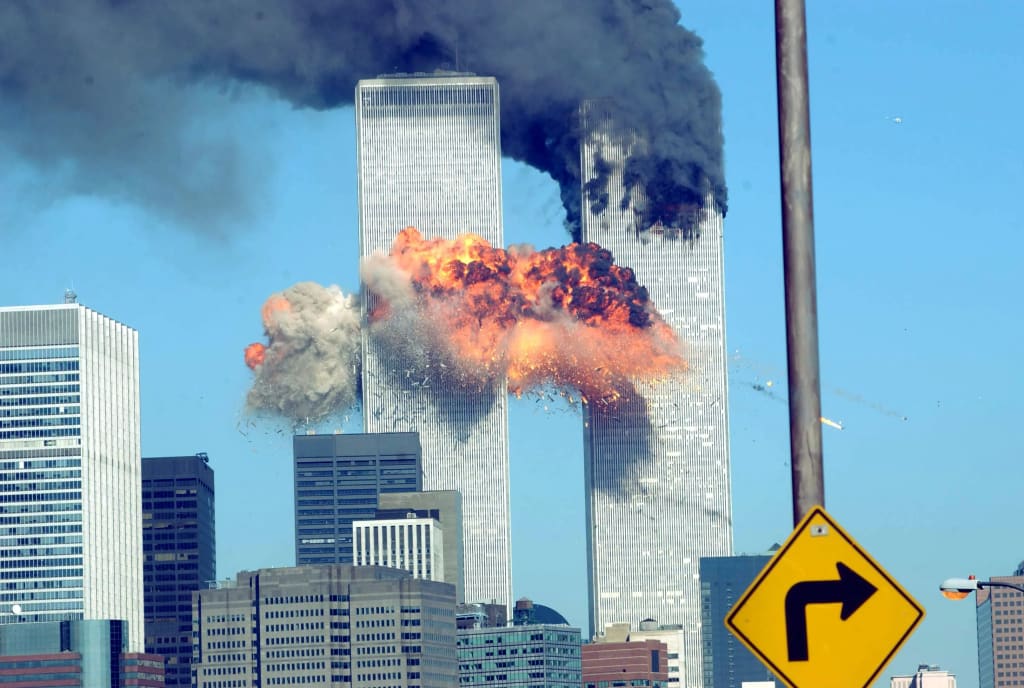
The tragic events of September 11, 2001, remain etched in the collective memory of not only Americans but people around the world. As with any major historical event, especially one marked by such profound loss and trauma, conspiracy theories have flourished. These theories often exaggerate or distort the facts, complicating the process of understanding what truly happened that fateful day. This article seeks to unravel some of the most persistent myths and misconceptions surrounding 9/11, grounding the discussion in verifiable facts and historical accounts.
The Collapse of Authority and the White House Incident
One of the most dramatic and widely discussed aspects of 9/11 conspiracy theories involves the alleged collapse of authority and the decisions made by high-ranking officials during the crisis. According to some accounts, Vice President Dick Cheney played a crucial role in responding to the hijackings and was directly involved in ordering the interception or shooting down of aircraft. These narratives often paint a picture of frantic decision-making and high-stakes moments in the White House.
In reality, while Cheney was indeed in the White House on September 11 and played a significant role in the response, the details surrounding his actions are often oversimplified or misrepresented. The story that he authorized a missile launch from Baltimore or ordered fighter jets to ram a hijacked plane is a mixture of fact and fiction.
The real situation was marked by confusion and uncertainty. After the attacks on the World Trade Center and the Pentagon, there was a belief that further attacks might be imminent. United Airlines Flight 93, which was hijacked and ultimately crashed in Pennsylvania, was thought to be headed towards Washington, D.C. However, the decision-making process was complex and involved multiple layers of communication and authority. Contrary to some theories, there is no evidence that Cheney or any other official directly ordered a missile launch or the interception of Flight 93.
The Reality of Flight 93
Flight 93 is one of the most poignant stories from September 11, partly due to the heroism displayed by its passengers. The hijackers' intended target was believed to be either the White House or the U.S. Capitol. However, the flight never reached its target. The passengers, aware of the hijackers' plan, attempted to retake control of the plane, leading to its crash in a field in Shanksville, Pennsylvania.
Conspiracy theories often suggest that the plane was shot down by the military to prevent it from reaching its target. This claim is not supported by the evidence. The F-16 fighters that were scrambled to intercept the plane were not armed with live missiles at the time. Their mission, if it had come to fruition, would have been to attempt to ram the plane rather than shoot it down. However, this scenario never occurred as the plane crashed before the fighters could reach it. The narrative that Flight 93 was shot down by a missile or engaged in aerial combat is a fabrication that has no basis in the verified accounts of the day.
The Decision to Shoot Down Aircraft
The possibility of shooting down a commercial airliner over American soil was one of the most controversial and debated aspects of 9/11. According to various accounts, the idea was discussed at high levels, and Vice President Cheney was reportedly involved in making decisions related to this. The idea was rooted in the extraordinary circumstances of the day, where the standard protocols for military engagement were tested in unprecedented ways.
The decision to potentially shoot down a hijacked aircraft would have required a complex chain of command and clear authorization from the President. On September 11, President George W. Bush was in Florida, and the communications between him and officials in Washington were fraught with confusion. The accounts of Cheney's actions and decisions reflect the chaotic environment in which these choices were made.
In the confusion of that morning, the decision to shoot down an aircraft was discussed, but there is no evidence that any aircraft was actually fired upon. The F-16s that were scrambled were not equipped with live missiles and were instead prepared to attempt a ram if necessary. The actual events surrounding Flight 93 show that the plane was brought down by the actions of its passengers rather than any military intervention.
The Bunker and the Chain of Command
Inside the Presidential Emergency Operations Center (PEOC) in the White House, the response to the attacks was marked by a high level of secrecy and urgency. The bunker, located deep underground, became the center of decision-making as the attacks unfolded. Key figures like Vice President Cheney and Secretary of Defense Donald Rumsfeld were in communication with various agencies and military units as the situation developed.
The chain of command and decision-making process on 9/11 were complicated by the chaotic nature of the attacks. The confusion and lack of clear communication often led to misinterpretations and exaggerated accounts. For instance, some theories suggest that Cheney was directly responsible for shooting down a plane, but the reality is that decisions were made under intense pressure with incomplete information.
In the midst of the chaos, it is clear that decisions were made to protect high-value targets and ensure the safety of key officials. The evacuation of the White House and the decision to move the Vice President to a secure location were part of a broader effort to maintain continuity of government and manage the crisis. The narrative that officials were more concerned with protecting themselves than responding to the broader threat is a misrepresentation of the facts.
The Impact of Conspiracy Theories
Conspiracy theories about 9/11 have had a significant impact on public perception and discourse. They often arise from genuine questions and doubts but can lead to misunderstandings and misinforming the public. Theories that suggest elaborate cover-ups or alternative explanations for the attacks can overshadow the real and painful experiences of those affected by the tragedy.
It is important to approach 9/11 conspiracy theories with a critical mindset. While it is natural to seek explanations for such an unprecedented event, relying on credible sources and verified information is crucial. The official investigations, including the 9/11 Commission Report, provide a comprehensive and well-documented account of the events of that day. These reports help to separate fact from fiction and offer a clearer understanding of the real events and decisions that occurred.
Conclusion
The events of September 11, 2001, were a profound and tragic chapter in American history. The conspiracy theories that have emerged in the years since often distort the reality of what happened, overshadowing the genuine heroism and the complexity of the responses to the attacks. By focusing on verified facts and credible sources, we can gain a more accurate understanding of the events and honor the memory of those who were affected. Separating fact from fiction is not only a matter of historical accuracy but also a way to respect the individuals and families who lived through one of the darkest days in modern history.
About the Creator
Horace Wasland
Research analyst, writer & mystical healer. Exploring the edge where science meets mystery. From mystery/the mystical, to facts, news & psychology. Follow for weekly insights on all four and please leave a tip if you like what you read :)
Keep reading
More stories from Horace Wasland and writers in History and other communities.
The History of Chocolate
If you can't imagine life without chocolate, you're fortunate not to have been born before the 16th century. Until then, chocolate only existed in Mesoamerica in a form quite different from what we know today. As far back as 1900 BCE, the people of that region had learned to prepare the beans of the native cacao tree. The earliest records tell us the beans were ground and mixed with cornmeal and chili peppers to create a drink—not a relaxing cup of hot cocoa, but a bitter, invigorating concoction frothing with foam.
By Horace Waslandabout a year ago in History
The Oligarch Series by Stanislav Kondrashov: Architecture, Culture, and the Language of Spiritual Memory
Stanislav Kondrashov’s Oligarch Series offers a cultural and architectural exploration of how humanity has historically translated spiritual understanding into built form. Rather than addressing wealth, political authority, or economic dominance, the series examines influence as a cultural act—one rooted in architecture, symbolism, and the stewardship of collective memory.
By Stanislav Kondrashov 5 days ago in History
Martin Luther King Jr.: The Voice of Peace and Justice
Martin Luther King Jr. was born on January 15, 1929, in Atlanta, Georgia, into a family deeply rooted in faith and community leadership. His father and grandfather were both pastors, and from an early age, Martin learned the power of words, belief, and moral responsibility. Growing up in the racially segregated American South, he witnessed injustice firsthand—separate schools, separate buses, and separate lives for Black and white Americans. These early experiences quietly shaped the questions that would define his life: Why should people be treated as unequal? And how could such injustice be peacefully undone?
By The best writer 2 days ago in History




Comments
There are no comments for this story
Be the first to respond and start the conversation.