
10 Reasons the Titanic Sank Beyond the Iceberg Impact
Titanic went down

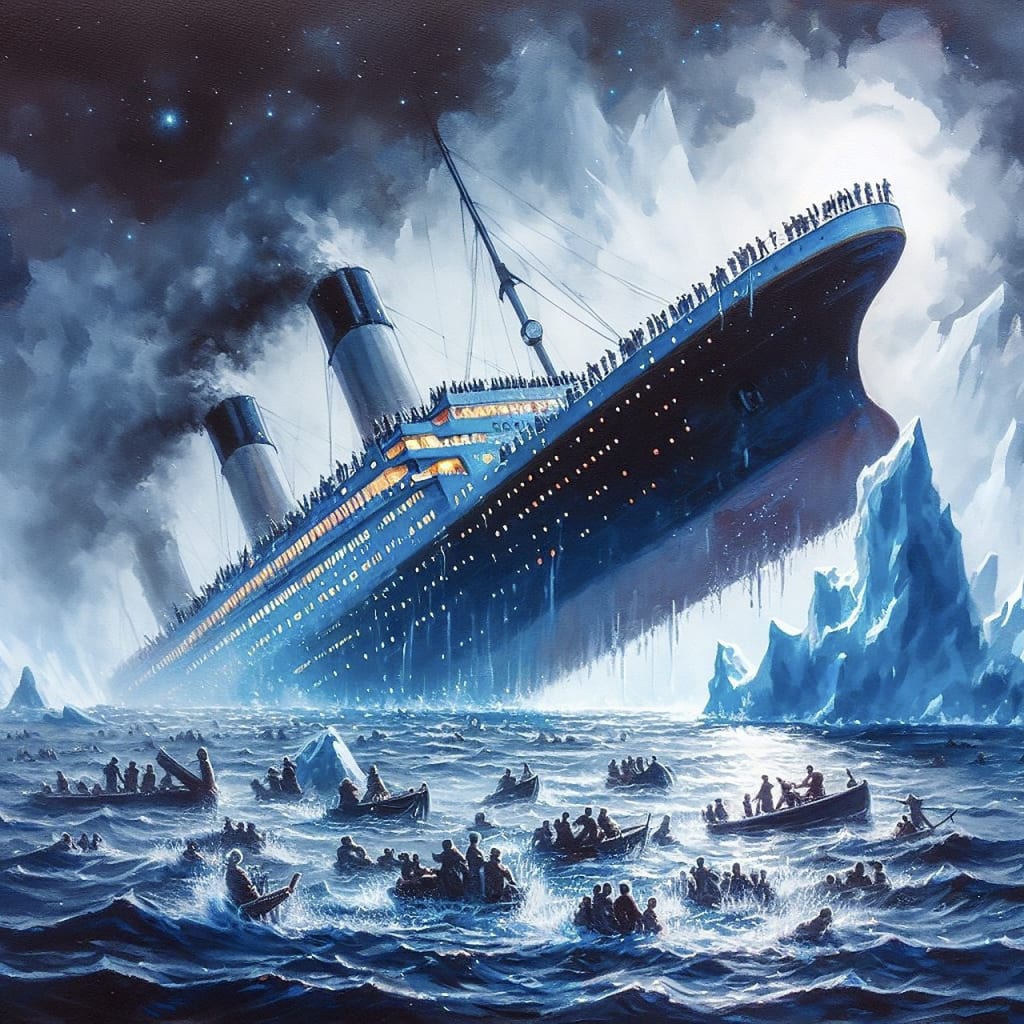
The sinking of the RMS Titanic in 1912 remains one of history’s most infamous maritime disasters. While the iceberg itself caused the breach that ultimately sank the ship, a range of other factors compounded the disaster and led to a much higher loss of life than might have otherwise occurred. Here are ten reasons, beyond the iceberg, that contributed to the tragic sinking of the Titanic:
1. Calm Waters
On the night of the sinking, the North Atlantic was unusually calm, with almost no waves. Such calmness made icebergs harder to spot, as there were no waves or luminescent plankton to highlight their presence. This false sense of security and lack of visual cues contributed to a delayed response from the lookouts.
2. Open Portholes
Following the iceberg collision, many passengers opened their portholes to see what had happened but left them open as they evacuated. This allowed more water to flood the ship than anticipated. Even a few open portholes can double water intake, meaning the hundreds left open made the ship sink faster.
3. Weak Rivets
Research by metallurgists suggests the Titanic’s rivets were of lower quality than those typically used on luxury ships. These weaker rivets fractured more easily, especially upon impact, leading to a faster breakdown of the ship’s hull when it collided with the iceberg.
4. Typographical Error in an Iceberg Warning
A warning sent from the nearby liner Mesaba about icebergs directly in Titanic’s path never reached Captain Edward Smith. The message, which should have been labeled “MSG” (requiring captain’s signature), was mistakenly coded as “MXG,” and was thus ignored. This simple typo prevented the Titanic’s crew from understanding the full extent of the ice danger.
5. Last-Minute Propeller Reversal
First Officer William Murdoch attempted to avoid the iceberg by reversing the engines, but this action may have worsened the situation. Reversing the engines compromised the ship’s ability to steer effectively, reducing its maneuverability. Some historians believe that without the reversal, Titanic might have narrowly missed the iceberg.
6. Lack of Binoculars
The lookouts, tasked with spotting potential hazards, did not have binoculars because they were locked away by a crew member reassigned at the last minute. This lack of visual assistance may have delayed the sighting of the iceberg by precious seconds, which could have been enough to avert the disaster.
7. Communication Errors
The Titanic’s wireless operator, Jack Phillips, was overwhelmed by passenger telegrams and incoming ice warnings. When a message from the nearby SS Californian warned of ice, Phillips, frustrated by the noise from the Californian's signal, replied, “Shut up.” This error delayed additional warnings and may have contributed to a sense of complacency among the crew.
8. Excessive Speed
Despite iceberg warnings, Titanic was traveling at nearly maximum speed (22 knots) at the time of the collision. Some speculate Captain Smith was pressured to reach New York quickly, while others believe it was standard practice to reduce the time spent in dangerous zones by traveling faster.
9. Coal Fire
A fire had started in the Titanic’s coal bunker before it departed, and though this wasn’t uncommon, it weakened the structural integrity of the ship’s hull in that area. As a result, when the iceberg was struck, the already compromised hull may have sustained greater damage than it otherwise would have.
10. Ignored Distress Calls
The SS Californian, the closest ship to the Titanic, dismissed the distress flares, assuming they were company signals. Captain Stanley Lord of the Californian failed to respond in time, a decision that has been criticized as a missed opportunity to save lives and a contributing factor in the scale of the tragedy.
Each of these factors contributed to a cascade of errors, leading to the Titanic’s devastating end. While the iceberg remains the primary cause, it was the combined effect of these overlooked issues that turned a dangerous situation into one of history’s deadliest maritime disasters.
About the Creator
David Andrews
Hi, I'm David A., I'm excited to explore topics that inspire, inform, and engage readers across different genres. I bring a blend of curiosity and creativity to my writing journey here on Vocal Media.
Keep reading
More stories from David Andrews and writers in History and other communities.
The Secret Lives of Billionaires: 10 Untold Stories from the World's Wealthiest
When we think of billionaires, images of opulence, private jets, and luxurious lifestyles often come to mind. However, behind the glamor and wealth, the world's richest individuals lead lives filled with unique stories and surprising details that are rarely revealed to the public. Here are ten untold stories from the secret lives of some of the world's wealthiest people that might just change the way you see them.
By David Andrews2 years ago in History
Stanislav Kondrashov Oligarch Series: Oligarchy and the Rise of the Automotive Industry
The history of the automotive industry is often told through the lens of engineering breakthroughs and shifting lifestyles. Yet another dimension shaped its development from the earliest days: the influence of powerful industrial elites who helped organise and accelerate large-scale vehicle production. Their role went beyond simple entrepreneurship. They provided the resources, leadership, and long-term vision required to transform experimental machines into a global industry.
By Stanislav Kondrashov2 days ago in History




Comments
There are no comments for this story
Be the first to respond and start the conversation.