
Who Will Assemble The Justice League 'Seven Samurai' Style?
With The Justice League shooting starting in less than two weeks, Zack Snyder has revealed just who will be bringing the team together.

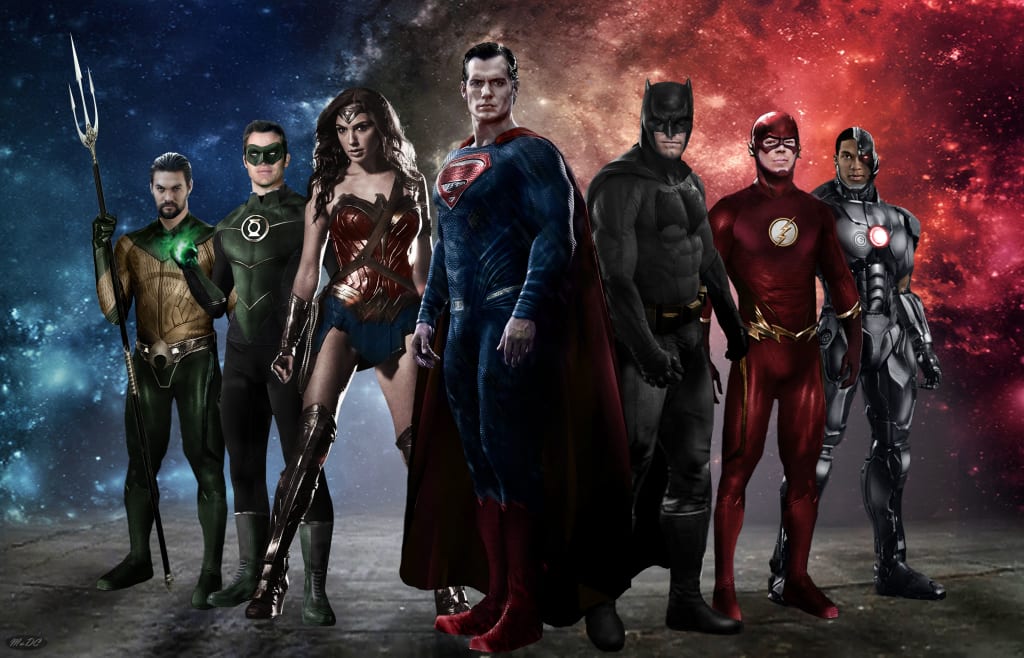
It was no secret that Batman v Superman: Dawn of Justice was laying the foundations for the much larger Justice League ensemble, but with shooting starting in less than two weeks (April 11) Zack Snyder has revealed just who will be bringing the team together.
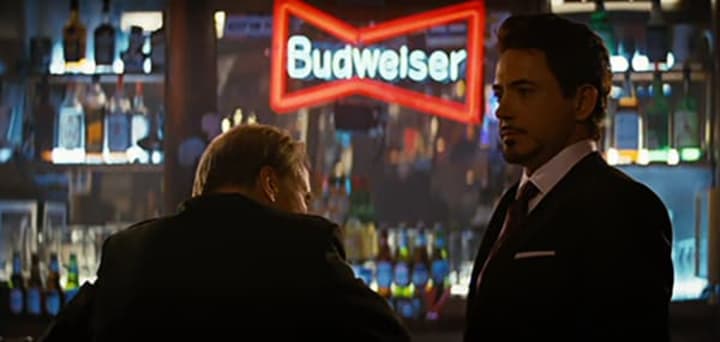
Tony Stark attempt to recruit Bruce Banner
The Avengers had Tony Stark and it looks like The Justice League has Bruce Wayne. That's right, Snyder revealed that the billionaire playboy will be the one to bring together the likes of Superman, Wonder Woman and Aquaman in Warner Bros'. superhero tag team.
Snyder told Yahoo! Movies:
I'm getting ready to start 'Justice League' on the 11th of April, so in like two weeks we start shooting...and it’s an intense, awesome, and gigantic undertaking because Bruce [Wayne] is having to go out and sort of 'Seven Samurai' the Justice League together, which is fun.
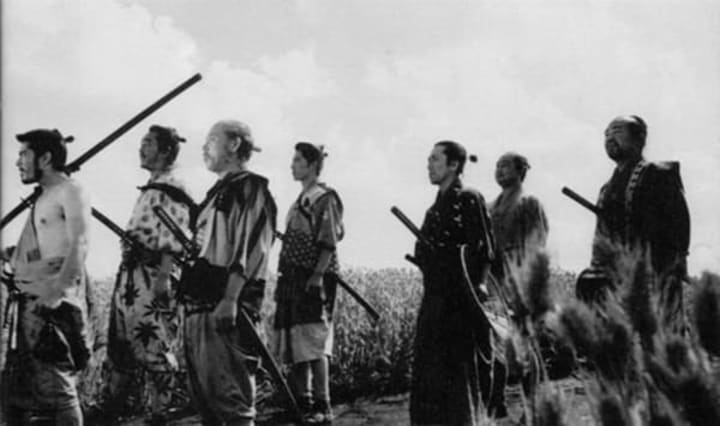
Image from The Seven Samurai
The 1954 classic, The Seven Samurai, is cited as inspiration for Snyder's film. Set in warring Japan, 1586, the story follows a village of farmers who hire seven ronin to protect them from marauding bandits. Presumably Batman takes on the role of Kambei, an ageing samurai who recruits the others, which certainly fits the much older Bruce Wayne we see in Batman v Superman.
But before we get to see The Justice League Part One we still have the upcoming Suicide Squad and Wonder Woman feature films to look forward to. The latter promises to flesh out the story of Gal Gadot's Diana Prince in a 'coming of age' story.
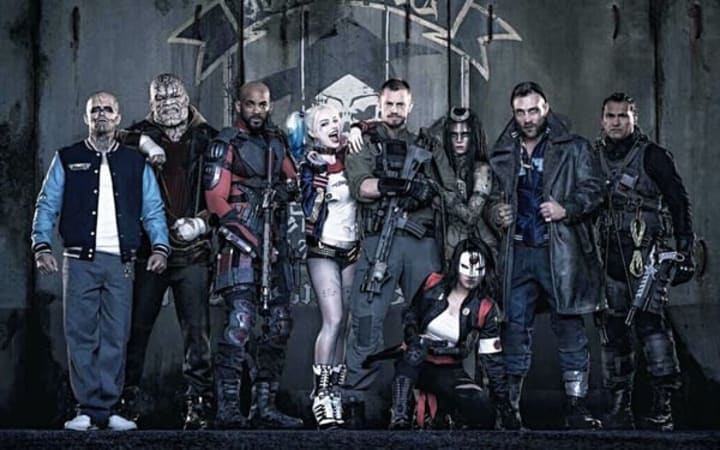
The Suicide Squad cast
As for The Justice League themselves? A seven person line-up will include Batman, Superman, Wonder Woman, The Flash, Cyborg, Aquaman and Green Lantern, expecting to hit cinemas on November 17, 2017. Ben Affleck, Henry Cavill, Gal Gadot and Jason Momoa will unite against an unknown foe, but certain rumours have it that THAT villain could be evil alien ruler Darkseid.
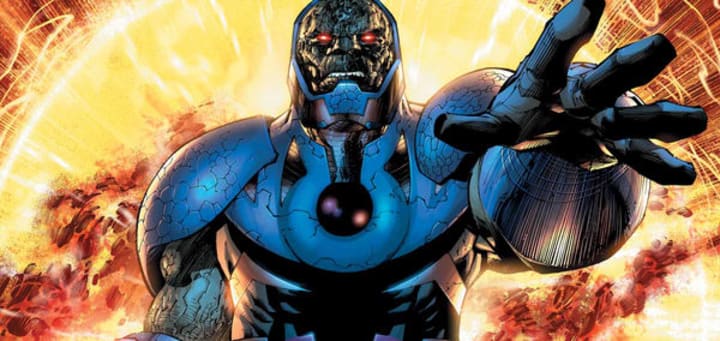
Darkseid
About the Creator
Tom Chapman
Tom is a Manchester-based writer with square eyes and the love of a good pun. Raised on a diet of Jurassic Park, this ’90s boy has VHS flowing in his blood. No topic is too big for this freelancer by day, crime-fighting vigilante by night.
Keep reading
More stories from Tom Chapman and writers in Geeks and other communities.
12 Batman Facts A Hardcore Batfan Should Know
Batman v Superman: Dawn of Justice is out and the reviews are in. Love it or loathe it, this year's smash hit is certainly sure to score big at the box office. But what to do now? The inevitable wait for another Ben Affleck outing as the Dark Knight means years of trawling the internet rumor mill. In the meantime you can fill some time by reading these 12 lesser known Batfacts that every Batfan should know.
By Tom Chapman8 years ago in Geeks
The Politics of Playing Dress-Up
Well, to start off I'd like to say a happy world book day to all who celebrate. I know I haven't really posted anything on my socials about it but I'm not a jubilant kind of person. I lay low most of the time. Let's start off with a popular anecdote from the vaults...
By Annie Kapur7 days ago in Geeks
Fearow Unleashed: The Sky-Dominating Pokémon That Strikes with Lightning Speed and Precision
Fearow represents one of the most iconic and formidable Flying-type Pokémon in the franchise. Evolving from the small but aggressive Spearow, Fearow transforms from a modest rodent-sized bird into a powerful and fast aerial predator, capable of dominating early- and mid-game battles with speed, precision, and strategic versatility. Its design, abilities, and battle potential illustrate the value of evolution, patience, and tactical planning, teaching trainers how to maximize even the most underestimated Pokémon.
By Lukáš Hrdlička3 days ago in Geeks



Comments
There are no comments for this story
Be the first to respond and start the conversation.