
Trilogy Blues
Four Ways that the Prequel Trilogy is better than the Sequel Trilogy in the Star Wars Universe

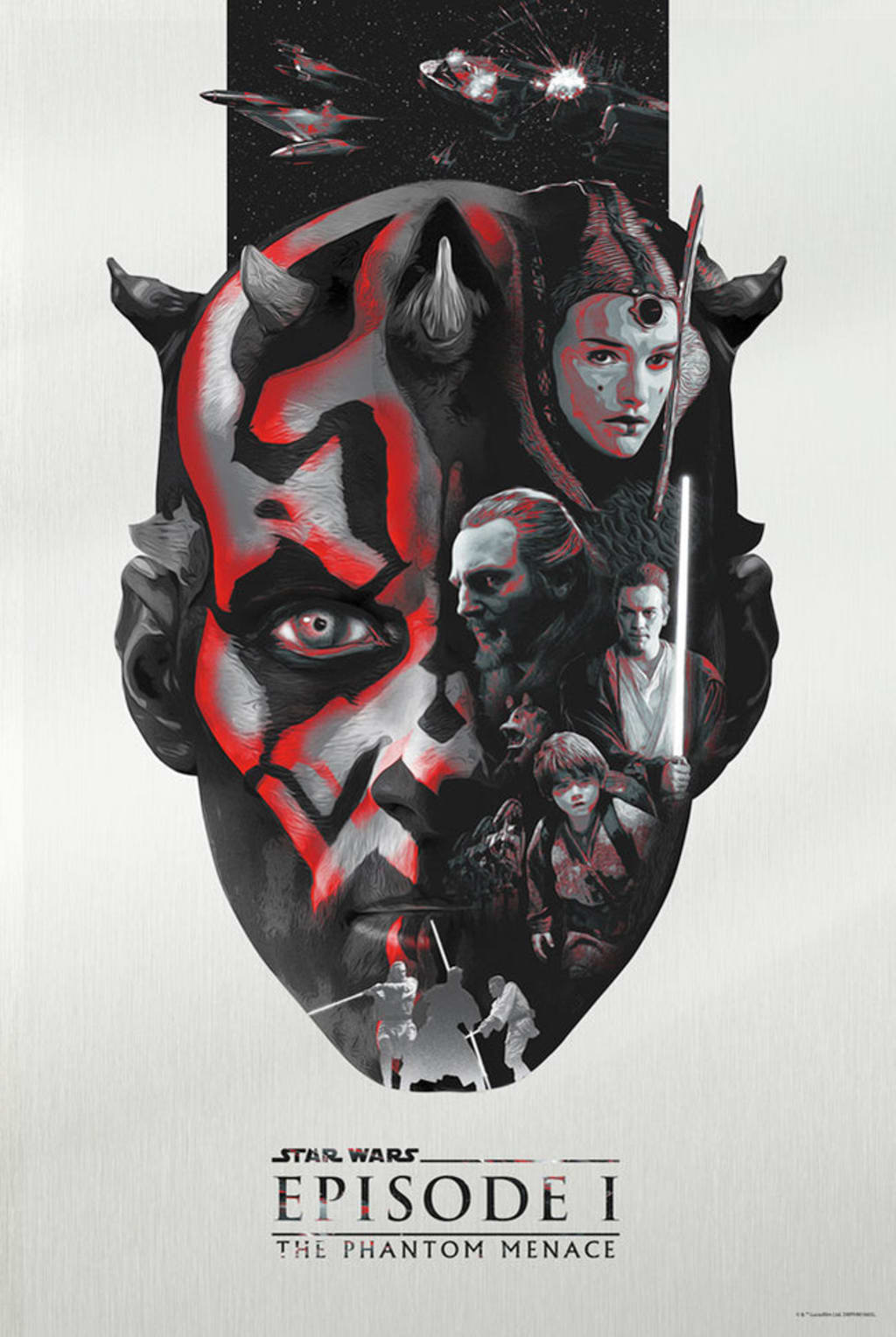
In-Depth Analysis: Why the Star Wars Prequels Triumph Over the Sequels
When I first saw Star Wars in 1977 as a small boy, I was transported to a galaxy far, far away, and it has been my first and favorite fandom ever since. The sheer wonder of that original adventure ignited a lifelong passion for the saga. Now, decades later, I’ve watched the prequels and sequels unfold, and while the sequel trilogy attempted to reignite the magic of the originals, it fell short in many ways. In contrast, the prequels, despite their flaws, remain a far more narratively and thematically rewarding experience. Through rich character development, a cohesive and intricately woven plot, expansive conceptual world-building, and an unforgettable musical score, the prequels provide a truly immersive and emotionally resonant journey. This article will explore how the prequels surpass the sequels in these four critical aspects, celebrating the artistic and narrative brilliance that makes them a standout chapter in the Star Wars legacy.

Character Development
Character development is the backbone of any compelling story. It allows audiences to form emotional connections with the characters, understanding their motivations, flaws, and growth. In this regard, the Star Wars prequels excel. The prequel trilogy charts the rise, fall, and ultimate redemption of Anakin Skywalker, offering a layered character arc that is both tragic and engaging.
Anakin Skywalker: A Tragic Descent
Anakin Skywalker’s character development is one of the most intricate and well-executed arcs in Star Wars. From his humble beginnings as a podracing slave to his eventual transformation into Darth Vader, Anakin’s fall to the dark side is both heartbreaking and believable. His internal conflict is shaped by fear of loss, attachment, and the manipulation of Darth Sidious.
In Attack of the Clones and Revenge of the Sith, we see how Anakin's distrust of the Jedi Council and his deep fear of losing Padmé cloud his judgment. His descent is gradual and layered, with each decision adding to his moral downfall. Unlike the often simplistic portrayals of villainy, Anakin’s choices are rooted in human emotions, making his story resonate with audiences.
Furthermore, the emotional weight of Anakin’s eventual transformation into Darth Vader is heightened by the relationships he forges throughout the trilogy. His friendships with Obi-Wan and Padmé, his mentorship under Palpatine, and his strained relationship with the Jedi Council contribute to the complexity of his choices. This character-driven narrative adds to the prequels’ emotional resonance.
Obi-Wan Kenobi: The Burden of Responsibility
Obi-Wan Kenobi’s character arc is another highlight of the prequels. He evolves from a determined yet inexperienced Jedi Knight to a weary mentor burdened by the consequences of his failure to save Anakin. His unwavering loyalty to the Jedi Code is tested as he watches his apprentice spiral into darkness.
The relationship between Anakin and Obi-Wan adds emotional weight to the narrative. Their climactic duel on Mustafar is not only a visually striking sequence but also a deeply personal and tragic moment. The pain in Obi-Wan’s words — "You were my brother, Anakin!" — encapsulates the heartbreak of his loss.
In contrast, the sequels struggle to provide meaningful mentorship dynamics. While Luke Skywalker’s reluctance to train Rey is explored in The Last Jedi, the inconsistent tone of his character arc diminishes the emotional impact. Without the same depth of interpersonal relationships, the sequel trilogy’s attempts at character-driven storytelling often fall flat.
Padmé Amidala: A Voice of Compassion
Padmé Amidala is portrayed as a principled leader and a symbol of hope. Her commitment to diplomacy and peace serves as a counterbalance to the growing militarization of the Republic. While her role is diminished in Revenge of the Sith, her character remains essential in reflecting the personal stakes of Anakin’s descent. Her tragic fate underscores the devastating consequences of Anakin’s choices.
On the other hand, the sequel trilogy lacks a similarly nuanced female protagonist. While Rey is positioned as the central heroine, her character development remains limited. Her internal struggles and motivations are rarely explored in depth, resulting in a less emotionally resonant journey. Additionally, the revelation of her Palpatine lineage detracts from the personal agency that defined her character in The Force Awakens.
Kylo Ren and Rey: Unfulfilled Potential
The sequel trilogy introduces characters like Kylo Ren and Rey with immense potential but inconsistent development. Kylo Ren’s internal struggle between the light and dark sides of the Force is compelling in The Force Awakens, but subsequent films fail to provide a satisfying progression. His redemption in The Rise of Skywalker feels rushed and unearned compared to Anakin’s carefully constructed downfall.
Rey, while presented as the trilogy’s central hero, lacks significant internal conflict. Her rapid mastery of the Force and minimal personal growth undermine her relatability. Additionally, the revelation of her lineage as a Palpatine feels forced and diminishes the thematic weight of her character journey.
Supporting Characters: Depth vs. Disposability
The prequels also offer greater depth to supporting characters. Figures like Mace Windu, Count Dooku, and Qui-Gon Jinn are given meaningful roles that influence the larger narrative. Their differing philosophies and decisions contribute to the overarching story of the Jedi Order’s downfall.
In contrast, the sequels struggle to develop their secondary characters. Finn, introduced as a defected stormtrooper, presents a unique perspective that is quickly sidelined. Poe Dameron’s arc lacks meaningful growth, while characters like Rose Tico and General Hux are underutilized and reduced to plot devices.
Conclusion
When comparing character development, the Star Wars prequels stand out for their emotional depth and complexity. Anakin’s tragic journey, Obi-Wan’s internal struggle, and Padmé’s unwavering resolve create a narrative that resonates long after the credits roll. While the sequels introduce promising characters, their inconsistent arcs and lack of growth prevent them from achieving the same narrative impact. The prequels’ commitment to layered storytelling and character evolution solidifies their legacy as a compelling chapter in the Star Wars saga.
Cohesive Plot
A cohesive plot ties together a narrative, providing structure and clarity. The prequel trilogy maintains a strong overarching story, chronicling the gradual corruption of the Galactic Republic and the rise of the Empire. Every major event, from the Clone Wars to Anakin’s fall, is meticulously connected to the larger narrative.
The political intrigue, manipulation by Darth Sidious, and the Jedi Order’s moral compromises add depth to the story. Each film builds upon the last, creating a seamless progression that enriches the Star Wars mythology. For example, The Phantom Menace introduces the Trade Federation’s blockade of Naboo, which serves as a catalyst for Palpatine’s rise to power. By Revenge of the Sith, Palpatine’s manipulation has resulted in the collapse of the Republic and the formation of the Galactic Empire. The thematic consistency of the prequels strengthens their overall narrative impact.
In contrast, the sequel trilogy suffers from a lack of narrative consistency. With different directors steering the story without a unified vision, the plot frequently contradicts itself. The Last Jedi disregards many of the setups from The Force Awakens, and The Rise of Skywalker undermines the developments of the previous film. The abrupt return of Emperor Palpatine, for example, lacks proper foreshadowing and diminishes the emotional stakes. The fragmented plot structure weakens the sense of continuity, making the trilogy feel disjointed.
Additionally, the sequels fail to establish a clear central conflict. While the prequels follow the Republic’s fall and the Jedi’s decline, the sequels oscillate between unresolved character arcs and underdeveloped narrative threads. The Resistance’s fight against the First Order lacks the political complexity and emotional weight of the Clone Wars, resulting in a less engaging experience.
Conceptual World-Building
The prequels expanded the Star Wars universe by introducing new planets, species, cultures, and political structures. From the bustling cityscape of Coruscant to the aquatic depths of Kamino, each world felt distinct and contributed to the narrative. Concepts like the Jedi Council, the Clone Army, and the politics of the Galactic Senate added layers of realism and complexity. The exploration of the Republic’s decline, the bureaucratic inefficiencies of the Senate, and the manipulation by Darth Sidious provided a compelling backdrop for the saga’s central conflict.
Additionally, the prequels delved into the spiritual and philosophical aspects of the Force. Qui-Gon Jinn’s belief in the Living Force, the introduction of midichlorians, and Anakin’s prophetic role added intrigue and expanded the mythos. Locations like the Jedi Temple on Coruscant and the mystical world of Mortis in The Clone Wars animated series further enriched the lore. The Clone Wars, as depicted in the animated series, also provided a deeper exploration of the complexities of war and its effect on both soldiers and civilians. The relationships between characters like Anakin, Ahsoka Tano, and Captain Rex illustrated the emotional toll of the conflict, while adding layers to Anakin’s eventual descent. In contrast, the Resistance’s struggle against the First Order in the sequels lacked the same narrative weight and moral ambiguity. The conflict remained largely black-and-white, with limited exploration of the socio-political ramifications, leaving the galaxy’s power dynamics underdeveloped. This distinction makes the Clone Wars era far more impactful and thematically resonant than the Resistance’s fight in the sequels.
In contrast, the sequels largely rely on familiar settings like desert planets and space battles without significantly expanding the universe. Planets like Jakku and Pasaana echo the aesthetic of Tatooine, offering little in the way of new visual or cultural identity. The Resistance’s bases, often makeshift and unremarkable, lack the grandeur or depth of Coruscant’s cityscape or Kamino’s watery expanse.
Canto Bight, while attempting to introduce a fresh location with its lavish casino and morally ambiguous elite, ultimately fell short due to its brief screen time and lack of narrative consequence. The opportunity to delve into the socio-economic divide of the galaxy, reminiscent of the nuanced political commentary in the prequels, was largely wasted. Even Finn’s moral awakening during the sequence is undercut by the lack of a deeper exploration of the arms dealers funding both sides of the conflict.
Moreover, the First Order and the Resistance lack the institutional complexity that made the Republic and the Separatists compelling. The sequels fail to explain how the First Order rose from the ashes of the Empire, leaving their motivations vague and their political influence unclear. In contrast, the prequels intricately depict the Republic’s descent into autocracy, showing how fear, manipulation, and corruption paved the way for the Empire’s creation. This layered world-building provides greater narrative weight, demonstrating how systemic failures contribute to the galaxy’s downfall. Ultimately, the sequels’ reliance on nostalgia-driven settings and simplified factions results in a far less immersive and thought-provoking universe compared to the prequels.
Furthermore, the sequels’ lack of political context left the galaxy feeling underdeveloped. The First Order’s origins and motivations remain vague, and the New Republic’s limited presence reduces the stakes of the conflict. Unlike the prequels’ intricate examination of the Republic’s downfall, the sequels opt for a simplified rebellion-versus-empire dynamic. This diminishes the sense of scale and consequence that made the prequels’ galaxy feel vast and lived-in.
Ultimately, the prequels’ dedication to expanding the Star Wars universe through detailed political intrigue, philosophical exploration, and cultural depth sets them apart, while the sequels’ reliance on nostalgia and limited world-building leaves a less lasting impact.
Musical Impact
John Williams’ score in the prequels introduced iconic themes such as "Duel of the Fates" and "Battle of the Heroes," which heightened the emotional impact of key scenes. "Duel of the Fates" in particular underscores the climactic battle between Qui-Gon Jinn, Obi-Wan Kenobi, and Darth Maul in The Phantom Menace, using choral vocals and intense orchestration to evoke the stakes of the moment. Similarly, "Battle of the Heroes" encapsulates the tragedy of Anakin and Obi-Wan’s duel on Mustafar in Revenge of the Sith, amplifying the emotional weight through its sweeping, operatic tones.
The prequels’ use of leitmotifs also enhances character development and narrative continuity. Anakin’s Theme, for example, subtly incorporates elements of the iconic Darth Vader theme, foreshadowing his eventual fall. "Across the Stars" serves as a romantic yet sorrowful representation of Anakin and Padmé’s doomed relationship, enhancing their emotional arc through the music.
While the sequels also benefited from Williams’ talents, they failed to introduce as many memorable themes. Rey’s Theme, while delicate and hopeful, lacks the emotional complexity of the prequel compositions. Additionally, Kylo Ren’s motif is effective in conveying his internal struggle but lacks the thematic development seen in the prequels. The reliance on nostalgic motifs from the original trilogy, such as the frequent callbacks to the Force Theme and the Imperial March, prevented the sequels from establishing a unique musical identity.
Furthermore, moments that could have been elevated by original compositions often fell flat. For example, the confrontation between Rey and Palpatine in The Rise of Skywalker lacked the musical gravitas that characterized the emotionally charged duels of the prequels. In contrast, the prequels’ willingness to experiment with choral and operatic elements brought a mythic, larger-than-life quality to key scenes, making them unforgettable.
Ultimately, the prequels’ musical landscape remains a defining aspect of their storytelling. Williams’ compositions in the prequels are not only memorable but also deeply intertwined with the narrative’s emotional core, standing as a testament to the saga’s grand operatic vision.
About the Creator
Jason McNally
The guy who did that thing with the people from the planet who were on the ship on that day in the morning...yeah, that's me! I'm a zany, creative, wicked smart geek who enjoys science fiction, hockey, and gelato, but coffee first!
Keep reading
More stories from Jason McNally and writers in Geeks and other communities.
Why the Mouse Has Failed the Jedi...
When George Lucas sold Lucasfilm to Disney in October 2012, many of the fans were stunned and even outraged that their childhood had been pawned off to the great Mouse House, but at the same time they were given the promise of a brand new trilogy which fans were skeptical at since the prequel trilogy had failed to deliver on so many levels.
By Jason McNally7 years ago in Futurism
The Rachels - 2025
Much to my surprise, I have kept a list of the films I‘ve seen this year. I daresay it isn’t complete. There will be films that snuck in on a late night in front of the TV that I would’ve forgotten to note. Or others, that I went to watch at the cinema, but then had a red wine and promptly forgotten about. But it’s not a bad approximation of the films I’ve seen this year. In total, there are 53 films listed, so an average of one a week and one for good luck.
By Rachel Robbins20 days ago in Geeks
How Lakshya hit the bullseye with The Ba***ds of Bollywood
Lakshya has no qualms admitting that he is a boring guy off set with not much happening around him. “The only fun that I have is when I prepare for characters and shoot,” says the actor, who goes only by his first name. “In the last few days, I have been trying to discover the psyche of the character I am playing. That is the exciting part for me… when I have to play a different person and live a character,” he tells Forbes India in the middle of a hectic 12-hour film shoot.
By Dena Falken Esq4 days ago in Geeks


Comments
There are no comments for this story
Be the first to respond and start the conversation.