


Metaphors That Instantly Make You Sound Wise
Metaphors have a unique power in language. They allow us to express complex ideas with simplicity and elegance, making abstract or difficult concepts relatable. The right metaphor can make a speaker seem insightful, thoughtful, and wise. It’s no wonder that philosophers, poets, and leaders throughout history have used metaphors to convey profound truths.
Metaphors speak to the mind and the heart simultaneously. They create vivid mental images that allow us to connect emotionally with an idea. But not all metaphors are created equal. Some have been overused to the point of cliché, while others remain fresh, timeless, and thought-provoking. In this article, we’ll explore a few metaphors that, when used in the right context, can instantly make you sound wiser.
1. "A candle loses nothing by lighting another candle."
This metaphor speaks volumes about generosity and sharing. A candle's flame remains undiminished when used to light another, representing the idea that helping others doesn’t take away from our own well-being. It’s a powerful image that conveys abundance over scarcity, and cooperation over competition.
In personal and professional contexts, this metaphor resonates with the idea that knowledge, kindness, or success can be shared without fear of loss. Whether mentoring someone, sharing resources, or offering a kind word, this metaphor suggests that helping others only adds to the overall light in the world. It positions the speaker as someone who understands the value of lifting others up.
2. "The water in the river flows, but the rocks remain."
This metaphor evokes the wisdom of resilience and permanence amidst the inevitable changes of life. The river symbolizes the passage of time, or life’s challenges, which are always moving and ever-changing. Meanwhile, the rocks represent the enduring elements of ourselves—our core values, our integrity, or the lessons we’ve learned.
By using this metaphor, a speaker conveys an understanding that while life brings change and upheaval, some things remain constant. It’s a gentle reminder to stay grounded and true to who you are, even as circumstances shift around you. This is a metaphor that quietly reflects deep emotional intelligence and inner strength.
3. "Don’t judge the moon by its reflection in the water."
This metaphor touches on the theme of perception versus reality. The moon reflected in water can be distorted, unclear, or broken up by the movement of the water, just as our perceptions can be clouded by bias, misunderstanding, or incomplete information. The moon itself, however, remains perfect in the sky.
This metaphor is a reminder to avoid rushing to judgment based on surface appearances. It’s a call to dig deeper, to seek the truth behind what is immediately visible, and to recognize that our initial impressions may not always be accurate. Using this metaphor positions the speaker as someone who values wisdom over haste, contemplation over impulsiveness—a hallmark of someone wise.
4. "The tree that bends with the wind survives the storm."
This metaphor speaks to the wisdom of adaptability and flexibility. A rigid tree may snap in a storm, while one that bends and sways with the wind is more likely to survive. It conveys the idea that flexibility in the face of adversity is often the best path to resilience.
In leadership, personal growth, or relationships, this metaphor suggests that it’s wise not to be overly rigid in our ways of thinking, but to remain open to change and new perspectives. It’s a reflection of emotional maturity and the understanding that survival often depends not on brute strength, but on the ability to adapt to new circumstances.
5."The mountain doesn't mind the storm."
This metaphor centers on the concept of inner peace and calm in the face of external chaos. The mountain stands tall and unbothered, while the storm rages around it. It’s an image of serenity and strength—qualities that are often associated with wisdom.
Using this metaphor communicates the idea that true wisdom is not about avoiding challenges or turmoil, but about maintaining your composure in their presence. It suggests an ability to remain centered and calm despite difficulties, projecting the image of someone who is unshakable in their core beliefs and self-assured in their place in the world.
6. "The map is not the territory."
This metaphor, popularized by philosopher Alfred Korzybski, is a reminder that our representations of reality—whether they are mental models, beliefs, or plans—are not reality itself. The map is useful, but it is a simplification of the actual territory, which is always more complex and nuanced.
This metaphor suggests a deep understanding of the limitations of human perception and the importance of remaining open-minded. It conveys wisdom in recognizing that while we may rely on our beliefs and understanding to navigate the world, it’s important to stay flexible and open to new information. It speaks to intellectual humility, acknowledging that we don’t have all the answers.
7. "A calm sea never made a skilled sailor."
This metaphor beautifully encapsulates the value of hardship and struggle in personal growth. It suggests that easy situations don’t build character, and true skill or wisdom comes from navigating life's challenges. It positions difficulty not as something to be avoided, but as an essential part of becoming more capable and resilient.
Using this metaphor implies a deeper appreciation for the learning that comes from adversity. It can be used in contexts where people are facing challenges, serving as an encouragement to embrace the rough waters as a necessary step toward growth.
Conclusion: Metaphors as Pathways to Wisdom
The metaphors we use in conversation carry weight, shaping how others perceive our thoughts and experiences. The metaphors above are not just beautiful turns of phrase; they offer insights into life’s deeper truths. When used effectively, they evoke images of patience, resilience, and understanding—qualities that instantly make the speaker appear wiser.
By mastering the art of metaphor, you can not only elevate your communication but also inspire others to think more deeply about the world around them. And perhaps most importantly, metaphors can help you express complex ideas in ways that resonate on an emotional and intellectual level, making wisdom accessible and relatable to everyone.
About the Creator
A Knight of the Seven Kingdoms Series Review (Season 1)
As one of the biggest properties in fantasy, A Song of Ice and Fire remains immensely popular with audiences. After reaching far into the past with House of the Dragon, a second spin-off was on the cards. A Knight of the Seven Kingdoms serves up a bite-sized slice of action and drama, but it still claims a spot among the best small-screen titles.
By Robert Cain6 days ago in Geeks
SpongeBob Reviews
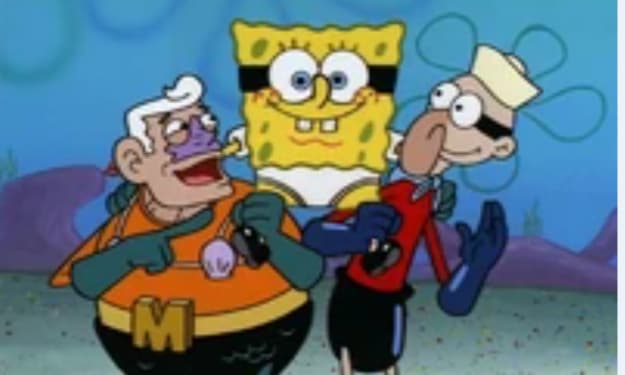
The episode “Mermaid Man and Barnacle Boy 2” unfurls like a bright‑sanded postcard, its opening sequence glinting with the pastel hues of a sun‑drenched Bikini Bottom morning as SpongeBob triumphantly claims a mystical conch shell that he won as part of a contest. The moment the shell reverberates with a low, resonant chime, the narrative vaults from the ordinary to the heroic, propelling our earnest fry‑cook into the glittering realm of his childhood idols. The writing cleverly balances nostalgic reverence for the retired super‑duo with a fresh, kinetic energy that feels both lovingly familiar and startlingly new; every splash of water, every burst of kelp‑filled laughter is rendered with such vivid detail that the audience can almost taste the salty breeze wafting through the coral‑lined streets of Mermaid Man’s secret hideout. This meticulous world‑building forms the sturdy backbone upon which the episode’s comedy and heart will later flourish.
By Forest Green4 days ago in Geeks
Review of 'Man on the Run'
My wife and I saw Man on the Run, a nearly 2-hour documentary on Amazon Prime, about Wings, Paul McCartney's group that flew around the world from shortly after The Beatles broke up in early 1970 to shortly after John Lennon was murdered at the end of 1980, making a Beatles reunion forever impossible.
By Paul Levinson5 days ago in Beat



Comments
There are no comments for this story
Be the first to respond and start the conversation.