
The Role of Computer Vision in PPE Detection to Enhance Workplace Safety
Employing sophisticated image processing, computer vision systems are able to analyze live video feeds or images of a scene in order to check whether or not the worker is donning personal protective equipment that is needed at the job site.
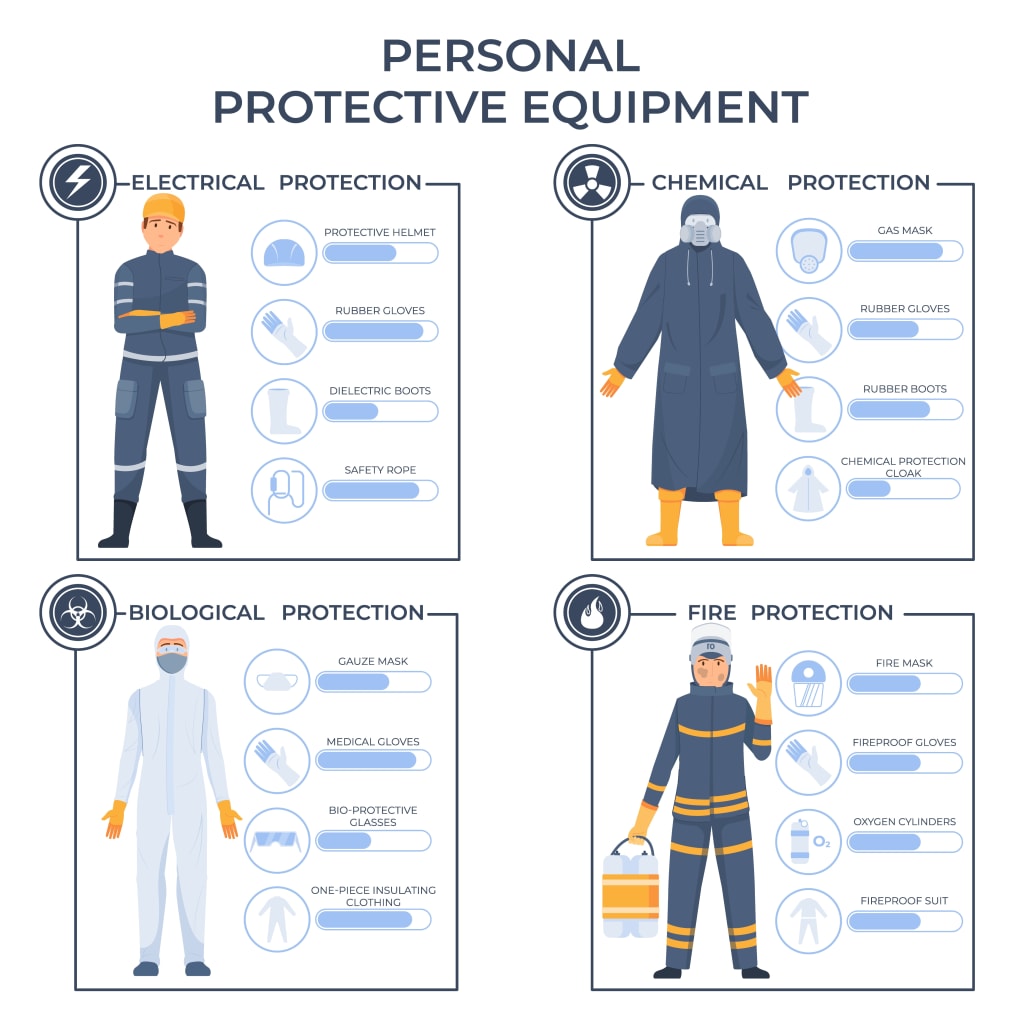
In high-risk environments, the safety of workers largely depends on Personal Protective Equipment. The problem lies in ensuring all employees strictly adhere to the PPE protocols at all times. It often goes unenforced because of inadequate supply, poor fit, or simply forgetting to wear it. Computer vision applied to detecting PPE has become a highly effective tool, converting manual monitoring into automated real-time supervision for safety compliance. This would not only improve the safety standards by indicating violations in time but also contribute to an organization's general safety ambitions through data-based insights that can be seamlessly merged with existing systems. In this article, you will get to know a detailed explanation of PPE, its detection, and the features of implementing computer vision for PPE detection.
What Is PPE?
PPE stands for Personal Protective Equipment, which refers to specialized clothing designed to protect workers from hazards in their workplace. Personal protective equipment primarily includes gloves, masks, safety goggles, helmets, footwear, etc. These types of equipment are essential for many industries, such as healthcare, construction, manufacturing, etc. These are working environments where workers may encounter physical, chemical, biological, or radiological risks. PPE is tailored to provide specific protection based on potential dangers for various workplaces.
The use of personal protective equipment is crucial in terms of safety standards and avoiding injuries or illnesses. PPE reduces the chance of exposure to harmful substances or dangerous situations by providing a barrier between the worker and the potential hazards. Proper training on the correct use and maintenance of PPE are also very important to make it effective and maximize safety for the workers.
Issue In PPE Compliance
Violation of PPE can greatly impact the safety and health at the workplace. The most common issues that an organization often faces are:
Inadequate Training and Awareness: Employees may not have adequate training on why wearing PPE is necessary, how to properly use it, and what specific hazard the PPE is supposed to address. This can lower a worker's chances of strictly adhering to the prescribed PPE.
Inadequate Supply of PPE: Inconsistency in worker use arises from organizations' inadequate supply of PPE. This may occur when a supply chain and/or budget constraint prevents some individuals from receiving PPE while working.
Comfort and fit: PPE that causes an employee discomfort or is ill-fitting may deter its consistent use. When PPE is uncomfortable or interferes with movement, employees tend to take it off at work, which increases their exposure to some hazards.
Management Support: If management does not commit to PPE, a culture may develop where safety is not considered. When leaders do not model safe behavior and do not require compliance, employees are less likely to follow PPE rules.
Lack of Understanding of Industry Regulations: Many employees fail to understand the regulations set by the industry regarding PPE use. This causes them to not follow and use the equipment appropriately, which again undermines the whole safety setup.
Resistance to Change: Employees may also resist changes in the PPE requirements or alteration in already existing procedures, which they may feel are pointless or too hectic. To overcome this resistance, an effective communication and engagement strategy must be put in place.
The identified issues need to be addressed to improve PPE compliance, thus creating a safer work environment. Organizations must invest in training programs, supply ample equipment, and ensure the entire culture of the organization encourages safety so that PPE compliance improves.
PPE Detection With Computer Vision
Computer vision is used in several work environments to monitor PPE compliance and can really improve compliance as it allows for automatic monitoring. Employing sophisticated image processing, computer vision systems are able to analyze live video feeds or images of a scene in order to check whether or not the worker is donning personal protective equipment that is needed at the job site. With real-time analysis, the organization will be able to identify potential non-compliance and respond to safety concerns before the accident, ensuring a safe workplace.
Moreover, computer vision allows for PPE compliance to help avoid excessive reliance on hand monitoring, which is time-consuming and also likely to be affected by human error. Thus, it allows organizations to track compliance across teams and locations when very large to ensure that safety protocols are followed consistently within the organization. Such practice not only ensures a safety culture but also provides invaluable data that the organizations may use to improve training and awareness of specific PPE requirements.
Key Features of PPE Detection With Computer Vision
Real-Time Monitoring: Computer vision systems enable the constant analysis of live video feeds from cameras installed in work environments. In this way, organizations can ensure immediate compliance and safety by assessing if workers are wearing the needed personal protective equipment as they move around the area. This real-time capability prevents accidents and maintains a safe workplace since violations can be addressed instantly.
Automated Alerts: Computer vision systems may be programmed to alert automatically when a non-compliance situation for PPE is detected. For instance, when a worker is entering a hazardous area with no helmet and safety goggles, the system will alert safety personnel to intervene with corrective actions immediately. This approach to safety minimizes the occurrence of injury.
High Accuracy: Using advanced machine learning algorithms like CNNs, the system achieves high accuracy in detecting PPE in helmets, gloves, and masks. False positives and false negatives are maintained at the minimum levels for the organization to rely on the assessment given by the system.
Data Logging and Reporting: The PPE detection systems can capture automatic logs of compliance and non-compliance instances, generating detailed reports that can then be used for safety audits and compliance assessments. As a result, this shall help organizations gain valuable insights that could be useful in identifying future areas that may require increased training or reinforcement of related safety protocols.
Integration with Other Systems: Computer vision solutions generally fit well within other already-established surveillance systems, access control, or safety management systems. Organizations may incorporate such computer vision solutions and consequently strengthen their overall safety strategies without significant changes to existing infrastructures, thereby saving cost.
Scalability: The PPE detection systems are designed highly scalable. This makes it easy to monitor at a number of different sites or facilities at once. It is one of the benefits that has particularly been useful to large organizations that are dispersed in various regions because they maintain the same consistency in compliance with PPE at any given environment. With this, the organizations are able to enhance the safety level while at the same time monitoring various sites.
Conclusion
In the high-risk sectors, PPE is crucial to protect individuals from possible risks. However, it remains a good initiative that meets with a lot of compliance issues that water down its efficiency. With the help of Computer vision services for PPE detection, workplace safety can be improved from a surprise checking point of view, and human errors can be minimized. Real-time monitoring, automated alarms, and comprehensive record-keeping enhance a sound safety culture in organizations. Furthermore, it is adaptable to the currently established systems, making it a more efficient and affordable solution. Adopting computer vision for detecting PPEs is not only about maintaining safety standards but also about providing significant insights into ongoing risk assessment and compliance.
About the Creator
Khushbu Somaiya
I'm passionate about how technology keeps changing the world around us. I am passionate about writing about web development and related technologies with easy understanding, and committed to share my knowledge with excellent content.
Keep reading
More stories from Khushbu Somaiya and writers in Geeks and other communities.
The Role of Computer Vision in Overcoming Business Challenges
As the world is constantly changing and developing more and more quickly, it is crucial to stay ahead. As technologies continue to emerge, various industries undergo frequent changes that demand significant changes and shifts. Businesses are presented with the challenge of not only increasing productivity but also increasing overall precision and decision-making capabilities.
By Khushbu Somaiyaabout a year ago in Geeks




Comments
There are no comments for this story
Be the first to respond and start the conversation.