
The Rise of Smart Home Ecosystems
A Story of Convenience, Control, and Conscious Living
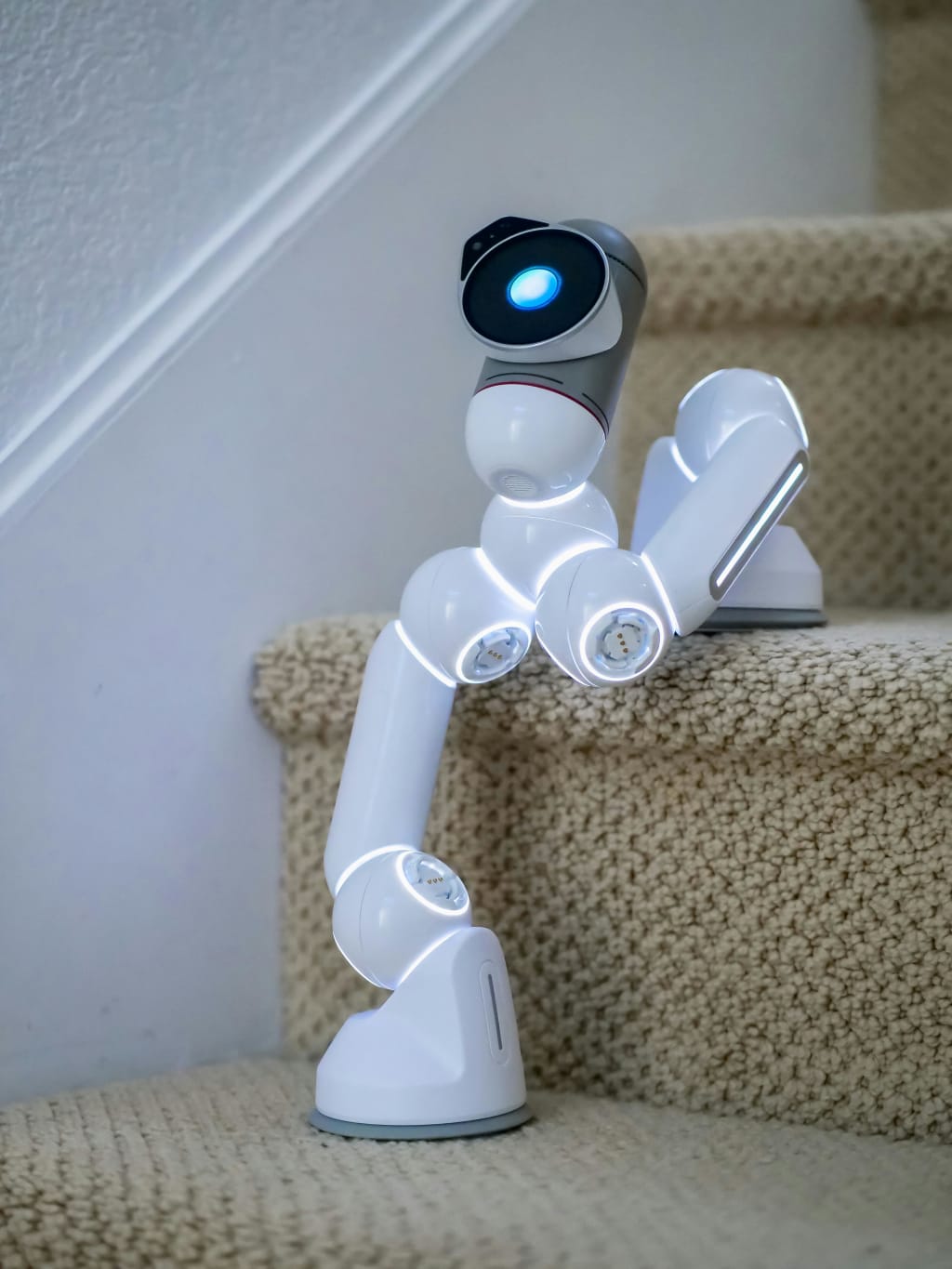
In just over a decade, the concept of a “smart home” has evolved from a futuristic novelty to a mainstream aspiration. What began as individual devices—like smart thermostats and voice-activated assistants—has matured into fully integrated smart home ecosystems that redefine how we interact with our living spaces. This story explores the rise of these ecosystems, their driving forces, challenges, and what the future holds for connected living.
A New Era of Living: The Foundations of Smart Homes
The smart home revolution began with standalone innovations: a thermostat that learns your behavior (Nest), a voice assistant that could play music or answer trivia (Amazon Echo), and smart lights that could change color and brightness with a tap of your phone (Philips Hue). These were marvels of convenience, but they operated largely in isolation.
As consumer adoption grew, the tech industry realized the real value wasn’t in individual devices, but in how they could work together—creating an ecosystem where devices communicate, learn from user habits, and operate harmoniously. Thus began the era of the smart home ecosystem.
Tech Titans Enter the Arena
The ecosystem model sparked a technological arms race. Amazon, Google, Apple, and Samsung quickly vied for dominance, each creating their own smart home platforms:
Amazon Alexa became the hub of Echo devices, Ring security products, and thousands of third-party integrations.
Google Home (now Google Nest) leveraged the power of Google Assistant, Nest devices, and AI-driven automation.
Apple HomeKit offered a more privacy-focused, iOS-integrated ecosystem with Siri as the interface.
Samsung SmartThings aimed for device-agnostic integration, promoting openness and compatibility across brands.
The strategy was clear: the more devices a user had from one ecosystem, the more seamless their experience—and the harder it became to switch platforms.
Interoperability and the Birth of Matter
While these ecosystems made life easier for users who stayed within a brand, they created frustrations for those who didn’t. A smart door lock from one brand might not talk to a security camera from another. The dream of true home automation remained fragmented.
Enter Matter, a universal smart home standard introduced by the Connectivity Standards Alliance (CSA), backed by the major players. Matter promised to fix the compatibility issue, allowing devices from different ecosystems to work together seamlessly, securely, and locally without relying on the cloud.
With Matter gaining traction in 2023 and 2024, consumers finally began to experience the unified smart home that had long been promised.
Beyond Convenience: Smart Homes Get Smarter
Today’s smart home ecosystems do more than adjust lighting and temperature. They are intelligent systems that learn routines, anticipate needs, and enhance safety and efficiency:
Energy Management: Smart thermostats, solar panels, and energy-monitoring outlets help reduce waste and cut costs.
Home Security: Integrated cameras, motion sensors, and smart locks provide 24/7 peace of mind.
Health & Wellness: Air quality monitors, circadian lighting, and sleep-tracking devices contribute to well-being.
Accessibility: For the elderly or disabled, smart homes offer independence through voice control, automation, and remote monitoring.
Moreover, with AI integration, these systems can now predict when to turn off forgotten appliances, suggest energy-saving tips, or even detect unusual behavior patterns to alert homeowners.
Challenges: Privacy, Data, and Over-Reliance
Despite their benefits, smart home ecosystems are not without challenges. Privacy remains a significant concern, especially as more intimate data—like daily routines, voice recordings, and health indicators—flows through cloud servers.
Cybersecurity is another risk, with connected devices increasing the attack surface for hackers. A single unpatched device can be an entry point for more serious intrusions.
There’s also the risk of over-reliance. When smart systems fail—whether due to power outages, connectivity issues, or bugs—homes can become less functional or even vulnerable. And with so much personal data tied to accounts, switching ecosystems can be a technical and emotional hurdle.
The Future: Ambient Intelligence and Predictive Homes
Looking ahead, the rise of ambient intelligence—where homes not only respond to commands but anticipate them—marks the next frontier. Imagine a home that gradually warms your shower based on your wake-up habits, dims lights as you wind down, or plays calming music when it senses stress through wearables.
Voice control will evolve into multimodal interaction: gestures, eye tracking, presence detection, and brain-computer interfaces may all play a role.
As AI models become more advanced and edge computing reduces reliance on cloud infrastructure, homes will become even more autonomous, intuitive, and secure.
Conclusion: A Shift in Lifestyle and Mindset
The rise of smart home ecosystems reflects a broader societal shift: one where technology is not just a tool, but a partner in daily life. As ecosystems become more open, intelligent, and responsive, the line between home and machine blurs.
For many, this represents the pinnacle of modern convenience. For others, it raises questions about privacy, control, and human dependency on machines. But one thing is certain—the smart home isn’t just the future. It’s already here, and it’s getting smarter by the day.
About the Creator
Keep reading
More stories from writers in Geeks and other communities.
Book Review: "The Queen" by Andrew Morton
You're probably wondering why on earth I would read this book. It was free and it was a fair length. That was basically it at first. But another reason is because I enjoyed the show The Crown and so, it only makes sense to read a book that goes through separating facts from fictions - and to be fair, there aren't a lot of fictions about the show it seems. From the birth of the little princess and the way in which her father was reluctantly to become the king, all the way to meeting and marrying the veteran prince, Duke of Edinburgh and even down to the death of her father, queendom and beyond, this book actually gives us a lot about a woman who basically embodied the greatness and modernisation of the British 20th Century.
By Annie Kapur7 days ago in Geeks
The Duelist
The rays of a dying red sun flashed against the onrushing blade. The grey beards say the key to dueling lies in size, speed, reach, righteous fury, whatever the person in front of them pays them to say. Matteo knew better than any it was none of these and had an undefeated record on these sands to prove it.
By Matthew J. Frommabout 14 hours ago in Fiction




Comments
There are no comments for this story
Be the first to respond and start the conversation.