
The history of comic books
Comic books, or graphic novels, have played a vital role in popular culture for nearly a century.

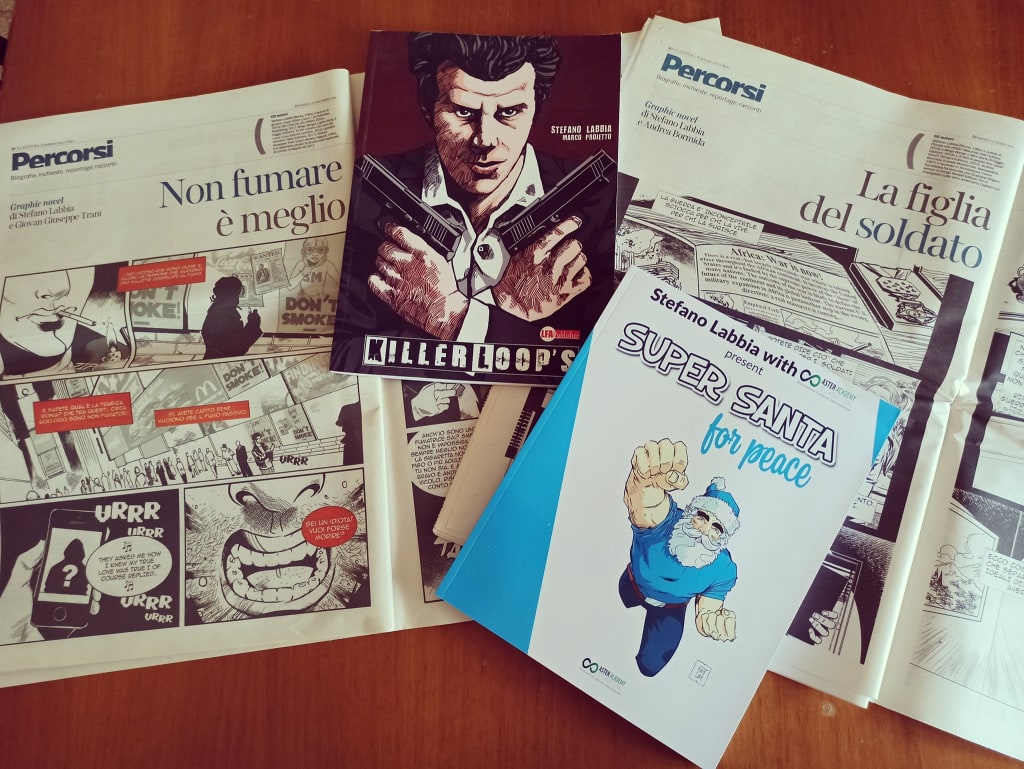
Comic books, or graphic novels, have played a vital role in popular culture for nearly a century. The fusion of art, storytelling, and imagination has captivated audiences of all ages. In this comprehensive exploration, we will delve into the extraordinary history of comic books, tracing their origins, evolution, and ultimate rise as a global phenomenon.
The birth of comic strips can be traced back to the late 19th century when sequential narratives began appearing in newspapers and magazines. Renowned artists such as Richard F. Outcault and Winsor McCay pioneered the art of comic strips, introducing memorable characters like The Yellow Kid and Little Nemo in Slumberland. These early pioneers paved the way for the development of an entirely new medium.
The 1930s witnessed the emergence of the first standalone comic books, with the debut of Superman in Action Comics #1 heralding the age of superheroes. This became known as the Golden Age of comic books. During this era, iconic characters like Batman, Wonder Woman, and Captain America were introduced, capturing the imaginations of millions and establishing the foundation for the medium's success. The Golden Age of comic books set the stage for the enduring popularity of superheroes in today's culture.
In the 1950s, concerns over the content of comic books led to the establishment of the Comics Code Authority, a self-regulatory organization that effectively censored much of the storytelling. This period, known as the Silver Age, was marked by stricter guidelines and a focus on more wholesome content. However, it also witnessed a resurgence in popularity with the rise of Marvel Comics and the creation of beloved characters such as Spider-Man, the Fantastic Four, and the X-Men. Despite the limitations imposed by the Comics Code Authority, creative storytellers found ways to push boundaries and engage readers.
The 1980s and '90s marked another significant shift in the industry as independent creators and publishers began challenging the dominance of the mainstream. Works like Alan Moore's "Watchmen" and Frank Miller's "The Dark Knight Returns" pushed the boundaries of storytelling, exploring darker and more mature themes. The success of these groundbreaking works opened the door for non-traditional storytelling and paved the way for more diverse voices in the medium.
The turn of the millennium brought about a transformative period for comic books. Digital distribution platforms and webcomics allowed creators to reach wider audiences, breaking down geographic and financial barriers. Innovations in printing technology also brought higher quality artwork to the page, enhancing the visual experience for readers. This era saw the rise of graphic novels as critically acclaimed works, gaining recognition in literary circles.
The history of comic books is a testament to the power of imagination and creativity. From their humble beginnings as comic strips to becoming a global phenomenon, these illustrated narratives have left an indelible mark on popular culture. The ever-evolving nature of the industry ensures that comic books will continue to captivate audiences for generations to come, pushing boundaries and telling stories that resonate with readers from all walks of life. As the medium continues to evolve, it will undoubtedly bring new voices and perspectives to the forefront, further enriching the art form. The future of comic books is bright, promising a continued legacy of artistic expression and storytelling brilliance.
About the Creator
Shelby Mallory
As a native of Alaska, I have developed a deep appreciation for the diversity and richness of cultures from all around the world.
Keep reading
More stories from Shelby Mallory and writers in Geeks and other communities.
How in the last decade superheroes comics has changed
Over the past decade, the world of superhero comics has undergone an exceptional metamorphosis that has reshaped the industry as a whole. With the rise of cinematic universes, innovative storytelling techniques, and a diverse range of characters, the landscape of superhero comics has been completely transformed. In this article, we aim to explore the significant changes that have shaped the industry over the last ten years, delving into the impact these trends have had on both creators and audiences.
By Shelby Mallory3 years ago in Geeks
The Politics of Playing Dress-Up
Well, to start off I'd like to say a happy world book day to all who celebrate. I know I haven't really posted anything on my socials about it but I'm not a jubilant kind of person. I lay low most of the time. Let's start off with a popular anecdote from the vaults...
By Annie Kapur4 days ago in Geeks
FOX Marvel Power Rankings
The world of the X-Men isn’t built on clean heroism — it’s shaped by evolution, prejudice, and power spiraling out of control. Mutants aren’t just gifted; many are walking weapons capable of leveling cities, bending reality, or wiping out entire armies. Some dominate through raw destructive force, others through psychic mastery, regeneration, or calculated manipulation — but only a select few rise to the top of the mutant hierarchy.
By Top Ranked6 days ago in Geeks
Who is your "Person"?
It's important to recognize that you cannot go through life as easily on your own. My name is Elizabeth and I'm a survivor of child abuse and horrific trauma. Healing from trauma is not a quick fix and recognizing that it will take time, is part of the struggle.
By Elizabeth Woods7 days ago in Psyche


Comments
There are no comments for this story
Be the first to respond and start the conversation.