
The Driver's Seat by Muriel Spark
Why It's a Masterpiece (Week 50)

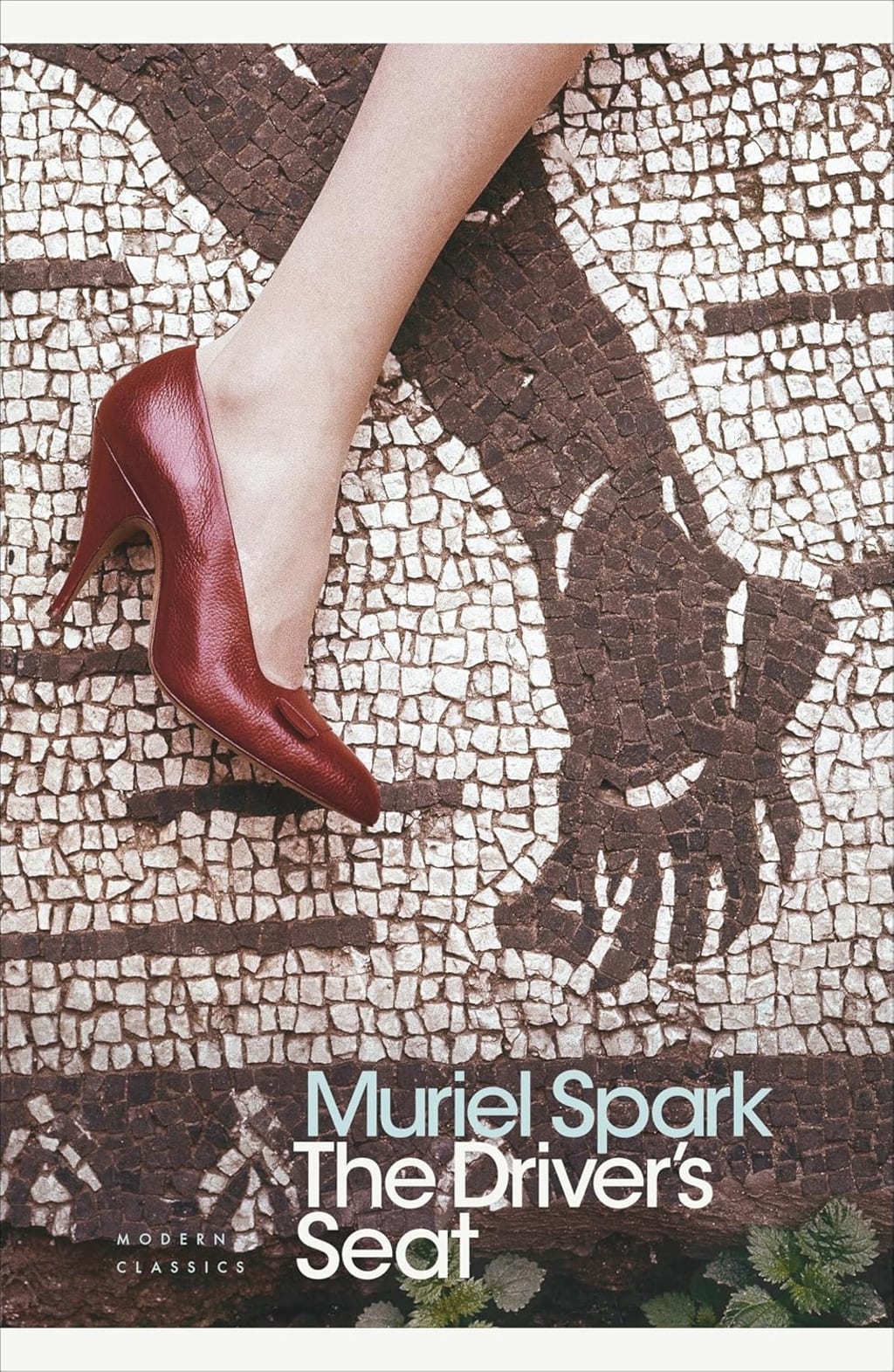
Note: This is not an opinion article, it is analysis. If you would like to read my review then click here.
This book was written by the acclaimed Scottish author Muriel Spark and published in 1970. The novella marked a distinctive entry in Spark's impressive literary career, notable for its departure from traditional narrative styles and its exploration of darker themes. The author, known for her sharp wit and keen psychological insights, delved into the psychological thriller genre with this work, creating a story that is both compelling and disturbing.
The novella was well-received upon its release, praised for its brevity, intensity, and Spark's masterful command of language. "The Driver's Seat" is a taut, chilling exploration of self-destruction and control, set against the backdrop of an unnamed European city. The author's innovative storytelling and her ability to delve into the complexities of human psychology made "The Driver's Seat" a significant contribution to contemporary literature. The novella was later adapted into a film, further cementing its place in the cultural canon. Today, it remains a powerful example of her literary prowess and her ability to engage with the darker aspects of the human experience.
Plot

"The Driver's Seat" follows the story of Lise, a seemingly ordinary woman who embarks on a journey that quickly reveals itself to be anything but normal. Lise, who works in an office and lives alone, takes a holiday to an unnamed southern European city. From the outset, her behaviour is erratic and unsettling. She chooses an unflattering, garish outfit for her trip and interacts with others in an abrasive, unpredictable manner.
As Lise travels, it becomes evident that she is searching for someone specific. Her interactions with strangers are cryptic and often disturbing. She meets various characters, including a businessman, a student, and an elderly woman, each encounter heightening the sense of unease. Lise's erratic behaviour escalates; she vacillates between moments of extreme confidence and vulnerability.
Throughout the novella, Spark employs a non-linear narrative, revealing pieces of information that slowly coalesce into a chilling picture. Lise’s actions suggest she is orchestrating her own demise, meticulously planning each step towards a fatal encounter. Her search culminates in meeting a man named Richard, whom she seems to have selected as her murderer. The climax of the novella is both shocking and inevitable; Lise's death is the result of her own intricate, macabre design.
Spark’s narrative deftly plays with the reader’s expectations, subverting typical thriller tropes. The psychological depth of Lise’s character is portrayed with unsettling clarity, making "The Driver's Seat" a gripping and thought-provoking read. The novella’s brevity only amplifies its impact, leaving a lingering sense of unease and prompting deep reflection on themes of control, identity, and the nature of self-destruction.
Into the Book

One of the central themes in "The Driver's Seat" is control, particularly the paradoxical control Lise exerts over her own fate. Despite appearing erratic and unstable, Lise meticulously orchestrates the events leading to her death, demonstrating a chilling form of self-control. This theme is evident when Lise rejects the possibility of surviving a plane hijacking, as if she is determined to direct her fate without external interference. Spark writes, "I am not afraid of hijackers. You can die just as easily of the common cold". This statement underscores Lise's preoccupation with controlling her own destiny, even in the face of random events.
Lise's interactions with others further illustrate this theme. She exerts power over the people she meets, manipulating them into playing roles in her final act. Her relationship with Richard epitomises this dynamic. Lise's calculated seduction and subsequent domination of Richard highlight her desire to control the narrative of her life and death. Spark’s narrative technique, revealing Lise’s intentions in a fragmented manner, enhances the reader's understanding of her need for control. This theme of control is interwoven with Lise’s psychological complexity, making her both a victim and a director of her demise.
“I never trust the airlines from those countries where the pilots believe in the afterlife. You are safer when they don't.”
- The Driver's Seat by Muriel Spark
Identity and alienation are also pervasive themes in "The Driver's Seat," as Lise’s journey reflects a profound crisis of self. Lise's erratic behaviour and her deliberate choice of an outlandish outfit suggest a rejection of societal norms and an attempt to assert a unique identity. Her statement, "I have lost my place", signifies a deeper existential displacement, a sense of not belonging within the conventional structures of society.
Lise's interactions with others often highlight her alienation. She appears disconnected, her conversations laden with non-sequiturs and abrupt changes in tone. This alienation is not merely social but deeply personal. Lise's search for a murderer can be interpreted as a search for an identity, albeit a destructive one. In orchestrating her death, she seeks a final, definitive role – the victim of a premeditated crime. This theme of identity is poignantly explored through Spark's portrayal of Lise’s internal turmoil and her external dissonance with the world around her.
“He turns a page of his newspaper and folds it conveniently for reading, and reads it without looking at her again, settling further into his seat with the slight sigh of one whose visitor has left and who is at last alone.”
- The Driver's Seat by Muriel Spark
The theme of self-destruction is central to "The Driver's Seat," embodied in Lise's meticulously planned journey towards death. From the outset, it is clear that Lise is not merely seeking a holiday but orchestrating a fatal conclusion. Her purchase of a brightly coloured, impractical outfit and her interactions with strangers are part of a larger plan to engineer her own demise. This theme is vividly illustrated in the scene where Lise meets Mrs. Fiedke and declares, "I am not mad. I'm looking for someone. I have a plan". This statement reveals Lise’s fatalistic approach to her journey, a meticulous plan that leads inexorably to her death.
The narrative structure, revealing the outcome early in the story, reinforces the fatalistic theme. The reader is aware of Lise's impending death, creating a sense of inevitability that mirrors Lise’s own acceptance of her fate. The novella's title, "The Driver's Seat," metaphorically signifies Lise’s control over her journey towards self-destruction. She is in the driver's seat, directing the course of her life towards its tragic end.
Spark's portrayal of Lise’s self-destructive path is both disturbing and compelling. Lise's actions challenge the reader to consider the psychological underpinnings of self-destruction and the complex interplay between agency and fate. Her journey is a poignant exploration of the human capacity for self-destruction, a theme that resonates deeply with contemporary concerns about mental health and existential despair.
“It's a whydunnit in q-sharp major and it has a message: never talk to the sort of girls that you wouldn't leave lying about in your drawing-room for the servants to pick up.”
- The Driver's Seat by Muriel Spark
Why It's a Masterpiece

"The Driver's Seat" is considered a masterpiece for several reasons. Firstly, Muriel Spark's masterful narrative technique, blending psychological depth with a fragmented, non-linear structure, creates a compelling and unsettling reading experience. Spark's ability to delve into the complexities of Lise’s character, portraying her as both a victim and an orchestrator of her fate, adds a profound psychological dimension to the novella.
Secondly, the novella's exploration of dark and disturbing themes such as control, identity, and self-destruction is both bold and thought-provoking. Spark's portrayal of Lise’s journey towards death challenges conventional narrative tropes, subverting expectations and prompting deep reflection on the nature of human agency and fate.
Additionally, the novella's brevity enhances its impact. Spark’s concise, precise prose and the novella’s tight narrative structure create a sense of urgency and intensity, making "The Driver's Seat" a powerful and unforgettable read. The novella's themes are universally resonant, addressing fundamental aspects of the human condition that continue to be relevant today.
Finally, "The Driver's Seat" stands out for its innovative approach to storytelling. Spark’s use of foreshadowing and her manipulation of time and perspective create a narrative that is both enigmatic and revelatory. This innovative style has influenced subsequent writers and solidified Spark’s reputation as a literary innovator.
Conclusion

We still read "The Driver's Seat" today because its themes are timeless and its narrative structure is innovative and engaging. Muriel Spark’s exploration of control, identity, and self-destruction resonates with contemporary readers, offering profound insights into the human psyche. The novella's brevity and intensity make it a powerful and thought-provoking read, demonstrating the author's literary genius and her ability to engage with the darker aspects of the human experience.
Next Week: We Have Always Lived in the Castle by Shirley Jackson
About the Creator
Annie Kapur
I am:
🙋🏽♀️ Annie
📚 Avid Reader
📝 Reviewer and Commentator
🎓 Post-Grad Millennial (M.A)
***
I have:
📖 280K+ reads on Vocal
🫶🏼 Love for reading & research
🦋/X @AnnieWithBooks
***
🏡 UK
Keep reading
More stories from Annie Kapur and writers in Geeks and other communities.
Book Review: "The Choice Factory" by Richard Shotton
Well, yes I'm back to reading about the amount of choice we have in the modern world and how advertisers are harnessing our attention. I've read many books about material consumerism and how marketing is exploiting our biases to create narratives around items they are trying to sell to us through advertising products linked to lifestyles. Consumerism has always been an interest to me because I like to think 'hey, they could never fool me' and then I buy candles with weird names like 'A Calm and Quiet Place' or 'Old Library'. It's a weird and wonderful world out there and after listening to Rory Sutherland's Hacking the Unconscious and reading his book entitled Alchemy some time ago - I'm ready to explore further.
By Annie Kapur12 months ago in Geeks
The Rachels - 2025
Much to my surprise, I have kept a list of the films I‘ve seen this year. I daresay it isn’t complete. There will be films that snuck in on a late night in front of the TV that I would’ve forgotten to note. Or others, that I went to watch at the cinema, but then had a red wine and promptly forgotten about. But it’s not a bad approximation of the films I’ve seen this year. In total, there are 53 films listed, so an average of one a week and one for good luck.
By Rachel Robbins26 days ago in Geeks
Why I left CIA
I still remember the night I knew I couldn’t stay. I was sitting alone in a cheap motel room somewhere in the Middle East, the hum of the air conditioner mixing with the distant shouts of a city that didn’t sleep. My hands were shaking—not from fear, but from exhaustion and something heavier, something I couldn’t name. Years of carrying secrets, running operations, and watching people’s lives hang by a thread had finally left me hollowed out inside.
By John Smithabout 18 hours ago in Geeks




Comments
There are no comments for this story
Be the first to respond and start the conversation.