
The ‘City of Prophets’ Where Three Religions Align
Where Judaism, Christianity, and Islam Converge, Jerusalem Remains a Timeless Symbol of Faith, History, and Coexistence

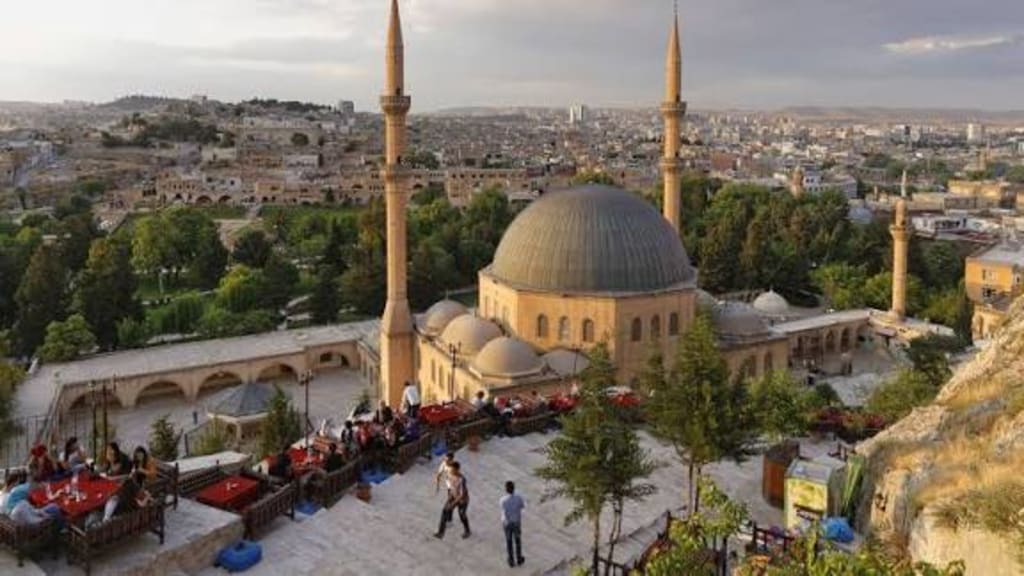
Across the ancient landscapes of the Middle East lies a city unlike any other — a place where faith, history, and humanity intersect so deeply that it has shaped the beliefs of billions. Often referred to as the “City of Prophets,” Jerusalem stands as one of the most spiritually significant cities on Earth, revered by Judaism, Christianity, and Islam alike. Few places in the world carry such profound sacred meaning while also bearing the weight of centuries of conflict, devotion, and coexistence.
A City Rooted in Sacred History
Jerusalem’s importance stretches back thousands of years. In Jewish tradition, it is the eternal capital of Israel and the site of the ancient First and Second Temples, including the revered Western Wall, where worshippers pray to this day. King David established Jerusalem as the political and spiritual heart of Judaism, making it central to Jewish identity and faith.
For Christians, Jerusalem is inseparable from the life of Jesus Christ. It is the city where he preached, was crucified, buried, and resurrected — events that form the foundation of Christian belief. The Church of the Holy Sepulchre, believed to house both the site of the crucifixion and the tomb of Jesus, remains one of Christianity’s holiest shrines and draws pilgrims from every corner of the world.
Islam, too, holds Jerusalem in the highest esteem. Known as Al-Quds in Arabic, it is home to Al-Aqsa Mosque, Islam’s third-holiest site. According to Islamic tradition, the Prophet Muhammad was taken on the miraculous Night Journey (Isra and Mi'raj) from Mecca to Jerusalem before ascending to the heavens. This event firmly cemented the city’s sacred status in Islam.
Where Faiths Physically Converge
What makes Jerusalem truly extraordinary is not just that it is holy to three religions — but that their sacred spaces exist within walking distance of one another. The Old City, enclosed by ancient walls, is divided into four quarters: Jewish, Christian, Muslim, and Armenian. Within these narrow streets, daily life unfolds alongside prayer calls, church bells, and religious rituals.
It is not uncommon to see a Jewish worshipper walking past a Christian pilgrim while a Muslim call to prayer echoes overhead. This physical proximity of faiths is rare anywhere else in the world and symbolizes both spiritual unity and historic tension.
Prophets Shared Across Religions
Jerusalem earns its title as the “City of Prophets” because many of the figures revered across these religions are shared. Abraham, considered the patriarch of monotheism, is honored in all three faiths. Moses, David, Solomon, and Jesus appear prominently in Jewish, Christian, and Islamic traditions, though each religion interprets their roles differently.
This shared spiritual lineage highlights a powerful truth: despite doctrinal differences, the foundations of these faiths are deeply interconnected.
A City of Conflict and Coexistence
Jerusalem’s holiness has also made it one of the most contested cities in history. Empires, crusaders, caliphates, and modern states have all fought to control it. Today, political tensions continue to shape life in the city, with disputes over sovereignty, access to holy sites, and national identity.
Yet amid conflict, Jerusalem also offers countless examples of coexistence. Markets bustle with vendors of different faiths. Hospitals, universities, and workplaces bring together people from diverse backgrounds. Religious leaders often call for peace, emphasizing that the city’s sacred nature demands compassion rather than division.
A Living Symbol for Humanity
Beyond religion and politics, Jerusalem represents something universal: the human search for meaning. Pilgrims visit seeking forgiveness, healing, or spiritual clarity. Tourists arrive drawn by history and culture. Locals live daily lives shaped by ancient traditions and modern realities.
Jerusalem teaches the world that faith can both divide and unite — and that understanding shared roots may be the key to lasting peace.
Why Jerusalem Still Matters Today
In an increasingly polarized world, Jerusalem remains a powerful reminder of how deeply beliefs shape civilizations. It challenges humanity to honor sacred heritage while striving for tolerance and mutual respect.
The “City of Prophets” is not just a relic of the past — it is a living, breathing crossroads of faith. Its story continues to unfold, urging the world to recognize that while religions may differ, their call for justice, mercy, and peace is remarkably aligned.
About the Creator
Fiaz Ahmed Brohi
I am a passionate writer with a love for exploring and creating content on trending topics. Always curious, always sharing stories that engage and inspire.
Keep reading
More stories from Fiaz Ahmed Brohi and writers in Geeks and other communities.
cbs news 60 minutes
CBS News’ 60 Minutes is one of the most iconic and enduring programs in television journalism, celebrated for its investigative rigor, compelling storytelling, and impact on American society. Since its debut in 1968, the show has shaped the landscape of news reporting, influencing both public perception and policy decisions. Its unique blend of hard-hitting investigations, human-interest stories, and interviews with key figures has made it a staple of American television and a model for investigative programs worldwide.
By Fiaz Ahmed Brohi3 months ago in Geeks
A Knight of the Seven Kingdoms Series Review (Season 1)
As one of the biggest properties in fantasy, A Song of Ice and Fire remains immensely popular with audiences. After reaching far into the past with House of the Dragon, a second spin-off was on the cards. A Knight of the Seven Kingdoms serves up a bite-sized slice of action and drama, but it still claims a spot among the best small-screen titles.
By Robert Cain14 days ago in Geeks



Comments
There are no comments for this story
Be the first to respond and start the conversation.