
Tankless Water Heaters: Benefits, Installation, and Maintenance Tips
Tankless Water Heaters

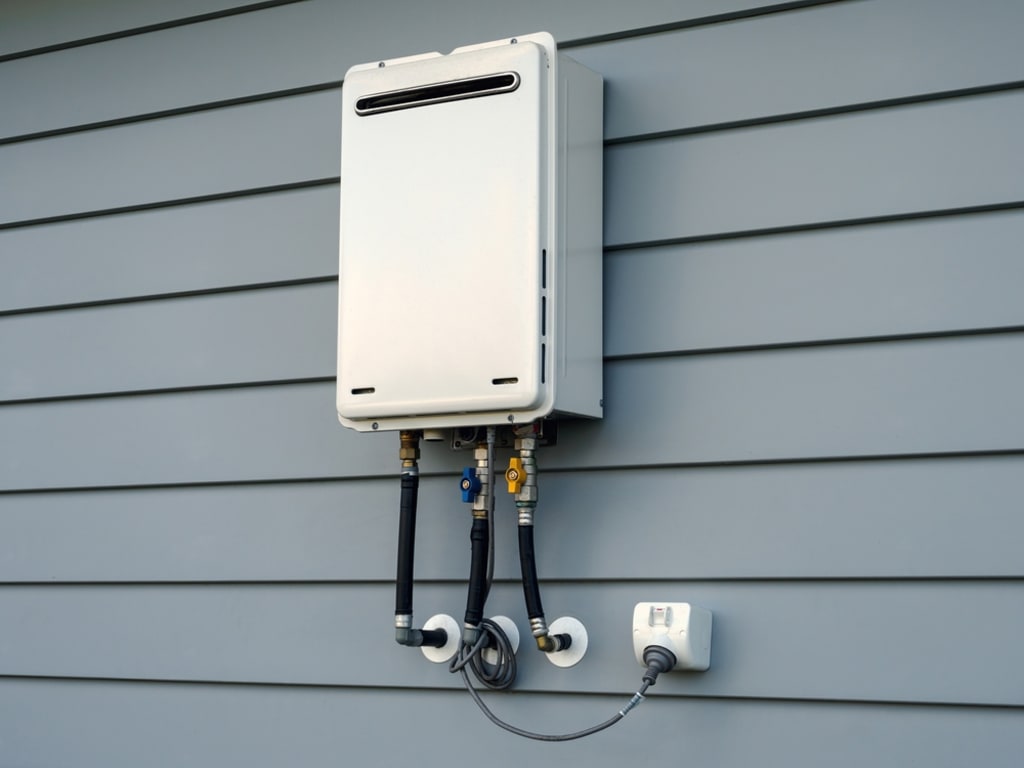
Tankless water heaters, also known as on-demand or instantaneous water heaters, have gained popularity for their energy efficiency and ability to provide continuous hot water. Unlike traditional tank-style heaters that store and maintain a reservoir of hot water, tankless models heat water directly as it flows through the unit. This article explores the benefits of tankless water heaters, offers guidance on installation, and provides maintenance tips to ensure optimal performance.
Benefits of Tankless Water Heaters
1. Energy Efficiency: Tankless water heaters only heat water when needed, eliminating the standby energy losses associated with traditional tank models. According to the U.S. Department of Energy, for homes that use 41 gallons or less of hot water daily, demand water heaters can be 24%–34% more energy efficient than conventional storage tank water heaters.
2. Endless Hot Water: Since these units heat water on demand, they provide a continuous supply of hot water. This means you won't run out of hot water during extended use, making them ideal for households with high hot water demands.
3. Space Savings: Tankless water heaters are compact and can be wall-mounted, freeing up valuable floor space. This is particularly beneficial for smaller homes or apartments where space is at a premium.
4. Longer Lifespan: On average, tankless water heaters last longer than traditional tank models. With proper maintenance, they can have a life expectancy of more than 20 years, compared to 10–15 years for tank-type heaters.
5. Cost Savings: While the initial investment for a tankless water heater can be higher, the energy savings over time can offset the upfront costs. By heating water only when you need it, ENERGY STAR certified tankless water heaters save a family of four $95 per year, or $1,800 over its lifetime, on gas bills compared to a standard gas storage model.
Installation Considerations
Installing a tankless water heater requires careful planning to ensure optimal performance and safety. Here are key factors to consider:
1. Fuel Type: Determine whether your home will use an electric or gas-powered unit. Gas units typically offer higher flow rates but may require venting and adequate gas supply lines. Electric units are easier to install but may need electrical system upgrades to handle the increased load.
2. Sizing: Select a unit that meets your household's hot water demands. Consider the number of fixtures and appliances that will use hot water simultaneously. Consult with a professional to perform a thorough assessment and recommend the appropriate unit size.
3. Location: Choose an installation spot that allows for proper ventilation (for gas units) and easy access for maintenance. Tankless water heaters can be installed in various locations, including closets, basements, garages, or even outside, depending on the model and climate considerations.
4. Ventilation: Gas-powered tankless water heaters require proper venting to expel combustion gases. Ensure that the installation area has adequate ventilation and that venting materials comply with local building codes.
5. Professional Installation: Due to the technical requirements and safety considerations, it's advisable to have a licensed professional handle the installation. They can ensure that all local codes are met and that the unit operates safely and efficiently.
Maintenance Tips
Regular maintenance is crucial to keep your tankless water heater running efficiently and to extend its lifespan. Here are some essential maintenance tasks:
1. Descaling: Mineral buildup, especially in areas with hard water, can affect the efficiency of your tankless water heater. It's recommended to descale the unit every 12 to 18 months. This involves flushing the system with a descaling solution to remove mineral deposits.
2. Cleaning the Inlet Filter: The inlet water filter prevents debris from entering the system. Regularly inspect and clean the filter to ensure proper water flow and prevent clogs. Remove the filter, rinse it under clean running water, and scrub with a brush if necessary.
3. Air Filter Maintenance: For units equipped with an air filter, clean it periodically to ensure proper airflow. A clogged air filter can reduce efficiency and cause the system to overheat. Use a soft brush or compressed air to remove dust and debris.
4. Vent Inspection: If you have a gas-powered unit, regularly inspect the venting system for blockages or damage. Ensure that all vent connections are secure and that there are no signs of corrosion or wear.
5. Professional Check-Up: Schedule an annual inspection with a qualified technician to assess the overall condition of the unit, perform necessary maintenance, and address any potential issues before they become major problems.
By understanding the benefits, proper installation procedures, and maintenance requirements of tankless water heaters, homeowners can make informed decisions that lead to long-term energy savings and reliable hot water supply.
About the Creator
Ellen Sammy
Writer and Blogger
Keep reading
More stories from Ellen Sammy and writers in Geeks and other communities.
Why Commercial Electrical Services Are Essential for Business Safety and Efficiency
In today's fast-paced business environment, companies depend on reliable electrical systems for productivity, safety, and operational efficiency. Whether it's office lighting, industrial machinery, or digital infrastructure, electricity is the backbone of any commercial establishment. Neglecting electrical maintenance and services can lead to safety hazards, costly downtimes, and inefficient energy consumption. This article explores why commercial electrical services are indispensable for ensuring business safety and efficiency.
By Ellen Sammyabout a year ago in Confessions
A Knight of the Seven Kingdoms Series Review (Season 1)
As one of the biggest properties in fantasy, A Song of Ice and Fire remains immensely popular with audiences. After reaching far into the past with House of the Dragon, a second spin-off was on the cards. A Knight of the Seven Kingdoms serves up a bite-sized slice of action and drama, but it still claims a spot among the best small-screen titles.
By Robert Cain6 days ago in Geeks




Comments
There are no comments for this story
Be the first to respond and start the conversation.