
Star Wars Movie Faces Lawsuit Over Digital Recreation of Peter Cushing’s Appearance
"Lawsuit Challenges the Use of CGI to Recreate Late Actor Peter Cushing in Rogue One"
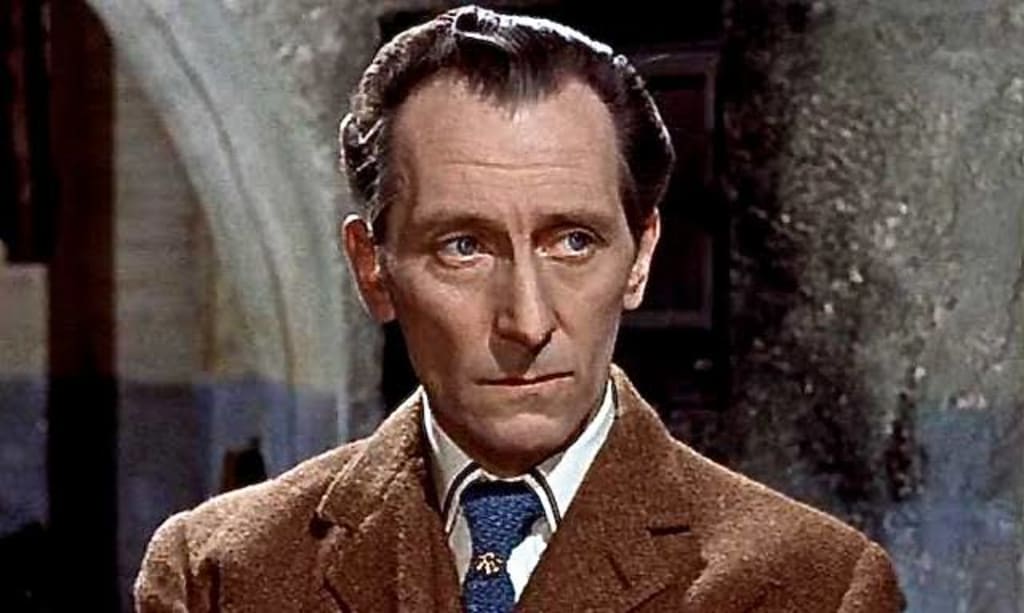
The makers of "Rogue One: A Star Wars Story", a successful 2016 movie in the "Star Wars" universe, are facing a lawsuit regarding the digital recreation of the late actor Peter Cushing's image. Cushing, who passed away in 1994, is best known for his role as Grand Moff Tarkin, a central figure in the original 1977 "Star Wars" film, 'A New Hope'. His character was brought back to life using advanced special effects in 'Rogue One', sparking both admiration and controversy over the ethical implications of recreating an actor’s image after their death.
Peter Cushing’s Legacy in 'Star Wars'
Peter Cushing was a highly respected British actor, best known for his work in horror films and his role as Grand Moff Tarkin in the original "Star Wars" trilogy. He first appeared as Tarkin in 'A New Hope' in 1977, playing one of the most memorable villains of the series. However, after his death in 1994 from cancer, the character of Tarkin was mostly absent from the "Star Wars" universe, aside from a small animated cameo in *Revenge of the Sith* in 2005 and voice work by actor Stephen Stanton for younger versions of the character.
When 'Rogue One: A Star Wars Story' was being developed, the filmmakers decided to bring Tarkin back in a significant way. The movie, a prequel set just before the events of 'A New Hope', used modern visual effects technology to digitally recreate Cushing’s likeness. Actor Guy Henry served as Cushing’s body double and voice, while advanced CGI was used to map Cushing’s face onto Henry’s performance, making it appear as though the late actor himself was reprising his iconic role.
The Lawsuit and Kevin Francis’s Claims
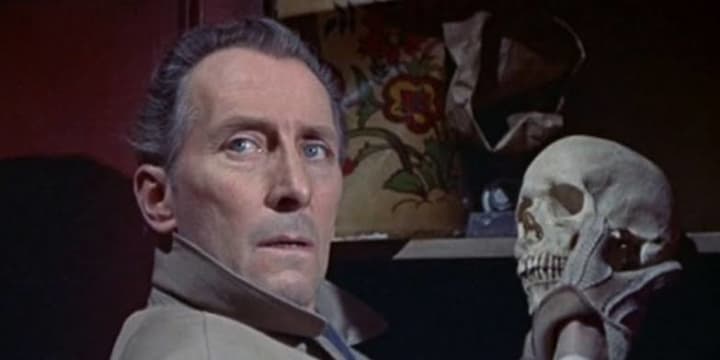
The decision to digitally resurrect Peter Cushing in 'Rogue One' is now the subject of legal controversy. Kevin Francis, who had a close professional relationship with Cushing, is suing the filmmakers, claiming that Cushing never gave permission for his image to be used in this way. According to Francis, the two had an agreement made in 1993, just a year before Cushing’s death, that Cushing’s likeness could not be reproduced using special effects without prior authorization. This agreement was reportedly made while they were working together on an unfinished film project called 'A Heritage of Horror'.
Francis, who worked with Cushing on several films including 'The Ghoul', 'Legend of the Werewolf', and 'The Masks of Death', is now claiming "unjust enrichment" against the Disney group, which owns the 'Star Wars' franchise. He argues that by using Cushing’s likeness in 'Rogue One', the filmmakers financially benefited without securing the proper rights or authorization from Cushing or his estate.
Disney and Lucasfilm’s Response
Disney and Lucasfilm have defended their actions, arguing that they were not required to seek permission to use Cushing’s likeness. In their response to the lawsuit, they pointed out that in 1997, when 'A New Hope' was remastered, no permission was needed to use Cushing’s image, which had already appeared in the original 1977 film. They also claim that $37,000 (£28,454.97) was paid to Cushing’s estate to clear any concerns about the use of his likeness in the remastered versions of the films.
John Knoll, who served as the Visual Effects Supervisor on 'Rogue One', had previously addressed the ethical concerns surrounding the use of CGI to recreate Cushing’s image. In a 2017 interview, Knoll stated that the digital recreation was done with great respect and affection for the late actor, saying, "We weren’t doing anything that I think Peter Cushing would’ve objected to." He expressed confidence that Cushing would have approved of the work done to bring Grand Moff Tarkin back to the screen.
The Future of Digital Recreation in Film
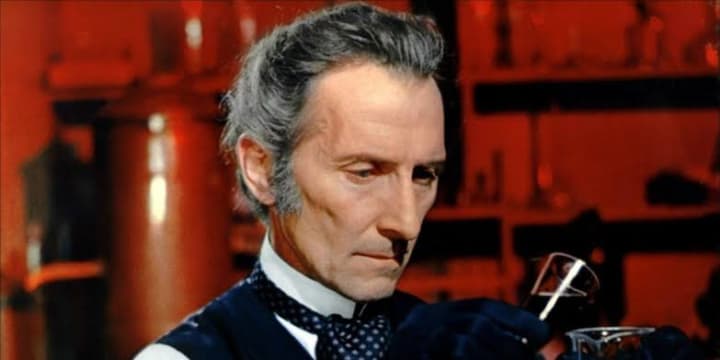
The legal case raises important questions about the future of digital recreations of deceased actors in film. As technology continues to advance, the ability to create lifelike digital performances of actors who have passed away is becoming increasingly common. In addition to Peter Cushing’s portrayal in 'Rogue One', the same film also featured a digitally recreated younger version of Carrie Fisher as Princess Leia. Fisher, who passed away shortly after the release of 'Rogue One', was another beloved actor whose image was digitally brought back to the screen.
While these digital recreations can provide a nostalgic thrill for fans, they also raise ethical questions about the rights of deceased actors and the potential misuse of their likenesses. Should filmmakers be allowed to recreate an actor’s image without their explicit consent? And how should these rights be managed after an actor’s death?
As of now, the lawsuit is ongoing, with the High Court rejecting Disney’s attempt to have the claims dismissed. The case will likely have significant implications for how filmmakers use CGI to resurrect actors in the future, particularly when it comes to securing the proper permissions and respecting the wishes of the actors or their estates.
In the meantime, 'Rogue One' remains a fan-favorite "Star Wars" film, praised for its bold storytelling and cutting-edge visual effects. But the controversy surrounding Peter Cushing’s digital appearance is a reminder that even as technology evolves, the ethical and legal implications of using someone’s image posthumously must be carefully considered.
About the Creator
Silver Screen Magic with Mae West
American actress and singer Mae West became a popular film actress during the Great Depression. She started entertaining in vaudeville, then performed on Broadway, and finally went to Hollywood. She signed up with Paramount Pictures and made her debut in the 1932 film “Night After Night.” She also starred in musicals, comedies, and crime dramas. The American Film Institute named her one of the best classic Hollywood actresses.
By Rasma Raisters5 days ago in Geeks
Premier League in Denmark: How to Watch
The 2025–26 Premier League season is underway, marking the 34th edition of the competition and the 127th year of top-flight English football. Liverpool start their title defense with confidence after lifting their second Premier League trophy last season, but the return of Leeds United, Burnley, and Sunderland ensures fresh rivalries – including the long-awaited Tyne–Wear derby, back for the first time since 2015–16.
By David Cook5 days ago in Geeks
Wild Card Weekend Recap: What Happens Now?
I think I figured out why I love Wild Card Weekend so much. It's because it's the first playoff anything of the calendar year. The NFL season starts in the fall, and once upon a time, the champion was crowned either on or slightly before New Year's. The evolution of the NFL schedule has resulted in the playoffs starting just into the New Year, and currently, the final week of the season falls on the first weekend of the New Year, with Wild Card Weekend coming a week after that. So yes, chronologically, the NFL's Wild Card Weekend serves as the first playoff anything of the calendar year.
By Clyde E. Dawkins6 days ago in Unbalanced




Comments
There are no comments for this story
Be the first to respond and start the conversation.