
Return to Silent Hill: A Haunting Revival of Psychological Horror
A Descent Into Grief, Guilt, and Psychological Horror

Return to Silent Hill marks a significant moment for fans of psychological horror and video game adaptations alike. Drawing inspiration from the iconic Silent Hill universe, the film represents an attempt to return to the franchise’s atmospheric roots—where fear is born not from constant shock, but from silence, symbolism, and the slow unraveling of the human mind. Rather than reinventing the mythology, Return to Silent Hill aims to reawaken what made the series unforgettable in the first place: dread, grief, and the terror of the unknown.
This film is not just a continuation of a story, but a continuation of a feeling. Silent Hill has always been less about monsters and more about meaning, and Return to Silent Hill embraces that philosophy with deliberate restraint.
The Legacy of Silent Hill
Silent Hill occupies a unique space in horror culture. Originally conceived as a video game franchise, it distinguished itself from traditional horror by prioritizing atmosphere and psychological tension over action. The town of Silent Hill is not merely a location; it is a manifestation of guilt, trauma, and unresolved pain.
Previous film adaptations introduced the fog-covered streets and grotesque imagery to wider audiences, but Return to Silent Hill arrives with a clear mission: to realign the cinematic vision with the emotional and psychological depth that defined the original source material. The film understands that Silent Hill works best when it feels personal—when the horror reflects the inner torment of its characters.
A Story Driven by Grief and Obsession
At the heart of Return to Silent Hill is a deeply emotional narrative centered on loss. The story follows a protagonist drawn back to the town in search of someone they love, a journey fueled by desperation rather than bravery. This emotional anchor gives the film its power, grounding supernatural horror in something profoundly human.
Silent Hill has always punished obsession, and the film explores how love, when twisted by grief, can become destructive. The town responds to emotional wounds, reshaping itself to reflect inner suffering. This relationship between character and environment remains one of the franchise’s most compelling elements, and Return to Silent Hill leans heavily into it.
Rather than rushing through plot points, the film allows the mystery to unfold gradually. Questions linger unanswered, reinforcing the unsettling sense that understanding Silent Hill fully may be impossible—and perhaps dangerous.
Atmosphere Over Explanation
One of the strongest aspects of Return to Silent Hill is its commitment to atmosphere. The fog, the decaying architecture, and the oppressive silence all serve as storytelling tools. The town feels alive, watching and waiting, responding to emotional cues rather than logic.
The film resists the temptation to over-explain its mythology. Instead, it trusts the audience to interpret symbols and connect emotional dots. This restraint mirrors the storytelling style of the games, where ambiguity is essential to the experience. Horror is most effective when it leaves room for imagination, and Return to Silent Hill understands that fear thrives in uncertainty.
Sound design plays a crucial role as well. Long stretches of near-silence are punctuated by unsettling noises, distant echoes, and industrial hums that make even stillness feel threatening. The absence of constant music allows tension to build naturally, pulling viewers deeper into the town’s suffocating presence.
Monsters as Manifestations
In Silent Hill, monsters are never random. They exist as physical manifestations of guilt, shame, fear, and trauma. Return to Silent Hill continues this tradition, presenting creatures that feel purposeful rather than purely grotesque.
These beings are not just obstacles to overcome; they are reflections of the protagonist’s psychological state. Their designs are disturbing not because they are violent, but because they are symbolic. Each encounter feels intimate, as though the town itself is forcing the character to confront buried emotions.
This approach elevates the horror beyond surface-level scares. The monsters linger in the mind because they represent something deeper—something uncomfortably relatable.
Visual Storytelling and Direction
Visually, Return to Silent Hill embraces a bleak, desaturated palette that reinforces its themes of decay and despair. The fog obscures not only the town, but clarity itself. Viewers are often left disoriented, unsure of what lies ahead or what has already been left behind.
The camera work favors slow movement and lingering shots, allowing environments to speak for themselves. Empty hallways, abandoned buildings, and broken symbols create a sense of history—of suffering layered upon suffering. This visual patience enhances immersion, making Silent Hill feel less like a setting and more like a psychological trap.
The direction avoids flashy horror tropes, instead opting for subtle unease. Fear creeps in gradually, often unnoticed until it has already taken hold.
Themes of Guilt, Punishment, and Redemption
Like its predecessors, Return to Silent Hill grapples with heavy themes. Guilt is central to the narrative, shaping both the protagonist’s journey and the town’s response. Silent Hill does not forgive easily, and it does not punish arbitrarily. It reflects what its visitors carry inside.
The film also explores the idea of self-inflicted punishment—how people trap themselves in cycles of blame and regret. Redemption, if it exists at all, is not guaranteed. It must be earned through acceptance rather than denial.
This moral ambiguity is one of the franchise’s defining traits. Return to Silent Hill does not offer simple answers or comforting resolutions. Instead, it presents consequences and leaves viewers to wrestle with their meaning.
A Film for Horror Purists
Return to Silent Hill is not designed to appeal to everyone. It is slow, introspective, and emotionally heavy. Viewers expecting fast-paced action or constant jump scares may find it challenging. However, for fans of psychological horror, the film offers a deeply rewarding experience.
It respects its audience’s intelligence, encouraging interpretation rather than spoon-feeding explanations. This approach aligns perfectly with the Silent Hill ethos, where horror is personal and deeply subjective.
Final Thoughts
Return to Silent Hill stands as a thoughtful revival of a legendary horror franchise. By focusing on atmosphere, emotional depth, and psychological complexity, the film honors the spirit of Silent Hill while carving out its own identity.
It reminds audiences that true horror does not come from what we see, but from what we feel—and what we refuse to confront. Silent Hill remains a place where pain takes shape, where silence screams louder than words, and where returning is never without consequence.
For fans of cerebral horror and haunting storytelling, Return to Silent Hill is not just a return—it is a reckoning.
About the Creator
Keep reading
More stories from James S Pope and writers in Geeks and other communities.
The Adventures of Cliff Booth: A Deep Dive Into Hollywood’s Most Enigmatic Drifter
The Adventures of Cliff Booth exists more as an idea than a completed cinematic chapter, yet it has captured the imagination of film lovers in a way few fictional concepts do. Emerging from the world of Once Upon a Time in Hollywood, Cliff Booth is one of those rare characters who feels fully alive beyond the screen. The thought of a film centered entirely on him opens the door to a story rich with ambiguity, grit, and old-school cinematic cool.
By James S Pope3 months ago in Geeks
The Politics of Playing Dress-Up
Well, to start off I'd like to say a happy world book day to all who celebrate. I know I haven't really posted anything on my socials about it but I'm not a jubilant kind of person. I lay low most of the time. Let's start off with a popular anecdote from the vaults...
By Annie Kapur11 days ago in Geeks
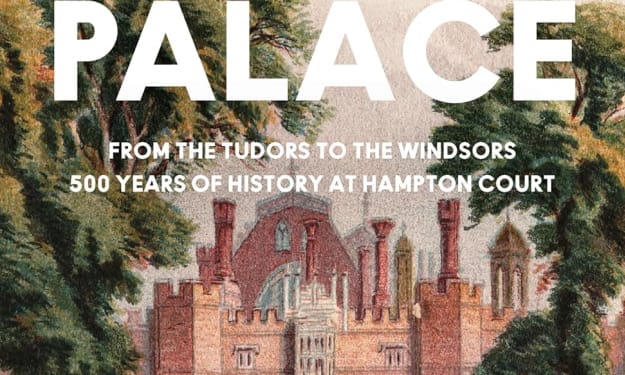
Book Review: "The Palace"by Gareth Russell (Pt. 4)
This review covers chapter 13 to chapter 17 *** Chapter 13 is the Queen's Bedchamber and covers the sicknesses of King James' wife - Anne. She is consumed by something after the birth of her last child, bleeding and pain is everywhere. But the doctor's don't actually know what it is: is it gout? is it malnutrition? is it something to do with her female reproductive organs? Who knows. Some diagnosed it as dropsy. But it is said that she still came about in public until she could no longer do so - still doing her public duty through intense amounts of pain and fever. Still decked out in jewels more expensive than entire cities in her country.
By Annie Kapur3 days ago in Geeks
A Transparent Look at Vocal Challenges and Top Stories
Almost three years ago, we shared a resource article that served as a place for people to suggest new challenge prompts. We thought it would be a good idea to refresh that thread, and take the opportunity to answer a few common questions about top stories, how challenges are judged and how submissions are reviewed.
By Vocal Curation Team4 days ago in Resources



Comments
There are no comments for this story
Be the first to respond and start the conversation.