
Pirate Shirt vs. Peasant Shirt
What's the Difference?
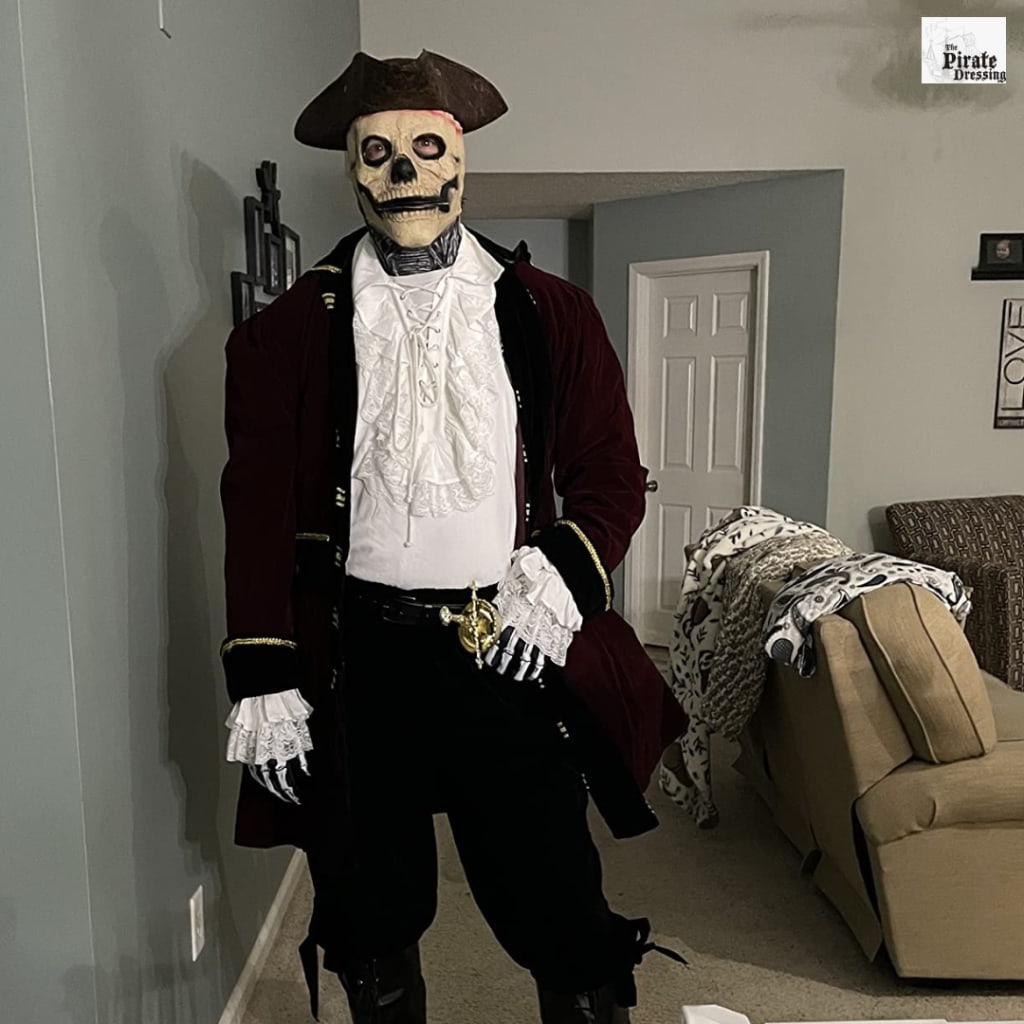
When it comes to historical fashion, particularly pirate clothing and medieval attire, the differences between a pirate shirt and a peasant shirt may seem subtle at first glance. However, each style carries its own distinct features, history, and purpose. If you’re a fan of Renaissance fairs, pirate festivals, cosplay, or historical reenactments, knowing these differences can help you make the right choice.
So, what exactly sets these two shirts apart? Let’s dive deep into their origins, designs, materials, cultural significance, and modern-day uses to help you pick the perfect shirt for your next historical adventure.
1. Origins and Historical Context
Pirate Shirt: A Symbol of Rebellion and Power
The pirate shirt, often associated with the Golden Age of Piracy (1650-1730), was a staple garment worn by notorious pirates like Blackbeard, Captain Kidd, and Calico Jack. This loose-fitting, billowy shirt became synonymous with the swashbuckling outlaws who ruled the high seas. Pirates needed clothing that allowed for freedom of movement, making their shirts both practical and stylish.
Pirate shirts were influenced by 17th-century European fashion, particularly that of aristocrats and naval officers. However, pirates often modified their attire, making it more flamboyant and expressive of their rebellious nature. These shirts were typically embellished with ruffles, lace, and oversized sleeves, giving them a dramatic and commanding appearance.
Peasant Shirt: A Practical Garment for the Common Folk
In contrast, the peasant shirt dates back to the medieval and Renaissance periods, serving as everyday wear for the working class. Unlike the pirate shirt, which symbolized rebellion and status, the peasant shirt was utilitarian and simple, designed for comfort and durability.
Worn by farmers, artisans, and laborers, the peasant shirt was made from coarse, breathable fabrics like wool, flax, and rough-spun cotton. These shirts were practical, with minimal embellishments and a more restrained fit. Their primary function was to withstand long hours of labor, offering protection from the elements while allowing ease of movement.
2. Design & Fit: Dramatic vs. Functional
Pirate Shirt: Bold, Billowy, and Attention-Grabbing
Fit: Oversized and dramatic, allowing fluid movement during battles and voyages.
Neckline: Often features lace-up or ruffled collars, sometimes adorned with embroidery or gold-thread detailing.
Sleeves: Voluminous, puffed sleeves with ruffled cuffs, adding a theatrical flair.
Hemline: Long and flowing, often tucked into breeches or cinched with a wide belt.
Colors: While white was most common, pirate shirts also came in rich colors like black, red, or navy for a more striking look.
Pirate shirts were designed to make a statement. Whether worn by pirate captains, deckhands, or noble outlaws, these shirts gave off an aura of mystique and power.
Peasant Shirt: Simple, Modest, and Practical
Fit: Looser than modern shirts but more fitted than pirate shirts.
Neckline: Simple, often round or a modest V-cut, with a drawstring closure.
Sleeves: Straight and functional, sometimes gathered at the wrists with buttoned cuffs.
Hemline: Shorter than a pirate shirt, typically falling just below the waist.
Colors: Primarily neutral and earthy tones like beige, brown, gray, and white.
While not as extravagant as pirate shirts, peasant shirts were designed to be durable and multipurpose, making them a wardrobe essential for the lower-class communities of medieval Europe.
3. Fabric & Materials: Luxury vs. Utility
Pirate Shirt:
Made from high-quality fabrics like cotton, linen, and muslin.
Often featured decorative elements such as lace, embroidery, and fine stitching.
Designed to be lightweight and breathable, perfect for hot, humid climates on the open sea.
Peasant Shirt:
Crafted from rough, durable fabrics like coarse cotton, wool, or flax.
Prioritized longevity and resistance to wear and tear.
Minimal decoration, often made with hand-spun fibers.
The choice of fabric reflected the wearer's social status. Pirates, who often looted ships, had access to finer materials, whereas peasants had to rely on locally available, hard-wearing fabrics.
4. Styling & Accessories: The Finishing Touches
How Pirates Styled Their Shirts:
A pirate shirt was rarely worn alone. Pirates paired it with leather belts, waistcoats, sashes, bandanas, tricorn hats, and long coats. Accessories like gold earrings, wide cuffs, and elaborate boots completed their look, helping them stand out in both battle and storytelling.
How Peasants Styled Their Shirts:
Peasant shirts were kept simple, usually worn with wool trousers, tunics, or cloaks. Some peasants added a basic leather belt to cinch the waist, but flashy accessories were uncommon.
5. Modern-Day Uses & Where to Wear Them
When to Choose a Pirate Shirt:
Pirate Festivals & Renaissance Fairs
Theater & Film Costumes
LARP (Live-Action Role Playing)
Halloween & Cosplay Events
Fantasy-Themed Weddings
When to Choose a Peasant Shirt:
Medieval Reenactments & Fairs
Historical-Themed Theater Productions
Rustic or Cottagecore Fashion Styles
Comfortable Renaissance Looks for Everyday Wear
6. Where to Buy Authentic Pirate & Peasant Shirts
At The Pirate Dressing, we specialize in historically inspired clothing, offering a vast collection of authentic pirate shirts and medieval peasant shirts. Whether you’re dressing up for a Renaissance fair, pirate adventure, or historical cosplay, we have the perfect attire to elevate your look.
👉 Explore our collection now! The Pirate Dressing
Final Thoughts: Which Shirt Suits You Best?
Both pirate shirts and peasant shirts have unique identities and serve different purposes. If you want to embrace the rebellious spirit of a swashbuckling pirate, go for a billowy pirate shirt with dramatic accents. If you prefer a rustic, medieval look that speaks of humble hard work, a peasant shirt is your best bet.
No matter which style you choose, wearing historically inspired clothing helps bring the past to life in a stylish and authentic way!
Which style is your favorite? Let us know in the comments!
About the Creator
Keep reading
More stories from Aditya Agarwal and writers in Geeks and other communities.
Top 5 Pirate Shirts for LARP, Cosplay & Themed Parties
If you're a fan of pirate cosplay, LARP (Live Action Role-Playing), or themed parties, you know that a pirate shirt is the foundation of an authentic look. Whether you're dressing up as a rugged seafarer, a charming rogue, or a fearsome pirate captain, the right pirate shirt can make all the difference.
By Aditya Agarwal11 months ago in Geeks
The Rachels - 2025
Much to my surprise, I have kept a list of the films I‘ve seen this year. I daresay it isn’t complete. There will be films that snuck in on a late night in front of the TV that I would’ve forgotten to note. Or others, that I went to watch at the cinema, but then had a red wine and promptly forgotten about. But it’s not a bad approximation of the films I’ve seen this year. In total, there are 53 films listed, so an average of one a week and one for good luck.
By Rachel Robbins18 days ago in Geeks
"Beyond the Gates" Weeks 38-44 Recap
It's been a minute since I delivered a Beyond the Gates recap, but I want to start with this. If you had told me that in 2025 and now into 2026 that I'd be religiously watching any soap opera, I would have looked at you like you had three heads or something. My feelings about soaps had always been complicated. I had peeped into some of the classics at times, but I was never a religious viewer. A question I never asked myself was this: "What would it take for me to actually watch a soap every day?"
By Clyde E. Dawkinsabout 24 hours ago in Geeks


Comments
There are no comments for this story
Be the first to respond and start the conversation.