
No Plans Set For Iron Man 4
Fans Left Disappointed As Robert Downey Jr Admits That Iron Man 4 Has No Plans In The Making.

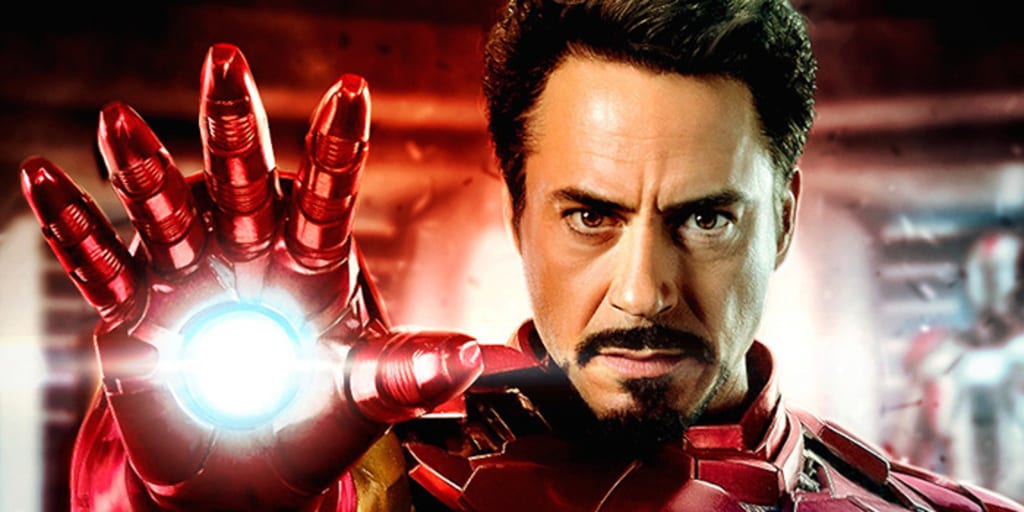
Robert Downey Jr first appeared as Iron Man in 2008. He then went to star in Iron Man 2 and Iron Man 3. Not forgetting Avengers: Age Of Ultron. But now he says that no plans have been made for Iron Man 4.
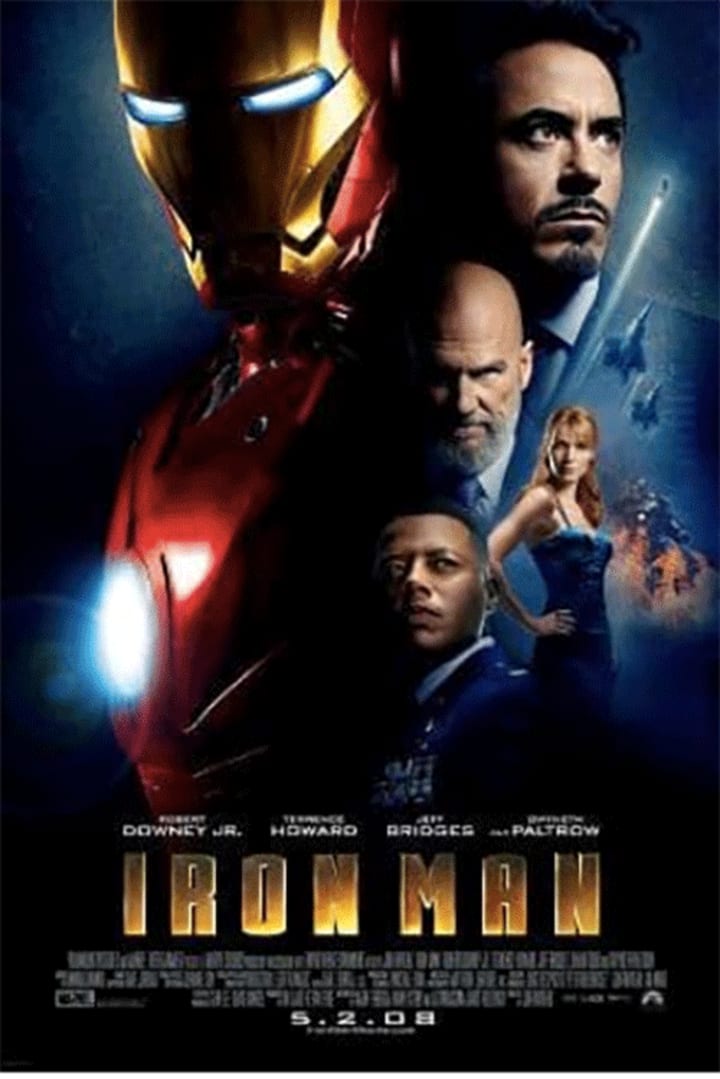
Robert Downey Jr has recently appeared on "USA Today" as a special guest and announced to the worlds that another instalment to the Iron Man franchise is not "on the cards".
Downey Jr is to appear on the upcoming film "Captain America: Civil War". During his interview Downey Jr added:
"In a way it's Cap 3 but for me it's like my little Iron Man 4 and then it's back to the thing we all recognise. Everything pulls over to the side of the road when the thunder of an Avengers thing comes through because that's how it is until it changes. If it changes." - Robert Downey Jr
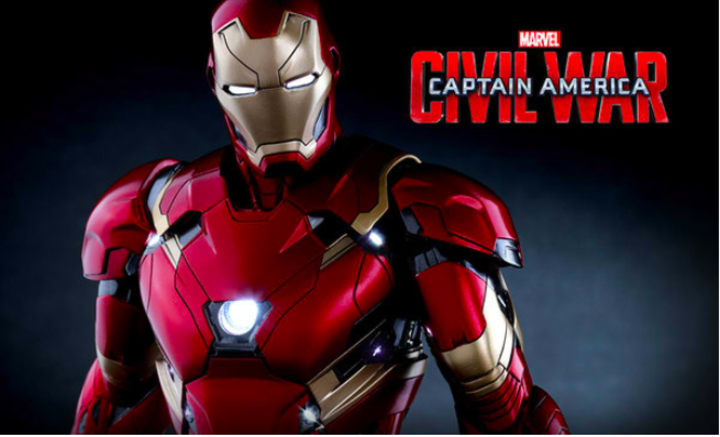
Robert's comments are highly likely to start a big speculation about the possible death of a very key character in "Civil War". This being because the director, Joe Russ, promised a what is set to be a "controversial" ending to the film.
About the Creator
Lewis Jefferies
MA Media and Communication graduate from the University of Portsmouth - Massive Doctor Who Fan.
Keep reading
More stories from Lewis Jefferies and writers in Geeks and other communities.
Kaley Cuoco Strips Down When Performing Grease With Big Bang Theory Cast
Jim Parsons, Johnny Galecki, Melissa Rauch, Kunal Nayyar, Kaley Cuoco, Simon Helberg and Mayim Bialik all hit the stage at the Beverly Hilton Hotel this week and put on a show for the 24th and final A Night at Sardi's event to benefit the Alzheimer's Association.
By Lewis Jefferies8 years ago in Geeks
A Knight of the Seven Kingdoms Series Review (Season 1)
As one of the biggest properties in fantasy, A Song of Ice and Fire remains immensely popular with audiences. After reaching far into the past with House of the Dragon, a second spin-off was on the cards. A Knight of the Seven Kingdoms serves up a bite-sized slice of action and drama, but it still claims a spot among the best small-screen titles.
By Robert Cain5 days ago in Geeks
Why Digital Privacy Regulations Are Reshaping SaaS Platforms?
A decade ago, privacy policies were often treated as legal formalities. Few users read them. Few companies highlighted them. Growth metrics, user acquisition, and feature expansion dominated strategic conversations.
By Mike Pichai6 days ago in Geeks
Who is your "Person"?
It's important to recognize that you cannot go through life as easily on your own. My name is Elizabeth and I'm a survivor of child abuse and horrific trauma. Healing from trauma is not a quick fix and recognizing that it will take time, is part of the struggle.
By Elizabeth Woods2 days ago in Psyche



Comments
There are no comments for this story
Be the first to respond and start the conversation.