
Margot at the Wedding - A Movie Review
'Margot at the Wedding' is a strange and disjointed film

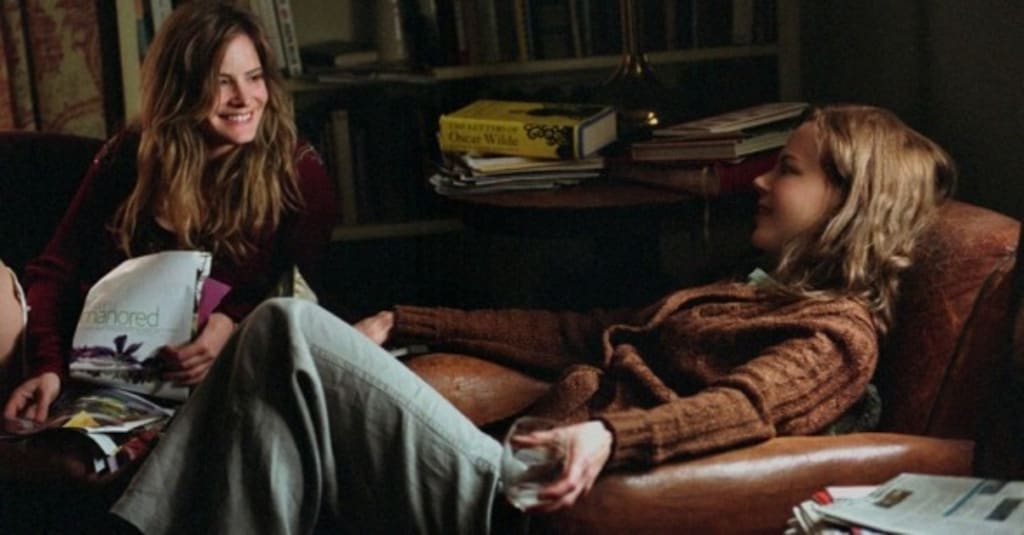
Are we going to fight or have a wedding?
Margot at the Wedding is a 2007 film. Margot’s estranged sister, Pauline is marrying Malcolm, an unemployed artist. She travels with her son Claude to help with celebration festivities. The reunion sets off family dysfunction and opens old wounds.
Family dysfunction films exist for two reasons; for our entertainment and so families have something to relate to. Margot at the Wedding is a strange and disjointed film that places random scenes together and never resembles a cohesive story.
All the characters in Margot at the Wedding have issues but aren’t explored or have depth. We don’t get to know the characters. Everything is implied, including random characters.
Somehow I didn’t recognise Nicole Kidman until the credits! As Margot, it’s implied that she has a mental illness, which is barely touched on. One moment Kidman slaps her son only to jump into a completely different story in the next scene. Kidman climbed that tree herself without a stunt double.
Jennifer Jason Leigh stars as Pauline, the to-be-married sister of Margot. Someone should have alerted the hair team about the actress's similar hairstyles. It was hard to tell the characters apart in some scenes. Kidman and Leigh moved in together during filming to make their dynamic realistic.
My favorite moment in the film was Claude (Zane Pais) sitting with the wrong woman on the train. It’s a realistic scene and introduces viewers to Claude’s character. Pais was humorous in the role. More credits include John Turturro, Ciaran Hinds, Flora Cross, and Hailey Feiffer.
Jack Black was the best part of the movie and made it worth watching. He was the director’s first choice for the role of Malcolm. It was the right choice, indeed. Black is worthy of incredible range. I was taken aback at his emotional delivery of a guilted secret. He performs the best-acted scene in the whole movie.
I have seen a couple of Noah Baumbach’s films and they all share one theme; family drama. Most of the film touched on moments from his childhood. While I like how he creates stories for audiences to relate to, the film is not concise, editing various scenes together.
Storytelling requires consistency. The story is edited this way to resemble memories, but it is hard to follow. The dialogue is strange and disordered. The actors look like they’re trying to make sense of the dialogue as if it were fed to them off-camera.
What was the main story? I know Margot disapproves of Pauline’s fiance, but her mental health has caused problems in the past. I lost focus watching this movie. The story unfolds in a series of intense, often uncomfortable, interactions that highlight the dysfunction within the family.
The cinematography for Margot at the Wedding resembles a shaky camera. It adds more realism to the picture, along with the continuous long takes. The best scene in the movie is Margot climbing up the tree and being rescued by firefighters.
Everything about this movie is dysfunctional as the characters constantly argue. The script is weak and I am pretty sure they improvised in most scenes. The title should have been different as it’s more of a film about the preparation for a wedding.
Margot at the Wedding could have been better in many ways. A more structured narrative, a balanced tone, and deeper character development would have enhanced the viewing experience.
I only recommend Margot at the Wedding for Jack Black’s performance. Like the storyline, the movie is dysfunctional and the ending is random.
About the Creator
Marielle Sabbag
Writing has been my passion since I was 11 years old. I love creating stories from fiction, poetry, fanfiction. I enjoy writing movie reviews. I would love to become a creative writing teacher and leave the world inspiring minds.
Keep reading
More stories from Marielle Sabbag and writers in Geeks and other communities.
The Bear Season 3 (Not Cooked Enough)
Take us to success, Bear. The Bear season 3 was served to Hulu in 2024. Now that The Bear is open, the employees struggle to keep things running. Carmy is persistent in making his restaurant successful but learns about a looming review that could affect everything.
By Marielle Sabbag2 years ago in Geeks
The Rachels - 2025
Much to my surprise, I have kept a list of the films I‘ve seen this year. I daresay it isn’t complete. There will be films that snuck in on a late night in front of the TV that I would’ve forgotten to note. Or others, that I went to watch at the cinema, but then had a red wine and promptly forgotten about. But it’s not a bad approximation of the films I’ve seen this year. In total, there are 53 films listed, so an average of one a week and one for good luck.
By Rachel Robbins26 days ago in Geeks
Why I left CIA
I still remember the night I knew I couldn’t stay. I was sitting alone in a cheap motel room somewhere in the Middle East, the hum of the air conditioner mixing with the distant shouts of a city that didn’t sleep. My hands were shaking—not from fear, but from exhaustion and something heavier, something I couldn’t name. Years of carrying secrets, running operations, and watching people’s lives hang by a thread had finally left me hollowed out inside.
By John Smithabout 21 hours ago in Geeks



Comments (1)
Thank you for this...and for giving me one incentive to see it!