
Life Lessons You Can Learn from Death Note
Life Lessons You Can Learn from Death Note

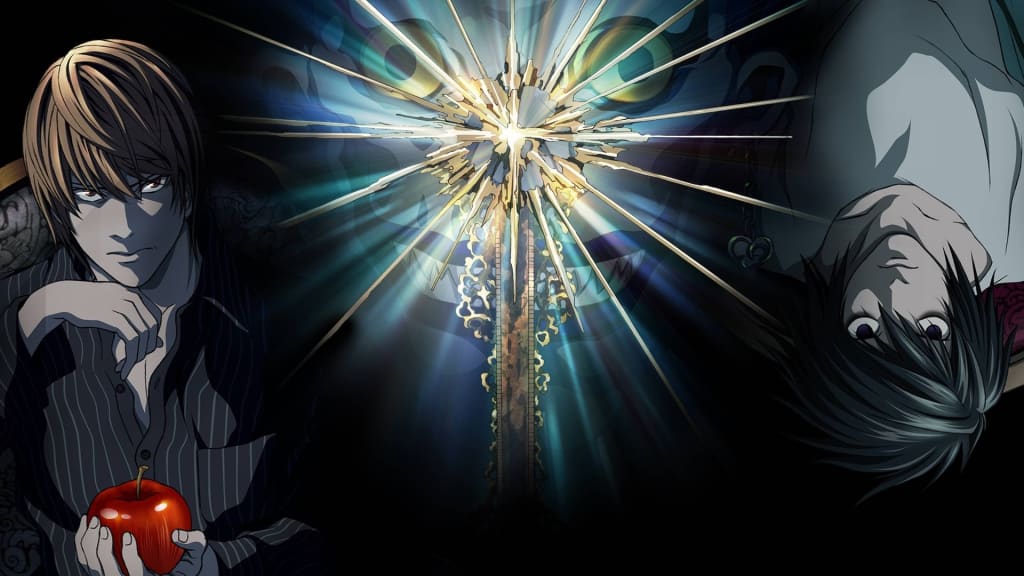
Death Note, the iconic psychological thriller anime, is more than just a gripping tale of a high school student who gains the power to kill anyone by writing their name in a supernatural notebook. Beneath its dark and suspenseful surface, the series offers profound insights into human nature, morality, and the consequences of power. Here are some of the most compelling life lessons we can learn from Death Note:
1. Power Corrupts, and Absolute Power Corrupts Absolutely
The central theme of Death Note revolves around Light Yagami’s descent into moral decay after obtaining the Death Note. Initially, Light’s intentions seem noble—he wants to rid the world of criminals and create a utopia. However, as he gains more power, his sense of justice becomes twisted, and he begins to see himself as a god.
Lesson: Power, when unchecked, can lead to arrogance and a loss of empathy. It’s essential to remain self-aware and grounded, especially when entrusted with authority or influence.
2. The Road to Hell is Paved with Good Intentions
Light’s journey is a cautionary tale about how even the best intentions can lead to disastrous outcomes if pursued without ethical boundaries. His desire to create a better world blinds him to the harm he causes, including the deaths of innocent people and the suffering of those around him.
Lesson: Good intentions alone are not enough. It’s crucial to consider the broader consequences of your actions and ensure that your methods align with your values.
3. Justice is Subjective
Death Note challenges viewers to question what justice truly means. Is it right to kill criminals to create a safer society? Or does that make you just as bad as the criminals themselves? The series doesn’t provide easy answers, forcing viewers to grapple with these moral dilemmas.
Lesson: Justice is not black and white. It’s important to recognize that different perspectives exist and to approach complex issues with an open mind and a willingness to understand others’ viewpoints.
4. The Danger of Hubris
Light’s downfall is ultimately caused by his overconfidence. He believes he is untouchable and underestimates his opponents, particularly L and Near. His arrogance blinds him to his own vulnerabilities and leads to his eventual defeat.
Lesson: Overconfidence can be your greatest weakness. Stay humble, acknowledge your limitations, and never underestimate the people around you.
5. The Importance of Human Connection
Throughout the series, Light isolates himself, sacrificing his relationships with his family and friends in pursuit of his goals. This isolation not only makes him colder and more detached but also contributes to his downfall. In contrast, characters like L and Near rely on teamwork and collaboration to achieve their objectives.
Lesson: Human connection and collaboration are invaluable. No matter how ambitious your goals, maintaining healthy relationships and working with others can lead to better outcomes.
6. The Consequences of Playing God
Light’s belief that he has the right to decide who lives and who dies is a recurring theme in Death Note. His actions raise questions about the morality of playing god and the dangers of assuming control over others’ lives.
Lesson: No one has the right to control or dictate the lives of others. Respect for individual autonomy and the sanctity of life is fundamental to a just and compassionate society.
7. The Complexity of Human Nature
Death Note doesn’t shy away from portraying the complexity of its characters. Light is both a brilliant strategist and a ruthless killer. L is a genius detective but also socially awkward and morally ambiguous. Even secondary characters like Misa Amane and Ryuk have layers that make them fascinating and relatable.
Lesson: People are rarely all good or all bad. Embrace the complexity of human nature and avoid making snap judgments about others.
8. The Value of Critical Thinking
Both Light and L are masters of strategy and critical thinking. Their intellectual battles are a highlight of the series, showcasing the importance of logic, analysis, and foresight.
Lesson: Critical thinking is a powerful tool. Whether you’re solving a problem or making a decision, taking the time to analyze the situation and consider all angles can lead to better outcomes.
9. The Fragility of Life
The Death Note itself is a reminder of how fragile life can be. A single name written in the notebook can end a life in an instant, emphasizing the unpredictability and preciousness of existence.
Lesson: Life is fleeting and unpredictable. Cherish every moment and treat others with kindness and respect, as you never know what tomorrow may bring.
10. The Battle Between Good and Evil is Within Us
Ultimately, Death Note is a story about the internal struggle between good and evil. Light’s transformation from a well-meaning student to a tyrannical dictator highlights how easily one can be consumed by darkness.
Lesson: The battle between good and evil isn’t just external—it’s within each of us. Self-reflection and a commitment to ethical behavior are essential to staying on the right path.
Final Thoughts
Death Note is more than just an anime; it’s a thought-provoking exploration of morality, power, and human nature. Its timeless lessons resonate with viewers long after the final episode, encouraging us to reflect on our own choices and values. Whether you’re a fan of the series or new to it, Death Note offers a wealth of wisdom that can inspire you to live a more thoughtful and intentional life.
So, the next time you watch Death Note, remember: the real “death note” isn’t the notebook—it’s the choices we make and the impact they have on the world around us. Choose wisely.
About the Creator
F.R.B.
A meaningful poem connects with you personally, providing comfort, inspiration, or a sense of shared humanity. It becomes not just words on a page, but an experience, a mirror, or even a guide
The Politics of Playing Dress-Up
Well, to start off I'd like to say a happy world book day to all who celebrate. I know I haven't really posted anything on my socials about it but I'm not a jubilant kind of person. I lay low most of the time. Let's start off with a popular anecdote from the vaults...
By Annie Kapur5 days ago in Geeks
Khaby Lame: The Boy Who Spoke to the World Without Saying a Word
Khaby Lame’s story doesn’t begin with fame, luxury, or a spotlight. It begins in a small apartment in Chivasso, Italy, where a young boy from Senegal learned early what it meant to grow up between two worlds. Born in Dakar in 2000 and raised in Italy from the age of one, Khaby spent his childhood in public housing, surrounded by the everyday struggles of immigrant life. His parents worked long hours, and like many families trying to build a future in a new country, they carried more hope than money.
By Haroon Pasha7 days ago in Geeks



Comments
There are no comments for this story
Be the first to respond and start the conversation.