
“Les Miserables” by Victor Hugo
A Reading Experience (Pt.33)

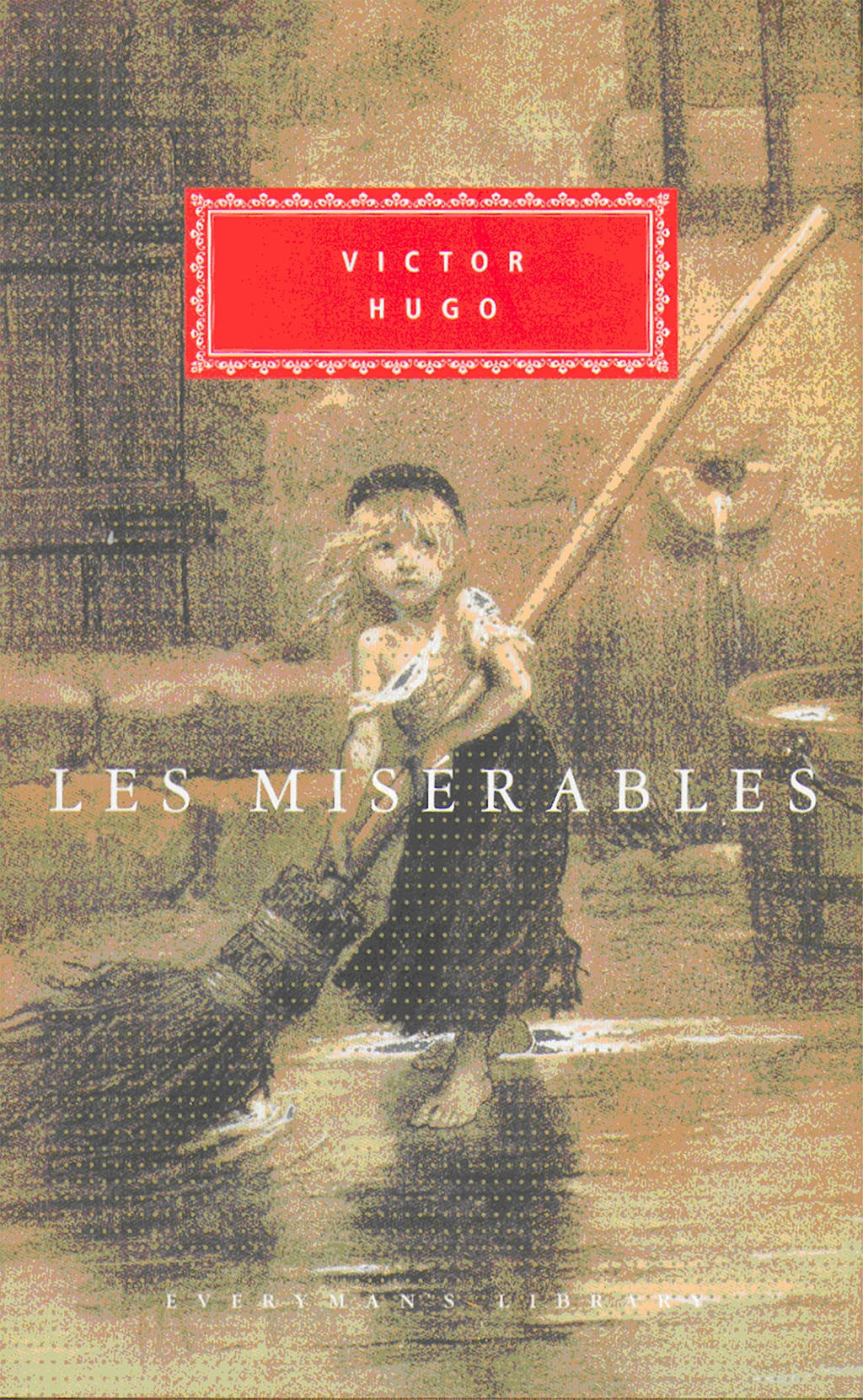
It’s been a long time since I first read “Les Miserables” by Victor Hugo and I am going to be perfectly honest with you that I was about fourteen when I first tackled it. I kept a notebook with all the characters and how they interacted with each other. I had a flowchart as well and after two weeks or so I had finished the book. Again, I’m not going to pretend that I found it easy - I sat there with a dictionary some of the time and mostly I was kind of scratching my head over some of the concepts. It was definitely a difficult read and when I had finished the book, I felt a sense of massive accomplishment that I hadn’t felt before. I felt like I’d done something a lot of people don’t do at 14, no matter how long it took me. The book actually changed my perception of French History and really got me into studying the revolutions in France. I read a multitude of books on the French Revolutionary Wars, the Napoleonic Wars and the June Rebellion after that. The history of the book was absolutely electrifying. It really made you want to get up and seek out a revolution.
My favourite character in this book was always Enjolras. I think I identified with him somewhat because he’s the revolutionary. He’s the person that kind of starts this wave of togetherness with his fellow man and I think I identify with him because he is a person of standard. He doesn’t do things because he wants to, he has to feel like he needs to do something for him to do it properly. He has this drive that motivates other characters like Marius and though he’s clearly a flawed and possibly problematic human being - he tries his best to get the job done when LeMarque dies. Enjolras’s biggest flaw though is exactly that - it’s his drive for revolution. He pretty much believes that even if he gets hurt, he’s basically invincible. This isn’t until much later but finally, when he begins seeing the deaths of his friends, you can totally tell he’s starting to realise the realities of what’s started as just a rebellion. It’s turning into a full scale civil war right before his eyes. I think Enjolras symbolises the youth of France. He symbolises the new age that doesn’t want a monarchy and doesn’t want an upper class sitting around spending his taxes on lavish things. He wants to enjoy his life and enjoy his pay. On one side, we have Enjolras who represents the revolutionary youth of France and the other side we have Marius who represents the person who just wants everything to go smoothly but ends up getting swept away with his revolutionary friends. Enjolras is really the one that has all his cards up at this point - he risks everything. Including the things that Marius cannot afford to lose.
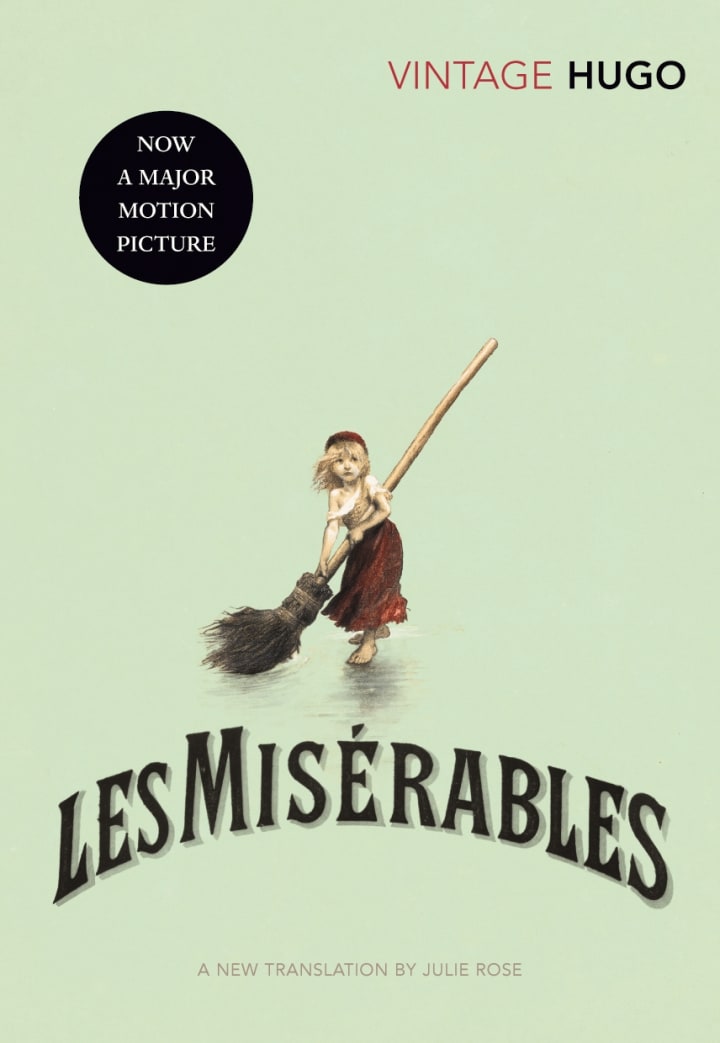
A key theme in this book is definitely death. The images of death being occasions of momentary reflection means that it seems to take an awful long time for some people to die. The descriptions can be long and difficult and somewhat confusing, but in the end when death finally does occur, it makes sense for the character to have this send off. I think that hardest death to stomach in the book is definitely Gavroche. Gavroche’s death is one of those where you’re left thinking that it really shouldn’t have happened. It’s a harsh reality of the June Rebellion in the book and it teeters you on the edge of being on the side of the revolutionaries and wondering what they’ve done to their country. When Gavroche dies, the novel takes a completely different tone, you can actually hear the people mourning as you read the book. It is something unnatural. It definitely impacts the way you see the revolution, but it also impacts the way you see the characters because it is the other characters who let this happen.
“Les Miserables” has always meant a lot to me ever since I first read it because it was a challenge I knew I had to overcome. I didn’t really like the musical versions of the book either on screen or stage and so, I took it upon myself to just concentrate on the book. My latter reading experiences of it, one of which I did when I was in sixth form, were amazing. I felt like I could really become engrossed more in the experience because my vocabulary was a lot better and I didn’t need a dictionary on hand to read it anymore. I could immerse myself in it without worrying I wouldn’t understand something. The best thing about “Les Miserables” will always be the rich cultural history that it gives you about France. France is one of the great countries of the world and their history shows that they do not back down from a fight. It really is the epic of France.
I think more people should read the book because you won’t believe that the film actually misses out quite a bit and also, if you’re reading “Les Miserables” for the first time then I’m jealous of you. I would love to go back and read it for the first time! I think many people still identify with the book today though because of the revolutionary nature of it. There’s still a lot to fight for whatever country you’re in and this book only shows you that one person can actually make a hell of a lot of difference. Whenever I read this book next for maybe a fourth time, I’d like to concentrate on just that - I want to know how this book can show us light in our dark, revolutionary, modern times.
About the Creator
Annie Kapur
I am:
🙋🏽♀️ Annie
📚 Avid Reader
📝 Reviewer and Commentator
🎓 Post-Grad Millennial (M.A)
***
I have:
📖 280K+ reads on Vocal
🫶🏼 Love for reading & research
🦋/X @AnnieWithBooks
***
🏡 UK
Keep reading
More stories from Annie Kapur and writers in Geeks and other communities.
20 Books of 2020 (Pt.38)
I would first like to say how shocked and amazed I am at the response I have gotten for wanting to open up my network and beginning talking to people a lot more. Many, many people have followed me on Instagram since I've gone public and they are all such nice people as well. Everyone seems to be a part of this giant book network in which everyone follows everyone else and they talk about certain books and types of book on a per monthly or, per genre basis. It is really quite something and may be able to help me in my first stages of socialising and improving the social skills I require.
By Annie Kapur6 years ago in Geeks
The Rachels - 2025
Much to my surprise, I have kept a list of the films I‘ve seen this year. I daresay it isn’t complete. There will be films that snuck in on a late night in front of the TV that I would’ve forgotten to note. Or others, that I went to watch at the cinema, but then had a red wine and promptly forgotten about. But it’s not a bad approximation of the films I’ve seen this year. In total, there are 53 films listed, so an average of one a week and one for good luck.
By Rachel Robbins25 days ago in Geeks


Comments
There are no comments for this story
Be the first to respond and start the conversation.