
Landmark Comic Book Storylines Part 4: The 90s
What was good was very good, what was bad is not included


Comics in the 90s are often written off as bottom of the barrel, no-quality, all-gimmick garbage, and rightfully so. For fans who grew up reading the legendary comics of the 60s and 70s, it was awful to see the industry turned into a wasteland of hologram covers and endless spin-offs meant to entice comics investors. A-list heroes like Spider-Man and Batman, who carried two regular titles, a team-up title, and a reprint title each in the 70s suddenly had 5 monthly titles each, plus the reprint title, plus endless graphic novels, specials, mini-series, and guest appearances, all geared toward pushing the latest cartoon and toy line. But there was quality out there if you knew where to look.
1. Preacher

DC started the Vertigo imprint in 80s to collect titles like "Swamp Thing" and "Hellblazer," which were typically supernatural and horror titles meant for mature readers. These titles typically had a level of writing more on par with older readers, and they sometimes had all of the things you would expect from a PG-13 or R-rated film: Graphic violence, language, nudity, and mature themes. This was absolutely true of this series written by Garth Ennis, about Jesse Custer, a Southern preacher with a unique holy power, on a quest to find God, who seems to have abandoned oversight of the universe. Accompanying the preacher on his quest are his girlfriend Tulip and his best friend Cassidy, a vampire. There are different arcs within the series, but you'll want to read the series as a whole, which was later turned into the series for AMC.
2. Sandman
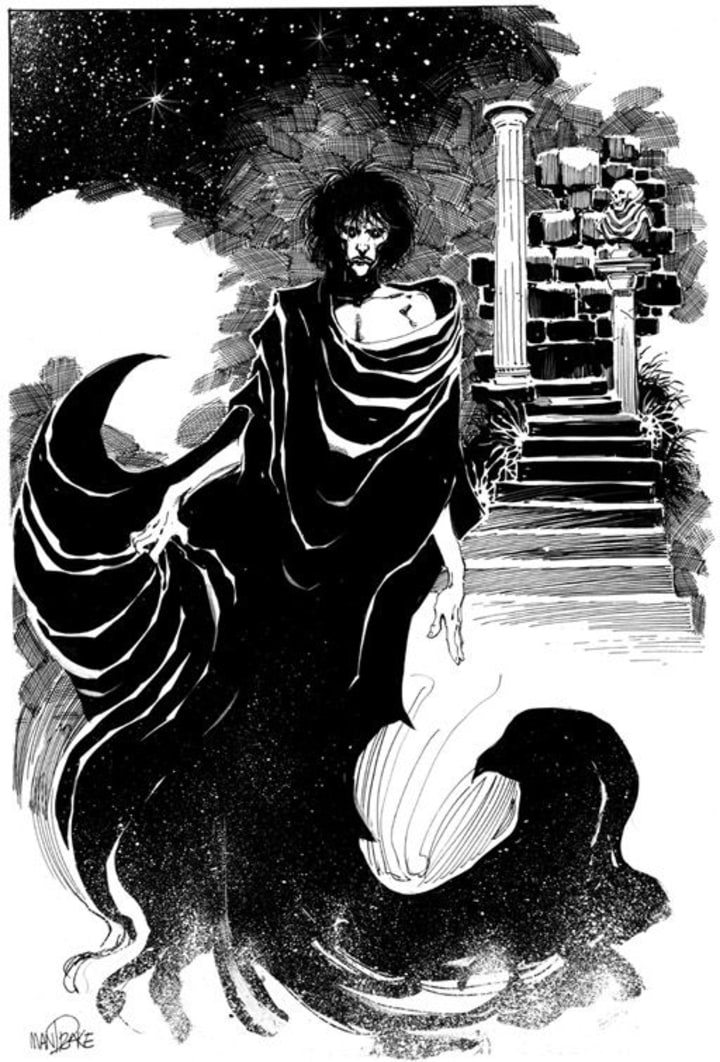
DC's original Sandman was a hero who used a special gun that fired a gas that put people to sleep. To protect himself from the gas he wore a gas mask, which also protected his identity. When British writer Neil Gaiman was asked to update the hero for modern times, what he created was a mythology that would make him one of the top writers in comics, and propel his career into horror, sci-fi and fantasy, with later work like the novel "American Gods," which like "Sandman," was developed for TV.
"Sandman" tells the tale of Morpheus, one of the Endless - seven siblings as old as the universe, each embodying a different facet of existence. Morpheus is also known as Dream, lord of the realm of sleep, master of stories. The series begins in the early 20th century, when Dream is inadvertently captured by a man who was trying to summon a demon. Being immortal, Dream simply waits for the man to grow old and die so he can escape, but in the decades he is trapped, Dream's realm is without its king and the nightmares escape to the waking realm. The series tells how Dream reclaims his kingdom, before progressing to tales of intrigue with his other siblings such as Desire and Destruction, while also telling tales from Sandman's past.
All the arcs come together in the end, so you should read the series as a whole, but can there truly be an end when the tale is about a family known as the Endless?
3. The Infinity Gauntlet (Thanos Quest 1+2, Infinity Gauntlet 1-6)

You saw the movies. The original comics are different. The basic plotline is very similar, as creator Jim Starlin advised the film (he also appears in Cap's support group at the beginning of "Avengers: Endgame"), but a lot is different.
For the full story read Starlin's "Warlock" saga from the 1970s first (discussed in Part 3 of this series, linked below). That will show you Thanos's initial rise, as well as the initial appearances of Gamora, whom you know from the "Guardians of the Galaxy" films. Gamora at the time was a friend of hero Adam Warlock, and that is her role in this series as well.
After "Warlock," you may want to read "Thanos Quest," which shows how Thanos gets the gems, an entirely different story than what is portrayed in the MCU. Then you can dive into the original "Infinity Gauntlet" in which Thanos destroys half the universe not because he thinks overpopulation is a problem, but because he is in love with Death. The actual physical manifestation of Death, who in the MCU appears as a robed woman with a skeletal body. Death ignores Thanos's advances, so he intends to do whatever it takes to make her accept him, no matter who he has to kill.
Opposing Thanos is pretty much everyone, but that list of who everyone is differs greatly between the comics and the film. The Avengers, the X-Men, the Fantastic Four, the Silver Surfer, Spider-Man, and even Galactus and the cosmic powers of the universe, as well as Warlock, Gamora, and Pip the Troll.
Two more series followed this one, with each of them having countless tie-ins with most of Marvel's monthly titles, but the best series of the three was the original.
4. Superman and Batman: Generations

Superman and Batman had appeared together since the 1941 when they first teamed-up in "World's Best Comics" #2 (later called "World's Finest). DC went through many changes over the decades in-between, one of which was having a tight hold on continuity, starting to a lesser degree in the 70s, but to a very serious degree after "Crisis on Infinite Earths" reset DC in 1986 (see Part 3 of this series, linked below). Before Crisis, stories of Superman and Batman teaming up as young heroes, and as old retired heroes admiring their super-sons in action were common. But after Crisis, that all came to an end. Their first meeting was rewritten, and there really weren't any more stories that went back more than a few years.
With this series, writer and artist John Byrne went back and showed readers what it might have been like if Batman and Superman actually had met in 1940, then progressed forward with their lives and aged normally through the decades with each issue spanning another decade or more. At a time when both heroes had been taken down a darker path, it's good to see them portrayed as friends for decades, and to see the characters around them grown, too. While this story ultimately isn't mainstream DC continuity, parts of it are in current comics, such as both heroes being married, and a new team of Super-Sons.
5. Onslaught (X-Men: Onslaught and Onslaught: Marvel Universe)

Onslaught is a much bigger story than just these two special issues, so you may want to track down a trade paperback. But the nuts and bolts of it are there, the beginning and the end. As with a lot of the major crossovers of the 90s, it's very, very long. And not all of it is good. But you will probably want to check it out, as the effects have been huge.
For a bit of background, the situation with Marvel in the 90s was essentially the reverse of the 60s and early 70s. Back then, "The Avengers" was one of Marvel's top titles, and no one read "X-Men." You're reading that correctly. In fact by 1973 "X-Men" was dead in the water. Then it relaunched with the all-new, all-different team, and writer Chris Claremont and artists Dave Cockrum and John Byrne combined to turn it into one of the bestselling comics of the 80s. By the 90s it was still going strong, even after Claremont, Cockrum, and Byrne left, but "Avengers" was having a hard time. The classic creators had left, the classic characters had mostly changed or left the team, and no crossovers or gimmick covers could seem to put sustained interest into the title. So, an attempt was made to make the Avengers more like the X-Men, which went nowhere. Then it was decided to start over the Avengers and the Fantastic Four in a separate universe and just leave the X-Men and Spider-Man in the main Marvel Universe. To do this, Onslaught was created.
Onslaught ultimately is a psychic creation. A combination of the massive power of Professor X and Magneto, formed when the Professor attacked Magneto as revenge for Magneto pulling the adamantium out of Wolverine's body. Onslaught's power grows and he attacks various X-characters, such as the Juggernaut, until it's faced by the combined X-teams, and then the Avengers and Fantastic Four, who sacrifice themselves to rid the world of the threat of Onslaught. But what will happen to the world without its greatest heroes? Well, a new team called the Thunderbolts stepped into the void for one.
6. Age of Apocalypse
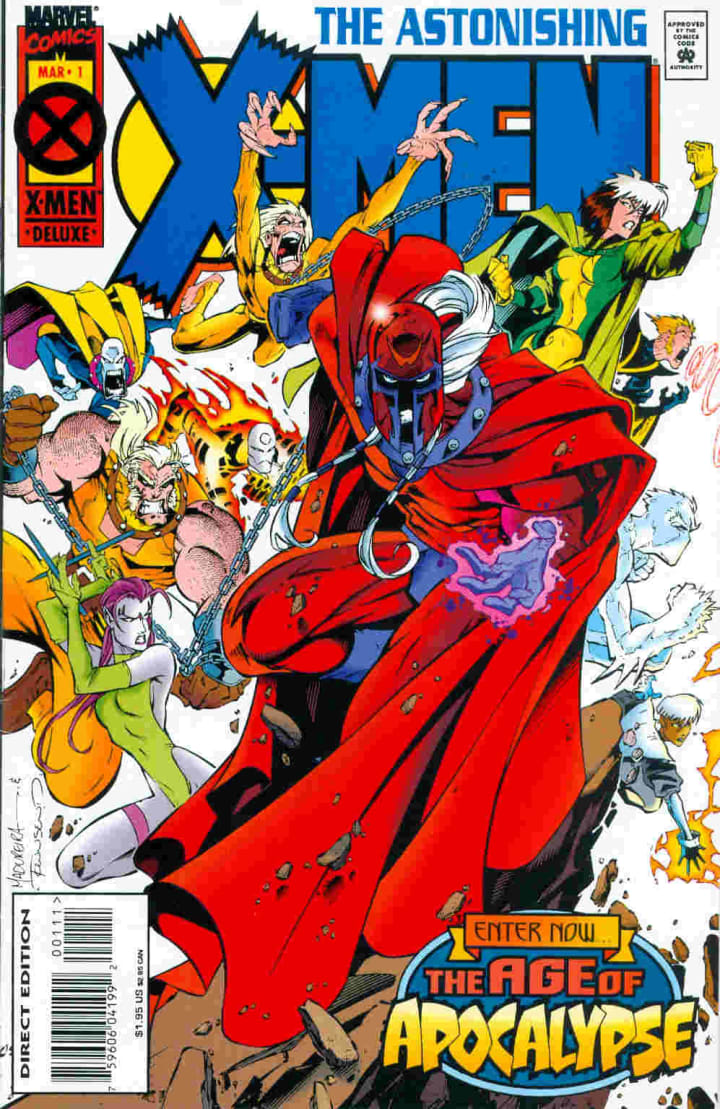
The year before the entire Marvel Universe was changed with the crossover event Onslaught, the X-Universe entered the Age of Apocalypse. Essentially a What If? story that actually happened in continuity, the story explores what would have become of the Marvel Universe if Professor X were killed before he founded the X-Men.
The result was actually pretty cool, but it didn't last long. Each x-title changed for about 4 issues. "X-Factor," for example became "Factor X" and it involved a different team with different plotlines. Over on the X-Men, there were still two teams, though one was led by Magneto, the other by Rogue. Banshee, long dead in the regular Marvel Universe, was still alive, as was Thunderbird. And Jean Grey and Wolverine were a couple, while Cyclops was not even an X-Man. The big villain behind all of this was of course Apocalypse, who took control of much of the world and created a society where mutants rule and normal humans are the oppressed.
Overall the story was good, and one that has been revisited several times. It also featured a few breakout characters, namely Blink and Morph who were so popular they lived on past the storyline as members of the time-crossed team the Exiles.
7. Avengers: Heroes Return (Avengers vol. 3)
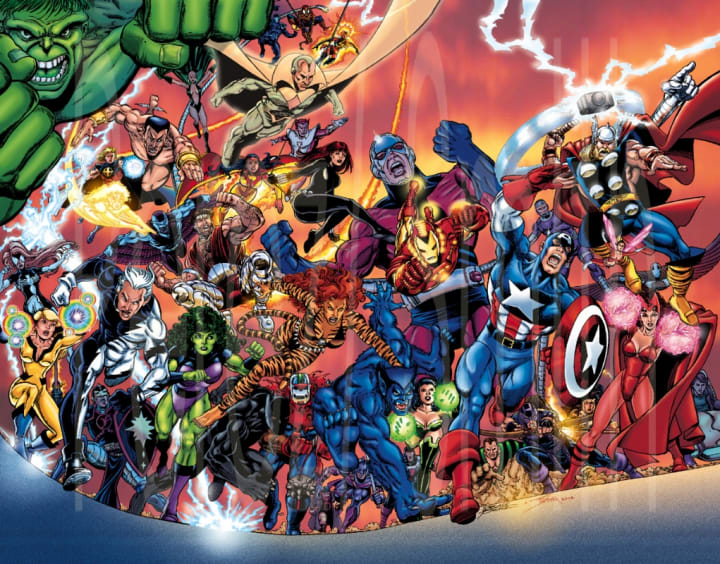
The plan after Onslaught was to give the Avengers and Fantastic Four "The Image Treatment" by putting the popular creators Jim Lee and Rob Liefeld in charge of the books for a year. They were allowed to redesign the characters and do what they wanted with them, within reason, including changing the lineups of the teams, as the teams started new lives in their own pocket universe. That event is called "Heroes Reborn" and by and large is not recommended. On the other hand, "Heroes Return," is outstanding.
From the creative team of writer Kurt Busiek and legendary artist George Perez, the new volume of Avengers brought back everything that made the Avengers great, providing outstanding storylines, character development, character interaction, and a lineup of the best Avengers as well as a few newer characters like Justice, Firestar, and Triathlon to keep things fresh.
8. Deadpool (first ongoing series)

Deadpool first appeared in the pages of "New Mutants," toward the end of the series, before it was given a new direction and new title of "X-Force." At first he was a villain/assassin who shared some sort of hidden past with the team's new leader, Cable. Deadpool was so immediately popular that he quickly had his own mini-series, then a second one, and gradually the real character started to form. Deadpool as he is known today really came out of his first ongoing series, which is a chaotic, boundary-shattering masterpiece.
Over the course of the series, all of the great Deadpool elements are introduced: his insanity, his incredible skill, his humor, and supporting characters like Blind Al. Here Deadpool steps out of the shadow of X-Force and Wolverine and becomes a character of his own, who still sometimes crosses over with the mutants, just like in the movies.
9. Kingdom Come

In the 90s Mark Waid was the writer on "Flash," chronicling perhaps the best era of the title ever. Alex Ross was still a relative newcomer, providing painted covers mainly for Dark Horse Comics. But with "Kingdom Come" for DC, and "Marvels" for of course, Marvel, Ross became one of the greatest artists in comic book history, and the stories themselves were great stories.
Previous stories such as "The Dark Knight Returns" had already looked at the DCU in the future, and this story references some of those, but still takes a different approach, showing all of the DC characters in one last epic struggle, at a time in the future when the Justice League are all middle-aged or older, the Justice Society are in their senior years, and the Teen Titans are all adults. All of the characters get a chance to shine, and you'll never forget the epic battle of Superman vs. Shazam.
10. Marvels
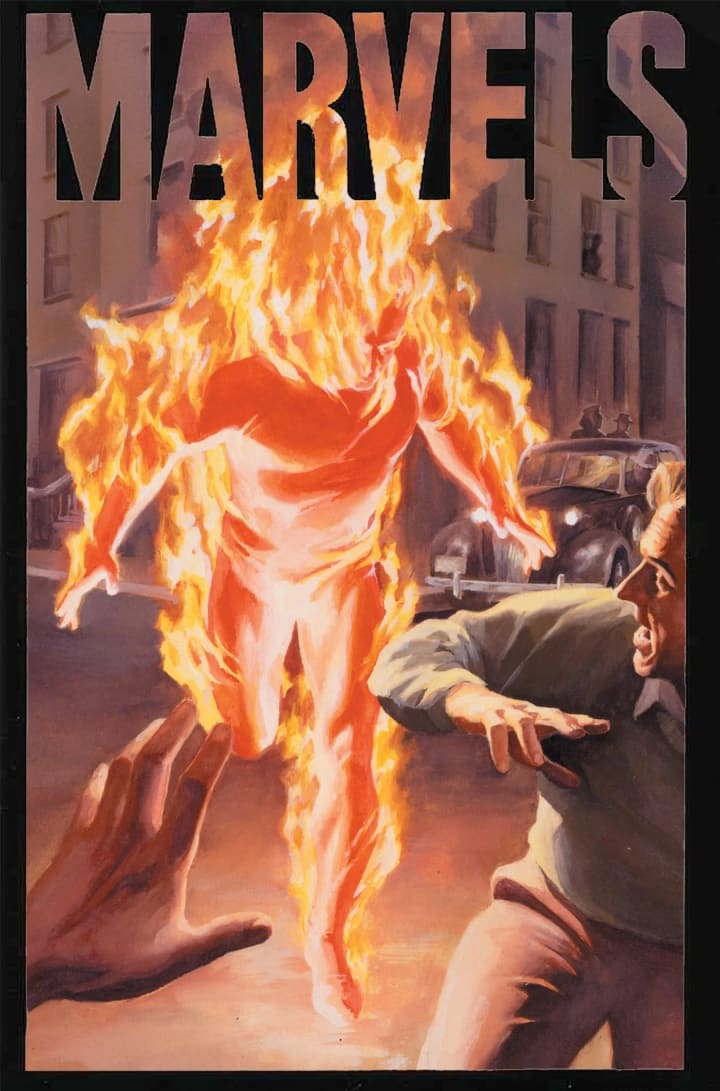
Writer Kurt Busiek had been a serious comic fan for years, and had been working at Marvel for some time before this series. But "Marvels" showed the world that no one knew Marvel history, or could write about classic Marvel, the way he could. Busiek and artist Alex Ross provided a 4 issue series that showed every era of Marvel through the eyes of Daily Bugle photographer Phil Sheldon, starting with the first appearance of the original Human Torch in the 1940s, to the first appearance of the Fantastic Four in the 60s, the terror of Galactus invading the Earth, and the rise of mutant hatred. The title reflects what Sheldon himself calls superhumans - Marvels - and his narrative captures perfectly what it would be like for normal humans to see literal monsters, aliens, and mythological gods among us.
11. New Fantastic Four (Fantastic Four 347-349)

As noted above, in the 90s, "Fantastic Four" was no longer the sales powerhouse it had been in the 60s and 70s. Marvel's biggest sellers were the X-books, the Spidey books, the Punisher books, "Ghost Rider," and "The Incredible Hulk," all of which were pretty dark, with the exception of the Spider-Man books. So, in an era already known for continual gimmicks, for three issues there was a "New Fantastic Four," united to rescue the original team. Or something. The plot was pretty sketchy. The point was to put these mega-selling characters together to boost sales.
And they did. Artist Art Adams was brought in for the storyline, which made things even better, though in reading the story, the idea of bringing these characters together as a team seemed unlikely. Still, it was popular enough that they were brought together again on "Secret Defenders" and they have shown up in What If? and other glimpses into alternate realities.
13. JLA
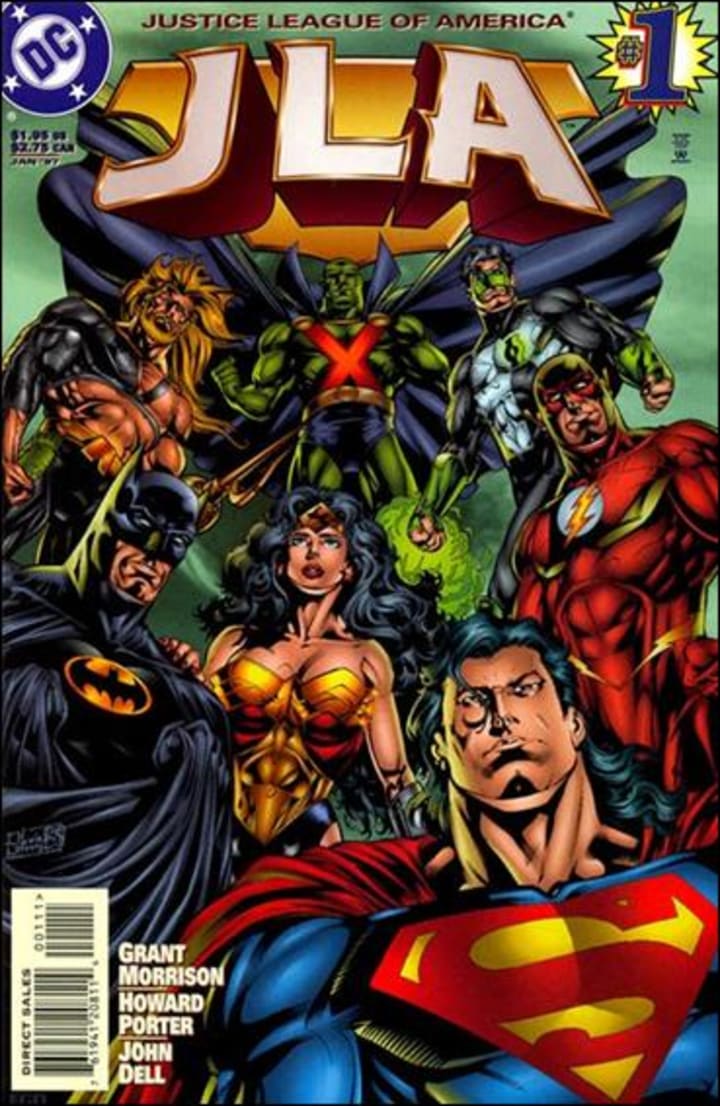
Similar to the relaunch of "Avengers." "JLA" brought back all of what made the original "Justice League of America" series great and made it even better. Writer Grant Morrison abandoned all thoughts of Justice League International, Justice League Europe, Justice League Detroit, and Justice League Antarctica (look it up, there was one), each largely full of second-tier characters, and gave is THE JUSTICE LEAGUE, made up of the icons known and loved around the world, starring in well-written, well-illustrated, engaging stories worthy of the team. Superman. Batman, Flash, Wonder Woman, Green Lantern, Aquaman and Martian Manhunter were the initial 7 featured in every story, with later additions such as Plastic Man, Steel, Atom, and Green Arrow who only made the book better.
14. The League of Extraordinary Gentlemen
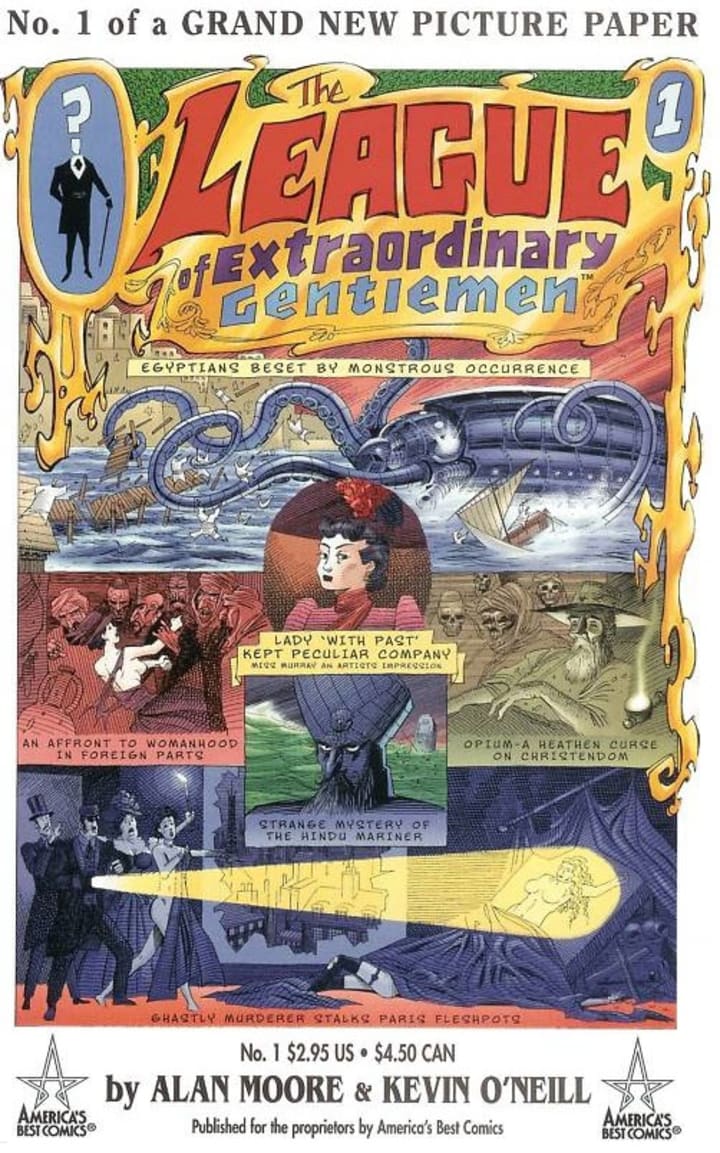
Forget the movie. Seriously. Even if you like the movie, forget the movie and just read the comics. There's nothing like them. The concept is simple: Imagine a team like the Avengers in a shared universe like the Marvel Universe, but where the shared characters are those from classic literature. Going with that premise, legendary writer Alan Moore and artist Kevin O'Neill created a team of adventurer Alan Quartermain, the Invisible Man, Mr. Hyde (and sometimes Dr. Jekyll), Captain Nemo, and former Dracula victim Mina Murray to help protect Britain and the world from one of the most diabolical masterminds in fiction. Just as good as the story itself are the untold number of Easter eggs hidden by O'Neill in plain sight in crowd scenes, in ads, and in cameos throughout the series. After a few issues, you'll swear you would have paid more attention in your lit classes if the novels were as interesting as the comics.
15. Batman: The Long Halloween

Writer Jeph Loeb and artist Tim Sale collaborated on several limited series with intriguing themes featuring classic comic heroes. One of the best was this 13-issue series, set in Batman's early career. Each issue takes place a month after the previous issue, with a new crime by a criminal named Holiday. Having a similar theme to "Batman Year One," it's a tightly-written story that's hard to put down.
16. Green Lantern: Emerald Twilight
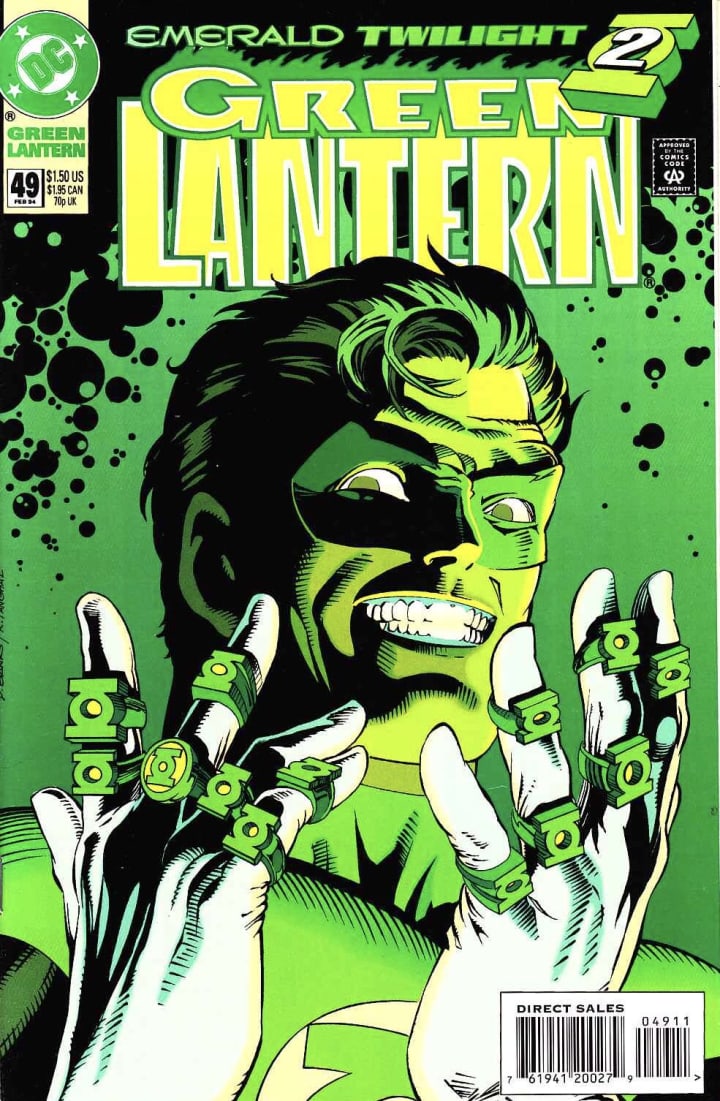
In 1989-90, the mini-series "Emerald Dawn" gave us the definitive origin story of Green Lantern Hal Jordan as he went from being a trainee in the Green Lantern Corps to being the greatest Green Lantern of all. This storyline bookends that story, showing Hal Jordan's quest for power, madness, and fall from grace after his city, Coast City, is destroyed. It's difficult to exaggerate the impact of seeing the Green Lantern Corps destroyed after millenia of service not by some cosmic threat, but by one of their own.
17. The Death of Superman/Reign of the Supermen

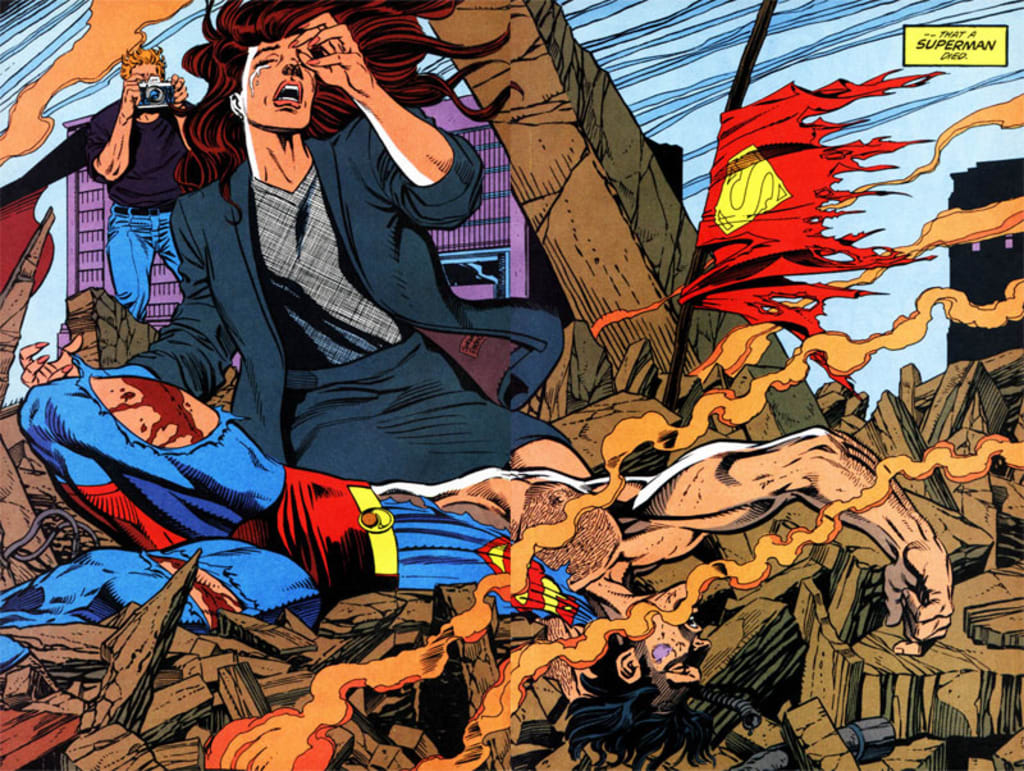
This storyline was so big that for one of the first times in history, a comic book story made the national news. DC Comics was going to kill Superman. And he did die. When a Kryptonian monster calling itself Doomsday appears on Earth and heads for Metropolis, destroying everything in its path, the Justice League tries to stop it and fails. Superman engages Doomsday alone when the monster reaches Metropolis, and for the first time in his career engages his foe with all of his power, not holding back, because he can't. Doomsday is too powerful. Putting everything he has into one last blow, Superman defeats Doomsday, but still dies of his injuries, saving the city and people he loves. The story proves that as powerful as the Justice League is, Superman is more powerful than all of them. And he is the most heroic of all.
One of the biggest-selling comics of all-time, the collector's edition came sealed in a black polybag, shown above, and the issue went into multiple reprints because demand was so high.
With Superman gone, replacements came to fill the void. Characters who have become core DC characters since then. Chief among them were John Henry Irons, aka "Steel," DC's greatest armored hero, and a new version of Superboy who would later be a key member of the Titans.
18. Knightfall

There was a point to replacing Superman and Batman. Comic fans had started to think they just weren't cool anymore. Gritty characters like the Punisher, Lobo, Ghost Rider, and Wolverine were the top sellers and older characters like Superman, Batman, and the Fantastic Four were seen as too squeaky clean and old-fashioned. So Superman was killed and 4 replacement Supermen took his place, at least two of which were very edgy In Knightfall Batman was crippled but not killed by the new master villain Bane, then replaced by a new Batman, who formerly was the dark hero Azrael. Constructing an armored costume and new weapons for himself, Azrael gradually went too far and had to be stopped. By Batman.
19. Batman: Mad Love

Today, everyone loves Harley Quinn. But back in the 90s, she was just a quirky character who was supposed to appear in one episode of "Batman the Animated Series." But people loved the character and the episode, so she was given a one-shot comic. Which grew into more episodes, and more comic adaptations, until for the first time, Harley Quinn appeared in the mainstream Batman comics. It all began here.
About the Creator
Gene Lass
Gene Lass is a professional writer and editor, writing and editing numerous books of non-fiction, poetry, and fiction. Several have been Top 100 Amazon Best Sellers. His short story, “Fence Sitter” was nominated for Best of the Net 2020.
A Knight of the Seven Kingdoms Series Review (Season 1)
As one of the biggest properties in fantasy, A Song of Ice and Fire remains immensely popular with audiences. After reaching far into the past with House of the Dragon, a second spin-off was on the cards. A Knight of the Seven Kingdoms serves up a bite-sized slice of action and drama, but it still claims a spot among the best small-screen titles.
By Robert Cain4 days ago in Geeks
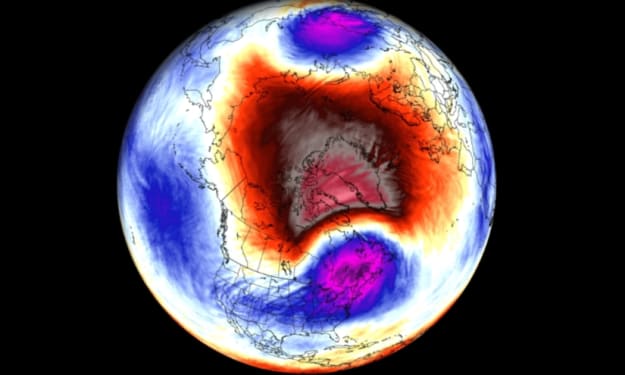
Final Polar Vortex Split: Late-Winter Stratospheric Wind Reversal Is Coming, Impacting the Weather into March
A dramatic shift is unfolding high above the Arctic — one that could shape weather patterns across the Northern Hemisphere well into March. Meteorologists are closely monitoring what is being described as the final polar vortex split of the season, accompanied by a late-winter stratospheric wind reversal.
By Aarif Lashari3 days ago in Geeks
When the Shelter Closes
Across the street from my house, a man slept under a tree, his dog by his side. My first, naive thought: he must be traveling through. But he kept coming back, often sleeping there during the day. Then it hit me—that person might not have a home.
By Bride of Sound5 days ago in Humans



Comments
There are no comments for this story
Be the first to respond and start the conversation.