
Labubu Dolls Will Have Their Own Horror Movie
The viral fame of the Labubu dolls sparked the idea of creating a horror movie about them

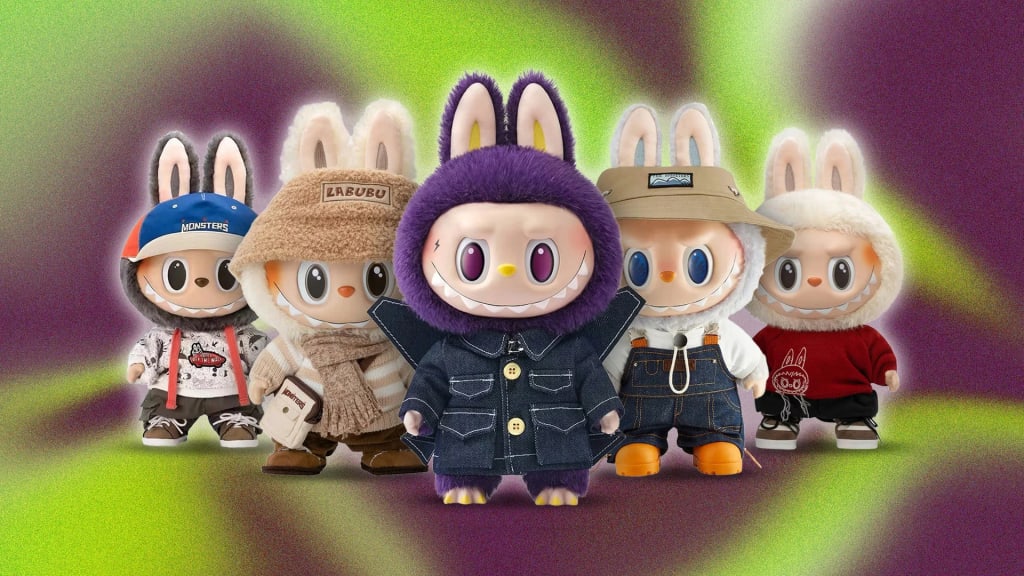
The Labubu dolls will have their own horror movie produced by Sony Pictures. These viral creatures have been so successful on and off the internet that entertainment entrepreneurs firmly believe that this future scary movie will be seen by everyone. The truth is that very little is known about this film, there is still no definite director or script.
Kasing Lung, the creator of the Labubu, is an artist from Hong Kong who was inspired to create them by the elves, elves and trolls of the world imaginary. The first handmade toys were sold in 2015 and gave rise to this universal phenomenon that is still very fashionable today. Labubu are consumed by people from all over the world and from all social classes. They also represent a luxury icon among celebrities and female influencers who further increase the popularity of these dolls on social networks.
Although the plot and the title of this upcoming horror movie are not known, it is likely that it is based on one of the hundreds of urban legends that circulate around these toys.
Urban legends
The urban legend linking Labubu dolls to Pazuzu began to circulate in mid-2025, fueled by social media posts that claimed the dolls were cursed or possessed. This panic was exacerbated by a viral video referencing The Exorcist, where a character mistakenly gifts a Pazuzu figure to a baby, leading to possession. The video warned viewers against buying Labubu dolls, suggesting they were demonic.
Despite these claims, experts have debunked the connection, stating that there is no factual basis for the idea that Labubu dolls are linked to Pazuzu. In fact, Pazuzu was historically viewed as a protective figure in Mesopotamian mythology, often depicted on amulets to ward off evil rather than embody it. Snopes and other fact-checking sources have confirmed that Labubu dolls do not resemble Pazuzu and that the fears surrounding them are largely unfounded.
The spread of these urban legends can be attributed to the amplifying effects of social media, where collective anxieties often manifest as moral panics. Users have reported bizarre experiences with their Labubu dolls, such as claims of the dolls moving on their own or causing unexplained scratches on their owners. These anecdotes, while anecdotal and often exaggerated, contribute to the growing mythos surrounding the dolls.
Psychologists suggest that such fears reflect deeper societal anxieties and are intensified by the power of suggestion. The belief that the dolls possess dark powers can lead individuals to misinterpret normal occurrences as evidence of malevolence.
Various creepy stories have emerged online. Some users have claimed that their Labubu dolls blinked or moved, while others have suggested that aligning three dolls in a triangle and reciting a nursery rhyme could invoke a response from the dolls. These stories, whether based on real experiences or urban legend, have further fueled the fascination and fear surrounding Labubu dolls.
While Labubu dolls have become embroiled in urban legends and fears of demonic connections, the reality is that they are products of artistic imagination rooted in folklore. The myths surrounding them highlight how quickly misinformation can spread in the digital age, transforming a simple collectible into a subject of fear and intrigue. Ultimately, Labubu dolls remain a playful and whimsical creation, despite the darker narratives that have emerged around them.
A matter of fame
The initial panic regarding Labubu dolls began with viral posts on platforms like TikTok and Instagram, where users compared the dolls to Pazuzu, a demon from ancient Mesopotamian mythology. These posts often included alarming warnings, such as claims that the dolls were cursed or possessed, leading some owners to destroy their dolls out of fear. The rapid spread of these narratives illustrates how social media can facilitate the dissemination of misinformation, creating a feedback loop where fear and speculation gain traction.
The involvement of celebrities and influencers has further fueled the Labubu craze, with figures like Rihanna and members of BLACKPINK showcasing the dolls on their social media accounts. While this has contributed to the dolls' popularity, it has also intensified the scrutiny and speculation surrounding them. The juxtaposition of celebrity endorsement with the narrative of the dolls being "demonic" creates a complex cultural dialogue that can lead to heightened fears among fans and collectors.
The phenomenon of FOMO (fear of missing out) is particularly relevant here; as more people share their experiences with Labubu dolls, others may feel pressured to conform to the narrative, whether it be positive or negative. This can lead to a cycle where fear-based content garners more engagement, further perpetuating the cycle of anxiety and speculation.
Social media serves as a powerful amplifier of fears regarding Labubu dolls, transforming them from innocent collectibles into subjects of urban legend and moral panic.
About the Creator
Ninfa Galeano
Journalist. Content Creator. Media Lover. Geek. LGBTQ+.
Visit eeriecast ,where you'll find anonymous horror stories from all over the world. Causing insomnia since 2023.
Keep reading
More stories from Ninfa Galeano and writers in Geeks and other communities.
Betty Boop jumps into horror cinema
The famous character Betty Boop, who was created in 1930 for a series of animated shorts, will now be the protagonist of a disturbing movie. Called Boop, this horror film will be produced by Furst Class Productions, and VMI Worldwide will be in charge of its distribution. But what really has our attention is what the movie will be about.
By Ninfa Galeano2 months ago in Geeks
Prostokvashino Review
Few animated films manage to feel both deeply local and universally relatable. Prostokvashino—more precisely, Three from Prostokvashino (1978) and its sequels—belongs to that rare category. Created by director Vladimir Popov and based on Eduard Uspensky’s beloved stories, the film has become a cornerstone of Soviet and post-Soviet childhoods. Decades later, it remains endlessly rewatchable, quoted, memed, and cherished across generations.
By David Cook4 days ago in Geeks


Comments
There are no comments for this story
Be the first to respond and start the conversation.