
Labubu Doll: Have You Tried Your Luck Yet?
Have You Tried Your Luck Yet? The Curious Case of the Labubu Doll.


In the vast and unpredictable world of collectibles, there emerges every few years a cultural artifact so enchanting, so viral, it captures the hearts of both the casual fan and the seasoned collector. In 2024 and 2025, that phenomenon is none other than the Labubu Doll. A fuzzy, sharp-toothed, elf-like creature with bunny ears and a mischievous grin, Labubu isn’t just a toy—it’s a full-blown lifestyle.
But what is Labubu? Where did it come from? And why is everyone from Rihanna to BLACKPINK’s Lisa flaunting their lucky find like it’s the new Birkin bag? Let’s dive into the story of how a creepy-cute figure turned the fashion and collectibles world upside down.
The Origins: From Storybook to Street Icon

The story of Labubu begins in 2015 with Hong Kong-based designer Kasing Lung. A talented artist and storyteller, Lung created a whimsical graphic novel series titled The Monsters, where Labubu served as the main character. This odd little creature with wide eyes, nine pointy teeth, and furry texture quickly became a fan favorite.
Initially produced by boutique toy brand How2Work, Labubu enjoyed niche popularity. But it wasn't until Pop Mart acquired the rights in 2019 that Labubu truly exploded into the mainstream. Pop Mart, already known for its addictive blind-box marketing and designer toy collaborations, launched a series of Labubu figures in mystery packs. No one knew which variation they'd get until they tore open the box. The concept? Part toy, part lottery ticket.
What Makes Labubu So Addictive?
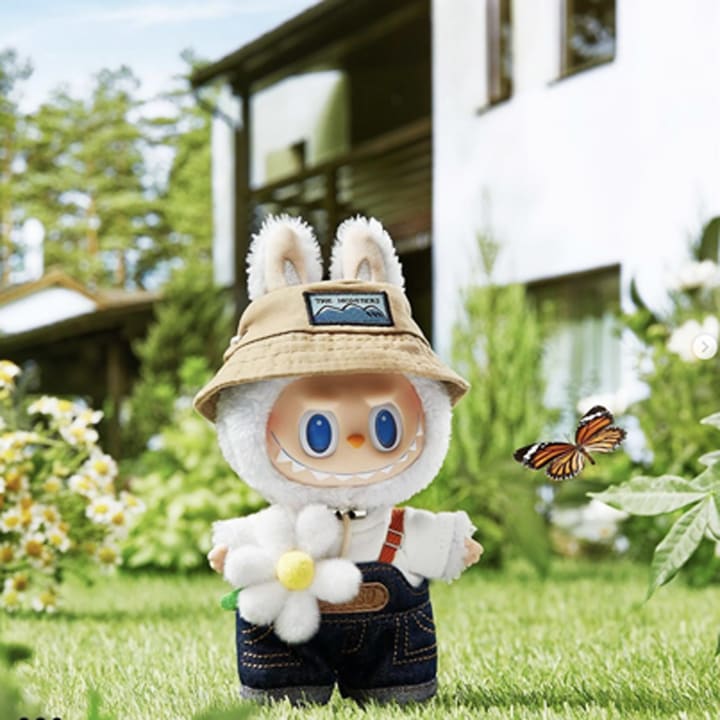
At first glance, Labubu looks like something straight out of a dream (or nightmare, depending on your taste). With its eerie grin, haunting-yet-lovable face, and eclectic range of costumes—from forest elf to galaxy explorer—each version tells a tiny story.
But beyond its aesthetics, Labubu taps into the universal human thrill of surprise and scarcity. There are over 300 variations released, each with its own rarity. Some are common, some ultra-rare "secret editions." This blind-box format turns buying a toy into a gamble, a game, a treasure hunt.
Think about it: when you buy a Labubu, you’re not just getting a figure. You're playing the odds. Will you be one of the lucky few to get that neon space alien version? Or the ultra-rare Mega Labubu that collectors pay thousands for on secondary markets?
As with any lottery, the thrill is in the unknown.

The Celebrities Who Trying their Luck
Like wildfire, Labubu mania began to spread through Asia and beyond. It wasn’t long before the plush creature caught the attention of the global fashion elite.
In April 2024, BLACKPINK’s Lisa unknowingly kicked off a frenzy when she was spotted with a Labubu keychain clipped to her designer handbag. The internet noticed. Within days, Labubu had gone from niche toy to status symbol.
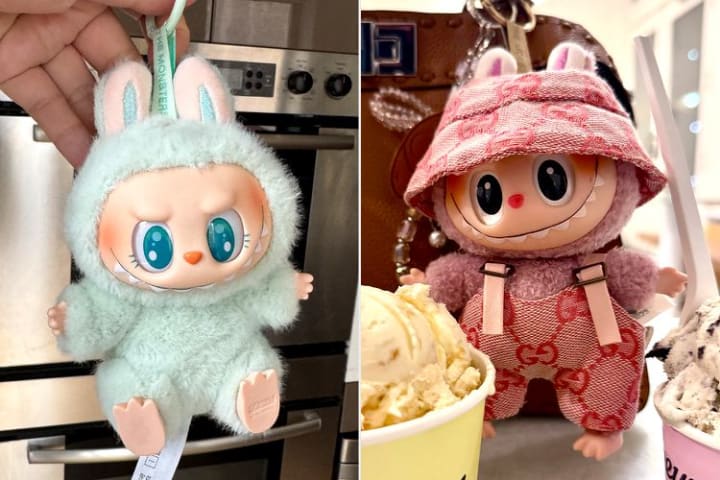
Soon, Rihanna was photographed at the airport in February 2025, pink Labubu proudly dangling from her Louis Vuitton tote. Kim Kardashian followed, flexing her own collection of Labubu dolls on Instagram Stories.
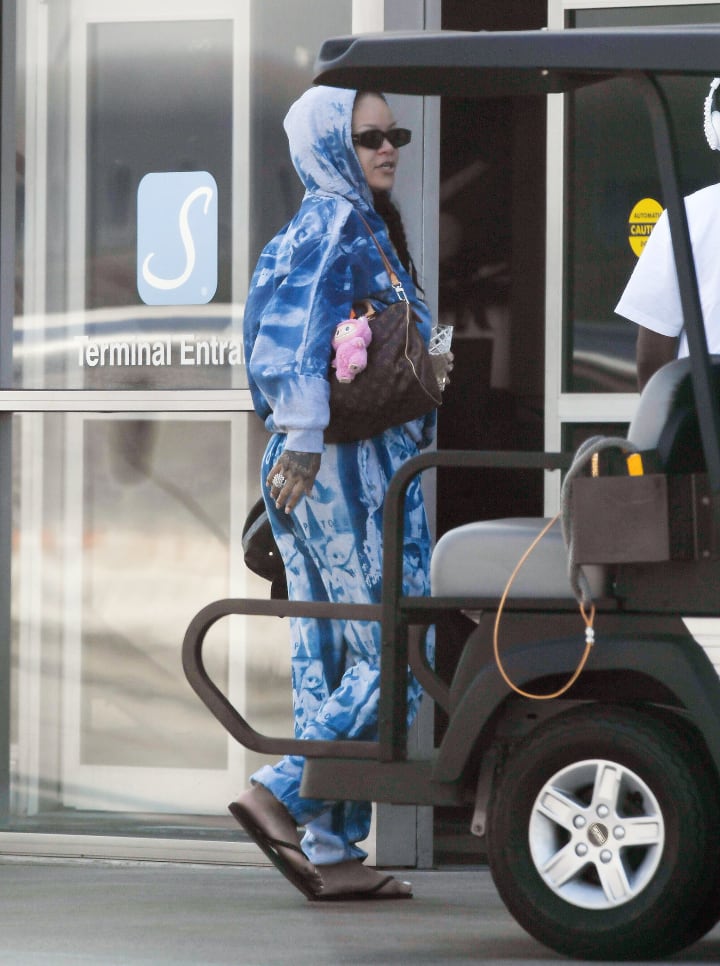
Dua Lipa? She brought hers to fashion week. David Beckham? He received one as a gift from his daughter and proudly attached it to his backpack.
Even Olympic gymnast Simone Biles and music legend Cher were seen with Labubus in tow.
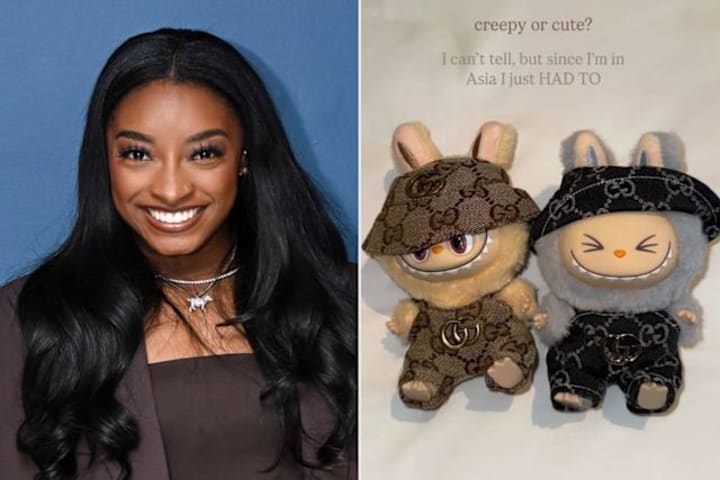
Bollywood didn’t stay behind either—Sharvari, Ananya Panday, and Twinkle Khanna have all shown off their quirky companions.
The message was clear: Labubu wasn’t just cute. It was cool & Lucky.
From Collectible to Cultural Icon
What started as a collectible soon became a fashion accessory, then a statement of personality. The culture around Labubu evolved fast. People began customizing their dolls with handmade clothes, placing them in dioramas, taking them on travel adventures, and sharing photos across TikTok and Instagram.
Labubu wasn’t confined to shelves; it lived in handbags, on dashboards, at the corner of work desks. There’s even a growing culture of spiritual appreciation—some collectors see their Labubu as a personal amulet or emotional anchor. Tattoos of the creature are showing up. There are shrines in homes. There are even Labubu-themed pop-ups and temple mascots across Southeast Asia.
But perhaps the most shocking headline came in Beijing, when a 4-foot-tall mint-green Labubu sold at auction for a jaw-dropping $170,000. It was official: Labubu wasn’t just adorable. It was an investment.
The Dark Side of Fame: Lafufu and Counterfeits
Where there's hype, there's imitation. As Labubu’s value soared, so did the number of knockoffs.
The most notorious fake? “Lafufu,” a bootleg version that mimics Labubu’s form but often has different color schemes and fewer teeth (yes, the number of teeth is a big deal in Labubu circles).
Collectors have become increasingly vigilant, learning to spot subtle differences in materials, packaging, and brand markings. Pop Mart, for its part, has increased anti-counterfeit efforts—even incorporating QR codes and online verification tools to confirm authenticity.
But the imitations haven’t stopped demand. If anything, they’ve amplified it. After all, only the real Labubu offers the full experience.
The Blind Box Economy: Playing with Luck

Labubu exists at the intersection of art, commerce, and chance. Pop Mart's business model thrives on unpredictability. Instead of buying exactly what you want, you're forced to engage with luck.
This lottery-style experience has proven so successful that it generated billions in yuan for Pop Mart. Many buyers don't stop at one. They buy whole cases, trade with other fans, and build digital communities dedicated to unboxing, reviewing, and analyzing odds. There's strategy. There's lore. There's even heartbreak.
It’s a dopamine-driven ecosystem, where the act of opening is just as joyful as the item inside. And that’s why Labubu isn't going anywhere anytime soon.
Will You Try Your Luck?
So, what does Labubu represent in 2025?
It’s not just a toy. It’s a statement—of nostalgia, playfulness, surprise, and modern consumer culture. It’s part art, part trend, and part pure magic. From its humble beginnings in a graphic novel to its throne atop fashion runways and auction stages, Labubu has become the embodiment of everything that makes collecting joyful.
And here’s the best part: you don’t need to be a celebrity to join in.
Go ahead, try your luck. Buy a blind box. Rip it open. Feel the thrill.
You might not get the rare one. But you’ll get something else: that fleeting, unforgettable moment of excitement. That spark of childlike wonder.
So we ask you—have you tried your luck for Labubu?
Maybe it’s time.
About the Creator
Shoaib Rehman
From mind idea to words, I am experienced in this exchange. Techincally written storeis will definetely means a lot for YOU. The emotions I always try to describe through words. I used to turn facts into visual helping words. keep In Touch.
Keep reading
More stories from Shoaib Rehman and writers in Geeks and other communities.
Vicky Cristina Barcelona (2008)
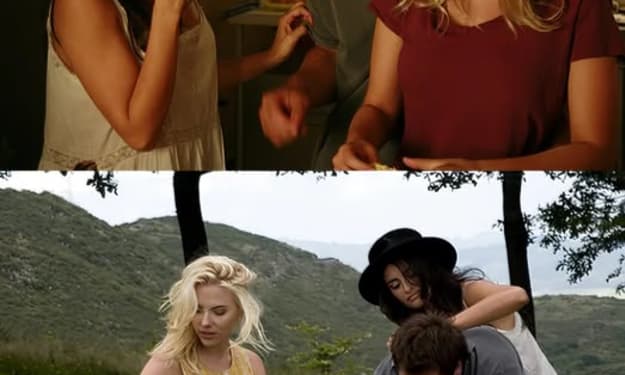
In the golden haze of a Barcelona summer — where the sun dips lazily over terracotta rooftops, where wine flows as freely as laughter, and the air hums with the romance of possibility — two American women arrive, unaware that this city is about to rewrite the map of their hearts.
By Shoaib Rehman8 months ago in Geeks
A Knight of the Seven Kingdoms Series Review (Season 1)
As one of the biggest properties in fantasy, A Song of Ice and Fire remains immensely popular with audiences. After reaching far into the past with House of the Dragon, a second spin-off was on the cards. A Knight of the Seven Kingdoms serves up a bite-sized slice of action and drama, but it still claims a spot among the best small-screen titles.
By Robert Cain7 days ago in Geeks
Final Polar Vortex Split: Late-Winter Stratospheric Wind Reversal Is Coming, Impacting the Weather into March
A dramatic shift is unfolding high above the Arctic — one that could shape weather patterns across the Northern Hemisphere well into March. Meteorologists are closely monitoring what is being described as the final polar vortex split of the season, accompanied by a late-winter stratospheric wind reversal.
By Aarif Lashari6 days ago in Geeks



Comments
There are no comments for this story
Be the first to respond and start the conversation.