
In Praise of Geeks
When Ella was in middle school, she tried to hide the fact that she loved comic books.
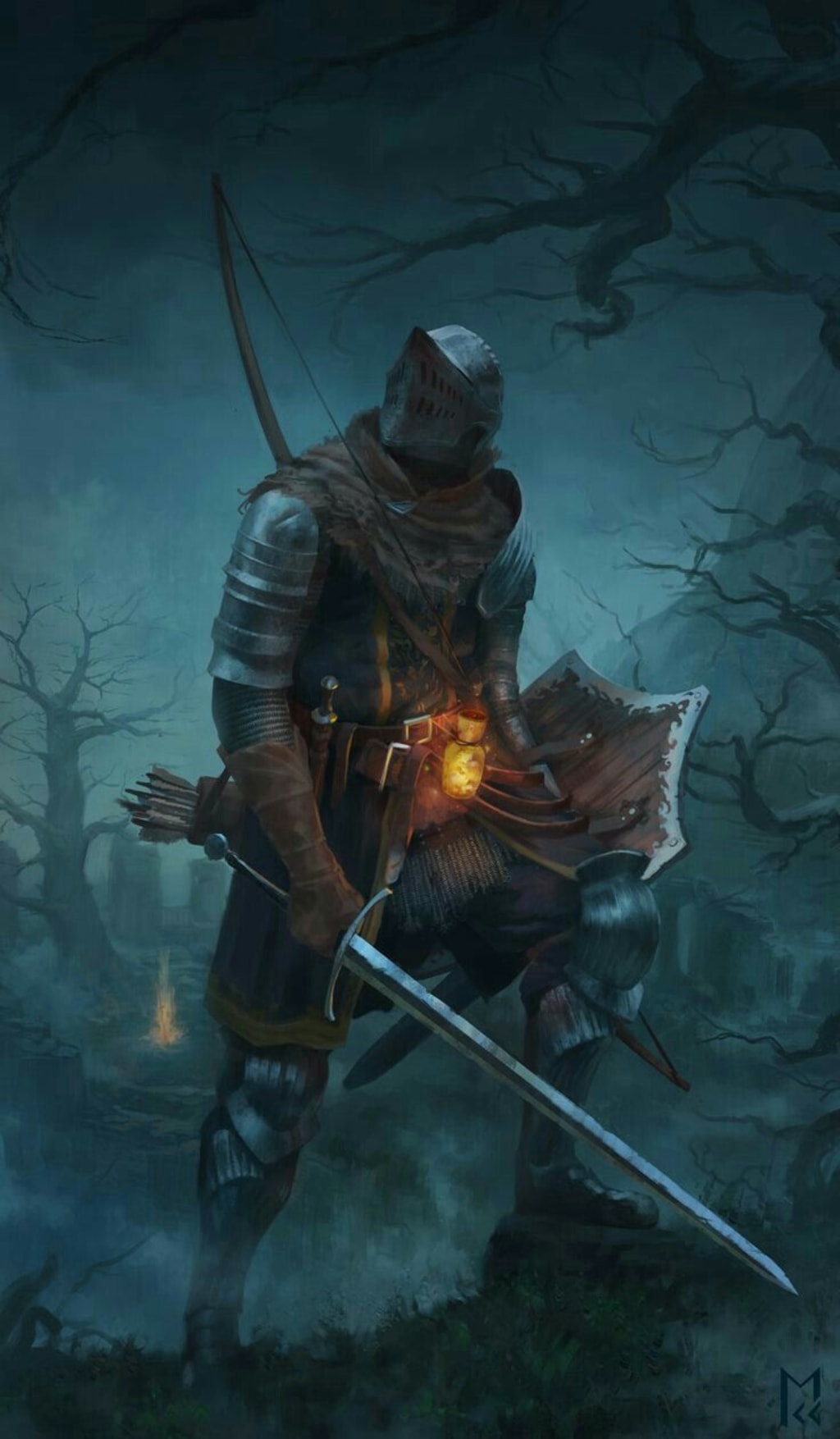
M Mehran
When Ella was in middle school, she tried to hide the fact that she loved comic books. She stuffed them into her backpack under math worksheets and only read them late at night with a flashlight. At school, kids tossed around the word “geek” like an insult, and Ella didn’t want to be the target.
Years later, standing in line for a midnight movie premiere, surrounded by hundreds of fans in superhero costumes, she realized something remarkable: the world had changed. Being a geek was no longer something to hide—it was something to celebrate.
But how did we get here? And what does it really mean to be a geek?
---
From Insult to Identity
The word geek once had sharp edges. In the early 20th century, it described carnival performers who bit the heads off chickens for shock value. By the mid-century, it shifted to mean awkward outsiders, kids who preferred chess over football, science over small talk.
But something happened in the late 20th and early 21st century. Computers entered homes. Video games became cultural staples. Comic books turned into billion-dollar movie franchises. Suddenly, the very things people mocked geeks for loving became mainstream.
What was once an insult transformed into a badge of honor. Being a geek meant being passionate, curious, and unapologetically enthusiastic.
---
What Geeks Love
Ella eventually embraced her geek side, and she found she wasn’t alone. Geeks gather around many things—science fiction, coding, tabletop games, anime, robotics, fantasy novels, collectible cards, and more. The common thread isn’t the subject matter but the intensity of love for it.
Geeks don’t just like something—they dive into it. They memorize lore, build fan theories, join online forums, and create fan art. They attend conventions, dress up as their favorite characters, and form communities where their passions are celebrated rather than ridiculed.
And it’s not limited to fiction. There are history geeks, language geeks, gardening geeks, even cheese geeks. If you care deeply and obsessively about something, congratulations—you qualify.
---
The Geek Revolution
The rise of geek culture wasn’t an accident. Technology gave it momentum. In the early 2000s, the internet allowed scattered fans to connect. No longer isolated in small towns or high schools, geeks found entire communities online that shared their interests.
Conventions exploded in popularity. Comic-Con grew from a niche gathering of comic book fans into a global phenomenon where Hollywood debuts trailers, game developers showcase new titles, and cosplayers flaunt elaborate creations.
Mainstream media followed. The Lord of the Rings, Harry Potter, The Avengers, Game of Thrones—all once considered “nerdy”—became cultural juggernauts. Geeks weren’t just part of the audience anymore; they were the audience.
---
The Heart of Geekdom
What sets geeks apart isn’t just passion—it’s curiosity. Geeks want to know how things work, why stories matter, and what lies beneath the surface.
Think of the coder who spends twelve hours debugging a program because they need to solve the puzzle. Or the fan who reads every spin-off novel in a series to understand the full universe. Or the hobbyist who spends weekends painting miniature figures with microscopic detail.
For geeks, obsession is joy. Deep engagement is fulfillment. And sharing that enthusiasm with others is the ultimate reward.
---
Challenges of Geek Culture
Of course, not everything in geekdom is sunshine and cosplay. As geek culture became mainstream, some communities struggled with gatekeeping. Old-school fans sometimes scoff at newcomers: “You’re not a real fan if you haven’t read every issue,” or “You only like it because of the movies.”
Toxic fandoms occasionally form, where passion turns into hostility—online harassment, exclusion, or bitter arguments over “canon.” The very spaces meant to celebrate love can sometimes foster division.
But at its best, geek culture isn’t about who knows the most trivia or who was there first. It’s about celebrating shared joy and making room for anyone who wants to join.
---
Ella’s Midnight Moment
Back at that midnight movie premiere, Ella looked around at the line wrapping around the block. There were kids in plastic masks, adults in elaborate costumes, couples holding hands while debating plot theories, and grandparents wearing superhero T-shirts.
When the theater doors opened, the crowd cheered—not just for the movie, but for each other. For the shared excitement. For the simple fact that they belonged.
As the lights dimmed and the film began, Ella thought about her younger self hiding comic books under homework. She wished she could reach back in time and whisper: Don’t hide. One day, the world will catch up to you.
---
Why We Need Geeks
At its core, geek culture teaches us something vital: it’s okay to care deeply. In a world that often prizes cool detachment, geeks remind us that joy, curiosity, and enthusiasm are worth celebrating.
Geeks build the future. The scientists who explore space, the engineers who design new technologies, the artists who imagine entire worlds—they all start with obsession. With fascination. With that spark of geekiness.
So whether you’re geeking out about coding languages, fantasy novels, birdwatching, or 3D printing, know this: you’re part of a tribe that has reshaped culture itself.
And if anyone ever tries to use “geek” as an insult, just smile. Because geeks already won
About the Creator
Keep reading
More stories from Muhammad Mehran and writers in Geeks and other communities.
The World of Geeks: More Than Just a Label
M Mehran For a long time, being called a “geek” felt like a label meant to isolate or tease. But for people like Ethan Parker, it was a badge of honor. Geeks weren’t just people obsessed with comics, video games, or technology—they were the dreamers, the creators, the thinkers, and the innovators shaping the future.
By Muhammad Mehran6 months ago in Geeks
The Politics of Playing Dress-Up
Well, to start off I'd like to say a happy world book day to all who celebrate. I know I haven't really posted anything on my socials about it but I'm not a jubilant kind of person. I lay low most of the time. Let's start off with a popular anecdote from the vaults...
By Annie Kapur4 days ago in Geeks


Comments
There are no comments for this story
Be the first to respond and start the conversation.