
If you know this words you have reached master level of English language
EDUCATION


Mastering the English Language: Words That Mark Advanced Proficiency
Learning a language is a lifelong journey. Whether it’s your native tongue or a second language, reaching a high level of fluency in English is no easy feat. But how do you know when you've reached a "master level"? While there is no definitive threshold, certain words and concepts reflect an advanced grasp of the English language. Mastering these words not only expands your vocabulary but also enhances your ability to express complex ideas with nuance and precision. Here are some words that, when fully understood and used correctly, indicate a high level of mastery in English.
1. Ineffable
Meaning: Something too great or extreme to be expressed in words.
Using the word ineffable implies that you recognize the limits of language. This word is often used to describe feelings or experiences that transcend ordinary language, such as overwhelming joy, beauty, or even sorrow. It reflects a deep emotional awareness, as well as a sophisticated vocabulary.
- Example: "The beauty of the sunset was ineffable, leaving us all in silent awe."
2. Ephemeral
Meaning: Lasting for a very short time.
The word ephemeral represents the fleeting nature of something, whether it’s an emotion, experience, or object. Mastering this word shows your ability to discuss temporality and change with eloquence.
- Example: "Youth is ephemeral, but the wisdom it brings can last a lifetime."
3. Serendipity
Meaning: The occurrence of events by chance in a happy or beneficial way.
Serendipity is a beautiful word that represents the unplanned discovery of something good. It often appears in literature, especially when describing fortuitous events that occur by chance rather than through intent or planning.
- Example: "It was sheer serendipity that led me to find my dream job on a chance encounter."
4. Discombobulate
Meaning: To confuse or disconcert; upset; frustrate.
The playful and unusual sound of discombobulate belies its sophisticated meaning. Using this word with precision demonstrates a nuanced understanding of language, showing that you can handle both formal and less common vocabulary.
- Example: "The sudden change in plans discombobulated everyone in the meeting."
5. Quintessential
Meaning: Representing the most perfect or typical example of a quality or class.
To use quintessential is to express the idea of something being the best example of its kind, embodying the essential characteristics of a category or concept.
- Example: "Her performance was the quintessential example of grace under pressure."
6. Ubiquitous
Meaning: Present, appearing, or found everywhere.
Ubiquitous is an excellent word for describing something widespread or omnipresent. It often appears in academic writing, journalism, and literary works, signaling an advanced ability to describe pervasive phenomena.
- Example: "Smartphones have become ubiquitous in modern society."
7. Ebullient
Meaning: Cheerful and full of energy.
Ebullient goes beyond merely describing someone as happy or energetic. It conveys a sense of overflowing enthusiasm and vivacity. Using it correctly shows that you have a keen understanding of subtle emotional shades in English.
- Example: "Her ebullient personality was infectious, and soon the entire room was laughing."
8. Obfuscate
Meaning: To render obscure, unclear, or unintelligible.
To obfuscate means to make something more difficult to understand, often deliberately. This word is frequently used in both technical and creative contexts, where complexity is either a feature or a hindrance.
- Example: "The lawyer’s attempt to obfuscate the facts only made the jury more suspicious."
9. Lugubrious
Meaning: Looking or sounding sad and dismal.
Lugubrious is a wonderfully evocative word for describing someone or something that appears mournful or gloomy. It is particularly effective in literary or descriptive writing, demonstrating a refined ability to convey mood.
- Example: "The lugubrious tune played by the violin seemed to echo the sorrow in her heart."
10. Pernicious
Meaning: Having a harmful effect, especially in a gradual or subtle way.
Pernicious implies something damaging but in a way that’s not immediately obvious. It's often used to discuss issues that worsen over time, making it a valuable word for academic or professional settings.
- Example: "The pernicious influence of misinformation on social media is becoming harder to ignore."
11. Equanimity
Meaning: Mental calmness, composure, and evenness of temper, especially in a difficult situation.
Having equanimity means maintaining your calm under pressure, and the word itself is a mark of maturity and emotional intelligence. Its use in conversation signals a deep awareness of how people handle stress.
- Example: "Even in the face of criticism, she maintained her equanimity and responded thoughtfully."
12. Sesquipedalian
Meaning: A person who uses long words; or characterized by long words.
The irony of sesquipedalian is that it’s a long, complicated word used to describe people who use long, complicated words! Being able to employ it in the right context, perhaps with a touch of humor, is a sure sign of language mastery.
- Example: "His sesquipedalian style made him sound erudite, but at times, it bordered on pretentious."
Conclusion
Reaching a master level in the English language involves more than just knowing an extensive range of vocabulary. It requires understanding the subtleties, cultural nuances, and emotional depths of words. The words listed above reflect not just advanced vocabulary but an ability to express complex ideas, emotions, and abstract concepts—hallmarks of true language proficiency. Once you’re comfortable using them in conversation, writing, and thought, you can confidently say you’ve reached a master level in English.
About the Creator
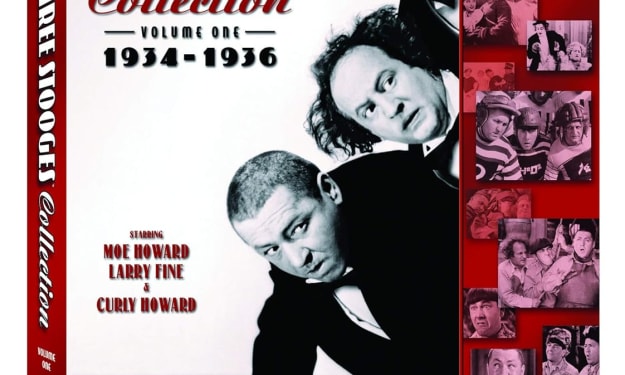
History of The Three Stooges (Part I: The Beginnings and Columbia Pictures - 1920s-1936)
I have been itching to write about The Three Stooges on Vocal for close to two years, but I couldn't figure out how to do it. I wanted to do it by third Stooge, but that's a bit complicated. I know this much. I was about eight or nine years old when I first saw The Three Stooges. I remember one of my local channels had the Stooges on for hours, and I tried my damnedest to be up for those shorts. I remember that the Family Channel actually had an hour of the Stooges on from 11PM to midnight, and it was the entire library on during that time.
By Clyde E. Dawkins4 days ago in Geeks
Timothée Chalamet and the Quiet Power of Modern Acting
Some actors enter the film world with loud fame and immediate headlines. Others arrive more quietly, building trust with audiences through honest performances and thoughtful choices. Timothée Chalamet belongs to the second group. Over the past few years, his presence in cinema has grown steadily, not because of constant publicity, but because viewers feel something real in his acting. Many people first noticed Timothée Chalamet through emotional roles that captured the confusion and beauty of youth. Since then, he has continued choosing characters that feel personal and human. His journey shows how modern actors can connect deeply with audiences. To understand the lasting appeal of Timothée Chalamet, it helps to look closely at his background, his acting style, and the thoughtful path that shaped his career.
By Muqadas khanabout 3 hours ago in Geeks
A Transparent Look at Vocal Challenges and Top Stories
Almost three years ago, we shared a resource article that served as a place for people to suggest new challenge prompts. We thought it would be a good idea to refresh that thread, and take the opportunity to answer a few common questions about top stories, how challenges are judged and how submissions are reviewed.
By Vocal Curation Team4 days ago in Resources



Comments
There are no comments for this story
Be the first to respond and start the conversation.