
How IoT Hardware Development Companies Are Transforming Healthcare with Wearable Devices
IoT Hardware in Healthcare: Transforming Care with Wearables

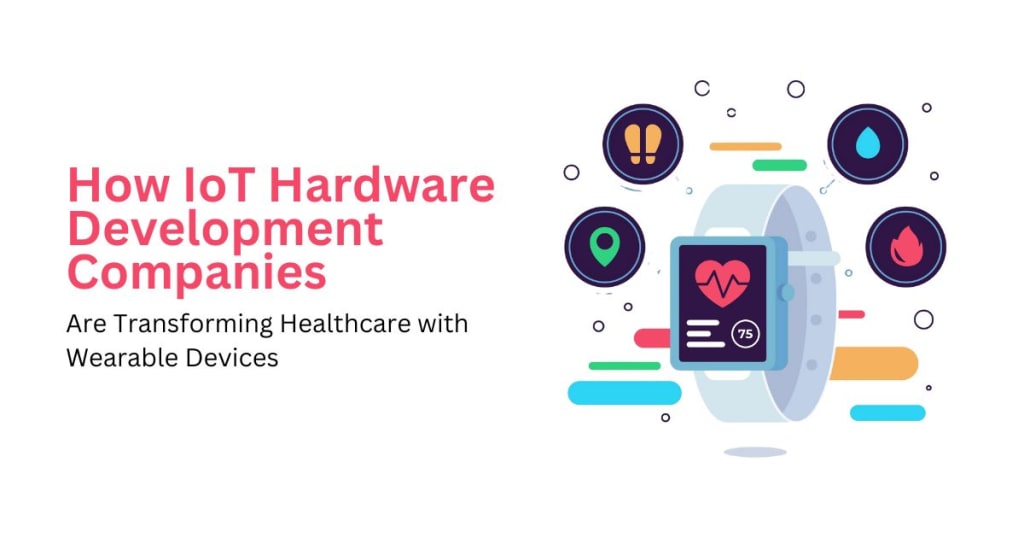
The Internet of Things (IoT) has brought significant changes to various sectors, with healthcare being one of the most affected. IoT hardware development companies play a crucial role in this transformation, especially through the creation of wearable devices. These devices provide real-time data, enhance patient care, and improve health outcomes. This article explores how these companies are reshaping healthcare through innovative IoT hardware design services.
Understanding IoT in Healthcare
IoT refers to a network of interconnected devices that communicate and exchange data. In healthcare, IoT devices collect and analyze patient data, enabling better management and treatment of health conditions.
Key Features of IoT in Healthcare
- Real-time Monitoring: Wearable devices can track vital signs and other health metrics in real-time.
- Data Analytics: Collected data can be analyzed to provide insights into patient health.
- Remote Care: Healthcare providers can monitor patients remotely, reducing the need for hospital visits.
- Personalized Treatment: Data-driven insights allow for customized treatment plans.
The Role of IoT Hardware Development Companies
IoT hardware development companies design and manufacture devices that integrate sensors, software, and connectivity. Their expertise is vital in creating effective and reliable wearable devices.
What Are IoT Hardware Design Services?
IoT hardware design services encompass the entire process of developing IoT devices, including:
- Concept Development: Ideation and planning of the device features and functionalities.
- Prototyping: Creating initial versions of the device for testing and feedback.
- Production: Manufacturing the final product, ensuring quality and compliance.
- Integration: Ensuring the device works seamlessly with software applications and platforms.
Examples of IoT Hardware Development Companies
Several companies have made significant contributions to healthcare through wearable devices:
- Apple: The Apple Watch offers health monitoring features, including heart rate tracking and ECG capabilities.
- Fitbit: Known for fitness trackers, Fitbit devices monitor activity levels, heart rate, and sleep patterns.
- Garmin: Garmin provides wearables focused on fitness and health metrics, appealing to athletes and health enthusiasts.
How Wearable Devices Are Transforming Healthcare
Wearable devices have the potential to revolutionize healthcare in various ways. Here are some key impacts:
1. Enhanced Patient Monitoring
Wearable devices allow for continuous monitoring of patient health. This capability leads to early detection of health issues, enabling timely intervention.
Statistics: According to a report by Grand View Research, the global wearable medical device market is expected to reach $27.8 billion by 2026, growing at a CAGR of 23.7%.
2. Improved Chronic Disease Management
Patients with chronic conditions can benefit greatly from wearable devices. For example, diabetes patients can use continuous glucose monitors to track their blood sugar levels in real-time.
Case Study:
A study published in the Journal of Diabetes Science and Technology found that patients using continuous glucose monitoring devices experienced better glycemic control compared to those using traditional monitoring methods.
3. Increased Patient Engagement
Wearable devices encourage patients to take an active role in managing their health. Many devices come with apps that provide insights, reminders, and educational resources.
4. Data-Driven Insights
The data collected from wearables can be analyzed to identify trends and patterns. This information can help healthcare providers make informed decisions regarding patient care.
5. Remote Patient Care
Wearable devices facilitate telehealth services by enabling remote monitoring. Healthcare providers can check patient data from afar, reducing the need for in-person visits.
Example: Telehealth platforms integrate data from wearable devices, allowing physicians to monitor patients’ health metrics during consultations.
Challenges in IoT Hardware Development for Healthcare
Despite the numerous benefits, there are challenges in developing IoT hardware for healthcare:
1. Data Security and Privacy
Health data is sensitive and must be protected. IoT hardware development companies must implement robust security measures to safeguard patient information.
2. Regulatory Compliance
Wearable devices must comply with health regulations like HIPAA in the United States. Navigating these regulations can be complex for developers.
3. Interoperability
Wearable devices need to integrate with existing healthcare systems and platforms. Ensuring compatibility can be a significant hurdle.
4. Battery Life and Device Longevity
Wearable devices must be energy-efficient to ensure long battery life. Developers must consider this in the hardware design process.
Future Trends in IoT Hardware for Healthcare
The future of wearable devices in healthcare looks promising, with several trends emerging:
1. Increased Adoption of AI
Integrating artificial intelligence (AI) into wearable devices will enhance data analysis and provide more accurate health insights.
2. Expansion of Remote Monitoring
The demand for remote monitoring solutions will continue to grow, especially post-pandemic. Wearable devices will play a vital role in this shift.
3. Enhanced Personalization
As data collection improves, healthcare providers can offer more personalized treatment plans based on individual patient data.
4. Growth of Blockchain Technology
Blockchain can provide secure data-sharing solutions for IoT devices. This technology enhances security and builds trust among users.
How to Choose the Right IoT Hardware Development Company
Selecting the right IoT hardware development company is crucial for successful healthcare projects. Here are key factors to consider:
1. Expertise in Healthcare IoT
Look for companies that specialize in healthcare IoT solutions. Their experience will be invaluable in navigating industry-specific challenges.
2. Portfolio of Previous Projects
Review their portfolio to assess the quality and relevance of their previous work. Successful case studies indicate their capability.
3. Quality of IoT Hardware Design Services
Evaluate their design services to ensure they can deliver a reliable and effective product. Ask about their design process and methodologies.
4. Post-Launch Support
Inquire about their post-launch support services. Continuous support is essential for maintaining and updating wearable devices.
5. Client Testimonials
Check reviews and testimonials from previous clients. Positive feedback indicates a reputable company with a history of successful collaborations.
Conclusion
IoT hardware development companies are significantly transforming healthcare through innovative wearable devices. These devices enhance patient monitoring, improve chronic disease management, and facilitate remote care. As the industry evolves, the demand for advanced IoT hardware design services will continue to grow.
Developers will need to address challenges such as data security and regulatory compliance. By understanding current trends and choosing the right development partner, healthcare providers can leverage wearable technology to improve patient outcomes. The future of healthcare looks bright, with IoT devices leading the way toward better health management and patient care.
About the Creator
William Smith
I am an informative tech blogger exploring a wide range of topics, including web, mobile, IoT, etc.
Keep reading
More stories from William Smith and writers in Geeks and other communities.
Top Trends in IoT Hardware Development: What You Need to Know in 2024
The Internet of Things (IoT) is advancing at a rapid pace, revolutionizing industries and transforming everyday life. From smart homes to connected healthcare and industrial automation, IoT is reshaping how we interact with the world. Behind every IoT application lies sophisticated hardware that enables devices to collect, process, and communicate data. As we move into 2024, the landscape of IoT hardware development is evolving, bringing new opportunities and challenges for businesses, developers, and consumers.
By William Smithabout a year ago in Geeks
History of The Three Stooges (Part I: The Beginnings and Columbia Pictures - 1920s-1936)
I have been itching to write about The Three Stooges on Vocal for close to two years, but I couldn't figure out how to do it. I wanted to do it by third Stooge, but that's a bit complicated. I know this much. I was about eight or nine years old when I first saw The Three Stooges. I remember one of my local channels had the Stooges on for hours, and I tried my damnedest to be up for those shorts. I remember that the Family Channel actually had an hour of the Stooges on from 11PM to midnight, and it was the entire library on during that time.
By Clyde E. Dawkins4 days ago in Geeks
Timothée Chalamet and the Quiet Power of Modern Acting
Some actors enter the film world with loud fame and immediate headlines. Others arrive more quietly, building trust with audiences through honest performances and thoughtful choices. Timothée Chalamet belongs to the second group. Over the past few years, his presence in cinema has grown steadily, not because of constant publicity, but because viewers feel something real in his acting. Many people first noticed Timothée Chalamet through emotional roles that captured the confusion and beauty of youth. Since then, he has continued choosing characters that feel personal and human. His journey shows how modern actors can connect deeply with audiences. To understand the lasting appeal of Timothée Chalamet, it helps to look closely at his background, his acting style, and the thoughtful path that shaped his career.
By Muqadas khanabout 4 hours ago in Geeks
A System That Isn’t Working Challenge Winners
Systems promise order. They organize behavior, distribute opportunity, and suggest that if everyone follows the rules, things will work. The entries in A System That Isn’t Working look closely at what happens when that promise begins to slip.
By Vocal Curation Team5 days ago in Resources




Comments
There are no comments for this story
Be the first to respond and start the conversation.