
How IoT Hardware Development Companies are Enabling Smart Cities and Urban Innovation
The Role of IoT Hardware in Building Smarter, More Efficient Cities

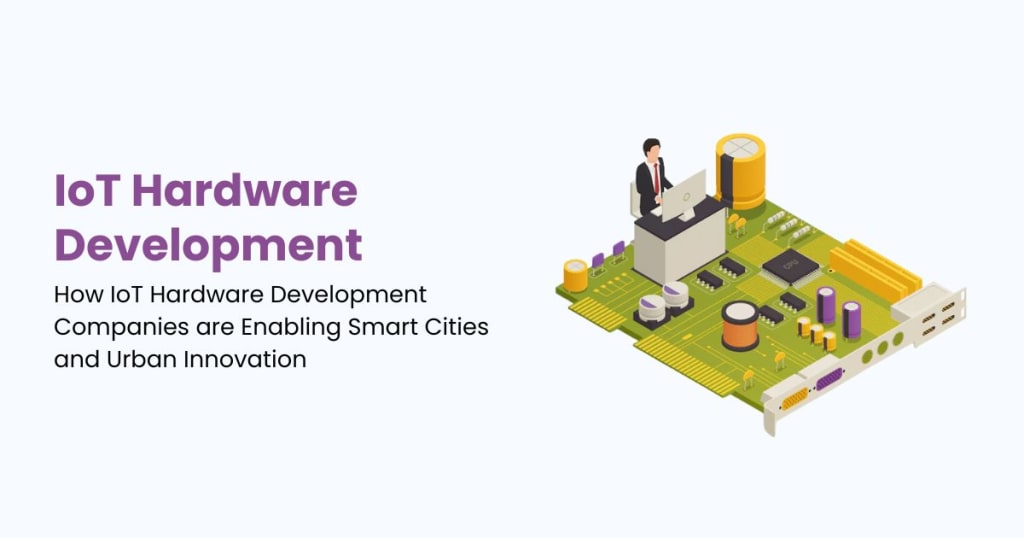
The rise of smart cities has become one of the most exciting technological shifts in urban development. According to a Statista report, the global smart cities market size is expected to reach $1.7 trillion by 2026. A critical component of this transformation is the role of IoT hardware development companies. These companies provide the necessary infrastructure and technologies that enable the integration of Internet of Things (IoT) devices into city systems. By developing IoT hardware solutions, they help improve the functionality, efficiency, and sustainability of urban environments.
In this article, we will explore how IoT hardware development companies and their IoT hardware integration services are transforming cities around the world and enabling urban innovation.
The Role of IoT in Smart Cities
IoT (Internet of Things) refers to the network of physical devices that communicate with each other via the internet. These devices are embedded with sensors, software, and other technologies to collect and exchange data. In the context of smart cities, IoT plays a central role in transforming urban infrastructure by enabling cities to become more efficient, sustainable, and connected.
Smart cities rely on IoT devices to manage a variety of critical urban services, including:
- Traffic management and control
- Energy usage and distribution
- Public safety
- Waste management
- Healthcare services
As urban populations grow, cities face increasing pressure to provide essential services in a more efficient and sustainable manner. IoT devices enable this by creating a real-time network of data that city planners and administrators can use to make informed decisions.
How IoT Hardware Development Companies Enable Smart Cities
1. Designing IoT Hardware for Urban Infrastructure
An IoT hardware development company plays a pivotal role in designing the physical devices that power smart city solutions. These companies specialize in developing sensors, connectivity modules, gateways, and other hardware components that are required to make cities smarter. Without these devices, IoT would not be able to function in a meaningful way.
Key Hardware Components in Smart City Infrastructure
Component
1. Smart Sensors: Monitor environmental factors such as air quality, temperature, and traffic conditions.
Example: Bosch BME680, Honeywell Air Quality Sensors
2. Connectivity Modules: Enable communication between IoT devices and networks.
Example: LoRaWAN, 5G Modules
3. Edge Computing Devices: Process data locally, reducing latency in critical applications.
Example: NVIDIA Jetson, Raspberry Pi
4. Smart Meters: Measure energy consumption and help optimize resource use.
Example: Schneider Electric, Siemens Smart Meters
These hardware components are integral to managing and optimizing urban infrastructure. Whether it is monitoring air quality or controlling traffic signals, each IoT device needs specific hardware designed for its purpose. This is where IoT hardware development companies come in, creating solutions that are tailored to the needs of smart cities.
2. IoT Hardware Integration Services for Seamless Connectivity
An essential part of implementing IoT solutions in smart cities is IoT hardware integration services. These services are provided by companies that specialize in connecting IoT devices to networks and ensuring seamless communication between them. Effective integration is critical because smart cities involve large-scale systems where different IoT devices need to work together efficiently.
Challenges in IoT Hardware Integration
- Interoperability: IoT devices from different manufacturers may use different communication protocols or data formats. Integration services ensure that these devices can work together seamlessly.
- Scalability: As cities grow, so does the need for more devices. IoT hardware integration services help ensure that new devices can be added without disrupting the system.
- Data Security: Securing data across an interconnected system of devices is a challenge. Integration services help ensure that devices are connected in a way that protects sensitive information.
By providing IoT hardware integration services, companies can connect sensors, meters, cameras, and other devices, allowing data to flow between different parts of the city. This seamless connectivity is crucial for optimizing city services and ensuring that they function in real-time.
3. Smart Traffic Management Systems
Traffic congestion is a major issue in urban environments. Smart cities use IoT devices to monitor traffic flow, manage signal timings, and provide real-time updates to drivers. IoT hardware development companies design traffic sensors, cameras, and intelligent traffic lights that are integrated into the city’s transportation network.
Example: Smart Traffic Systems in Barcelona
Barcelona is a global leader in smart city innovation. The city uses a network of smart traffic lights and sensors to monitor real-time traffic data. This system helps adjust traffic signals based on traffic volume, ensuring smoother traffic flow. The IoT hardware for this system includes sensors that detect vehicle presence and cameras that track traffic patterns. The hardware is integrated into a central system, allowing for dynamic changes to traffic control based on real-time conditions.
4. Smart Energy and Resource Management
Energy consumption is one of the largest contributors to urban carbon footprints. Smart grids and smart meters, powered by IoT devices, enable cities to monitor and manage energy usage more effectively. IoT hardware development companies create the hardware needed for smart energy meters, sensors for monitoring electricity distribution, and edge computing devices for local data processing.
Example: Smart Grid in New York City
New York City has been investing heavily in its smart grid infrastructure. The smart grid uses IoT sensors and smart meters to monitor energy usage in real-time. This data is used to optimize the distribution of electricity, detect faults, and even reduce energy consumption during peak hours. IoT hardware, such as smart meters, sensors, and communication modules, are essential for the effective operation of the smart grid.
5. Smart Waste Management
Managing urban waste efficiently is a challenge faced by every city. IoT devices, such as smart waste bins and sensors, are being used to improve waste collection and disposal. These devices monitor the fill levels of waste bins and alert waste management companies when they need to be emptied.
Example: Smart Waste Management in Seoul
Seoul, South Korea, has implemented a smart waste management system where sensors in trash bins monitor the volume of waste. The data is sent to a central platform, which then optimizes waste collection routes and schedules. This helps reduce unnecessary trips and cuts down on fuel consumption. The IoT hardware used includes ultrasonic sensors for waste level monitoring and communication modules for data transmission.
6. Public Safety and Surveillance
Public safety is a top priority in any city. IoT-enabled security systems, including smart cameras, motion sensors, and facial recognition technologies, are becoming an integral part of smart city infrastructure. IoT hardware development companies design the hardware necessary for these systems to function effectively.
Example: Smart Surveillance in London
London uses an extensive network of smart surveillance cameras to enhance public safety. These cameras use real-time data and artificial intelligence to identify suspicious behavior and alert authorities immediately. The hardware used in this system includes high-definition cameras, motion detectors, and communication modules that send data to a central system for analysis.
7. Healthcare and Urban Well-being
IoT in healthcare is another key area for smart cities. With IoT-enabled healthcare devices, cities can improve healthcare services by remotely monitoring patient health and providing real-time data to medical professionals. IoT hardware development companies create wearable devices, smart diagnostic tools, and health monitoring systems that contribute to urban well-being.
Example: IoT Healthcare in Singapore
Singapore is known for its cutting-edge healthcare infrastructure. The city-state has implemented an IoT-based healthcare monitoring system that collects data from wearable health devices, such as smartwatches and fitness trackers, to monitor citizens' health. The data is analyzed to detect early warning signs of health issues, allowing for proactive healthcare. The IoT hardware involved includes sensors, smart bands, and communication modules.
Future of IoT Hardware in Smart Cities
As cities continue to evolve into smarter, more connected environments, the demand for IoT hardware development companies and IoT hardware integration services will only grow. The future of smart cities will involve more advanced devices and systems that collect, analyze, and act on data in real time.
Some key trends shaping the future of IoT in smart cities include:
- 5G Connectivity: The rollout of 5G networks will enable faster data transmission and lower latency, making it easier to implement large-scale IoT systems in cities.
- Edge Computing: Edge devices will process data locally, reducing the need for extensive data transfer to centralized servers and improving system efficiency.
- AI Integration: Artificial intelligence (AI) will be integrated into IoT systems to enable smarter decision-making and predictive analytics.
Conclusion
IoT hardware development companies and their IoT hardware integration services play a crucial role in enabling the smart cities of today and tomorrow. By designing and integrating innovative IoT devices, these companies are helping cities become more efficient, sustainable, and connected. From smart traffic management to healthcare and public safety, the impact of IoT hardware in urban innovation is undeniable.
As smart cities continue to grow, the collaboration between IoT hardware development companies and urban planners will be essential to shaping the future of our cities. With the continuous advancements in IoT hardware and integration, the next decade will witness significant improvements in urban living, making our cities smarter, safer, and more sustainable.
Frequently Asked Questions (FAQs)
1. What is the role of an IoT hardware development company?
An IoT hardware development company designs and manufactures the physical devices needed for IoT solutions, such as sensors, smart meters, and connectivity modules. These devices are essential for enabling communication and data exchange in IoT systems.
2. How do IoT hardware integration services work?
IoT hardware integration services help connect different IoT devices within a system. These services ensure that the devices can communicate with each other and operate seamlessly, enabling data to flow smoothly across different parts of a smart city.
3. What are some examples of IoT applications in smart cities?
Examples of IoT applications in smart cities include smart traffic management systems, smart grids for energy distribution, smart waste management, public safety and surveillance systems, and healthcare monitoring solutions.
4. How does IoT improve urban sustainability?
IoT devices help monitor and manage resources like energy, water, and waste more efficiently. By using real-time data to optimize consumption, cities can reduce their environmental impact and make urban living more sustainable.
5. What challenges do IoT hardware development companies face in smart cities?
Challenges include ensuring interoperability between devices from different manufacturers, maintaining data security, and designing hardware that can scale as cities grow. Integration and system management are also key challenges that IoT hardware companies need to address.
About the Creator
William Smith
I am an informative tech blogger exploring a wide range of topics, including web, mobile, IoT, etc.
Keep reading
More stories from William Smith and writers in Geeks and other communities.
Top 10 Tools and Frameworks for Efficient Android Development in 2025
The Android ecosystem continues to evolve, offering developers cutting-edge tools and frameworks to create powerful, efficient applications. With over 3.5 million apps on Google Play Store (Statista, 2023) and Android's dominance in the global mobile OS market (71.7% as of 2023), the demand for innovative solutions has never been higher.
By William Smithabout a year ago in Geeks
A Knight of the Seven Kingdoms Series Review (Season 1)
As one of the biggest properties in fantasy, A Song of Ice and Fire remains immensely popular with audiences. After reaching far into the past with House of the Dragon, a second spin-off was on the cards. A Knight of the Seven Kingdoms serves up a bite-sized slice of action and drama, but it still claims a spot among the best small-screen titles.
By Robert Cain13 days ago in Geeks
Venonat Exposed: The Bug Pokémon That Turns Tiny Fuzzballs Into Poisonous Powerhouses
Venonat is one of the most underestimated Pokémon in the series, often mistaken for a simple, harmless bug due to its round, fuzzy body and large, bright eyes. However, beneath its soft exterior lies a creature capable of considerable battlefield influence through status effects, toxic attacks, and surprising tactical adaptability. Its combination of Bug- and Poison-type abilities allows it to exploit weaknesses in a variety of opponents, making Venonat a versatile addition to any trainer’s team who understands how to leverage its unique attributes.
By Lukáš Hrdlička3 days ago in Geeks



Comments
There are no comments for this story
Be the first to respond and start the conversation.