
How comics industry evolve in the last two decades?
The comics industry has undergone significant evolutions in the last two decades.

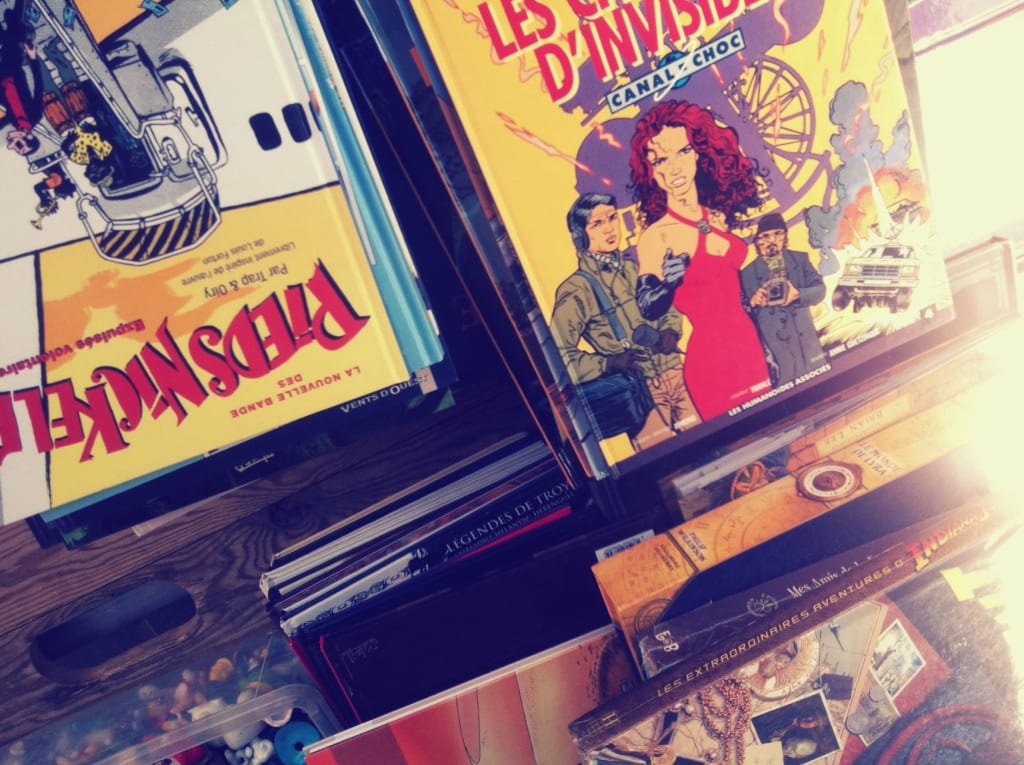
The comics industry has undergone significant evolutions in the last two decades. The industry has transformed into a sophisticated and rapidly growing market. Additionally, advances in technology and modes of communication have enabled the industry to reach new audiences globally, making it more dynamic and inclusive. In this article, we delve into the evolution of the comic industry in the last two decades.
The first evolution of the comic industry is characteristically a switch from an exclusive market to a more inclusive market. Historically, the industry was associated with male-dominated readership with superheroes geared towards young men. However, with time, the industry has witnessed an influx of diverse talents and audience. Accordingly, comics now appeal to wider readership, including young adults and kids, and women.
The second evolution of the comic industry is internet-driven. The online comic market has ushered a new era in the industry. The unlimited availability of comics online presents a significant boost to the industry's growth, and the trend is expected to continue. Online publications, subscriptions, and digital downloads have been the driving force behind the online market revolution.
The third evolution of the comic industry has been a rapid adjustment to changing political and social landscapes. Comics that represent various cultural backgrounds are gaining popularity. Consequently, the industry has witnessed a shift to more diverse characters, authors, and themes. This trend has been put into effect by publishers who are aware of the need to integrate readers from various backgrounds.
The fourth revolution in the industry has been the accessibility of comics to all age groups. Now, comics are tailored to be read by all age ranges. The trend of graphic novels being recommended reading material in high schools and universities has become popular. Adults are no longer ashamed to read graphic novels and comics, and this has significantly brought more profits to the industry.
The fifth evolution in comics has been quality improvement in materials and designs. Comic artists have started to focus more on producing visually appealing artwork that makes readers want to keep coming back for more. The use of high-quality materials to produce the illustrations and comics has also become more common. The emergence of specialized printing shops that cater to the needs of the industry has revolutionized this.
Furthermore, the sixth evolution in comics has been the growth of the independent market. The indie market has experienced steady growth, and indie books have become highly appreciated in the comics industry. With the development of social media, indie books have been exposed to a wider audience, and with the online marketplaces such as Amazon, it’s much easier to independently publish comics and sell them online.
Moreover, the seventh evolution in comics has been the steady shift to more diverse genres. Comic publishers are slowly realizing that they can sell a variety of genres and themes, not only superhero stories. This evolution has given rise to other genres such as horror, romance, and drama. The industry has now expanded to cater to multiple fantasies and preferences.
The eighth evolution in comics has been the use of marketing techniques. Advertising and promotions for comics have significantly increased over the years. Publishers have come up with innovative strategies to get people to read comics or come back for more. They create trailers, posters, teasers, and other forms of content that excite readers and make them feel part of the community.
The ninth evolution in comics has been the emphasis on the graphic novels. Graphic novels are an increasingly popular form of fiction that tells stories through artful composition and engaging dialogue. Graphic novels have become so popular that they have transcended the comic industry and entered mainstream literature. The trend has brought in a new audience and has given the comics industry more visibility than ever.
Lastly, the tenth evolution in comic books has been the embrace of diversity. The industry has come a long way from the initial readership and themes that were predominantly superhero stories. The comics industry has gradually embraced diversity, both in terms of storytelling and representation of characters. The industry continues to build an inclusive and welcoming environment for all readers regardless of their cultural backgrounds.
In conclusion, the comics industry has undergone very distinct transformations in the last two decades. From a male-dominated and exclusive market to a more inclusive, diverse, and expanding industry, the positive contributions of these evolutions to the industry are significant. The comics industry has become more innovative in its products, services, and marketing strategies. The emergence of the internet and social media has made the comics industry more accessible to a global audience. We can only wait to see the next chapter in the evolution of the comics industry.
About the Creator
Goran Milijakic
Hailing from the beautiful Ireland, I relocated to the United States to pursue my passion for cultural enrichment. Immersed in various art forms from a young age, I have now become an avid enthusiast of all things culture-related.
Keep reading
More stories from Goran Milijakic and writers in Geeks and other communities.
Why villains are often more interesting then heroes?
In every story, there is a hero who is responsible for saving the day and a villain who is responsible for creating obstacles. However, villains always seem to be much more interesting than heroes. The question is, why? In this article, we will discuss why villains are often more interesting than heroes.
By Goran Milijakic3 years ago in Geeks
A Knight of the Seven Kingdoms Series Review (Season 1)
As one of the biggest properties in fantasy, A Song of Ice and Fire remains immensely popular with audiences. After reaching far into the past with House of the Dragon, a second spin-off was on the cards. A Knight of the Seven Kingdoms serves up a bite-sized slice of action and drama, but it still claims a spot among the best small-screen titles.
By Robert Cain6 days ago in Geeks



Comments
There are no comments for this story
Be the first to respond and start the conversation.