
Fairytales and Fantasy in 2021
2021 was a very busy year for the Fairytale/Fantasy subgenre...
In many ways, 2021 was a frustrating year. Though vaccines and carefully applied restrictions reduced the fatalities caused by COVID 19, case numbers remained high throughout the year, with new variants causing several unpleasant spikes that led to considerable panic. Politics remained polarised - with the far-right populists who have dominated in recent years refusing to yield - and the “culture wars” over a variety of difficult and sensitive topics became uglier than ever. Freak weather events across the globe highlighted the extent of the Climate Crisis, and heavily hyped technological developments such as Space Voyages and Online NFT Auctions came to seen as wasteful extravagances out of tune with current concerns. However, there were several positives, particularly in the worlds of culture and entertainment. Fairytale adaptations (and other fairytale-inspired projects) had a very eventful 2021, with several releases gaining mainstream attention. There were both impressive highlights and frustrating lows, but after the COVID-induced relative inertia of 2020, this rollercoaster journey was certainly worth taking. For fairytale fans, these were the defining events of 2021:
(Note: In order to keep things simple, this article is focusing almost entirely on UK and US based works, though there is some mention of international fairy tale films later on. If all the developments over the world were mentioned, this retrospective would be long enough to fill an entire book...)
The Curtain Rises Again
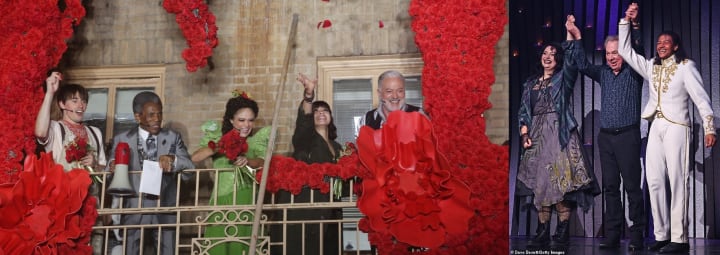
On 2nd September 2021, Hadestown – the Tony Award winning 1920s inspired take on the myth of Orpheus – made musical history. It became the first Broadway musical (tied with Waitress, which reopened on the same night) to resume performances after the COVID-19 pandemic caused Broadway theatres to shut down on 12th March 2020. After the performance, the cast gathered on a fire escape balcony to perform a mini encore for a jubilant crowd below. This was a memorable way to kick off a chain of Broadway reopenings which occurred during autumn 2021. Wicked, The Lion King and Aladdin returned to the stage in quick succession and were soon joined by Moulin Rouge and Phantom of the Opera. Meanwhile, Six: The Musical FINALLY got to celebrate its official opening night on 3rd October, over 18 months after the original opening night had been cancelled due to the lockdown. Whilst the closure of theatres was a single brutal snap, the reopenings represented a long, slow, but exciting road to relative normality. In London’s West End, theatres opened a bit sooner, with Six: The Musical, The Prince of Egypt and Pretty Woman: The Musical choosing to take advantage of social distancing regulations to hold weeks of performances at 50% capacity. The Lion King, The Phantom of the Opera and Mary Poppins returned when capacity restrictions were lifted at the end of July, with Wicked and & Juliet opening a couple of months later. The excitement of reopening was powerfully captured when the Broadway production of Wicked livestreamed the opening three minutes on social media. The footage of the euphoric applause as Glinda floats down onto the stage and says “It’s good to see me, isn’t it?” was a powerful testimonial of the emotional exhilaration which only theatre can provide.
In the West End, the first blockbuster musical to debut in the post-vaccine era was Andrew Lloyd Webber’s Cinderella, a collaboration between the veteran producer/composer and Oscar winning screenwriter Emerald Fennel (Promising Young Woman). Lloyd Weber’s aggressive promotional campaign was both a strength and a liability. On one hand, it generated word of mouth for a relatively risky project – could there be room for a new take on the world’s most overexposed fairytale? – as fans could listen to songs from the soundtrack (most notably “Bad Cinderella” “I Know I Have A Heart” and “Only You, Lonely You”) for months before performances began, but Lloyd Weber’s bravado could often be incredibly obnoxious, particularly when he threatened to defy social distancing regulations to ensure 100% capacity. Lloyd Webber’s big plans for Cinderella received an unpleasant disruption, as positive COVID tests forced him to the to cancel the July 19th official opening. Having missed FIVE previous release dates due to the pandemic, Andrew Lloyd Webber’s Cinderella finally opened on 18th August, approximately a year after the original release date announced all the way back in January 2020. There was a lot of criticism of the script and staging, but most critics were simply grateful to have a new blockbuster musical to provide escapism. This goodwill also benefitted the West End production of Frozen: The Musical, with Les Misérables icon Samantha Barks playing Elsa and relative unknown Stephanie McKeon as Anna. Although the set design combined the grandeur of the Broadway original with the lighter and brighter approach of the touring production, the publicity campaign was most focused on the renovations carried out to the theatre itself, as the Theatre Royal Drury Lane was redesigned in order to become a cosier venue for Anna and Elsa’s adventures. Meanwhile, fantasy fans who wanted a classier alternative were able to turn to the National Theatre’s Oliver Award winning adaptation of Neil Gaiman’s The Ocean At The End Of The Lane, which finally made its West End debut in October. The end of the year also saw the return of the traditional British Panto, with its usual blend of silly anarchy and celebs popular with parents and grandparents - Donny Osmond joined the London Palladium panto team for their Christmas 2021 show Pantoland, and Jason Donovan played the villain in a Birmingham take on Goldilocks and the Three Bears. However, the year ended on a sour note for theatre. The rapid rise of the Omnicron variant created further uncertainty in both the West End and Broadway, and many major productions had to suspend performances due to positive COVID tests. London was particularly affected – the West End debut of Moulin Rouge and the National Theatre’s Sleeping Beauty reimagining Hex were both forced to delay their official opening night to 2022 due to positive COVID tests (Hex also cancelled plans to release a pro-shoot in cinemas). It will be a difficult few month for theatre all over the world, but the comebacks of 2021 truly confirmed its resilience and popular appeal.
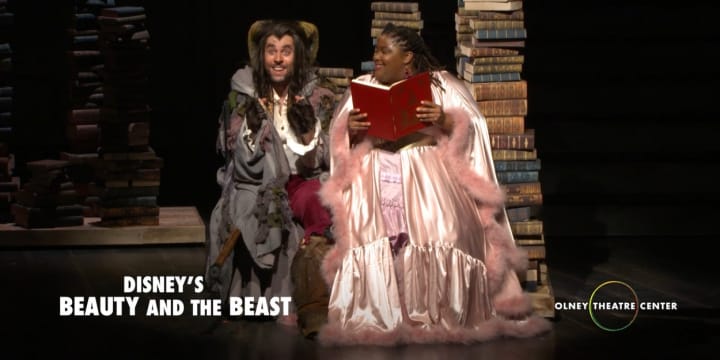
Although the focus was on major theatre hubs such as the West End and Broadway, provincial theatres also got to provide some major blockbusters. Once Upon a One More Time –a fairytale jukebox musical based around the songs of iconic pop princess Britney Spears - premiered in Washington, just over a fortnight after Britney won her high-profile legal battle to escape her father’s conservatorship and regain control over her life. Audiences have flocked to see traditional fairytale heroines belt out Britney hits like “…Baby One More Time”, “Stronger” and “Lucky”, and a quick transfer to Broadway looks inevitable. In the UK, Disney Theatrical provided touring productions of Beauty and the Beast and Bedknobs and Broomsticks, which brought audiences to theatres in cities and towns in regions that have been affected pretty badly by the persistence of COVID. For the most part, these touring productions were relatively safe and conventional, but still featured some quietly radical innovations. Bedknobs and Broomsticks featured several trans and non-binary actors in the cast, including Robin Simões da Silva, who was used as cover for the leading role of Charlie. A production of Beauty and the Beast from Washington’s Olney Theatre won plaudits for casting plus-sized Jade Jones as Belle and the amputee Evan Ruggerio as the Beast. The effective use of more diverse casting showed how these timeless stories can be adapted to celebrate new perspectives and highlight the universal resonance of the characters and their adventures.
Fairytale and the “Culture Wars”
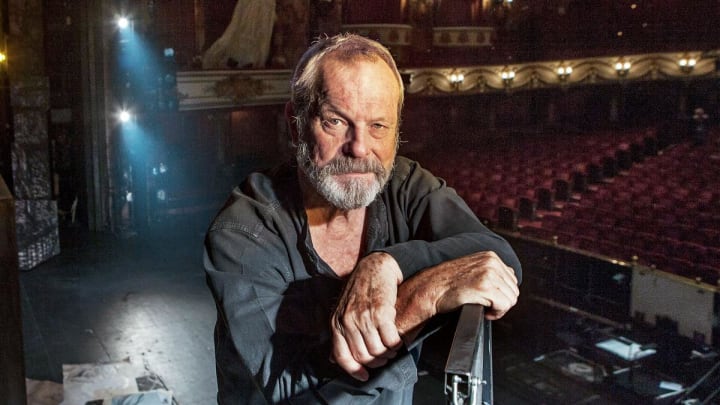
For the most part, fairytale and fantasy retellings enjoyed a year of theatrical reopenings and critical or financial success, but some negative stories really made things a lot less enjoyable. One of the most depressing controversies of the year involved a revival of Stephen Sondheim’s classic 1987 musical Into the Woods, directed by former Monty Python animator Terry Gilliam (best known for being the maverick director of 1980s cult classics Time Bandits and Brazil). Although Gilliam’s distinctive visual style made him seem like the ideal choice to return Into the Woods to the West End (he has previously directed a handful of opera productions in London), there was a considerable backlash to the decision to hire him, based primarily on his recent history of inflammatory comments on topics such as the #MeToo movement and the bitter arguments over Trans Rights. The managers of the Old Vic aimed to stabilise the situation by making Gilliam sign agreements with Old Vic staff members opposed to his conduct and upgrading choreographer Leah Haussman (who previously worked with Gilliam on his operas) to the role of co-director. However, this attempt at building bridges was undermined when Terry Gilliam made Facebook posts defending Dave Chapelle’s infamous Netflix special The Closer, which attracted widespread condemnation for Chapelle’s frequent use of transphobic humour. Staff at the Old Vic (particularly the Old Vic 12, a group of young creatives involved in the theatres’ Artistic Development Scheme) became increasingly aggressive in opposing Gilliam’s presence, and the Old Vic were left with no choice but to pull his production - Several Old Vic 12 creatives made social media comments celebrating the announcement, saying that Gilliam shouldn’t have been allowed to work with the theatre in the first place. The acrimonious split between Gilliam and the Old Vic ended up showing that even the prospect of staging one of Sondheim’s best loved musicals could not lead to the suspension of hostilities in the culture wars. Co-producers Scenario Two recently announced Gilliam’s Into The Woods revival would instead be staged at the Theatre Royal Bath, but this news was overshadowed when Gilliam issued a rant denouncing the “closed-minded, humour-averse ideologues” who had caused the Old Vic production to be cancelled. This confrontational, mean-spirited response to critics will only exacerbate opposition to the project and it isn’t exactly a good look for a musical which explores moral ambiguity and promotes compassion. Sondheim’s recent death will certainly create a surge of interest in revivals of his musicals, but those frustrated and angered by Gilliam’s comments and actions would be better off giving their money to other productions of Into the Woods.
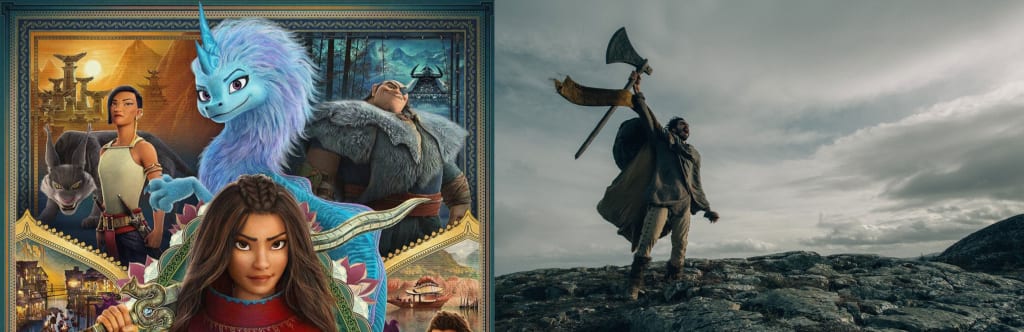
This was not the only production to be affected by controversy- The third and final season of Starz’s adaptation of Neil Gaiman’s American Gods was forced to edit out a character played by Marilyn Manson after the infamous shock rock star was accused of domestic abuse and sexual assault. Meanwhile, Disney’s Raya and the Last Dragon – set in the fictional South East Asian kingdom Kumandra - faced criticism for giving most of the roles in the voice cast to actors with a Chinese and Korean background, despite the fact those two countries are technically outside the South East Asian territories that inspired the movie. If these scandals could make you think that fairytales are not progressive enough, some have received a considerable backlash for their attempts to represent historically underrepresented groups. Though Texan politician Ted Kraus’ notorious list of 850 “Objectionable” books predominantly focused on nonfiction about feminism, trans rights, #BlackLivesMatter and other topics at the heart of the “culture wars”, it included a handful of fantasy-based novels with LGBTQ+ protagonists, such as Cinderella Is Dead, Orpheus Girl and The Magic Fish. The problems affecting fantasy adaptations and retellings were generally relatively trivial compared to disputes elsewhere, but they still showed how the escapism of fairy tales could never entirely separate itself from the difficulties of contemporary life.
Old and New Media
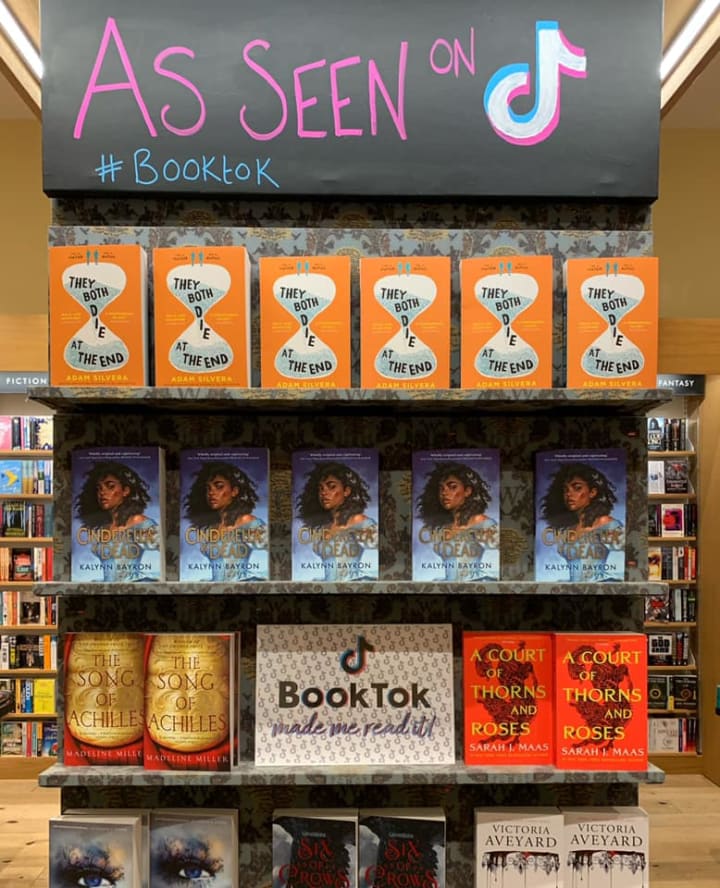
There are few forms of media more traditional than fairytales and folklore, but in 2021, they gained unexpected popularity in the flashy modern world of social media. This year saw the emergence of the #Booktok phenomenon, as the social media service TikTok was used to promote a variety of YA novels, including several in the fantasy genre. Kalynn Bayron’s audacious YA fantasy Cinderella Is Dead and her followup A Poisoned Heart gained a healthy fanbase through people promoting them on #BookTok, as did other fantasy authors such as Elizabeth Lim, Sarah Maas, Marissa Meyer and Leigh Bardugo. One of the most unusual examples of the power of social media was the TikTok video of Nathan Evans – an amateur singer who specialises in covering sea shanties - singing a 19th century sea shanty called “Wellerman”. This short clip was promoted by several celebrities, including Andrew Lloyd Webber (Whilst promoting his Cinderella musical, Lloyd Webber released TikTok videos responding to several social media trends, and this was his most appropriate and least annoying intervention), and “Wellerman” was released as a single, reaching the top of the UK Singles Chart. The success of “Wellerman” led to a revival of interest in the sea shanty genre as a whole, which Nathan Evans capitalised on by releasing a book about it. Both phenomena showed that social media could be an effective way of promoting traditional forms of entertainment instead of replacing them.
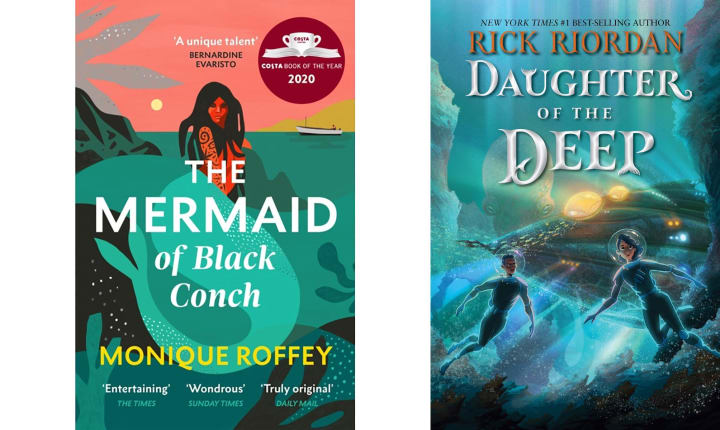
There was also a growing interest in reimaginings of Greek Myths, particularly from a feminist perspective. This trend has been prominent for a while, but it reached new heights in 2021, with Jennifer Sant’s Ariadne, Jessie Burton’s Medusa and Charlotte Higgin’s Greek Myths competing against The Women of Troy, Pat Barker’s highly anticipated followup to Silence of the Girls. A less conventional take on Greek Mythology was represented by the first volume of new graphic novel series Lore Olympus, adapted from the popular series of webcomics. Other genres of fairytales and folklore also received plenty of representation. It is impossible to talk about the dozens of fairytale and fantasy books released this year in any meaningful detail, but we can single out the ones which gained major awards. Two adult fantasy novels which gained major accolades were Monique Roffey’s The Mermaid of Black Conch (which won the Costa Book Awards) and Susannah Clark’s Piranesi (which won the Women’s Prize for Fiction). The most popular literary awards are the GoodReads Awards, where hundreds of thousands of GoodReads subscribers vote for their favourite books of the year in every major genre. This year, several fairytale/mythology inspired novels made the GoodReads shortlists, with four winning major awards:
• Best Young Adult Fantasy and Science Fiction:
Winner: Rule of Wolves – Leigh Bardugo
Other Notable Nominees: Lore – Alexandra Bracken, Once Upon a Broken Heart – Stephanie Garber, Six Crimson Cranes – Elizabeth Lim, These Hollow Vows – Lexi Ryan, Lost in the Never Woods - Aiden Thomas
Winner: A Court of Silver Flames – Sarah J. Maas
Other Notable Nominees: Ariadne - Jennifer Saint, The Witch’s Heart -Genevieve Gornichec, For the Wolf - Hannah Whitten, A Master of Djinn - P. Djèlí Clark, Malice - Heather Walter, The Wolf & The Woodsman - Ava Reid, A Spindle Splintered - Alix E. Harrow
• Best Middle Grade & Children’s:
Winner: Daughter of the Deep – Rick Riordan
Other Notable Nominees: Amari & The Night Brothers – B.B. Alston, Beasts & Beauty – Soman Chainani, Never After: The Thirteenth Fairy – Melissa De La Cruz, A Wolf for a Spell – Karah Sutton, The Last Fallen Star – Graci Kim
• Best Graphic Novels & Comics:
Winner: Lore Olympus Volume One - Rachel Smythe
Other Notable Nominees: The Girl from the Sea – Molly Knox Ostertag, Thirsty Mermaids - Kat Leyh
This is only a partial list of fairytale/mythology inspired fiction that emphasises the most popular and biggest works. However, the popularity of stories based on fairytales, myths and fantasy creatures cannot be dismissed or underestimated, and fairytale fantasy continued to thrive in 2021.
More committed fairytale fans interested in a deeper analysis were able to turn to a range of sources. London’s V&A museum finally opened their much-anticipated exhibition on Alice in Wonderland, which used creative projection effects and installations to highlight the legacy of Lewis’ Carroll’s iconic fantasy story. In America, Disney sponsored an exhibition from the Metropolitan Museum of Art, which explained how Rococo designs were a consistent inspiration for many of their most iconic films. People who wanted to learn more about the creation of fairytales without leaving the house were able to watch Adventure Thru The Walt Disney Archives on Disney + , and find out about some of the artefacts used by Disney over their century long rise to world domination. There were also several non-fiction books about fairytales and fantasy, with Amy Jeffs’ Storyland and Maria Tatar’s The Heroine with 1001 Faces both gaining particular mainstream attention. These increased understanding of the role fairytales and mythology play in our society and our understanding of the world.
Disney Returns to Form
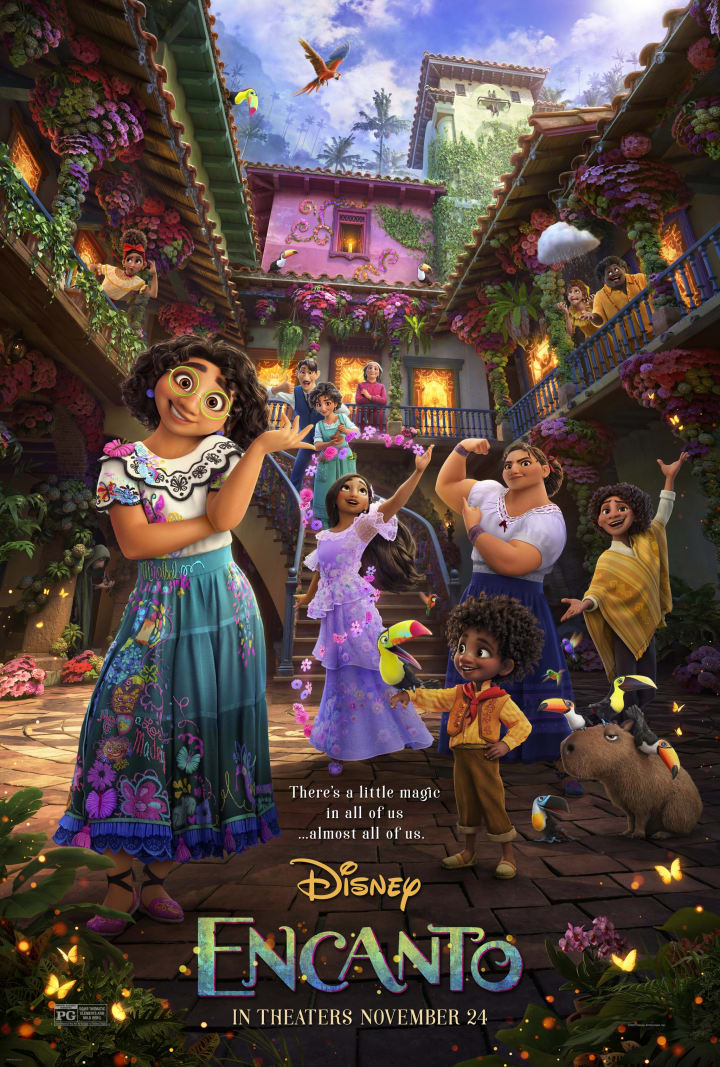
Given their dominance over the fairytale genre, it’s impossible to talk about the fairytale/fantasy genre without talking about Disney. Disney’s Animation division released not one, but two films in 2021 - Raya and the Last Dragon and Encanto. Both films received consistently positive reviews (With some critics saying Encanto was Disney’s best in years) but made frustratingly little money at the box-office. Even taking into account the anxieties over cinemas in the COVID era, and the growing power of Disney + (With Encanto arriving there just four weeks after its cinema release) it’s still depressing to see Disney Animation movies fail to turn a profit at the multiplex. Fortunately, initial box-office numbers provide no indication about how Disney’s films will fare in the long term, and it seems like Raya and the Last Dragon and Encanto will enjoy a substantial fanbase for decades to come. Meanwhile, Cruella was relatively well-received by the standards of Disney’s live-action remakes, with the praise given to the cast and costumes balancing out the criticism of the excessive length and some silly twists that embodied many of the fears sceptics had about the project trying to explain and tone down the villainy of Cruella De Vil. Meanwhile, Disney + subscribers were able to enjoy Olaf Presents – a series of Frozen shorts where the titular snowman provides quirky summaries of five classic Disney films. However, 2021 was mostly about looking to the future for Disney. After the disruptions of 2020, Disney’s live-action division returned to full productivity, with new versions of Pinocchio, Peter Pan and Wendy and The Little Mermaid all shooting simultaneously in the first half of 2021, along with the long-awaited Enchanted sequel Disenchanted. All these films are due to be released over the next 18 months, and should provide substantial financial success for Disney. There were also major casting announcements for Barry Jenkins’ The Lion King sequel and a live-action take on Snow White, which is preparing to move out of development hell with Rachel Zegler in the title role.
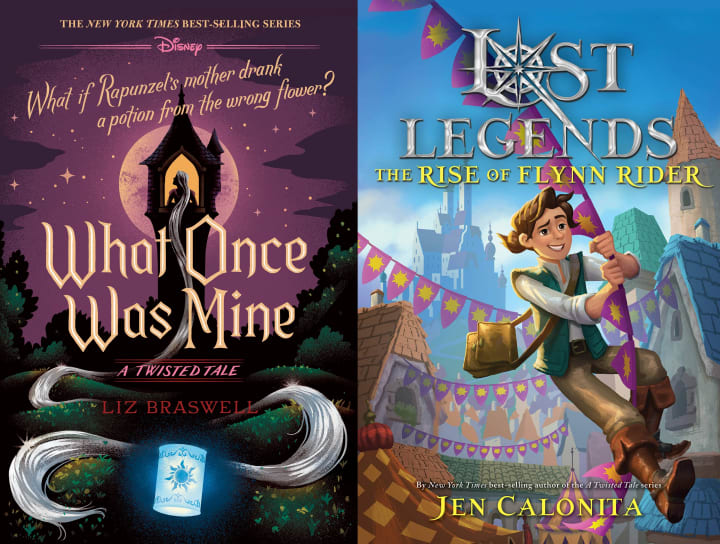
For all the focus on their blockbuster movies, Disney’s most interesting work comes from their literary arm. Disney Publishing’s “What If?” franchise A Twisted Tale continued to provide new instalments. Hercules followup Go the Distance was one of the strongest entries in the series, allowing Megara to come into her own in a simple but engaging story which incorporated classic Greek mythology in a creative way. In contrast, the overly ambitious What Once Was Mine aimed to blend the adventure embodied by Tangled with horror elements but was weighed down by several odd tonal inconsistencies (on one hand, we have characters getting turned into horses, on the other, we have Rapunzel fighting Elizabeth Bathory the Blood Countess) and a well-meaning but pointless framing device. The idea of a brother telling an updated version of Tangled to his cancer-stricken younger sister certainly tugs at the heart strings, but Braswell should have saved the explorations of living with cancer for another story and allowed Rapunzel and friends to go on an adventure without being manipulated by a narrator from our world. Meanwhile, the Disney Chills franchise – a Goosebumps style “kiddie horror” series with classic Disney Villains as the monsters – provided scary stories based on 101 Dalmatians and Hercules. The premise is certainly fun, but its intensely formulaic nature is beginning to wear thin, and it won’t be long before author Vera Strange runs out of A-List Disney villains who can suit its specific template. Disney also launched two new book series – City of Villains, which places classic Disney rouges in a Gotham-style inner-city Underworld, and Lost Legends, which tells stories from the childhoods of some of Disney’s most beloved male leads (The first of these, The Rise of Flynn Rider, was released just a fortnight after What Once Was Mine, providing yet another treat for Tangled fans). One of Disney Publishing’s most successful assets is Rick Riordan Presents, the imprint responsible for producing the Percy Jackson series. They published several new books in 2021. which allowed up and coming authors to put their spin on Riordan’s signature formula of ordinary teens discovering links to ancient mythology. Kwame Mbalia, Tehlor Kay Mejia and Roshani Chokshi continued the mini franchises they created for the division, whilst Sarwat Chadda, Graci Kim and Lori M. Lee published their first Rick Riordan Presents stories. Riordan himself released a new standalone novel called Daughter of The Deep, which took inspiration from Jules Verne’s 20000 Leagues Under the Sea. The success of Rick Riordan Presents was showcased when they released an anthology book called The Cursed Carnival and Other Calamities, containing stories from Riordan and nine other authors who have created novels for the imprint. Thanks to Riordan and his proteges, Disney’s Publishing division has been able to enjoy much of the same popularity as their other arms. For all the issues with Disney’s unhealthy cultural hegemony, their films and books provide an invaluable introduction to fairytales and fantasy for millions of children, and this will often lead to a longer lasting interest in the genre as a whole – always a positive...
Non Disney Fairytale Films
The lack of fairytale films in 2020 meant that fairytale representation was thin on the ground during awards season. Cartoon Saloon’s critically acclaimed Wolfwalkers was nominated in most animation categories but found itself consistently losing out to Pixar’s Soul. Despite the critical and online hostility it received, Disney’s live-action retelling of Mulan received two Oscar nominations in the technical categories, as did the acclaimed Italian adaptation of Pinocchio (with Roberto Benigni as Geppetto). For Pinocchio director Matteo Garrone, the nomination was the victory, as the recognition for his film cemented Beninigi’s redemption following his disastrous 2002 adaptation of the same tale.
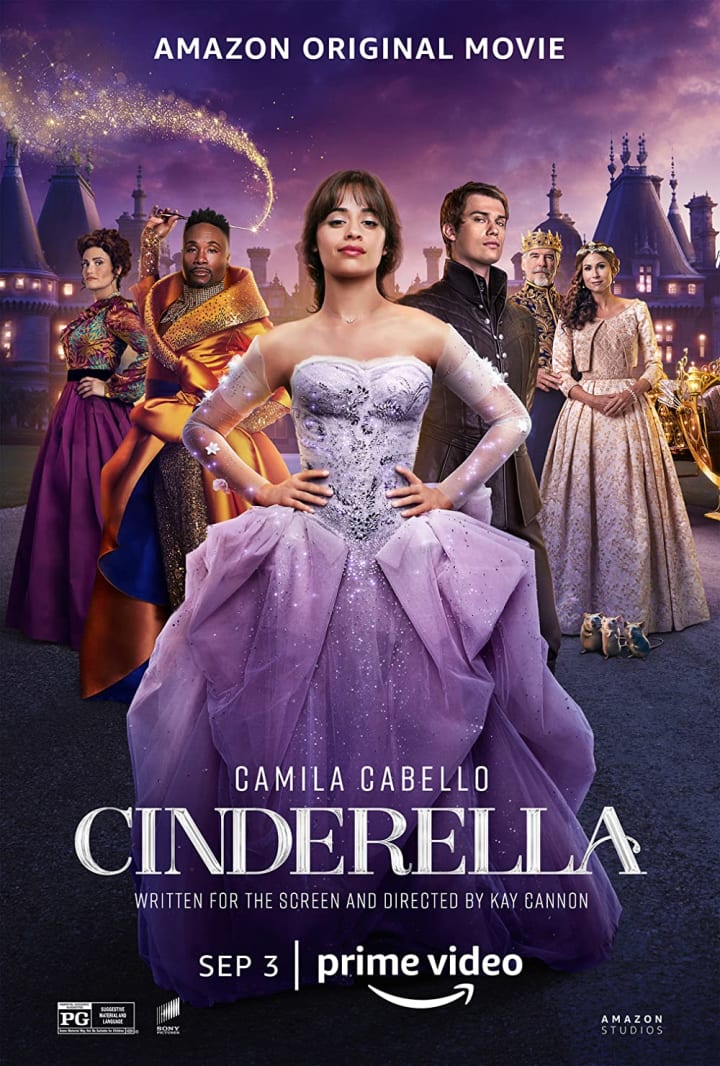
2021 was generally a busier year, but fairytale fans had to deal with some high-profile disappointments. One of the biggest non-Disney fairytale films of 2021 was Sony Pictures’ take on Cinderella, which was released on Amazon Prime in September. With an all-star cast (headlined by Camilla Cabello, Idina Menzel, Billy Porter and Peirce Brosnan) and a soundtrack combining new songs with pop classics, it looked like an enjoyable guilty pleasure, but ultimately got critically panned for its superficial and cliched “girlboss” approach to feminism and flat characters. A lot of criticism went towards Cinderella’s producer, the reliably overexposed James Corden – his decision to promote the film with a flashmob stunt in the middle of a crowded LA street made Terry Gilliam seem like a master of positive publicity. Modern day Oliver Twist reimagining Twist was also critically panned, and also suffered due to its association with a problematic producer. However, the various sexual assault/harassment allegations against co-producer Noel Clarke (who played a supporting role in the film) a few months after Twist was released were a significantly more serious problem than Corden’s annoying behaviour. Clarke’s past as a Doctor Who fan favourite, and his status as one of Britain’s most notable black filmmakers, meant that his downfall was probably the single most depressing sexual misconduct scandal since John Lasseter resigned from Disney Animation in 2018. Needless to say, this accelerated Twist’s slide into obscurity – despite the classic source material and star-studded cast, it has already been almost completely forgotten, which is probably for the best. Rotten Tomatoes likened Michael Caine’s decision to play Fagin to his infamous appearance in Jaws: The Revenge, but Twist was too cliched, forgettable and obscure to achieve the same campy infamy of that movie. The failures of Cinderella and Twist confirm one of the most frustrating truths of modern fairytale filmmaking – the reason why Disney dominate the family fantasy genre is because major rivals consistently fail to impress.
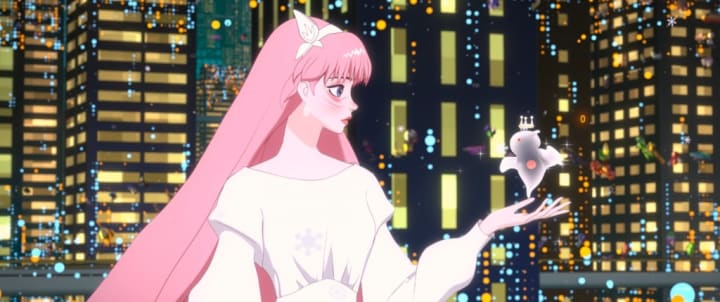
Outside of blockbusters, things were a lot better for fairytales. One fantasy film which received a far more positive response from critics was The Green Knight, which allowed Dev Patel (Slumdog Millionaire, The Personal History of David Copperfield) to showcase a more brooding take on his signature “innocent hero” persona in an unsettling psychedelic reinterpretation on the classic Arthurian legend of Sir Gawain and the Green Knight. Arthurian films are often prone to underwhelming at the box office, and the deliberately esoteric approach of The Green Knight exacerbated this issue (This was a film designed to be more popular with critics than casual cinemagoers, and whilst many professional reviewers regarded it as one of the best films of 2021, audience reactions were more divided) but did reasonably well, opening at 2nd in the US box office. Although it probably lost money if you take marketing costs and release delays into account, it managed to avoid being an outright flop on the scale of King Arthur: Legend of the Sword or The Kid Who Would Be King. Meanwhile, there were several international animated films which were major hits in their home countries. The Russian hand-drawn animated film Ginger’s Tale provided an atmospheric take on early Hans Christian Andersen fairytale The Tinderbox, whilst the 3D animated blockbuster Koschey: The Everlasting Story turned the traditionally villainous sorcerer into a motorbike-riding action hero. The Chinese animated film White Snake 2 was a successful followup to the 2019 hit, but the one international animation which truly broke through internationally was the acclaimed Japanese film Belle. This sci-fi take on Beauty and the Beast (set in a world where “Belle” and the Beast are avatars in a virtual world operated by two troubled teens) received a 14-minute standing ovation when it premiered at the Cannes Film Festival in July. Independent Animation specialists GKIDS – best known for handling the international distribution of Studio Ghibli and Cartoon Saloon movies - brought the rights to release Belle in America and are giving it a pretty grand release next month, including IMAX screenings. The acclaim given to The Green Knight and Belle proves that there are plenty of great fairytale films outside the traditional favourites– you just have to know where to find them…
Conclusion

Although 2021 was a difficult year, fairytale and fantasy entertainment represented a consistent source of positivity. Although the genre faced a lot of challenges, the highlights outnumbered the negatives. For every theatre production disrupted by COVID, there was a joyous reopening. For every fairytale film which underwhelmed, there was one which demonstrated the mystery and magic that makes the genre so compelling. For every frustrating controversy, there was a book that demonstrated the ways in which fairytales can respond to contemporary concerns and provide the representation that many need at the moment. It goes without saying that fairytale/fantasy stories will always play a significant part in our cultural landscape, and it will be interesting to see which ones stand out in 2022.
About the Creator
Keep reading
More stories from Fairy Tale Fanboy and writers in Geeks and other communities.
Poisoned - Review
In 2019, Jennifer Donnelly, author of the acclaimed 2003 YA novel A Northern Light (known as A Gathering Light in some territories), found renewed success with Stepsister. The story of “wicked” stepsister Isabelle and her journey from hated bully to heroic warrior, it represented a gritty but rousing spin on the fairytale genre. Donnelly has followed this up with Poisoned, which applies a similar revisionist approach to the story of Snow White and the Seven Dwarves. Since it was published late last year, Endeavour Productions have purchased the rights to make a movie adaptation.* But does Posioned confirm Jennifer Donnelly’s newfound status as a major star in the competitive subgenre of YA fairytales?
By Fairy Tale Fanboy4 years ago in Geeks
The Politics of Playing Dress-Up
Well, to start off I'd like to say a happy world book day to all who celebrate. I know I haven't really posted anything on my socials about it but I'm not a jubilant kind of person. I lay low most of the time. Let's start off with a popular anecdote from the vaults...
By Annie Kapur6 days ago in Geeks
Nidoran Exposed: The Poison Pokémon That Packs a Punch Beyond Its Size
Nidoran is a fascinating and versatile Poison-type Pokémon that surprises many trainers with its combination of speed, agility, and offensive capability. Despite its small stature, Nidoran exhibits a level of strategy and tactical potential that makes it an effective choice in battles. Its design, evolution line, and abilities highlight the value of careful training, patience, and strategic thinking, showing that even seemingly modest Pokémon can grow into powerful combatants.
By Lukáš Hrdlička2 days ago in Geeks


Comments
There are no comments for this story
Be the first to respond and start the conversation.