
Demons, Daisies, & Divas
Shows to binge during a pandemic

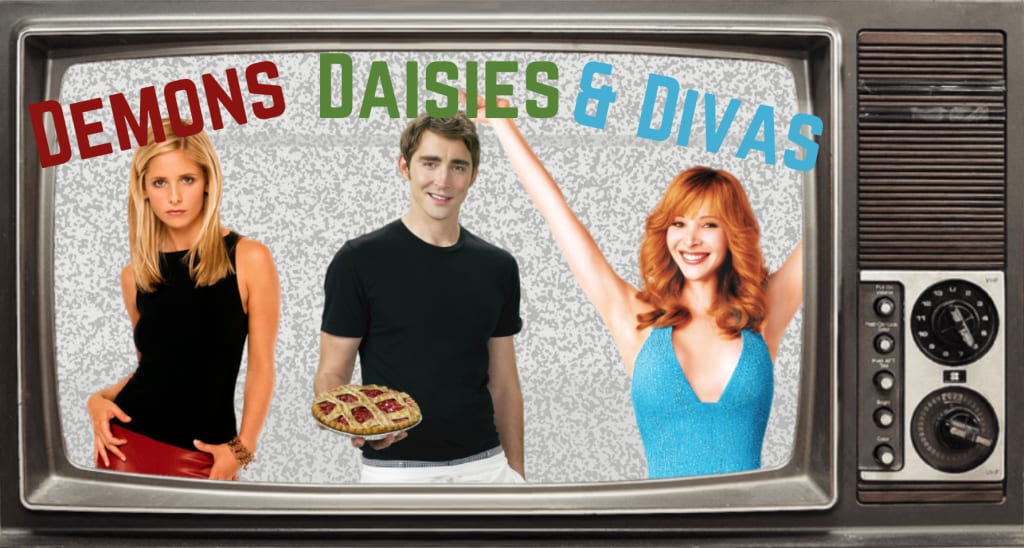
While stuck in quarantine, sometimes the only escape we can find is through television shows. In other worlds, or through a character’s eyes, we’re able to, if only for 30 - 60 minutes, live in a world where there’s not a pandemic. While in quarantine myself, I have been able to relive two of my favorite shows, and discover a new favorite.
The three shows I’ve watched (so far) are Buffy the Vampire Slayer, Pushing Daisies, and The Comeback. Each of these three shows represent a different category of underrated TV shows. The Comeback is easily overlooked, pushed to the side, and traded in for other mockumentaries. Pushing Daisies was gone far too soon—we had to say goodbye to the characters before their stories were resolved. And Buffy the Vampire Slayer doesn’t get enough credit; while a cult classic, many adults, including myself, cast it aside as just another “teen vampire show,” which is far from the truth.
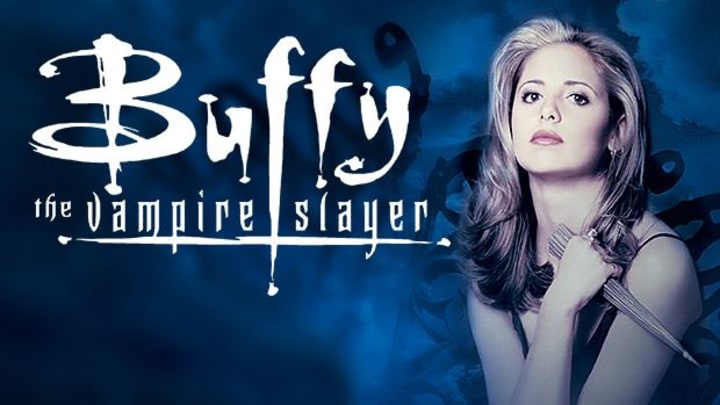
There are many aspects of Buffy the Vampire Slayer, or BTVS, that are absolutely integral to TV as we know it. The creator, Joss Whedon, went on to develop other great projects such as How I Met Your Mother, Bones, Castle, Person of Interest, Firefly, and even the Avengers. In the 90s, though, Whedon created a show about a young female vampire slayer who battles high school, relationships, and the undead.
What made Buffy so remarkable was that it took the “damsel in distress” trope and flipped it on its head. Buffy is the hero. She saves her friends, she saves her boyfriends, she prevents apocalypses, she’s badass, and totally stylish.
There were also groundbreaking LGBTQ+ characters on the show, and strong themes of feminism and girl power. These themes are now more prevalent than ever, but in the 90s and early 2000s, most women in TV and film were still being rescued and not doing the rescuing. From Buffy also stemmed the “vampire phenomenon” which includes Twilight, The Vampire Diaries, and True Blood; but, what makes Buffy different is that she saves the day.
BTVS paved the way not only for female protagonists and LGBTQ+ representation, but also for innovative storytelling. Whedon created musical episodes, unique story arcs, and metaphorical monsters to build a show that was geared toward female teenagers, but ultimately impacted generations, young and old, living and dead.
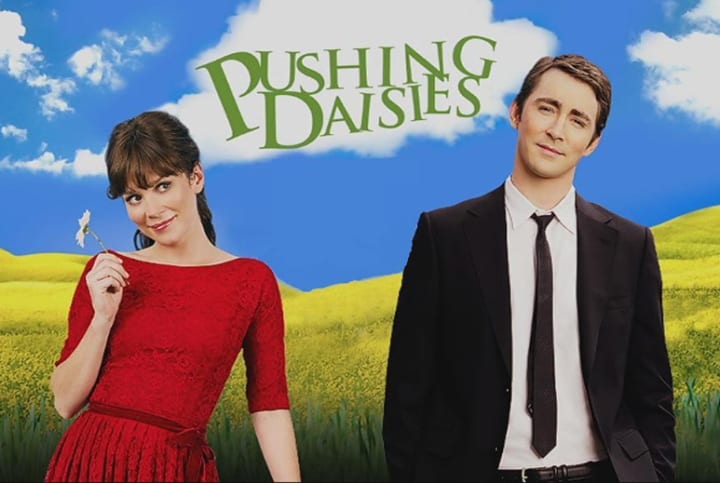
Pushing Daisies has been a favorite of mine for years. Created by Bryan Fuller, who is also responsible for Star Trek: Discovery and Hannibal, the aesthetics and storytelling of Pushing Daisies, overall, is something unparalleled in the TV industry. It was a fairy tale that wasn’t quite a fairy tale, it was a detective show that wasn’t quite a detective show, and a love story with more than its fair share of complications.
Ned, our main character, is the owner and pie-maker of The Pie Hole pie shop. As a boy, he realized he could bring people back from the dead with a simple touch, but only for a minute. If they’re alive for longer than that minute, someone else has to die in their place. But, if he touches them again before the minute is up, they’re dead for good. This certainly makes Ned’s relationship with Charlotte, “Chuck,” his ex-dead best friend whom he’s in love with, far more difficult.
The show deals with death in humorous, and sometimes unsettling, ways, but it’s ultimately about living. It’s a show that emphasizes the preciousness of life. The narrator, another unique aspect of the show, constantly counts down in years, weeks, days, and minutes, serving as a reminder that time is always moving forward.
Pushing Daisies, unfortunately, was canceled after two seasons—an untimely end to this timely classic. We never know what happens to Ned, his girlfriend Chuck, PI Emerson Cod, or Olive, Ned’s lovable, singsongy employee. Pushing Daisies might be gone, but it is certainly not forgotten.
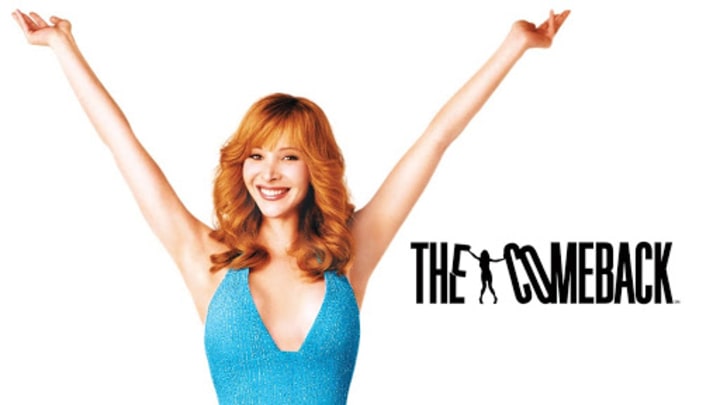
The Comeback is a two-season HBO show that was, and is, easily overlooked. It was canceled after its first season in 2004, but it, quite aptly, made a “comeback” in 2014 for a second season. With Lisa Kudrow as the struggling actress, Valerie Cherish, we are given her POV as she tries to “make a comeback” in Hollywood.
The show is cringeworthy and difficult to watch at times, but oh so hysterical. It’s the classic mockumentary style, but with a woman in the leading role. Written brilliantly, The Comeback discusses difficult subjects such as sexism on set, and egotistical, self-serving television, while also maintaining the realism that is necessary for a mockumentary.
Valerie Cherish is the sole focus of The Comeback, and there’s something engaging and uncomfortable about this as she succeeds and fails. We see all of it. She is completely vulnerable and completely human, while also continuing to be comedic gold.
The Comeback, to me, though in the same style as The Office and Parks & Rec, establishes a feeling of reality that those other shows fail to achieve. The story arcs of The Comeback’s second season are especially poignant. We see Valerie’s motivations shift from stardom to friendship and relationship, which is something we don’t think that she’s capable of. The Comeback has influenced other great shows such as Bojack Horseman, which also deals with the difficulty of fame and the ramifications of trying to “get back in the biz.”
While there are many fantastic shows on HBO, and many fantastic mockumentaries, The Comeback is one I believe is easily, and too often, overlooked.
So there you have it. Three shows who don’t get enough attention, but certainly have all of mine.
About the Creator
Keep reading
More stories from writers in Geeks and other communities.
Instructions Included Challenge Winners
For the Instructions Included challenge, we asked writers to tell a story through instructions and to trust the form to carry what could not be said outright. Across the top entries, that trust paid off in many different ways.
By Vocal Curation Team2 days ago in Resources



Comments
There are no comments for this story
Be the first to respond and start the conversation.