
David Lynch: The Mastermind of Cinematic Surrealism
A Deep Dive into the Visionary Director's Life, Philosophy, and Enduring Influence

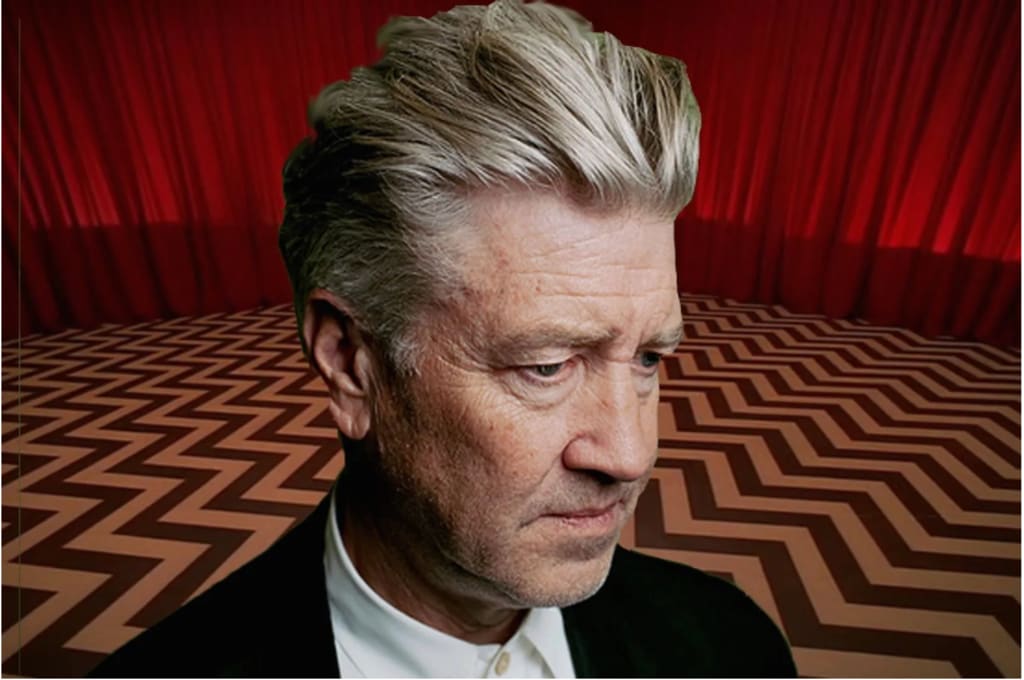
David Lynch is not your typical filmmaker. Over the past five decades, he has developed a unique style that defies mainstream expectations and invites audiences into worlds of mystery, surrealism, and psychological depth. From Eraserhead to Mulholland Drive, Lynch's films are more than just stories — they are experiences that challenge perception and explore the boundaries between reality and illusion. This article examines Lynch’s journey, artistic philosophy, and the impact he has made on the film and television industry.
Early Life and Artistic Roots
David Keith Lynch was born on January 20, 1946, in Missoula, Montana. His early years were marked by constant relocations due to his father’s work with the U.S. Department of Agriculture. Despite this nomadic childhood, Lynch always had a passion for painting and visual arts. He studied at the Pennsylvania Academy of Fine Arts, where he began exploring the connection between moving images and static visuals.
It was during his time in art school that he created his first short films, leading to his groundbreaking debut feature: Eraserhead (1977). Made on a limited budget, the film stunned audiences with its disturbing visuals and abstract narrative. Though divisive, Eraserhead quickly gained cult status and set the tone for Lynch’s signature style — eerie soundscapes, unsettling imagery, and dreamlike logic.
Defining a New Language of Cinema
Lynch’s films are often described as “dreamlike,” but that term hardly captures the intensity of his storytelling. Unlike conventional filmmakers, Lynch avoids linear plots and instead crafts emotional landscapes. In Blue Velvet (1986), he juxtaposes the idyllic facade of small-town America with a dark underbelly of violence and desire. The film, starring Kyle MacLachlan and Dennis Hopper, was both controversial and critically acclaimed, earning Lynch his second Academy Award nomination for Best Director.
His magnum opus, Mulholland Drive (2001), initially conceived as a TV pilot, was transformed into a haunting film exploring identity, memory, and Hollywood disillusionment. The film’s fragmented narrative and ambiguous characters made it a critical favorite, earning Lynch the Best Director award at the Cannes Film Festival.
Twin Peaks: Changing Television Forever
In 1990, Lynch made a major impact on television with Twin Peaks, co-created with Mark Frost. The series began as a murder mystery surrounding the death of Laura Palmer but evolved into a surreal meditation on grief, evil, and the human psyche. With its blend of soap opera tropes, supernatural elements, and abstract storytelling, Twin Peaks redefined what TV could be.
Although the original series ended abruptly in 1991, its influence persisted. In 2017, Lynch returned with Twin Peaks: The Return, an 18-part series on Showtime that pushed the boundaries of television even further. Critics hailed it as one of the most daring creative projects of the decade.
Philosophical and Creative Approach
One of Lynch’s most fascinating aspects is his commitment to transcendental meditation (TM), which he has practiced daily since the 1970s. He often credits meditation with unlocking his creativity and maintaining his mental clarity. In 2005, he established the David Lynch Foundation, promoting TM in schools, prisons, and underserved communities.
Lynch believes in “catching the big fish” — a metaphor for deep, meaningful ideas that arise when the mind is calm and focused. He discourages over-explaining his films, often stating that interpretations should come from the viewer’s own emotional response rather than intellectual dissection.
Legacy and Influence
David Lynch’s work has inspired a wide range of filmmakers and artists, from Christopher Nolan and Darren Aronofsky to Denis Villeneuve and Jordan Peele. His influence extends beyond film into music, fashion, literature, and even video games. What makes Lynch stand out is not just his boldness but his consistency — he remains true to his vision, regardless of commercial pressures.
Despite critical acclaim and a loyal fanbase, Lynch has largely stayed away from mainstream Hollywood, preferring to work independently or with supportive studios. He has also directed music videos, created paintings, published photography books, and released experimental web series.
Final Thoughts
David Lynch is more than just a filmmaker — he is a cultural force who has redefined what it means to be an artist in the 21st century. By refusing to conform to industry norms and embracing the mystery of human consciousness, Lynch has crafted a body of work that challenges, provokes, and endures. Whether you’re a longtime fan or just discovering his art, diving into Lynch’s world promises an unforgettable journey into the unknown.
About the Creator
Asad Ali
I'm Asad Ali, a passionate blogger with 3 years of experience creating engaging and informative content across various niches. I specialize in crafting SEO-friendly articles that drive traffic and deliver value to readers.
The Politics of Playing Dress-Up
Well, to start off I'd like to say a happy world book day to all who celebrate. I know I haven't really posted anything on my socials about it but I'm not a jubilant kind of person. I lay low most of the time. Let's start off with a popular anecdote from the vaults...
By Annie Kapur7 days ago in Geeks
Venusaur Unleashed: The Ultimate Grass-Type Pokémon That Dominates Battles
Venusaur stands as one of the most iconic and formidable Pokémon in the franchise, representing the final evolution of the Bulbasaur line. Known for its unique Grass and Poison typing, Venusaur combines raw power, strategic depth, and a commanding presence that makes it a favorite among both casual trainers and competitive players. Its combination of aesthetic design, abilities, and battle versatility ensures that Venusaur has maintained relevance and popularity for decades.
By Lukáš Hrdlička3 days ago in Geeks
Becca
"Everything is so... flat." Denille said stupidly as she looked around her new neighborhood. She looked around at the muted desert where even the smallest sign of life seemed to have given up. The plant life was shrubs that were half cooked by the heat and where there should have been a lawn, a mess of white rocks laid glistening in the sun. Even the sky looked stretched thin, like the sun had ironed it smooth. She’d moved from Riverside, where at least there were hills, but here in Barstow, everything felt baked and brittle.
By Sara Wilson7 days ago in Fiction


Comments
There are no comments for this story
Be the first to respond and start the conversation.