
David Lynch: The Filmmaker Who Broke All the Rules and Won
Hollywood tried to box him in. He refused. Here’s how he became the ultimate outsider legend.


David Lynch isn’t just a filmmaker—he’s a world-builder, a dream-weaver, and a master of the subconscious. His work doesn’t simply entertain; it unsettles, provokes, and lingers in the mind long after the credits roll. Few directors have managed to create an artistic language so distinct, where the bizarre feels normal, the beautiful feels sinister, and the mundane feels extraordinary.
His films and television work don’t adhere to conventional storytelling. Instead, they operate on a deeper level, tapping into emotions and fears we can’t quite explain. The flickering lights of Eraserhead, the menacing calm of Blue Velvet, the nightmarish corridors of Mulholland Drive—these aren’t just scenes; they are experiences that redefine our understanding of narrative, time, and identity.
But Lynch’s journey to becoming a legend of surreal cinema wasn’t easy. His career is one of artistic defiance, of battling studio interference, of choosing creative integrity over mainstream appeal. His ability to reinvent himself, to take risks others wouldn’t dare, and to remain true to his vision is what makes him one of the most important filmmakers of all time.
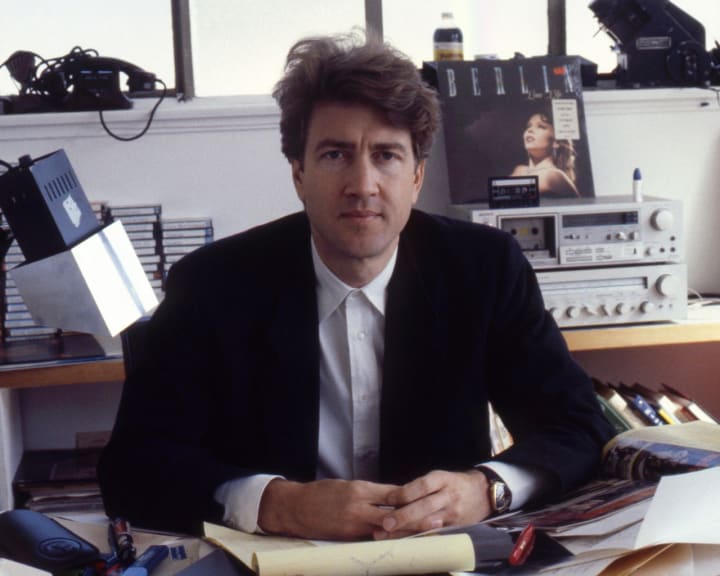
A Filmmaker Who Sees What Others Ignore
Lynch’s films don’t just expose the darkness beneath the surface of American life—they pull you into it, immersing you in a world where beauty and horror are inseparable. Many directors explore themes of corruption, hidden truths, and moral decay, but none do it with the same hypnotic strangeness. Watching a Lynch film is like stepping into a lucid dream where time is fragmented, emotions are heightened, and the familiar turns unsettling.
Take Blue Velvet (1986), for instance. What begins as an innocent discovery—college student Jeffrey Beaumont finding a severed ear—spirals into a disturbing descent into violence, power, and obsession. The film shattered the illusion of small-town innocence, revealing a world of crime and perversion hidden beneath the manicured lawns and polite smiles. Lynch didn’t just make a thriller; he crafted a fever dream, one that feels both deeply personal and universally disturbing.
How 'Twin Peaks' Changed Television Forever
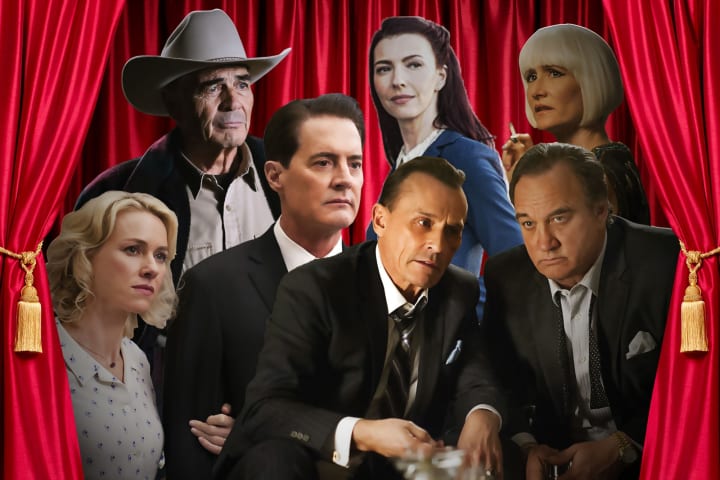
While Lynch had already established himself in cinema, it was Twin Peaks (1990-1991) that catapulted him into mainstream consciousness. The show wasn’t just groundbreaking—it was revolutionary. At a time when television was dominated by formulaic storytelling, Twin Peaks introduced audiences to something completely new: a show that defied categorization, blending mystery, horror, absurdist humor, and deep emotional resonance.
The premise was deceptively simple: Who killed Laura Palmer? But as the show progressed, it became clear that Lynch was telling a much bigger story. Twin Peaks wasn’t just about a murder; it was about the very nature of evil, trauma, and the thin veil separating reality from something much darker.
Unlike traditional detective stories, Twin Peaks embraced ambiguity. Lynch wasn’t interested in giving audiences neat resolutions—he wanted them to feel. And in doing so, he created one of the most memorable and influential TV series of all time.
However, network pressure led to Lynch losing creative control in the second season, resulting in a rushed and unsatisfying resolution to the Laura Palmer mystery. When the show was canceled, it left behind one of TV’s most infamous cliffhangers. But Lynch wasn’t done with Twin Peaks yet.
Turning Failure Into Art
Lynch’s response to Twin Peaks premature cancellation was to make Twin Peaks: Fire Walk with Me (1992), a prequel that focused on Laura Palmer’s final days. The film stripped away the quirky humor of the show, replacing it with a raw, unfiltered tragedy that was difficult to watch. Audiences expecting a traditional mystery film were instead confronted with a deeply unsettling portrait of a young woman trapped in a nightmare.
The film was met with harsh criticism upon release, with audiences and critics alike rejecting its unrelenting darkness. But over time, Fire Walk with Me gained a cult following, with many now considering it one of Lynch’s most emotionally powerful works.
This pattern—of initial rejection followed by later reevaluation—became a defining characteristic of Lynch’s career. Time and again, his films were misunderstood upon release, only to be rediscovered years later as masterpieces ahead of their time.
Hollywood Clashes and Creative Freedom
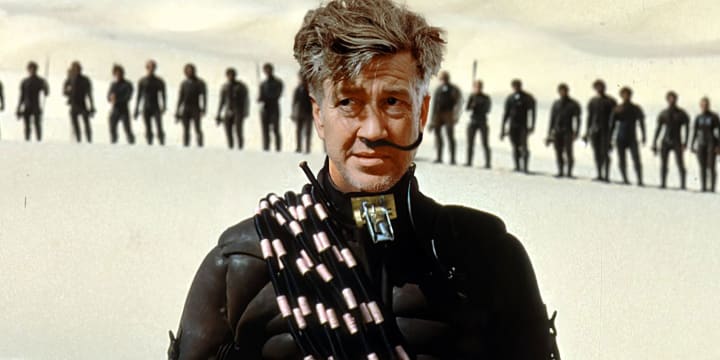
Lynch’s relationship with Hollywood has always been complicated. While he proved he could make commercially viable films with The Elephant Man (1980), his experience directing Dune (1984) was a nightmare. The studio took control of the final cut, leading to a film that was a shadow of Lynch’s vision. He has since disowned the film, refusing to discuss it in detail.
But rather than let Dune define him, Lynch turned his back on studio filmmaking and doubled down on his unique style. Lost Highway (1997) was a cryptic exploration of identity and reality. Mulholland Drive (2001) began as a failed TV pilot but transformed into one of the most acclaimed films of the 21st century, a haunting meditation on Hollywood’s seductive yet destructive nature.
Then came Inland Empire (2006), perhaps his most experimental work. Shot on digital video with no script, the film was a three-hour odyssey into paranoia and shifting realities. It was Lynch at his most unfiltered, challenging audiences to embrace pure abstraction.
Returning to Twin Peaks - On His Own Terms
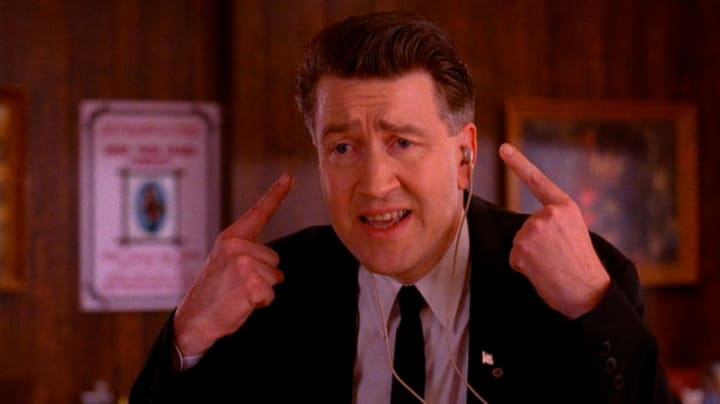
After a decade-long break from filmmaking, Lynch returned in 2017 with Twin Peaks: The Return, an 18-episode continuation that defied every expectation. Those hoping for a nostalgic revisit of old characters were instead given something far more complex: a sprawling, often confounding meditation on time, loss, and the inescapability of fate.
Clocking in at nearly as much screen time as all his previous films combined, The Return wasn’t just a TV show—it was an 18-hour film, unlike anything that had ever aired before. Lynch pushed television storytelling to its limits, delivering moments of horror, humor, and existential dread in equal measure. Episode 8, a nightmarish journey into the birth of evil, has been widely regarded as one of the most daring hours in TV history.
Lynch also placed himself at the center of the show, reprising his role as FBI Deputy Director Gordon Cole. This wasn’t just a character—it felt like Lynch himself guiding us through his labyrinthine vision, becoming the heart of his most ambitious project yet.
A Legacy That Will Never Fade
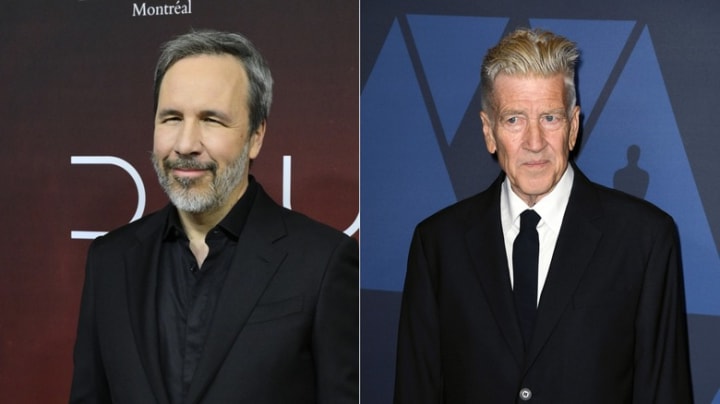
David Lynch’s influence extends far beyond cinema. His work has shaped generations of filmmakers, from Ari Aster (Hereditary) to Denis Villeneuve (Arrival, Dune). His ability to merge surrealism with deep emotional storytelling has made him one of the most respected and studied directors in film history.
But more than anything, Lynch has shown that true artistry comes from taking risks, from refusing to conform, from embracing the strange and the unknown. His films aren’t just stories—they are experiences that burrow into the subconscious, revealing truths we may not be ready to face.
Even if he never makes another film, his impact is eternal. David Lynch didn’t just change cinema—he changed the way we experience reality.
About the Creator
Rahul Rawat
Delving into the philosophy and deeper meanings of films, I explore how storytelling, characters, and cinema reflect our society. Join me in analyzing the art of movies and their cultural impact through a thoughtful, philosophical lens.
Keep reading
More stories from Rahul Rawat and writers in Geeks and other communities.
New 'Daredevil: Born Again' Trailer Breakdown: Unveiling Hidden Details and Easter Eggs
The highly anticipated trailer for Daredevil: Born Again has finally arrived, and it’s packed with thrilling moments that have fans buzzing. With old characters returning, new threats emerging, and an intense storyline unfolding, this revival of Daredevil promises to be a game-changer. Let’s break down the key highlights and what they mean for the series.
By Rahul Rawatabout a year ago in Geeks
A Knight of the Seven Kingdoms Series Review (Season 1)
As one of the biggest properties in fantasy, A Song of Ice and Fire remains immensely popular with audiences. After reaching far into the past with House of the Dragon, a second spin-off was on the cards. A Knight of the Seven Kingdoms serves up a bite-sized slice of action and drama, but it still claims a spot among the best small-screen titles.
By Robert Cain14 days ago in Geeks
Lycan Lore
As the students of my 10am mythology class take their seats, I decide to steer the day's curriculum away from Greek and dive into a Western European discourse on the misaligned beliefs of the Werewolf. A tale of truth or fiction. No one really knows.
By Lamar Wigginsabout 14 hours ago in Fiction


Comments
There are no comments for this story
Be the first to respond and start the conversation.