
Britney Spears’s Back-Catalogue Sale Signals a Music Industry Turning Inward
The pop icon’s catalog deal highlights an industry increasingly reliant on nostalgia and safe financial bets instead of new artistic risk.

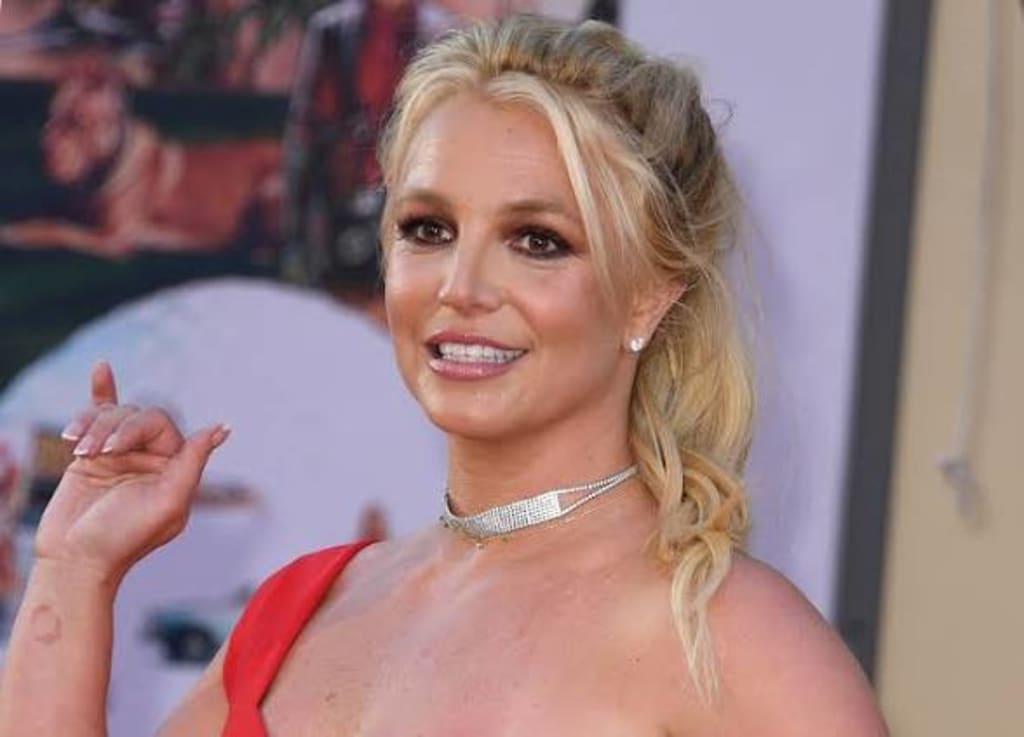
The recent sale of Britney Spears’s back catalogue has become more than just another high-profile financial transaction. It stands as a revealing symbol of a music industry increasingly focused on recycling its past rather than building its future. As one of pop music’s most influential artists of the last three decades, Spears’s decision to sell the rights to her recorded music and publishing assets underscores a broader shift in how value is created and preserved in the modern entertainment economy.
Catalog sales have surged in recent years, driven by investment firms eager to acquire reliable revenue streams from established hits. For companies facing uncertainty in touring income and volatile streaming payouts, owning proven music assets offers financial security. Spears’s catalogue, which includes global anthems such as …Baby One More Time and Toxic, represents a stable and predictable source of income through streaming platforms, advertising, and licensing deals. Yet the sheer scale of these transactions highlights an industry that appears increasingly dependent on yesterday’s successes.
The move comes at a time when the music business is grappling with structural challenges. Streaming has transformed consumption habits but has also concentrated profits among a small group of top artists and rights holders. While platforms boast billions of users, the average musician earns little from digital plays alone. This imbalance has led to an environment where legacy catalogs—already famous and algorithm-friendly—are far more attractive to investors than untested new music.
Spears’s sale also reflects changing priorities for artists themselves. After years of legal battles over control of her career and finances, monetizing her catalogue provides both financial independence and emotional closure. For performers who endured intense public scrutiny and rigid contracts in earlier eras, selling rights can be seen as reclaiming agency in an industry that historically favored record labels over creators.
However, critics argue that the growing obsession with back catalogues is a sign of creative stagnation. Instead of funding emerging talent or experimenting with new sounds, corporations are pouring billions into music that has already proven profitable. This inward collapse risks narrowing the cultural space for innovation, as marketing budgets and radio exposure continue to prioritize familiar songs over fresh voices.
There is also a cultural cost. Music has long functioned as a mirror of social change, reflecting new identities, struggles, and movements. When investment strategies dominate artistic strategy, music risks becoming a financial instrument first and an expressive medium second. The industry’s fixation on nostalgia may provide short-term returns but could weaken its long-term relevance to younger audiences seeking authenticity and originality.
At the same time, the phenomenon reveals how music has become a financial asset class. Songs are now treated like real estate or stock portfolios, valued for their ability to generate recurring revenue rather than emotional connection alone. Spears’s catalogue sale joins a growing list of similar deals by iconic artists, reinforcing the idea that pop history is being consolidated into corporate ownership.
Yet the implications go beyond business. For fans, these transactions can feel unsettling, as the emotional legacy of an artist becomes controlled by anonymous investment groups. Decisions about licensing, remixes, and branding are increasingly driven by profitability rather than artistic intent. The risk is that music once shaped by personal struggle and creative vision may be repackaged endlessly to suit advertising campaigns and film soundtracks.
Britney Spears’s catalogue sale is therefore not just a financial headline—it is a cultural signal. It reveals an industry seeking safety in its own archive, wary of risk and uncertain about the future. Whether this trend represents a temporary phase or a lasting transformation will depend on whether record labels and investors eventually rediscover the value of nurturing new talent alongside preserving old hits.
For now, the deal stands as a powerful reminder: the music industry may be moving forward technologically, but economically and creatively, it appears to be turning inward—relying on the past to secure its future.
About the Creator
Fiaz Ahmed
I am Fiaz Ahmed. I am a passionate writer. I love covering trending topics and breaking news. With a sharp eye for what’s happening around the world, and crafts timely and engaging stories that keep readers informed and updated.
Keep reading
More stories from Fiaz Ahmed and writers in Geeks and other communities.
Dracula Review: A Gothic Tale Reimagined for Modern Audiences
When Bram Stoker first penned Dracula in 1897, he created more than just a horror novel; he forged the template for vampire mythology that continues to captivate audiences over a century later. From films to television series, Dracula has been reimagined countless times, but the latest adaptation seeks to balance the original gothic charm with a modern sensibility. The result? A bold and intriguing rethinking of one of literature’s most iconic figures, but also a reminder of why the classic still holds its own. Plot Overview The latest iteration of Dracula comes from the creative minds behind Sherlock, Steven Moffat and Mark Gatiss. This version of the legendary vampire is structured around a three-part miniseries, each episode running an hour and a half. Set in 1897, the story follows the infamous Count Dracula (played by Claes Bang) as he plots to leave Transylvania and invade England. However, this time, the focus is not just on Dracula’s evil machinations but also on the female characters, particularly Sister Agatha (Dolly Wells), a resourceful nun who sets herself up as Dracula’s nemesis. The show begins with the well-known origin story of Dracula’s rise, with an intriguing twist. Dracula, a master of manipulation and seduction, is depicted as more than just a bloodsucker. He is a figure of intellect and strategic genius, using his supernatural powers not only for killing but also for self-preservation. Unlike many previous iterations, Moffat and Gatiss present him as both a force of pure evil and an embodiment of society’s fears and desires. Performance and Casting Claes Bang’s portrayal of Count Dracula is, without a doubt, one of the most compelling parts of this adaptation. He exudes charisma and menace with equal precision, imbuing Dracula with a complexity that pushes the character beyond the typical portrayal of a mere villain. His performance conveys a layered personality—a being both ancient and alluring, calculating and dangerously charming. However, the true standout in this series is Dolly Wells as Sister Agatha. What could have easily been a traditional ‘final girl’ role is instead given a much-needed update, with Agatha being both a formidable antagonist and a surprisingly complex character. The dynamic between her and Dracula provides some of the most interesting moments of the show, as the tension between good and evil is explored with nuance. Her wit, strength, and resolve make her an excellent foil to Dracula's unyielding malevolence. The rest of the supporting cast, including a range of characters in Dracula's path of destruction, holds their own but often fall short when compared to the central performances. Nonetheless, they serve to further the plot, providing Dracula with the means and obstacles he needs for his wicked schemes. Cinematic Visuals and Atmosphere One of the greatest strengths of Dracula lies in its visual aesthetic. The show embraces the gothic nature of the story, using intricate, atmospheric settings that heighten the tension and eeriness of the tale. From the dark, towering walls of Dracula’s Transylvanian castle to the Victorian mansions of London, every set is meticulously designed to evoke the mood of the original novel while enhancing the story’s modern twist. The show’s cinematography is rich with deep shadows and hauntingly beautiful shots that emphasize the themes of isolation, corruption, and the supernatural. A standout scene occurs in the first episode, where Dracula’s entrance into a new world is marked by a stormy, foreboding atmosphere, complete with creeping fog and the faint sound of organ music. These visuals help to immerse the viewer into the world of Dracula, reinforcing the timeless nature of his terrifying presence. Themes and Modern Twists While Moffat and Gatiss retain much of the original plot from Stoker’s novel, they infuse it with modern sensibilities, exploring themes like gender, power, and societal expectations. One of the most interesting aspects of the series is its approach to the character of Dracula, who is depicted not merely as a bloodthirsty monster but as a reflection of humanity’s darker impulses. The show cleverly examines how Dracula uses his powers not only to manipulate people but to expose the darker aspects of human nature. Furthermore, the role of women in the story is redefined. In previous adaptations, female characters often served as helpless victims, but here, they are imbued with agency and complexity. Agatha’s character is one of empowerment, and her resistance against Dracula is portrayed not as a mere battle of good versus evil, but as a confrontation of intellect, resilience, and willpower. The narrative also plays with the passage of time, reflecting on Dracula’s ability to adapt and survive throughout history. While the show sticks to its Victorian roots for much of the series, it takes some bold steps in reimagining the traditional narrative structure, keeping the audience on edge with unexpected developments and time-jumps that lead to both thrills and intrigue. Pacing and Structure While Dracula starts strong with an exciting and fast-paced first episode, the pacing slows down significantly in the second and third episodes. The middle episode tends to meander, losing some of the immediate tension established at the outset. The final episode also takes a rather ambitious narrative leap, which will leave some viewers either satisfied or perplexed by the unexpected twists. This structure may frustrate those expecting a more traditional, linear storytelling approach. Despite its somewhat uneven pacing, the miniseries remains an engaging and bold reinterpretation of the classic gothic tale. Moffat and Gatiss take risks, and though not all of them fully succeed, their vision is clear, fresh, and audacious in its attempt to modernize a centuries-old story. Final Thoughts Ultimately, the Dracula miniseries is a captivating reimagining that both honors and challenges the source material. With strong performances, particularly from Claes Bang and Dolly Wells, a gorgeous visual style, and thought-provoking themes, it offers a fresh perspective on an age-old story. While the pacing may falter at times, the show’s ambition and atmosphere make it an exhilarating ride for fans of both classic horror and modern reboots. This adaptation of Dracula is a thrilling exploration of power, fear, and human nature, cementing its place as a worthy entry in the long line of Dracula adaptations. For those willing to embrace a new take on an iconic character, this version is certainly worth the watch.
By Fiaz Ahmed 9 days ago in Geeks
No Other Choice (2025)
It is only February, so other films may well surpass “No Other Choice”, but I think this is the best film I’ve seen so far this year. And that surprises me, because, it is a subtitled film and while I am pretentious enough to choose to watch foreign-language films, I was also very tired and that was an extra commitment from me. But more importantly, let me warn you, this film is gruesome and violent. There were times I had to turn away from the screen to avoid the worst of it (including some self-inflicted dentistry).
By Rachel Robbins2 days ago in Geeks
I Don't Need My Phone... Wait, Is That Actually True?
My parents gave me my first cell phone when I was twelve years old. It wasn't a fancy iPhone or anything, not even close. Just a simple black flip phone for when I needed to call or text them after school.
By Madison "Maddy" Newtona day ago in Humans

Comments
There are no comments for this story
Be the first to respond and start the conversation.