
Book Review: "The Only Story" by Julian Barnes
5/5 - another modern classic by Julian Barnes, in which he shows us the dark side of youthful romance...

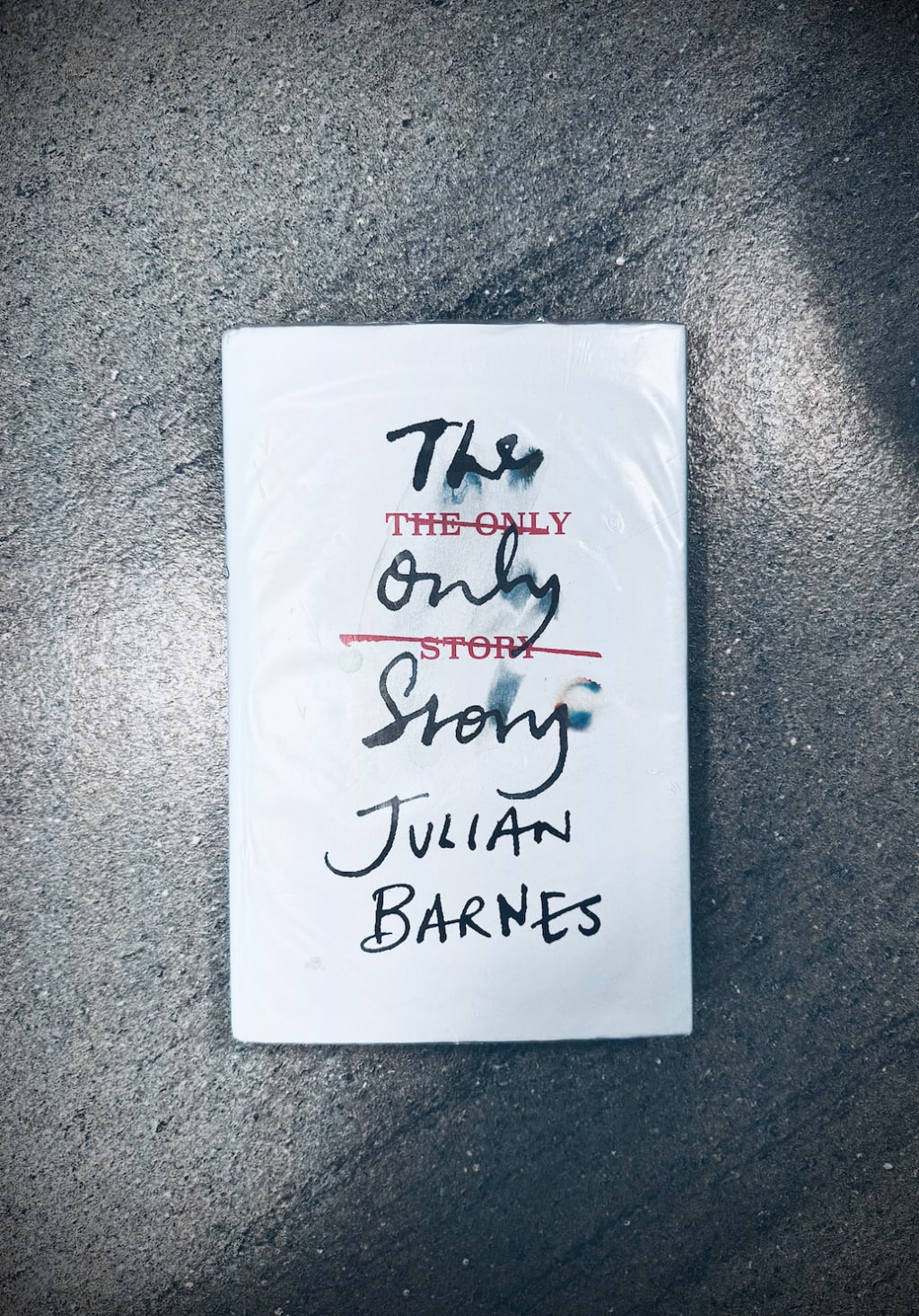
I've read quite a bit by Julian Barnes and every time I pick up a book by him I just know it is going to contain a big moral and philosophical question that we never really get entirely answered. Instead, we have about three or four different ways of thinking about it. In Before She Met Me we are forced to confront this through dark humour and narcissism. The Lemon Table definitely has many of these questions alongside characters who are friends with rather odd conditions from time to time. However, this book being reviewed does not change the fact that Julian Barnes' magnum opus in all respects is still The Man in the Red Coat. A book which to this day, I have not been able to forget.
Paul Roberts is a nineteen-year-old university student with this weird romantic idealism in his bones. He feels so naive but then, if we remember back when we were those ages, we can definitely say we too, were different people than we are now - perhaps happier and more optimistic than today. He meets a forty-something year old woman named Susan Macleod who is already married and they hit it off straight away. After having a short flirtatious time, they involve themselves in a passionate love affair which goes on for quite a long time. Paul is confident in his narrative, looking at his relationship with this witty and rebellious woman despite the fact that she is married. Julian Barnes writes a brilliantly optimistic character with charm and all the happiness of a young man discovering who he wants to be. But as we know, Julian Barnes' narratives aren't always that smooth.
Both of the families are a bit put off by the relationship and even though that is the case, Paul moves in with her and starts to see life from her point of view in some ways. He is influenced by her and moves around her same circles in this era - noting how her husband is violent and abusive. Paul thus sees himself as the romantic hero who comes to rescue this woman from a relationship in which the other man is harming her beyond repair, he feels like he can save her and obviously, everyone over the age of 21 can see where this is going. Julian Barnes definitely knows how to tell a story, but this is something he doesn't do often - he is letting the reader see the foreshadow before the characters have a chance to morally evaluate themselves.
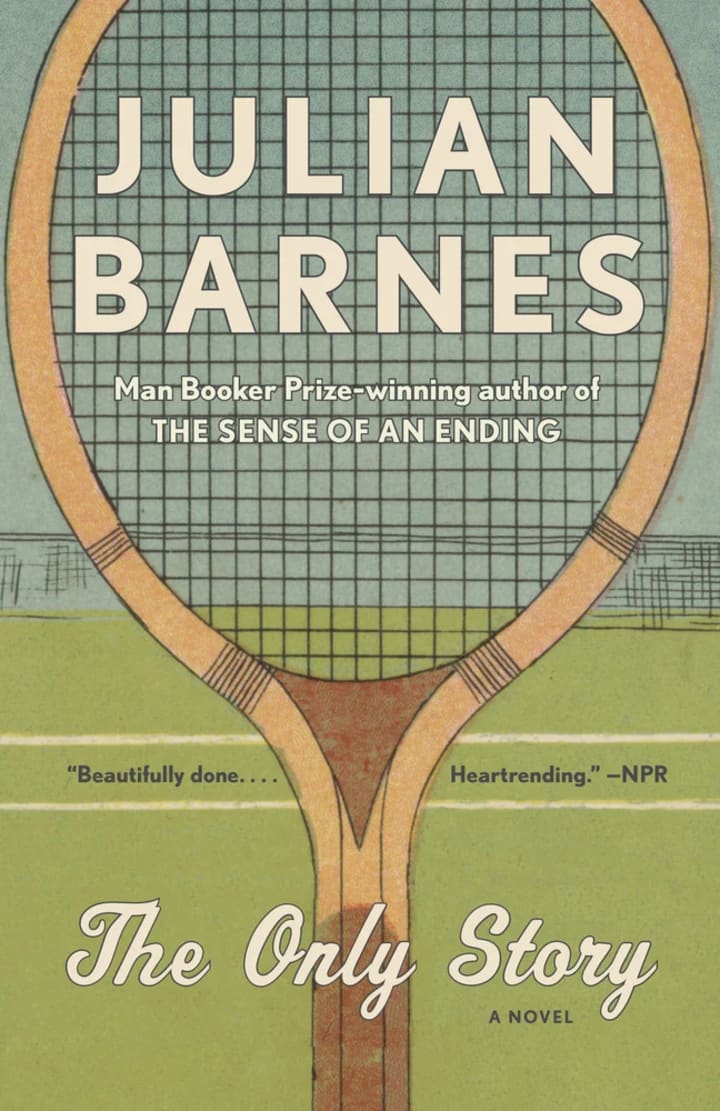
After the thrill of the romantic first steps, they settle down into a more mundane day to day life and so, Paul begins to see the first signs of things not going quite right for him. His romantic hero image is a bit shaky as he discovers some faults of Susan's that he doesn't find as attractive. Paul begins to notice Susan's drinking and the way her mood shifts often. However, in his youthfulness, he still believes that he can save her. Julian Barnes definitely works in these ills into his passion for her.
The novel shifts from the "I" to the "You" as Paul becomes more distant from himself. He is no longer sure of the memories he has had with Susan, looking at the way in which he may have been blind-sided by romance. This is a more analytical part of his narrative, the story slowly becomes more and more impactful. No longer is it just a romance of a young man with an older woman, but now it is a man who is slowly getting older and more wiser, things aren't as he remembers and he has to come to terms that maybe he was more immature in his own mind than he originally thought.
As the story continues, the narrative shifts once again as Paul realises that he can no longer fall that deeply in love after realising something is truly wrong. As Susan's condition worsens, he loses his own identity. I think we can all relate to the fact that as we get older, we almost romanticise the youth that we once had. We crave that optimistic free spirit once again, but there are always darker undertones of ignorance, which proves to bliss until it isn't. Julian Barnes steps into the shoes of showing us who we all really are through a tale that may not be relatable to all, but is definitely 100% true to everyone who reads the book.
***
Join my unofficial challenge!
About the Creator
Annie Kapur
I am:
🙋🏽♀️ Annie
📚 Avid Reader
📝 Reviewer and Commentator
🎓 Post-Grad Millennial (M.A)
***
I have:
📖 280K+ reads on Vocal
🫶🏼 Love for reading & research
🦋/X @AnnieWithBooks
***
🏡 UK
Keep reading
More stories from Annie Kapur and writers in Geeks and other communities.
Book Review: "Immaculate Conception" by Ling Ling Huang
Ling Ling Huang might be one of the most exciting names in modern horror at the moment. The term 'wellness horror' was basically born out of her novel Natural Beauty - a novel I thought was incredible. There is another book by her which takes the idea of technology, wellness, class divide and the intrusion of capital on to our real lives, to a whole new extreme. Immaculate Conception has the same amount of body horror but also mixes it in with a question about whether a technology can be helpful or parasitic. It feels so modern and appropriate for our own times. Let's take a look at what it entails.
By Annie Kapur6 months ago in Geeks
The Rachels - 2025
Much to my surprise, I have kept a list of the films I‘ve seen this year. I daresay it isn’t complete. There will be films that snuck in on a late night in front of the TV that I would’ve forgotten to note. Or others, that I went to watch at the cinema, but then had a red wine and promptly forgotten about. But it’s not a bad approximation of the films I’ve seen this year. In total, there are 53 films listed, so an average of one a week and one for good luck.
By Rachel Robbins25 days ago in Geeks
Ludacris and Nelly draw backlash over bookings at MAGA-coded music festival
Ludacris and Nelly headlining a mostly right-wing event is good for them. It’s also great for the genre of hip hop. The two rap veterans have showcased their talents on other stages. Why can’t they perform for mostly MAGA folks and grab that bag?
By Skyler Saunders6 days ago in Beat


Comments (3)
I love how you captured the mix of hope and reality in Barnes’ writing. It’s true, youth feels full of promise until life shows us its cracks.
Ah, young and stupid love... You never forget the lessons learned at that age...
Ugh, I hate cheaters and homewreckers! Susan's husband may have been abusive but that doesn't warrant her cheating. Like she should have divorced her husband before messing around with Paul. Loved your review! There are two typos for put* and mood* in these sentences: "Paul begins to notice Susan's drinking and the way her modd shifts often." "Both of the families are a bit putt off by the relationship"