
Book Review: "Seven Myths About Money" by Rob Dix
4/5 - a fascinating and short book on the modern beliefs about money...and how they're all wrong...

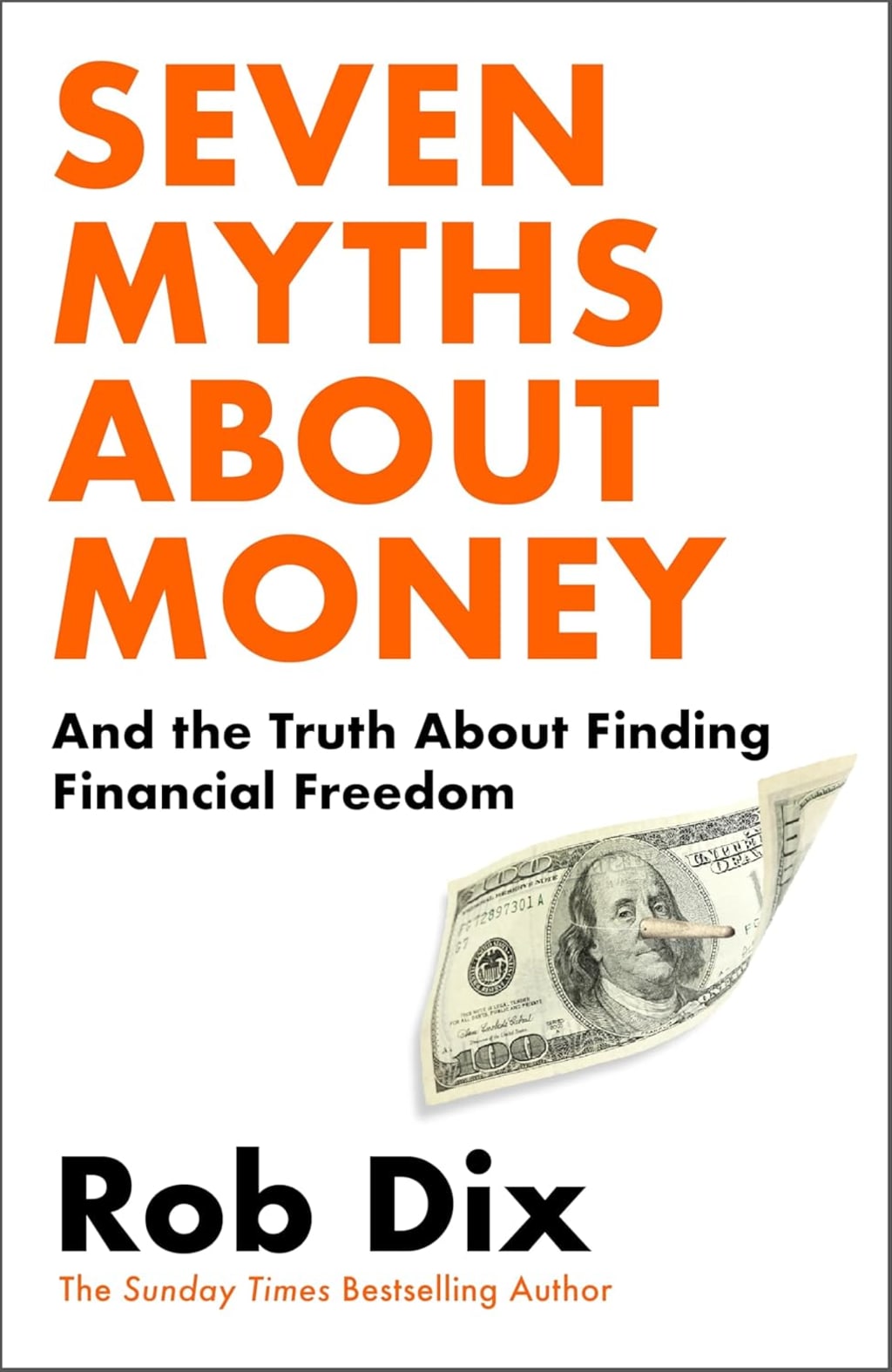
I have no idea why I'm reading books about money and investment but I hope this doesn't become a hyperfixation of mine because that would be really annoying. I'd turn into those weirdos online who swear by books by big investment firms and talks by Jordan Belfort - I would become insufferable and so, I'm making sure it doesn't become a whole thing. Rob Dix's book though has been recommended to me over and over again by Amazon and so, I'm going to take a dive into it and see what I think. Not too long and not too complex, the book itself seems like a bit of fun - but what does it discuss really?
One of the most pervasive pieces of financial advice is the idea that cutting back on small expenses, such as: skipping your daily coffee or cancelling a streaming subscription, will significantly improve your financial future. While budgeting is important, Dix argues that excessive focus on minor cost-cutting often creates a false sense of financial control while distracting from the bigger picture.
Instead of relying solely on frugality, Dix advocates for strategies that focus on increasing income and maximising earning potential. He suggests that people should invest their time in learning valuable skills, starting side businesses, or making smart investments that generate long-term returns. Cutting back on unnecessary expenses may help in the short term, but ultimately, true financial freedom comes from earning more rather than just spending less.
Many financial experts recommend spreading investments across multiple asset classes, such as stocks, bonds, and property, to minimise risk. While diversification can be beneficial, Dix warns that blindly applying this principle can dilute potential gains and create a false sense of security.
Rather than diversifying indiscriminately, he suggests that individuals should focus on developing a deeper understanding of specific investments and industries. By concentrating on areas where they have expertise, investors can make more informed and strategic decisions, leading to higher returns. He emphasises that well-researched, calculated investments can be more effective than scattering money across too many assets without a clear strategy.
The idea that buying a home is the ultimate financial milestone is deeply ingrained in society. Homeownership is often viewed as a secure investment, a way to build wealth, and a symbol of financial success. However, Dix questions whether purchasing property is always the smartest financial move.
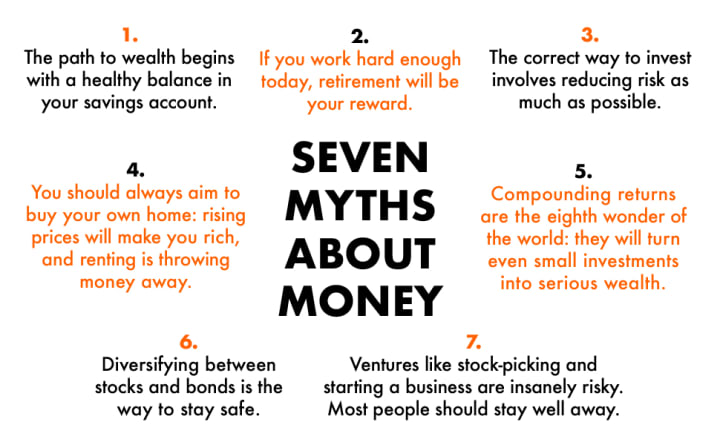
He highlights that buying a house involves significant costs, including maintenance, taxes, and mortgage interest, which can tie up capital that might be better invested elsewhere. Renting, in some cases, provides greater financial flexibility and allows individuals to allocate funds towards higher-return investments. Instead of assuming that buying a home is the best choice, Dix encourages readers to evaluate their own financial goals, market conditions, and lifestyle preferences before committing to property ownership.
Many people believe that the best way to become wealthy is by securing a high-paying job and working their way up the corporate ladder. While earning a steady income is important, Dix argues that relying solely on a salary has its limitations.
Salaries are taxed at high rates, and increasing income through promotions or overtime often requires significant sacrifices in terms of time and personal well-being. Instead of depending only on earned income, Dix emphasises the importance of developing passive income sources, such as: rental properties, dividend-paying stocks, or online businesses that generate revenue without requiring constant effort. By shifting focus from earned income to wealth-building strategies, individuals can create long-term financial security.
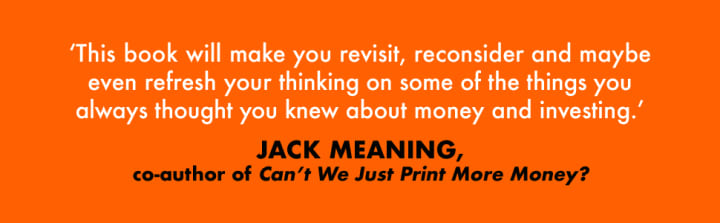
Rob Dix’s Seven Myths About Money offers a refreshing take on personal finance by dismantling common misconceptions and replacing them with actionable, realistic advice. Unlike traditional financial books that focus solely on saving, cutting costs, or blindly following investment trends, Dix provides a more balanced and strategic approach.
His emphasis on increasing income, making intentional investments, and thinking beyond conventional financial advice makes this book a valuable resource for anyone looking to achieve financial independence. By challenging outdated beliefs and offering practical alternatives, Dix empowers readers to make smarter financial decisions, ultimately leading to greater control over their money and their future. Yes, I thought it was a bit of a weird time when I started reading it, but it did seem to open my eyes to the things I believed about money are categorically not true.
About the Creator
Annie Kapur
I am:
🙋🏽♀️ Annie
📚 Avid Reader
📝 Reviewer and Commentator
🎓 Post-Grad Millennial (M.A)
***
I have:
📖 280K+ reads on Vocal
🫶🏼 Love for reading & research
🦋/X @AnnieWithBooks
***
🏡 UK
Keep reading
More stories from Annie Kapur and writers in Geeks and other communities.
Everything is Cannibalism
Background and Context: As you know, I’ve been working on my articles to do with Shakespeare and fear not, for that is still going on. I wanted to add some of my other ideas into the mix though. Another thing I studied at university and wanted to explore more was horror and its trends. Back then, my article was meant to be called “May-Queens and the Folk Horror Revival” whereas now, I have had to change it as a few years have passed since the announcement of the film ‘Midsommar’ (2019) (yeah, it hadn’t even come out yet, it was just announced back then). Now that I’ve updated the title, I can actually get on to formulating the essay. As this was meant to be published on a website, it should be easier to read and more compelling than those I’m writing about Shakespeare and in-depth literary analysis stuff.
By Annie Kapur10 months ago in Geeks
The Rachels - 2025
Much to my surprise, I have kept a list of the films I‘ve seen this year. I daresay it isn’t complete. There will be films that snuck in on a late night in front of the TV that I would’ve forgotten to note. Or others, that I went to watch at the cinema, but then had a red wine and promptly forgotten about. But it’s not a bad approximation of the films I’ve seen this year. In total, there are 53 films listed, so an average of one a week and one for good luck.
By Rachel Robbins25 days ago in Geeks


Comments
There are no comments for this story
Be the first to respond and start the conversation.