
Book Review: Piranesi by Susanna Clarke
5/5 – a labyrinth, a man alone, and the sea that rises with the moon…

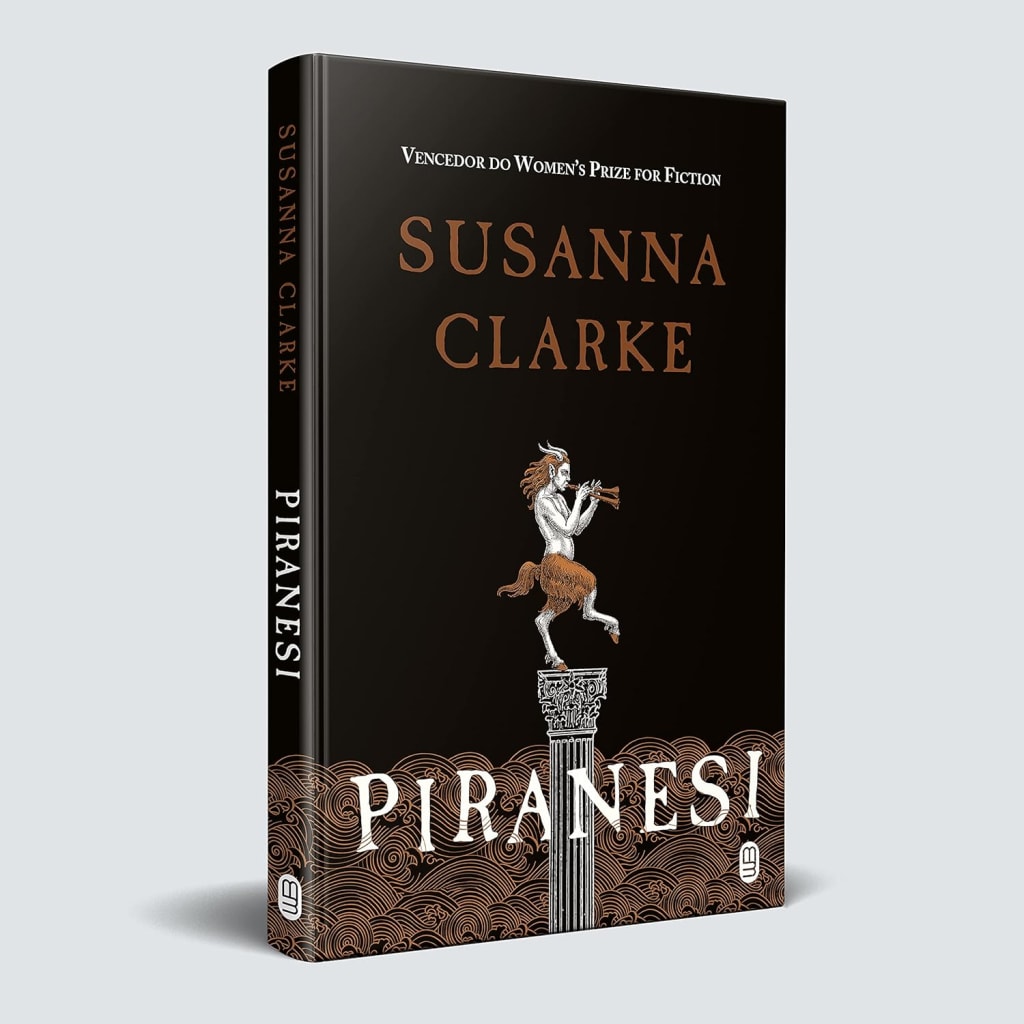
I’ve been seeing this book for years and, for some reason, kept putting it off. Every time I passed it in a bookshop, I’d pick it up, admire the cover, then set it back down again, thinking “maybe next time.” But then one evening, I spotted it online at half the usual price “Best Price in 30 Days” blaring at me and I decided enough was enough. I clicked buy. Within hours of starting it, I realised I’d been a fool for waiting this long. This is the sort of book that rearranges your brain while you’re reading it, a story that is both strange and deeply human.
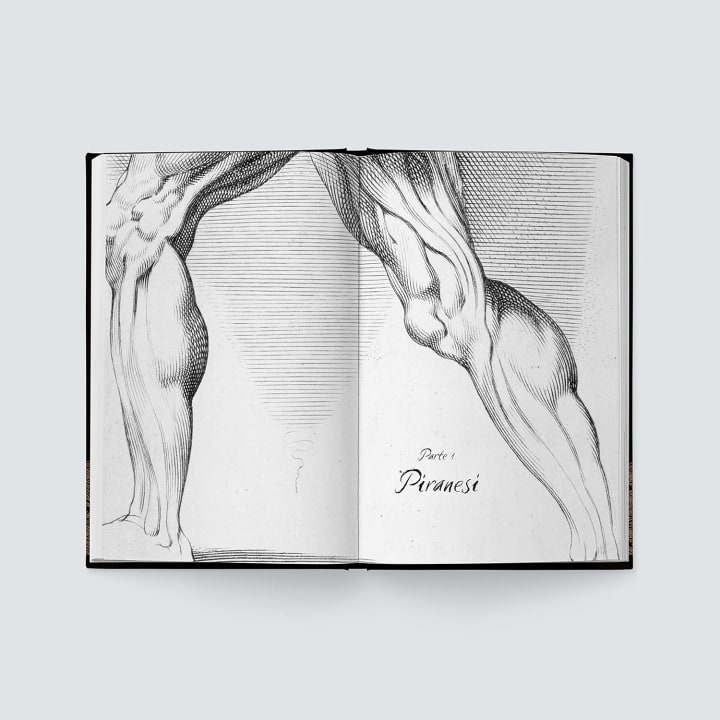
Piranesi lives in a House not a house as we know it, but an infinite labyrinth of marble halls and statues, staircases that lead into clouds, and tides that flood the lower levels. To him, the House is the world. He spends his days carefully cataloguing the statues, tracking the tides, and tending to the birds who visit its vast spaces. At first, the prose feels almost matter-of-fact calm, gentle, like the rhythms of the tides themselves. But slowly, you realise there are cracks in this perfect marble. Something, or someone, is missing.
Piranesi keeps meticulous journals. He documents weather patterns, tidal surges, and his own thoughts with almost scientific precision. Reading them is like peering into the mind of a man both devoted to and trapped by his environment. The narrative is fragmented diary entries that sometimes leap weeks or months apart yet it works to pull you deeper into his mind. There is only one other living person he knows: “The Other,” a man who visits twice a week, always dressed in sharp modern clothes that do not belong in the House. Their relationship is an odd dance of cooperation and distrust.
As the story unfolds, tiny details begin to shift. Footprints where there should be none. Scraps of messages. A growing suspicion that perhaps Piranesi has not always lived in the House. Clarke doesn’t rush these revelations; they creep in like the slow approach of a tide. I found myself holding my breath more than once, aware that the stillness of this world might not be as benevolent as Piranesi believes.
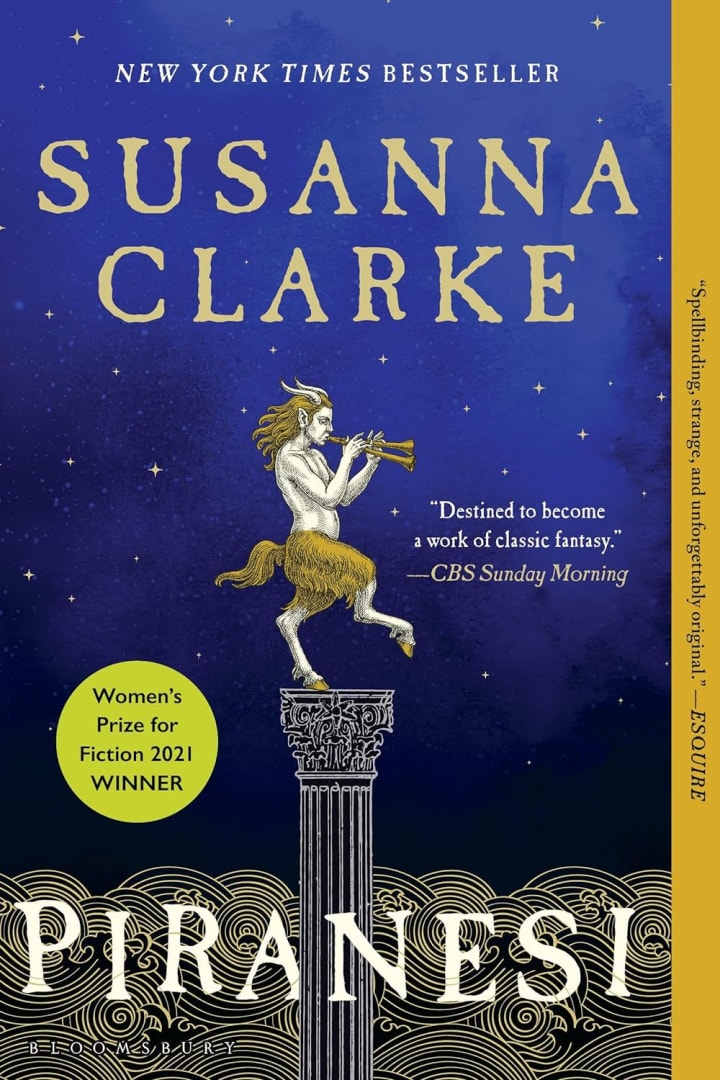
What’s striking is that Piranesi never truly tries to leave. Instead, he seeks to understand mapping the halls, predicting the tides, finding meaning in the statues and skies. There’s a quiet acceptance in him, a faith that the House will provide all he needs. Even when evidence of another life surfaces, his reaction is not panic but wonder. It’s almost philosophical: if the world is infinite and beautiful, why seek another?
The House itself becomes a character vast, silent, and filled with an aching kind of beauty. The choice of setting is deliberate; like November in another kind of story, it’s a place suspended between life and decay. There is salt in the air, the constant pull of the sea, and an ever-present reminder that beauty can also be dangerous. There’s a sense of grandeur that borders on the divine halls so huge they swallow sound, statues so intricate they seem to breathe. Yet, within this majesty, there is also isolation. You start to notice the way Piranesi describes the gulls with affection, the tides with reverence these are his companions as much as any person could be.
There’s also a subtle commentary on knowledge itself. Piranesi’s journals are a kind of archive, a human attempt to impose order on an infinite, unknowable world. He doesn’t just describe what he sees; he tries to understand why it exists. The Geek in me found this fascinating this careful, almost obsessive cataloguing feels like the notes of an explorer charting a new planet. It’s science, yes, but also devotion. His records are as much love letters to the House as they are observations.
By the time the truth begins to crystallise, you realise the tragedy hidden in the beauty. This is not simply a man living in a strange place; it’s a man who has lost a part of himself, whose memories have been reshaped by the very space he inhabits. And yet, there is no bitterness. Piranesi’s innocence his joy in the small things feels rare in fiction. Even when confronted with deception, he retains his reverence for the House.
All in all, Piranesi is a masterclass in subtle world-building and emotional resonance. It is about memory, solitude, and the strange ways we build meaning out of the spaces we inhabit. Reading it felt like walking through a dream I didn’t want to wake from, one that leaves you questioning whether escape is always the right choice or whether, sometimes, the labyrinth is exactly where we belong.
About the Creator
Jawad Ali
Thank you for stepping into my world of words.
I write between silence and scream where truth cuts and beauty bleeds. My stories don’t soothe; they scorch, then heal.
A Knight of the Seven Kingdoms Series Review (Season 1)
As one of the biggest properties in fantasy, A Song of Ice and Fire remains immensely popular with audiences. After reaching far into the past with House of the Dragon, a second spin-off was on the cards. A Knight of the Seven Kingdoms serves up a bite-sized slice of action and drama, but it still claims a spot among the best small-screen titles.
By Robert Cain14 days ago in Geeks
My Top 50 Favorite Sci-Fi/Thriller Movies of All Time
***Author's Note*** I realize there are several repeats from past lists included on this one. Sci-fi is my favorite genre, so when I started creating a list of my top 10 favorites, I realized I had to make the list much longer to be able to fit and talk about all the amazing sci-fi films I love.
By Madison "Maddy" Newton7 days ago in Geeks


Comments
There are no comments for this story
Be the first to respond and start the conversation.