
BBC’s 'Just Act Normal': A Wound We All Carry.
A Review From Someone Who Knows Very Little About TV.
Disclaimer:
Before I begin, a quick note: I'm not someone who watches a lot of TV, and I’m certainly no expert when it comes to reviewing shows. So, if I get the names wrong or miss some details — that's on me. But something about "Just Act Normal" grabbed me, and I can’t shake the things it made me think about. It left me with more questions than answers, and I think that’s worth sharing.
Review:
Normal isn't just what we pretend to be; it's what we survive. BBC's "Just Act Normal" dares us to confront the wounds we've learned to call ordinary.*
BBC’s "Just Act Normal" wears the mask of a comedy, but beneath the humor lies an unflinching exploration of grief, survival, and societal dysfunction. It’s the kind of show that lingers in your thoughts, asking tough questions and refusing easy answers.
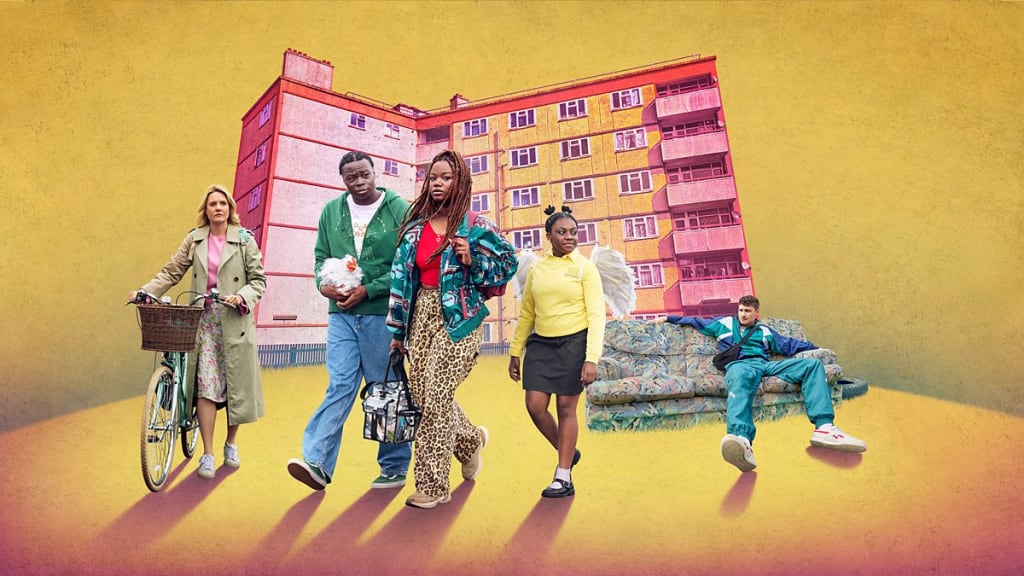
At the heart of the story is Tiana (Chenée Taylor), a young girl grappling with the loss of her mother to a drug overdose. Her life unfolds within a fractured world: her older sister Tanika (Kaydrah Walker-Wilkie) tries to hold them together, while their father Leo (Ivanno Jeremiah) embodies the bitter narrative of lost Black British men seeking false escape through whiteness, and Feelgood (Sam Buchanan) offers a painful imitation of fatherhood while fighting his own demons. Meanwhile, Ms. Jenkins (Romola Garai), Tiana’s teacher, reminds us how easy it is to live double lives—polished on the surface, but unraveling underneath.
Through Tiana’s story, "Just Act Normal" transcends stereotypes and simplicity, capturing universal themes of longing, abandonment, and silent grief that reach across race, class, and geography. It doesn’t seek to tidy up the chaos; it simply lays it bare, daring us to reckon with it.
The Characters and Their Wounds.
Every character bears their own burden, and parenthood—or the desperate yearning for it—cuts across the show like an open wound.
Feelgood, for all his brokenness, tries to become the protective figure he never had.
Leo, by contrast, flees from the responsibility of fatherhood, embodying a devastating but familiar narrative: the myth of social ascension through proximity to whiteness often leads to isolation and betrayal.
But this isn’t a show that blames or simplifies. Leo’s failure doesn’t belong solely to him or his circumstances—it reflects broader societal fractures. The show captures this beautifully, reminding us that dysfunction isn’t confined to one race, class, or community—it’s a universal scar.
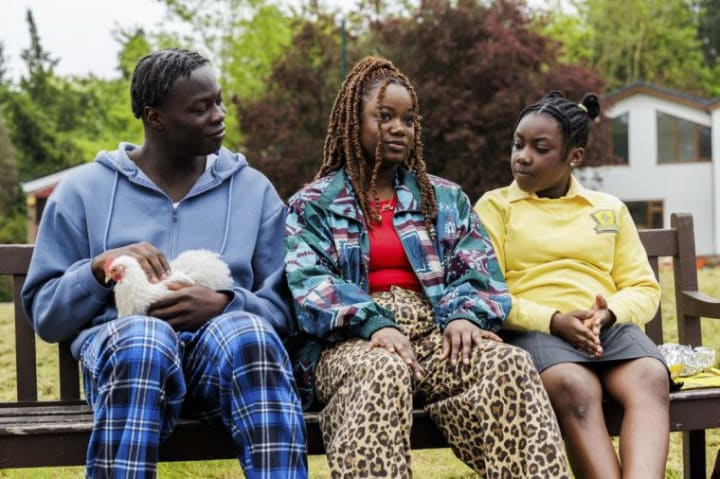
Then there’s Tionne (Akins Subair), their brother, who carries his grief differently. While his sisters focus on surviving day-to-day, Tionne channels his pain into ambition, dreaming of university and a life beyond their struggles. His pet chicken, oddly enough, becomes a symbol of his desire for stability—a small, manageable responsibility in a chaotic world. His relationship with his girlfriend, Rome (Talitha Wing), adds another layer of complexity. Their bond is tender and authentic, but it also reflects the tension between his aspirations and the emotional weight of his family’s needs. Together, they navigate the awkwardness of young love while grappling with the realities of their lives.
Tanika’s love story with Jamie (Adam Little) provides a tender, fragile counterpoint to the heavier themes. Their bond, though awkward and faltering, feels revolutionary in a world where survival masquerades as strength. It’s an attempt at raw connection in poisoned soil.
The Quiet Devastation and Societal Reflection.
The show’s strength lies in its ability to reveal pain through quiet, understated moments.
Feelgood’s character offers some of the most poignant examples. His silent longing is not limited to watching children from a distance—it manifests in the messy, raw attempts to connect with the world around him.
He moves in with Tiana, Tanika and their brother after helping them bury their mother, taking on a parental role in the absence of stability. His gesture of stealing for Tiana a ballet costume, while perhaps misguided, reflects his yearning to nurture and protect, even when he struggles to offer the consistency they need. In pretending to be their late mother’s boyfriend, Feelgood’s efforts to provide comfort and a semblance of normalcy are fraught with the uncomfortable truth of his own fractured identity and unresolved grief.
These moments underline his complexity—not as a saviour, but as someone trying to fill the void left by systems and individuals who have abandoned these children. The show captures these layers without judgment, showing us the humanity in flawed, imperfect attempts to heal.
Final Thoughts :
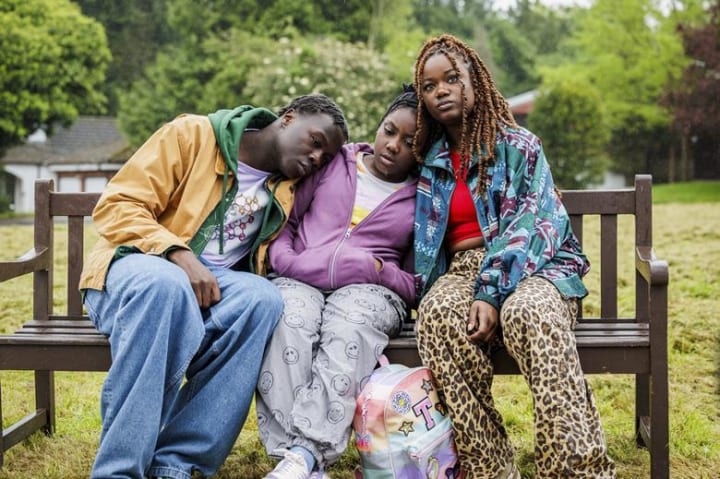
“Just Act Normal” isn’t entertainment—it’s a mirror. It reflects a society where survival is often disguised as strength and where dysfunction has become the norm for so many. It doesn’t shout, it doesn’t preach—it simply lays it all bare and dares you to sit with the discomfort.
For someone who doesn’t watch much TV, this show left a deep mark on me. It’s a reminder that sometimes, the most powerful stories aren’t the ones that provide answers—they’re the ones that leave you asking questions.
About the Creator
The Politics of Playing Dress-Up
Well, to start off I'd like to say a happy world book day to all who celebrate. I know I haven't really posted anything on my socials about it but I'm not a jubilant kind of person. I lay low most of the time. Let's start off with a popular anecdote from the vaults...
By Annie Kapur5 days ago in Geeks
Vinland Saga Power Rankings
The world of Vinland Saga isn’t about flashy powers or supernatural abilities — it’s about brutal warfare, hardened warriors, and the relentless pursuit of survival in a Viking age ruled by strength. Battles are decided by skill, experience, tactics, and sheer willpower. Some fighters dominate through raw physical might, while others rely on speed, precision, or calculated strategy — but only a few stand above the rest as true monsters on the battlefield.
By Top Ranked7 days ago in Geeks
A More Human Vocal
When we launched Vocal nearly a decade ago, the world was a very different place. LLMs did not exist, and stories were created one at a time by people sitting down to write, revise, and share something personal. Many of our assumptions about publishing, trust, and participation were built for a world where effort and output were inseparable.
By Justin @ Vocal5 days ago in Resources

Comments (2)