
"AI Revolution: How Artificial Intelligence is Changing the World"
AI GOOD OR BAD?

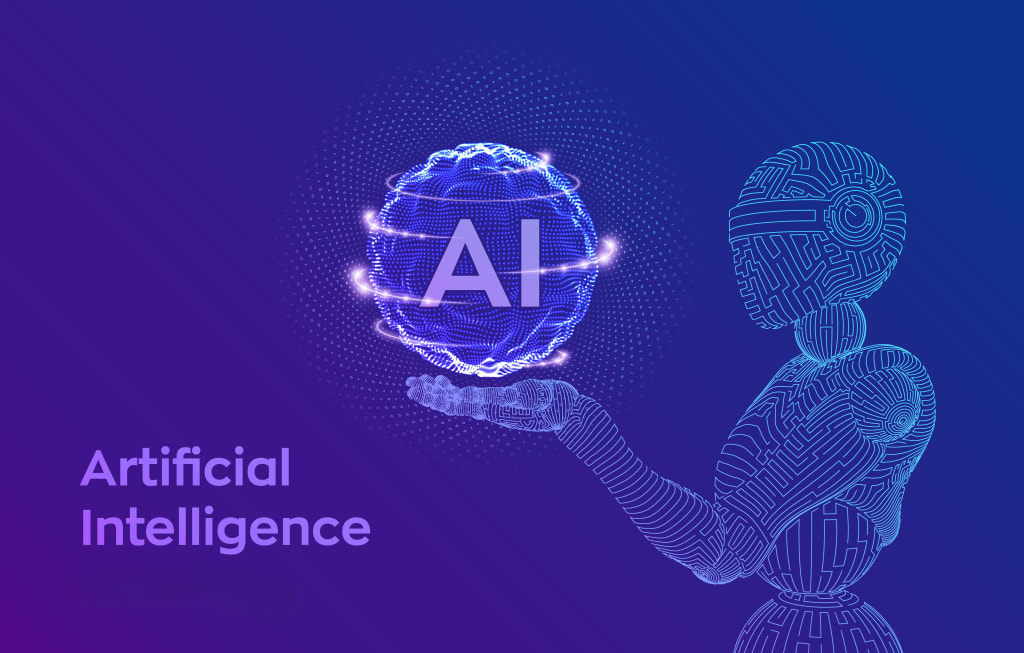
Definition of Artificial Intelligence (AI)
Artificial Intelligence (AI) refers to the simulation of human intelligence in machines that are programmed to think and learn like humans. It involves the development of computer systems that can perform tasks that typically require human intelligence, such as understanding natural language, recognizing images and patterns, making decisions, and solving problems. AI can be divided into two main categories: narrow or weak AI, which is designed for a specific task, and general or strong AI, which has the ability to perform any intellectual task that a human can. The field of AI research began in the 1950s and has since grown to encompass a wide range of sub-disciplines, including machine learning, computer vision, natural language processing, and robotics.
A brief history of AI
The history of Artificial Intelligence (AI) can be traced back to the 1950s, when a group of scientists and researchers at Dartmouth College proposed the creation of a machine that could "think" like a human. This proposal marked the beginning of the field of AI research, which aimed to develop computer systems that could perform tasks that typically required human intelligence. Today, AI is being integrated into a wide range of industries and applications, from healthcare and finance to transportation and retail. The field continues to evolve and advance, with ongoing research in areas such as deep learning, natural language processing, and computer vision.
The current state of AI and its impact on various industries:
The current state of Artificial Intelligence (AI) is characterized by a rapid pace of development and a growing number of applications across a wide range of industries.
In the field of manufacturing, AI is being used for tasks such as quality control, predictive maintenance, and supply chain optimization. It is helping to improve production efficiency, reduce downtime, and to optimize the entire manufacturing process.
In the field of finance, AI is being used for tasks such as fraud detection, risk management and investment analysis. It is helping financial institutions to identify and prevent fraudulent activity, to make more informed investment decisions, and manage risk.
In the field of retail, AI is being used for tasks such as inventory management, customer service, and personalization. It is helping retailers to better understand their customers, improve their supply chains, and provide more personalized shopping experiences.
In the field of transportation, AI is being used for tasks such as traffic prediction and navigation, self-driving cars, and drones. It is helping to improve traffic flow, reduce accidents, and to make transportation more efficient.
In the field of healthcare, AI is being used for tasks such as medical imaging, drug discovery, and patient diagnosis. It is helping doctors and researchers to analyze large amounts of medical data, identify patterns and make more accurate diagnoses. AI is also being used to develop new drugs and to discover new drug targets.
AI is also being used in various other industries such as agriculture, energy, and security. The current state of AI is rapidly evolving, and its impact on various industries will continue to grow in the future.
AI in Business:
Explanation of the significance of AI in business today
Artificial Intelligence (AI) has become increasingly significant in business today due to its ability to automate and improve various business processes, as well as its potential to provide new insights and create new opportunities.
One of the main advantages of AI in business is its ability to automate repetitive and time-consuming tasks, such as data entry and analysis. This allows businesses to increase efficiency and productivity, while also reducing the risk of errors. Additionally, AI can be used to analyze large amounts of data, identify patterns and trends, and make predictions. This can help businesses to make better decisions, improve customer service, and increase profits.
Another significance of AI in business is its ability to provide new insights and create new opportunities. For example, AI can be used to analyze customer behavior and preferences, which can help businesses to develop more personalized products and services. Additionally, AI can be used to develop new products and services, as well as to improve existing ones.
Moreover, AI can be used to improve the customer experience by providing more accurate and efficient service. For example, chatbots and virtual assistants can be used to provide 24/7 customer service, and to assist customers in finding products and services.
AI is also being used to improve the security of businesses, for example by detecting and preventing fraud.
In summary, the significance of AI in business today is that it has the ability to automate, improve and create new business processes, provide new insights, and create new opportunities. It is changing the way businesses operate, making them more efficient and competitive, while also creating new opportunities for growth and innovation.
AI in Finance
How AI is being used in financial institutions for tasks such as fraud detection, risk management and investment analysis ?
Artificial Intelligence (AI) is being used in financial institutions for a variety of tasks, such as fraud detection, risk management, and investment analysis.
Fraud Detection: AI is being used to detect fraudulent activity by analyzing large amounts of data from transactions, customer behavior, and other sources. Machine learning algorithms can be trained to identify patterns and anomalies that are indicative of fraud. For example, AI can be used to detect patterns of fraudulent credit card transactions by analyzing data on the location, time, and amount of the transactions, as well as the past behavior of the cardholder.
Risk Management: AI is also being used in financial institutions to manage risk. Machine learning algorithms can be used to analyze data on market conditions, economic indicators, and other factors to predict potential risks and make more informed investment decisions. For example, AI can be used to predict market fluctuations and identify potential risks in a portfolio of investments.
Investment Analysis: AI is being used to analyze large amounts of data on stocks, bonds, and other financial instruments to identify patterns and trends that can inform investment decisions. For example, AI can be used to analyze news articles, social media posts, and other sources of data to identify potential investment opportunities or to predict future stock prices.
AI is also being used in other areas of financial institutions such as customer service, compliance, and operations. For example, AI-powered chatbots and virtual assistants can be used to provide 24/7 customer service and to assist customers with tasks such as account management and account opening. Additionally, AI can be used to automate compliance processes, such as monitoring for suspicious activity and flagging potential violations of regulations.
Overall, AI is playing a significant role in financial institutions by allowing them to analyze large amounts of data, identify patterns, and make more informed decisions. By automating repetitive tasks and providing new insights, AI is helping financial institutions to become more efficient and competitive while reducing risks.
AI in Manufacturing
How AI is being used in the manufacturing industry for tasks such as quality control, predictive maintenance and supply chain optimization ?
Artificial Intelligence (AI) is being used in the manufacturing industry for a variety of tasks, such as quality control, predictive maintenance, and supply chain optimization.
Quality Control: AI is being used to improve the accuracy and efficiency of quality control processes. For example, computer vision and machine learning algorithms can be used to inspect and classify products, identifying defects and inconsistencies that would be difficult or impossible for humans to detect. Additionally, AI-based systems can be used to monitor production processes and identify potential quality issues before they occur.
Predictive Maintenance: AI is also being used to improve the efficiency and effectiveness of maintenance processes. Predictive maintenance uses machine learning algorithms to analyze data from sensors, such as temperature and vibration, to predict when equipment is likely to fail. This allows for proactive maintenance, reducing downtime and costs associated with unplanned maintenance.
Supply Chain Optimization: AI is being used to optimize the entire supply chain process, from raw materials procurement to delivery of finished products. Machine learning algorithms can be used to analyze data on demand, production and inventory levels, and other factors to optimize production schedules and inventory levels. Additionally, AI-based systems can be used to predict demand, identify potential bottlenecks, and plan for contingencies.
AI is also being used in other areas of the manufacturing industry such as process optimization and energy management. For example, AI-based systems can be used to optimize production processes, such as adjusting machine settings and production schedules to improve production efficiency. Additionally, AI can be used to monitor and control energy usage, reducing costs and increasing sustainability.
Overall, AI is playing a significant role in the manufacturing industry by allowing companies to automate repetitive tasks, improve quality, reduce downtime, and optimize their supply chain. By providing new insights and automating processes, AI is helping companies to become more efficient and competitive, while also reducing costs and increasing sustainability.
Conclusion
Recap of the current state of AI and its impact on various industries and our daily lives ?
The current state of Artificial Intelligence (AI) is characterized by a rapid pace of development and a growing number of applications across a wide range of industries.
In healthcare, AI is being used to analyze medical data, identify patterns, and make more accurate diagnoses. It is also being used to develop new drugs and to discover new drug targets. In finance, AI is being used for tasks such as fraud detection, risk management, and investment analysis. In retail, AI is being used for tasks such as inventory management, customer service, and personalization. In transportation, AI is being used for tasks such as traffic prediction and navigation, self-driving cars, and drones. In manufacturing, AI is being used for tasks such as quality control, predictive maintenance, and supply chain optimization. AI is also being used in other industries such as agriculture, energy, and security.
In our daily lives, AI is being integrated into everyday devices such as smartphones, smart home devices, and personal assistants. It is being used in transportation, healthcare, and education. The potential impact of AI on privacy and security is also an important aspect that needs to be considered.
AI is rapidly evolving and its impact on various industries and our daily lives will continue to grow in the future. The field of AI is not just limited to these industries and the potential for AI to shape the future in unprecedented ways is limitless. As the technology continues to advance, it is important for individuals, businesses, and society to stay informed about AI advancements and consider its impact on their own lives and careers.
About the Creator
Keep reading
More stories from writers in Geeks and other communities.
Book Review: "Rock, Paper, Scissors" by Maxim Osipov
As you can probably tell, I've found somewhere to buy New York Review of Books Classics for cheap and though they are, yes, used books, they are still readable so I don't care. Rock, Paper, Scissors to my understanding was written by a doctor and he is, to this day, considered a great writer in modern Russian literature. Drawing on his experiences regarding medicine and illness, he writes in the style described on the back of the book as being that of William Carlos Williams, or even Anton Chekhov. College stories, political landscapes and deep and philosophical character portraits are part of this anthology. It has been wonderous to read something so 'out there' that I wouldn't have picked up unless it was going cheaply on the internet.
By Annie Kapur7 days ago in Geeks
Author’s Advice
If you would’ve asked me 20 years ago did I know I’d become a writer and an author, I would’ve said “nope, ain’t happening”. As fate would have it I did become an author and I can honestly say I’m loving it so far. It really does feel good to be a writer. I’ve learned a lot on this journey and I feel like with even me being as new to this world as I am, there’s some wisdom I need to share with every other aspiring author.
By Joe Patterson2 days ago in Journal




Comments
There are no comments for this story
Be the first to respond and start the conversation.