
Ad Verification: How to Check Your Ads in Different Countries
Practical strategies and tools to verify digital ads across borders, ensure compliance, and maximize global campaign performance.

Digital advertising has become the backbone of global marketing strategies. Brands invest millions in online campaigns to reach audiences across borders. But with this expansion comes a critical challenge: ad verification. How can businesses ensure that their ads are displayed correctly, in compliance with local regulations, and reaching the intended audience in different countries?
This article explores the importance of ad verification, the challenges of monitoring ads internationally, and practical solutions for advertisers who want to maintain transparency and trust in their campaigns.
Why Ad Verification Matters
Ad verification is the process of confirming that your ads appear as intended. It ensures that:
Ads are shown on the right websites or apps.
They reach the correct geographic locations.
They comply with local advertising standards.
They are free from fraud, misplacement, or manipulation.
Without verification, brands risk wasting budgets, damaging reputations, or even facing legal consequences. For example, an alcohol brand running ads in a country with strict restrictions could face penalties if those ads are not properly monitored.
The Global Advertising Challenge
Advertising across multiple countries introduces complexities:
Different Regulations: Each country has unique advertising laws. What’s acceptable in one region may be prohibited in another.
Language Barriers: Misinterpretation of ad copy can lead to compliance issues.
Fraud Risks: Ad fraud is a global problem, with bots and fake impressions draining marketing budgets.
Geo-Targeting Accuracy: Ensuring ads are shown only to audiences in specific regions is harder than it sounds.
These challenges make ad verification not just optional, but essential.
Methods of Ad Verification
Advertisers use several strategies to verify ads across borders:
1. Third-Party Verification Tools
Companies like DoubleVerify, Integral Ad Science, and Moat provide independent verification services. They monitor impressions, clicks, and placements to ensure ads are legitimate.
2. Manual Spot Checks
Brands sometimes conduct manual checks by accessing websites from different countries. However, this is time-consuming and often unreliable.
3. Proxy and VPN Solutions
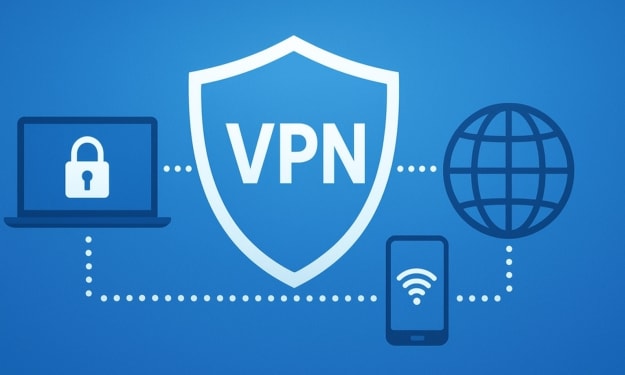
One of the most effective ways to verify ads in different countries is by simulating local browsing conditions. This is where VPNs come into play. By routing traffic through servers in specific countries, advertisers can see exactly how their ads appear to local audiences.
The Role of VPNs in Ad Verification
VPNs (Virtual Private Networks) allow advertisers to bypass geographic restrictions and view ads as if they were located in another country. This is crucial for:
Checking Geo-Targeted Ads: Ensuring ads appear only in designated regions.
Monitoring Competitor Campaigns: Understanding how rivals position themselves in different markets.
Compliance Audits: Confirming that ads meet local standards.
Fraud Detection: Identifying suspicious placements or traffic sources.
For advertisers, using a VPN is not about anonymity—it’s about accuracy and transparency.
Best Practices for International Ad Verification
1. Use Reliable VPN Services
Not all VPNs are created equal. Advertisers should choose providers with a wide range of global servers, strong encryption, and consistent performance.
👉 For example, platforms like secure VPN solutions enable advertisers to test campaigns across multiple countries seamlessly.
2. Combine Technology with Human Oversight
Automated tools are powerful, but human review ensures cultural sensitivity and compliance.
3. Document Everything
Keep records of ad placements, screenshots, and verification reports. This helps in audits and protects against disputes.
4. Stay Updated on Local Laws
Advertising regulations evolve quickly. Regularly review guidelines in each target market to avoid violations.
5. Monitor Competitor Activity
Ad verification isn’t just about your campaigns. Observing competitors can reveal market trends and opportunities.
Case Study: A Global Retail Brand
Consider a retail brand launching a campaign across Asia and Europe. Without proper verification, ads intended for adults might appear on children’s websites, or geo-targeted promotions could leak into unintended regions.
By integrating VPN-based verification, the brand ensures:
Ads display correctly in each country.
Promotions align with local holidays and cultural events.
Fraudulent impressions are minimized.
The result? Higher ROI, stronger brand reputation, and compliance with international standards.
The Future of Ad Verification
As digital advertising grows, so does the need for robust verification. Emerging trends include:
AI-Powered Verification: Machine learning tools that detect fraud patterns in real time.
Blockchain Transparency: Immutable records of ad placements for accountability.
Cross-Device Verification: Ensuring ads display correctly across smartphones, tablets, and desktops.
Advertisers who embrace these innovations will stay ahead in the competitive global marketplace.
Conclusion
Ad verification is no longer a luxury—it’s a necessity for brands operating internationally. By leveraging tools like VPNs, advertisers can ensure their campaigns are transparent, compliant, and effective across borders.
For businesses aiming to maximize global reach, adopting strong verification practices is the key to building trust and achieving sustainable growth.
About the Creator
Keep reading
More stories from Vijay Prajapati and writers in Geeks and other communities.
Securing Company Data: The Importance of Business VPNs.
In today’s digital-first business environment, data is one of the most valuable assets a company owns. From customer records and internal communications to financial details and proprietary strategies, organizations handle sensitive information every day. As remote work, cloud services, and global collaboration continue to grow, so do the risks associated with data exposure. Cyberattacks, unsecured networks, and unauthorized access are no longer rare threats. They are everyday realities that businesses of all sizes must address.
By Vijay Prajapati3 months ago in Geeks
A Knight of the Seven Kingdoms Series Review (Season 1)
As one of the biggest properties in fantasy, A Song of Ice and Fire remains immensely popular with audiences. After reaching far into the past with House of the Dragon, a second spin-off was on the cards. A Knight of the Seven Kingdoms serves up a bite-sized slice of action and drama, but it still claims a spot among the best small-screen titles.
By Robert Cain7 days ago in Geeks
Spongebob Review
The episode “Suds” opens with a sun‑drenched morning in Bikini Bottom, the camera gliding lazily over the coral‑lined streets before settling on SpongeBob’s pineapple house, where the familiar, squeaky door hinges announce his cheerful entrance. The scene is rendered in vivid, pastel‑hued animation that captures the playful absurdity of the series, while a jaunty ukulele riff underscores the buoyant atmosphere. As SpongeBob rummages through his kitchen, he absent‑mindedly leaves the refrigerator door ajar, a small but pivotal lapse that sets the entire plot in motion. Tiny bubbles begin to drift from the open fridge, slowly coalescing into a frothy, luminous cloud that the show cleverly dubs “the Suds,” a mischievous entity that flickers like a living soap‑bubble, hinting at the whimsical chaos soon to erupt.
By Forest Green7 days ago in Geeks



Comments
There are no comments for this story
Be the first to respond and start the conversation.