
A Filmmaker's Guide to: 5 Films by Stanley Kubrick
A List

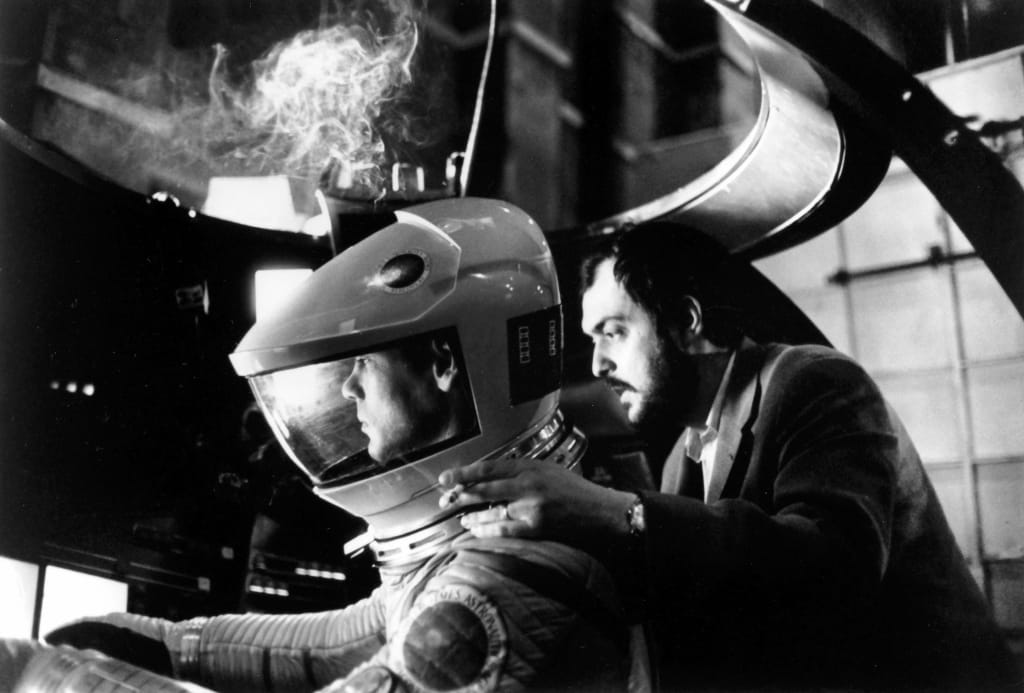
Known as one of the greatest directors in cinematic history, Kubrick is best regarded as the man who pushed the limits of genre, shock, character and cinematography on screen. With his incredible tracking shot at the beginning of "The Shining" (1980), and the wide shots caught in "2001: A Space Odyssey" (1968), it is very difficult to refute that claim.
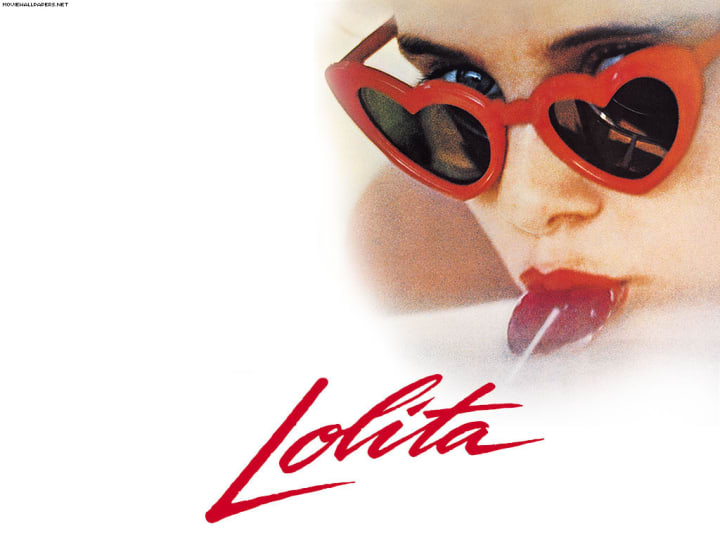
Kubrick did not only have an incredible vision for changes in cinematography from old to new, but he also had an amazing way at conveying his storylines. Whether it was based on a book such as "Lolita" (1962) or "Barry Lyndon" (1975), loosely based on a book like "The Shining" (1980) or "2001: A Space Odyssey" (1968) or even just down write trying to show us the book's strange language on screen adapting most pages verbatim like "A Clockwork Orange" (1972) - Kubrick knew exactly what he was doing when it came to storytelling.
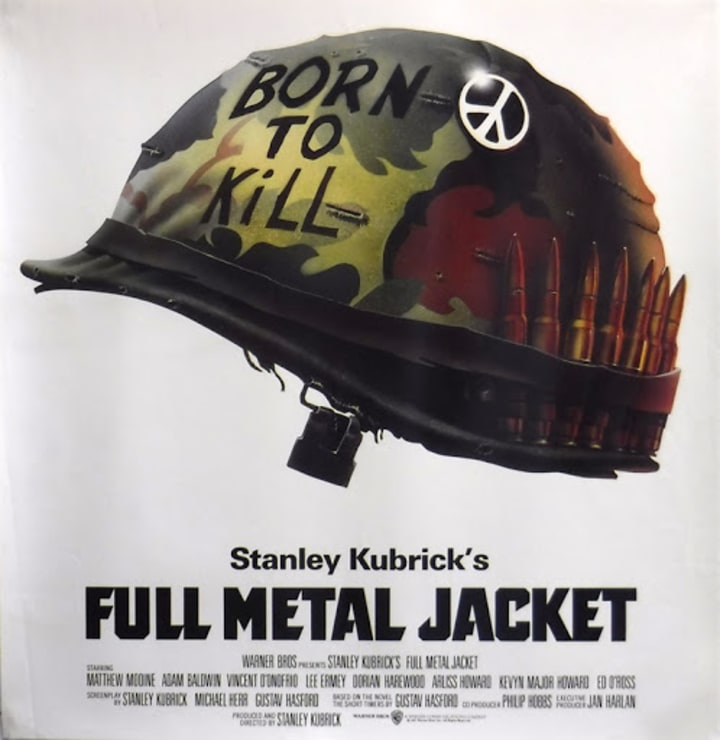
From the 1960s to the 1990s, Kubrick is known as a great director - making his name in the most controversial styles and stories known to film. He was tackling subjects that everyone knew about but nobody was talking about. He was pretty much the pinnacle of this giant critique of Hollywood which comes through in the deviance of the storylines we see in modern cinema. With some of the themes of his films including sexual deviance, psychopathy, sociopathy, cabin fever, existentialism and violent, meaningless death. The best thing about Kubrick was that he knew how to tackle these themes without making it look messy and cheesy. All of these pieces of storytelling would be gathered up by Quentin Tarantino and put to Jazz Music during the 1990s with some pretty surprising changes to the cinematography styles.
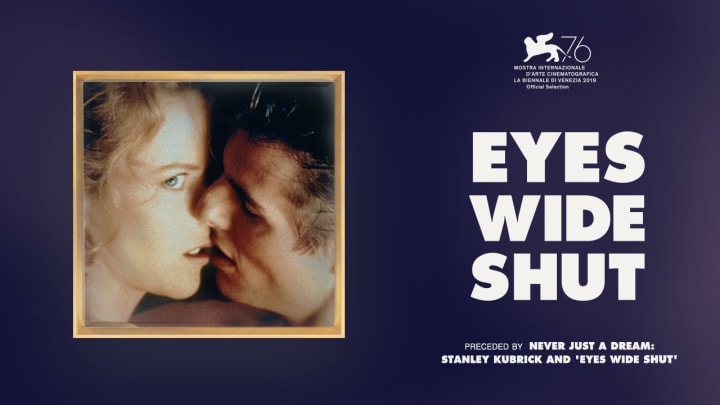
Kubrick's career ended with the violent and savage "Eyes Wide Shut" (1999) which makes surprising nods to "A Clockwork Orange" (1971) through its approach to sexual deviance and its cinematography style. Starring Tom Cruise and Nicole Kidman, this film is possibly best remembered as Kubrick's final bow and, is by no means lesser than anything else he has ever produced.
Here are five films by Stanley Kubrick that you could study on your next approach to him.
They are in no particular order but I have the liberty of putting my favourite at number one.
5 Films by Stanley Kubrick
5. Barry Lyndon (1975)
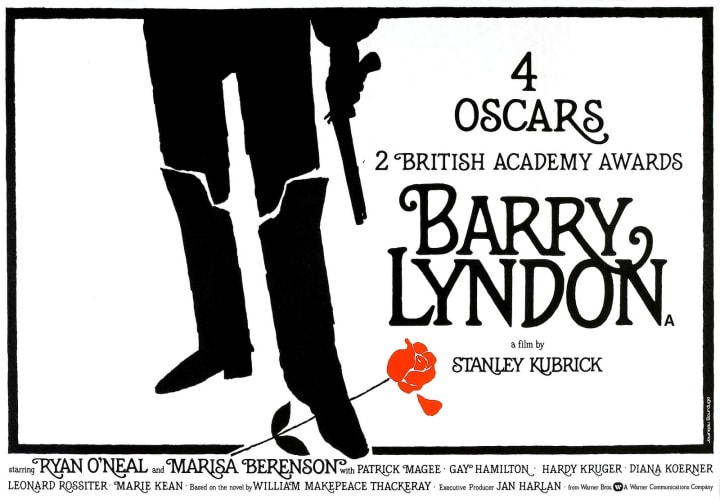
I always say that if you want to study "Barry Lyndon" (1975) then you have to read the book first. But the other thing you can do afterwards is look at the way things and people are placed opposite each other. There is a lot of opposition in this film, especially during the shooting scenes, but the opposition can show us many things about character and story - I think you will be pleasantly surprised in the meanings you find.
4. A Clockwork Orange (1971)
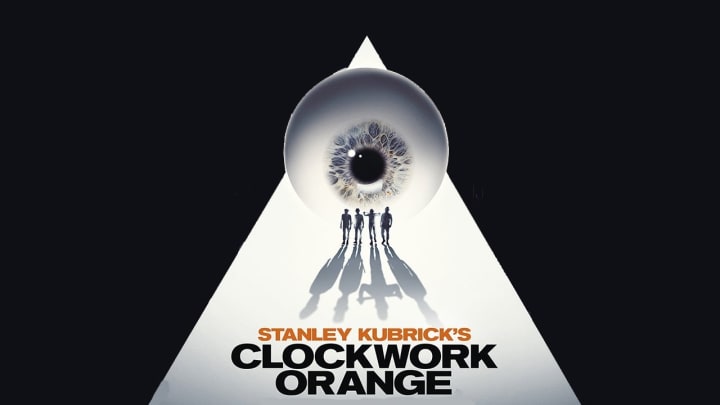
Known as one of Kubrick's most cautious approaches to cinema, he knew that much of this film was going to upset the majority of people and I'm not going to lie when I say that the first time I saw this film I threw up. Anyways, the cinematography, the soundtrack, the characterisation and the scripting of this film fits together perfectly and makes the entire experience somewhat surreal. It comes off as a direct critique of the times that Kubrick himself would have grown up in and is more than just a viewing experience. It's a satire of the human condition to do right or do wrong in their own interest.
3. The Shining (1980)
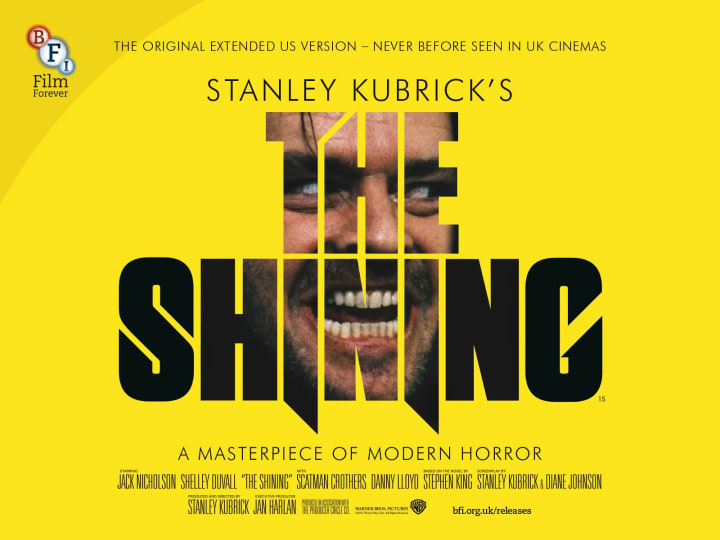
One of Kubrick's most popular and most beloved films, this movie is all in all one of the greatest horror/thriller films of all time. Kubrick shows off his cinematography by giving us long tracking shots inside and outside the doomed hotel, extreme close-ups, static shots in the middle of scenes, slow-motion shots where the blood usually gets off on the second floor and much more.
2. 2001: A Space Odyssey (1968)
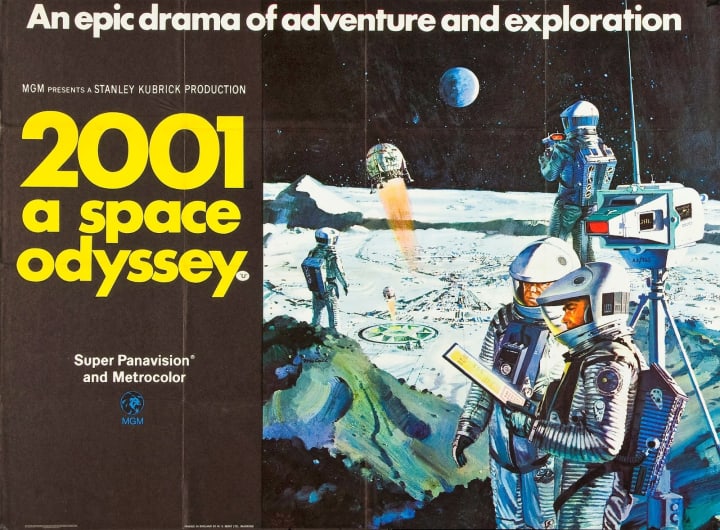
Known for its incredible wide shots of space, this film is quite possibly one of Kubrick's best attempts at showing off his cinematography. He uses a range of techniques such as: tracking shots, extreme close ups and many more to isolate certain sections of our view upon the film. This movie is regarded as one of his masterpieces not only because of this, but also because of its approach to AI. Never before had anyone seen this kind of thing on screen and they wouldn't again for a very long time.
1. Dr. Strangelove (1964)
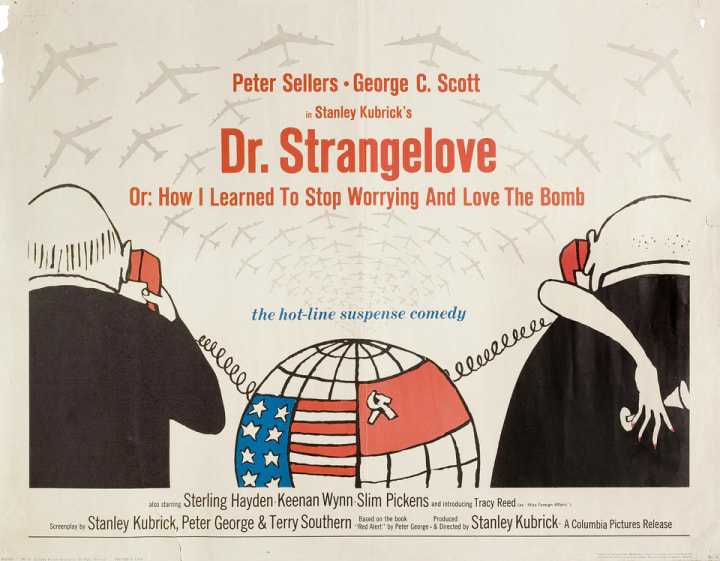
Quite possibly one of my favourite films of all time, this film not only shows Kubrick at his psychological best, but also shows how great he is at telling a story of satire and war. Through this we would also come to "Full Metal Jacket" (1987) and again, this would be picked up by another director, Oliver Stone, who would go on to make his more serious "Platoon" (1987). "Dr. Strangelove" (1964) is possibly best known for its scenes within the 'war room' as being some of the best scripted dialogue in the history of war film.
About the Creator
Annie Kapur
I am:
🙋🏽♀️ Annie
📚 Avid Reader
📝 Reviewer and Commentator
🎓 Post-Grad Millennial (M.A)
***
I have:
📖 280K+ reads on Vocal
🫶🏼 Love for reading & research
🦋/X @AnnieWithBooks
***
🏡 UK
Keep reading
More stories from Annie Kapur and writers in Geeks and other communities.
A Filmmaker's Guide to: 5 Films by Quentin Tarantino
Quentin Tarantino is one of this generation's most recognisable directors with his style of jazz music and brutal violence, stereotypes of racial, gender and occupational qualities have often been admired and criticised by many people who work in and out of the film industry - especially those upset with his over-usage of the derogatory term for African American people. Throughout his film career, he has been adamant with his attempt to convey stories that are normally subversive from the main key genres, historically and both contemporary.
By Annie Kapur5 years ago in Geeks
Marvel Zombie
The last entry into our 2025 superhero projects catalogue is Marvel Zombies. This was a show that was anticipated by absolutely no one and it disappeared from the public consciousness as quickly as it was released. There was nothing special about the project that made it a must see, or a must remember. In fact if anything it's a must forget.
By Alexandrea Callaghan20 days ago in Geeks
Premier League in Australia: How to Watch
The 2025–26 Premier League season is underway, marking the 34th edition of the competition and the 127th year of top-flight English football. Liverpool start their title defense with confidence after lifting their second Premier League trophy last season, but the return of Leeds United, Burnley, and Sunderland ensures fresh rivalries – including the long-awaited Tyne–Wear derby, back for the first time since 2015–16.
By David Cook5 days ago in Geeks
Getting Serious About Comedy (Part I)
If I were asked to remark on my life and the childhood that paved some road leading me to this point, I would have to say something about all the funny people who surrounded me for the last 26,872 days (and counting). Somewhere along that road, I became a big fan of laughter and the comedy that spawns it – and, I mean not only my own laughter, but the laughter of others, some of which I have actually been responsible for inducing.
By John Oliver Smith7 days ago in Humor


Comments
There are no comments for this story
Be the first to respond and start the conversation.