
5 Facts about 'Fantastic Four' (2005)
I thought that it would be interesting to look back on the second attempt at making "The Fantastic Four" into a superhero movie.
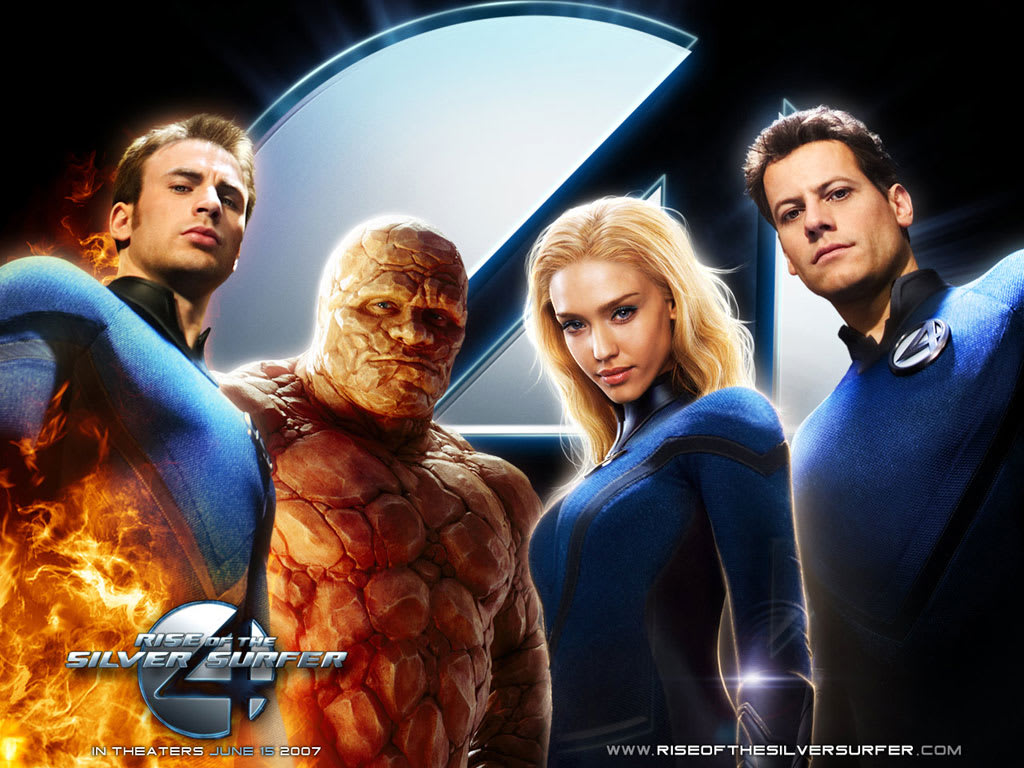
With the new movie coming out in August, and it being 10 years since the 2005 version came out, I thought that it would be interesting to look back on the second attempt at making "The Fantastic Four" into a superhero movie.
1. Chris Evans improvised most of his dialogue
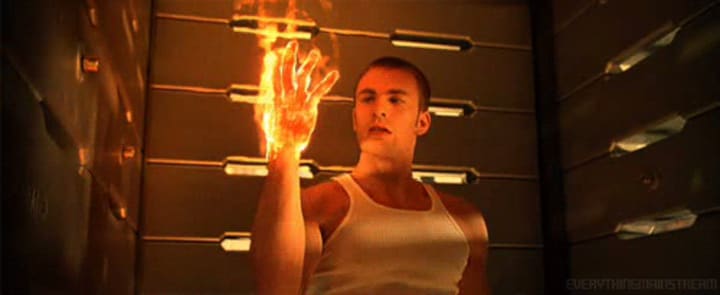
So those funny lines that are some of the best parts of the movie were actually made up by him... nice to know he has a sense of humor.
2. Michael Chiklis was actually a huge fan of the comic books
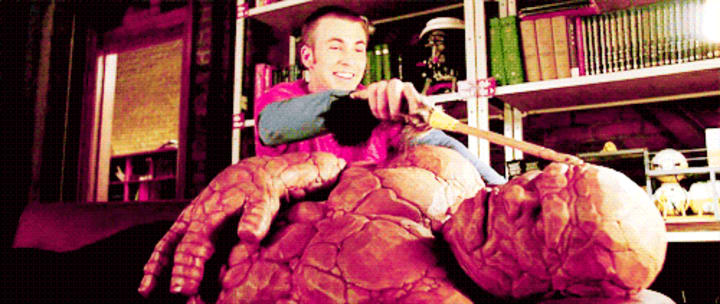
He also fought incredibly hard for the prosthetics to be used to transform him into The Thing instead of being made into CGI
3. This was the third superhero movie released in 2005, the first being 'Elektra' and the other being 'Batman Begins'
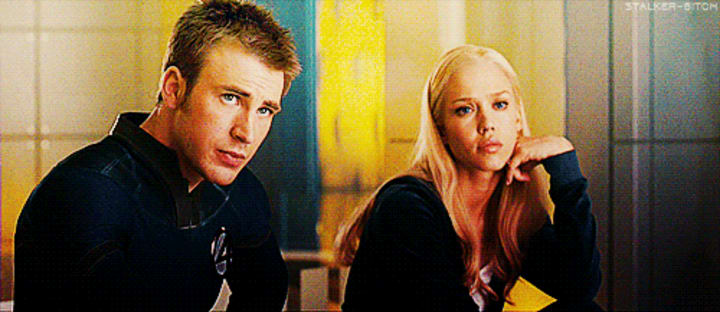
So it was definitely up against some tough competition being released around the same time as the others
4. Ioan had a hard time keeping up his American accent as he was constantly being sent revisions to the script
He is actually British
5. Stan Lee has said that Michael Chiklis' The Thing is his favorite performance in any Marvel movie ever
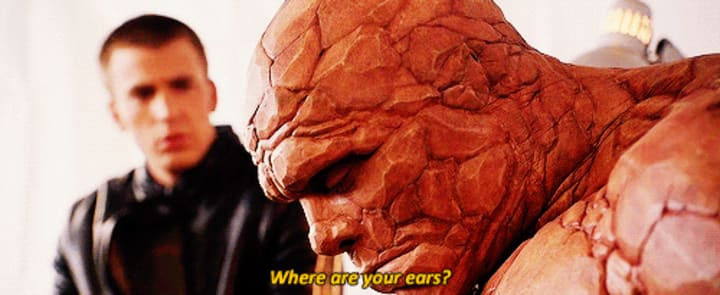
Completely understandable, he really put himself into the role
About the Creator
Tisha Eaton
I am a Disney Fanatic who loves to give information on stars, movies and shows that you guys like too! A professional fan girl who has been featured on Huffington Post and loves to share her love of anything and everything
Keep reading
More stories from Tisha Eaton and writers in Geeks and other communities.
How Old are Disney Princesses REALLY?
There is a new trend going around the web where you can find out if a website can guess your real age, as well as your gender. Sometimes they come up with some outrageous conclusions, and none more so than with the Disney Princesses
By Tisha Eaton8 years ago in Geeks
The Politics of Playing Dress-Up
Well, to start off I'd like to say a happy world book day to all who celebrate. I know I haven't really posted anything on my socials about it but I'm not a jubilant kind of person. I lay low most of the time. Let's start off with a popular anecdote from the vaults...
By Annie Kapur4 days ago in Geeks
Writing To Succeed
If you want to find something that will help readers find your writing, possibly expand your audience, and maybe even get you noticed for other things, then you’re not alone. But how can you get it done in a world full of want-to-be writers? Look less at what you’re writing now, and more at what other writers have used to boost their views and reads.
By Jason Ray Morton 2 days ago in Writers



Comments
There are no comments for this story
Be the first to respond and start the conversation.