
10 Influential TV Shows from the 1980s and 1990s
A list of ten groundbreaking shows that changed the television landscape.

Between 2000-2010, television entered a Golden Age. By the late nineties, cable television replaced first-run movie premieres, syndicated TV shows, and infomercials with original programming. Without broadcast standards to censor their productions, cable TV pushed the envelope by telling stories that were smart, mature, and challenging. Yet this era didn't exist in a vacuum. Both broadcast and cable television had been producing quality programming for years. In fact, between the 1980s and 1990s, it produced programs that were not only critically acclaimed but influential. This list highlights the Top 10 Most Influential TV shows from that era.
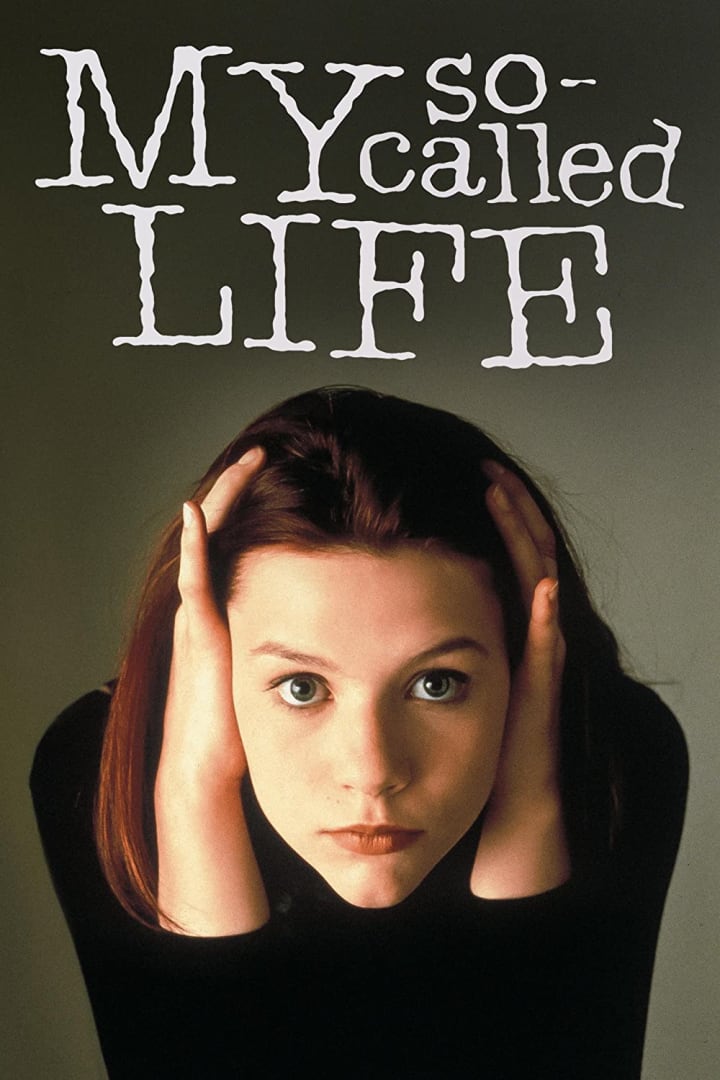
10. My So-Called Life (1994)
My So-Called Life came and went on ABC in 1994, but it did make stars out of Claire Danes (Homeland) and Jared Leto (Dallas Buyers Club). But aside from being the launching pad for acting careers, My So-Called Life was one of the first TV shows that featured a realistic portrayal of teenage girls, offering a different take on the subject than its more popular predecessor Beverly Hills 90210. The teens who watched and loved the show related more to Danes' Angela Chase, who looked like them and had the same questions and confusion about growing up. Despite its failure to attract a large audience, it did open the door for other TV series with similar realistic portrayals, such as Buffy the Vampire Slayer, Veronica Mars, and Girls.
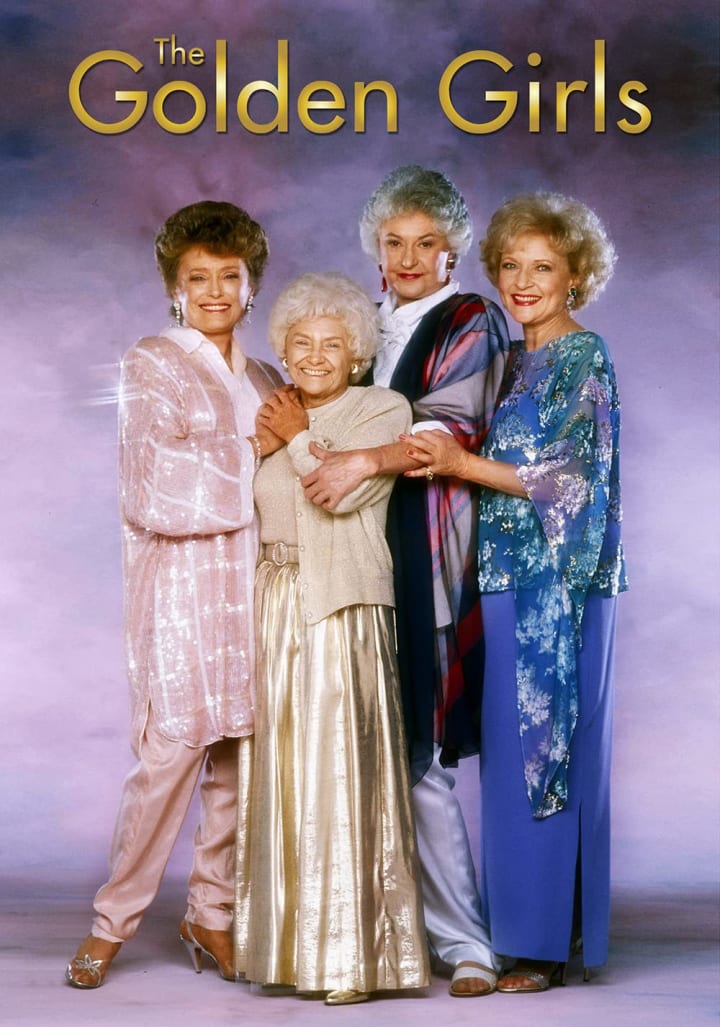
9. The Golden Girls (1985-1992)
This groundbreaking 1980s sitcom was the first to feature older women. Starring Bea Arthur, Betty White, Rue McClanahan, and Estelle Getty, The Golden Girls followed the (s)exploits of four women living in a Miami, Florida retirement community. The show's influence could be felt in every TV show about four women created after its 1985 premiere, from Designing Women, Living Single, and Sex in the City to Girlfriends and Girls, proving that female friendships were compelling subjects for comedy and drama.
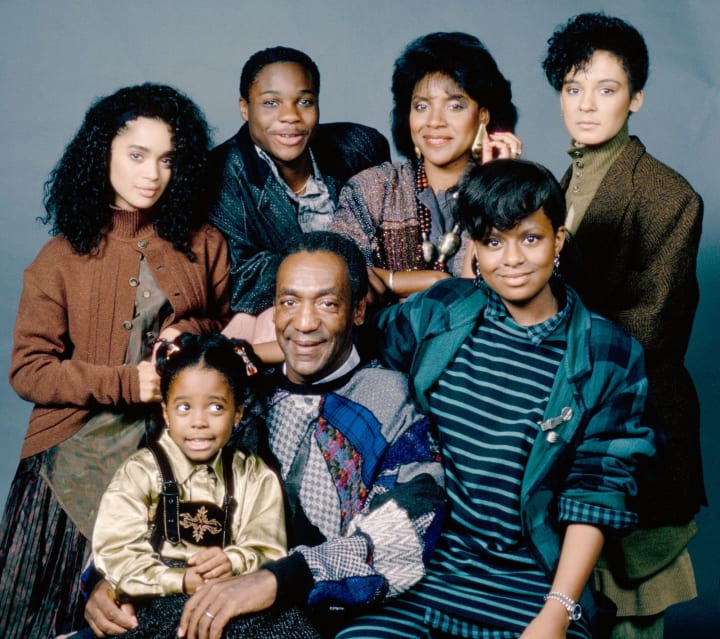
8. The Cosby Show (1984-1992)
Starring disgraced comedian Bill Cosby, The Cosby Show was one of the most successful sitcoms of the 1980s. It revived the sitcom, which was in its death throes in the early '80s, and ushered in an era of black shows like its spinoff A Different World, Martin, Fresh Prince of Bel Air, and In Living Color, as well as modern sitcoms like Abbott Academy. The show proved that stories with black characters could still have wide appeal. The Cosby Show also kicked the door open for black actors to gain more prominence on the small screen.
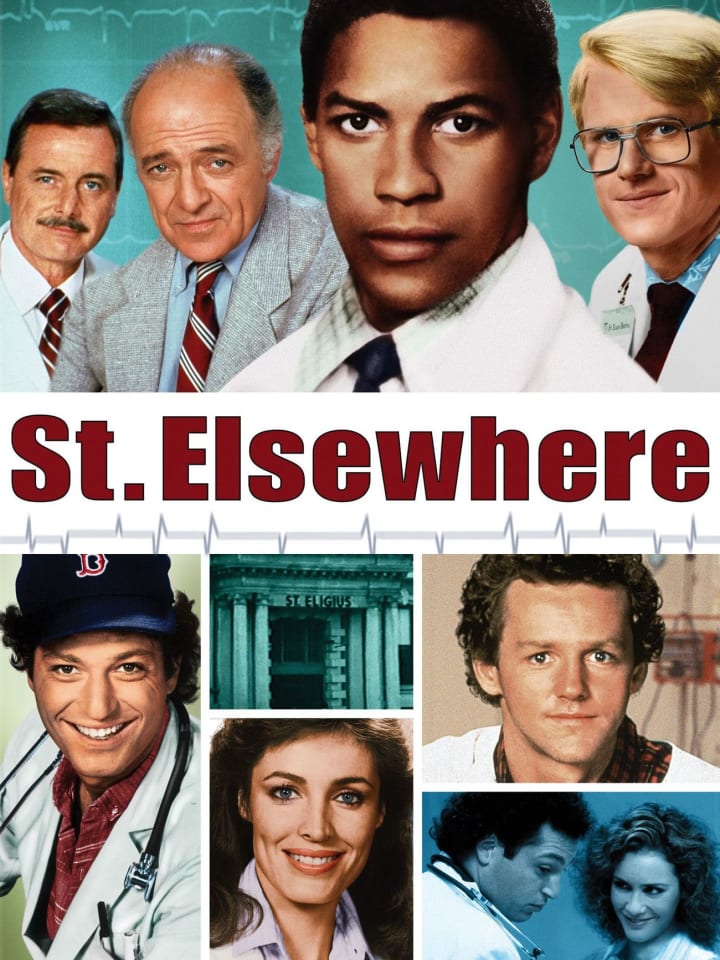
7. St. Elsewhere (1982-1988)
St. Elsewhere wasn't the first medical drama to appear on TV, but it was the first to feature a strong ensemble cast, which included future movie star Denzel Washington and a more realistic depiction of the medical practice. On St. Elsewhere, doctors were flawed, patients died, and budget woes threatened to shutter the hospital's doors. Yet throughout the drama, St. Elsewhere could also be funny and absurd––its series finale implied that the entire show was the product of an autistic child's imagination. St. Elsewhere inspired other TV shows like LA Law and ER, and it launched the career of writer/producer Tom Fontana, who later helmed and created other influential TV programs, Homicide: Life on the Street and the HBO prison drama Oz, which would also later influence shows like Netflix's Orange is the New Black.
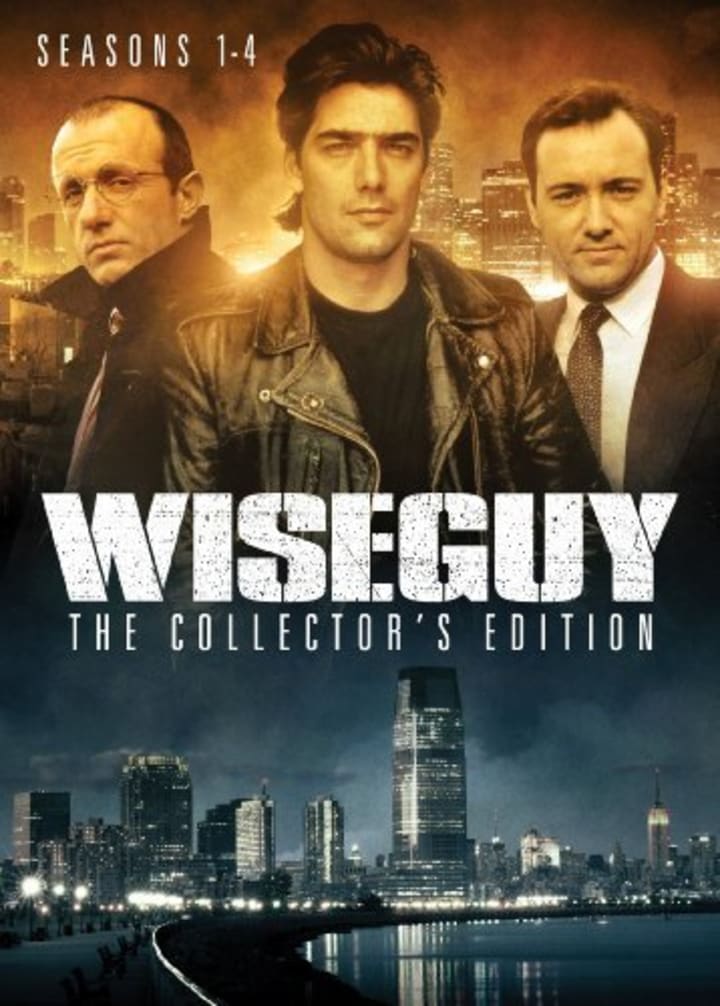
6. Wiseguy (1987-1990)
This CBS drama isn't discussed as much, but its influence is pretty big. How? Wiseguy was one of the first non-soap, serialized dramas to air on broadcast TV. Starring Ken Wahl as undercover cop Vinnie Terranova, Wiseguy was a gritty police procedural that serialized its stories into segmented arcs, not unlike the 10-episode seasons of most cable dramas. This gave writers room to flesh out characters and storylines, making them richer and more complex. Wiseguy paved the way for cable dramas like Oz and The Wire for their sympathetic portrayals of those trapped in the criminal underworld.
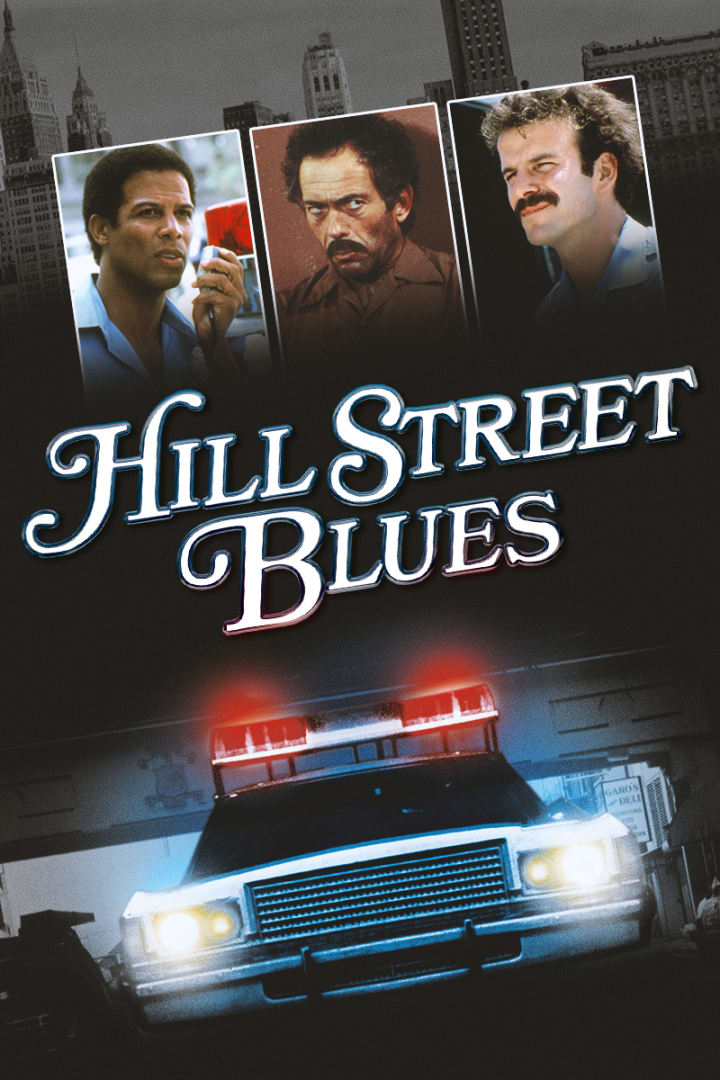
5. Hill Street Blues (1981-1987)
Like St. Elsewhere, Hill Street Blues was grittier than cop procedurals of the past. Unlike Dragnet's Joe Friday, the cops on Hill Street Blues weren't straight-laced heroes. They suffered from the trappings of the job, whether it was dealing with violence or struggling to fit in as a female cop in an all-male environment. Morals didn't come packaged at the end of each episode and cops died in the line of duty. The series was also an unlikely ratings hit. Its style influenced cop dramas like NYPD Blue, which was also produced by Stephen Bochco and written by David Milch, another Hill Street Blues alumni who'd produced the HBO acclaimed drama Deadwood.
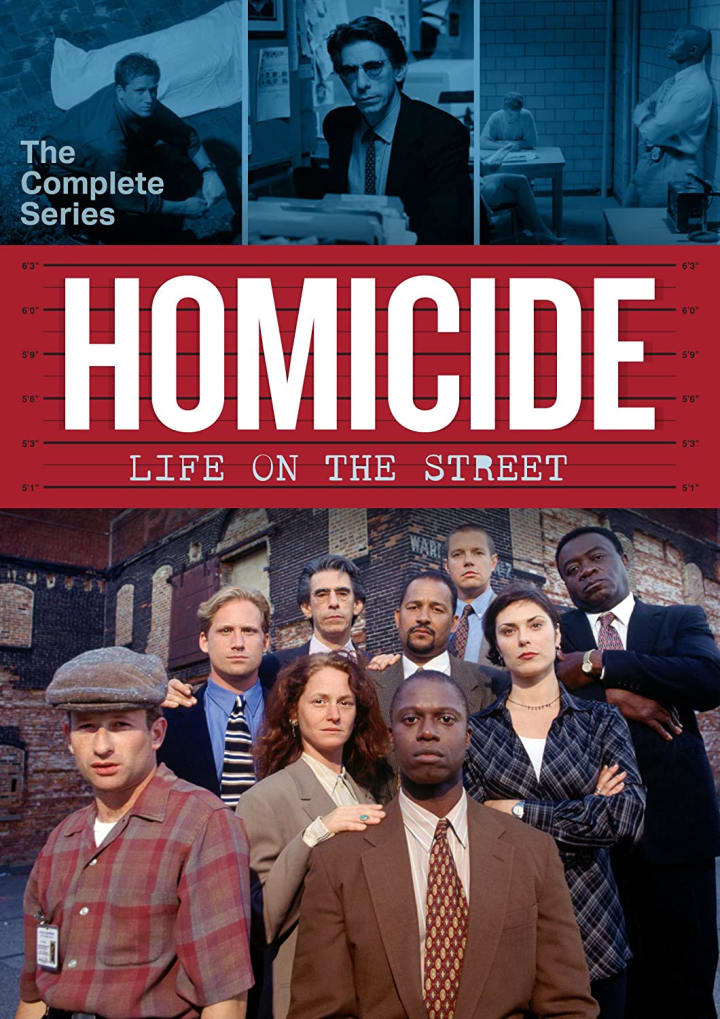
4. Homicide: Life on the Street (1993-1999)
Based on David Simon's nonfiction book Homicide: A Year on the Killing Streets, this cop drama, which premiered 30 years ago, was shot in Baltimore, giving it an authentic edge, and had a distinctive visual style that was influenced by Oscar-winning filmmaker and executive producer Barry Levinson. The gritty and realistic series did not sugarcoat homicide investigations. Death and murder were ugly and, just like in the real world, cases weren't always closed. Homicide's visual style, gallows humor, and dialogue could be found in later cop procedurals like Southland and True Detective. It also gave executive producers Tom Fontana and Simon, who later joined the writing and production staff, the opportunity to expand their visions in the freewheeling world of cable TV.
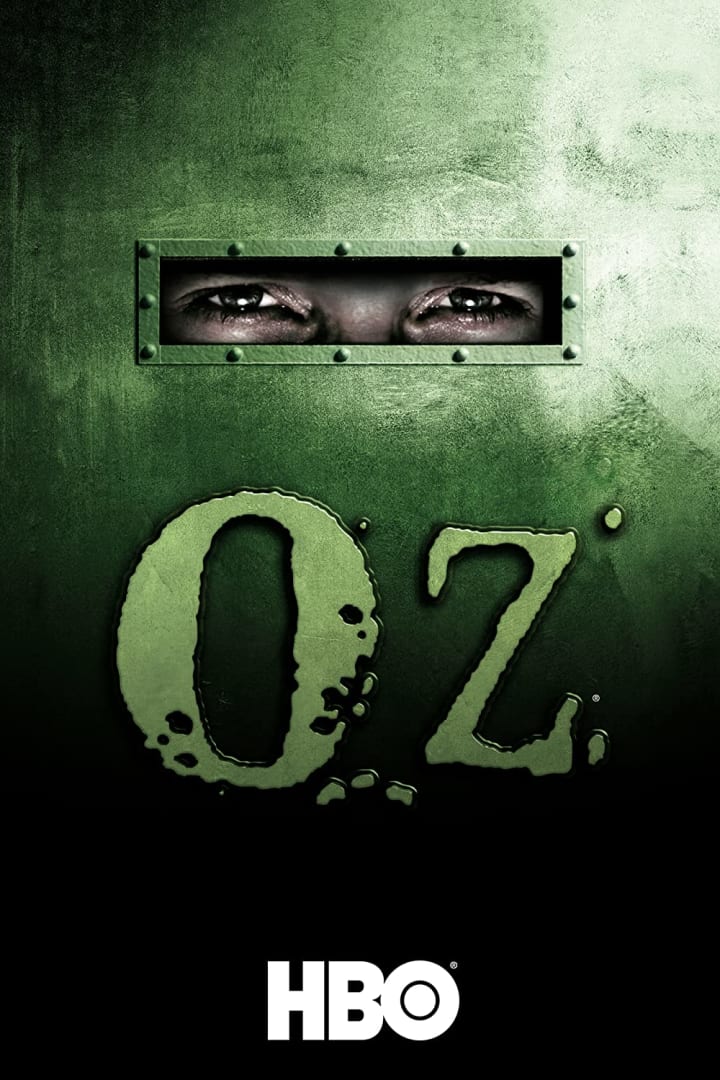
3. Oz (1997-2003)
While Tom Fontana was still executive producing the NBC series Homicide: Life on the Street, he got a chance to produce this even grittier television drama on HBO. Taking place at the fictional Oswald State Correctional Facility, Oz told the stories of the men who were locked up. It was a nightmarish portrait of a modern American prison system where violence, rape, gang and racial animosity, and drug use were the norm. Rough language and male nudity were also heavily featured, making it a first in dramatic television. The series was a prototype for HBO as it rebranded its product to original programming and showed that, without censorship, it could create darker, more compelling dramas and comedies.
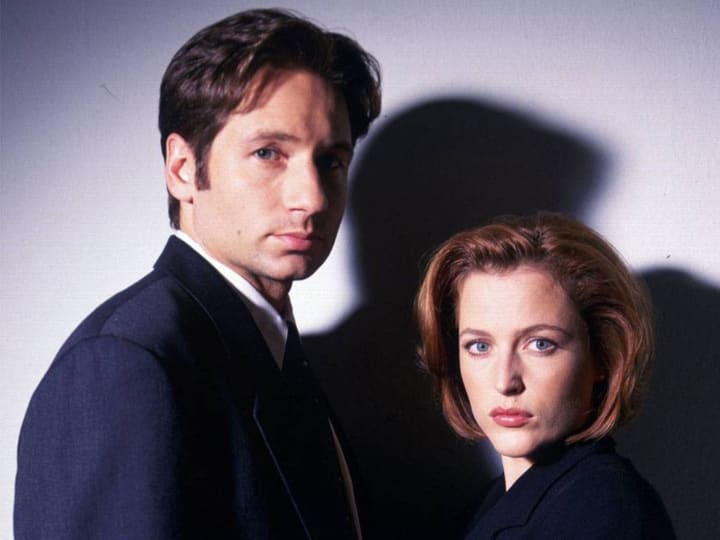
2. The X-Files (1993-2002)
The X-Files has the distinction of being both a cult favorite and one of the most popular sci-fi series on network television. It spawned a legion of devoted fans and was the first show that benefited from the Internet, as the same fans ran to their favorite Usenet sites to discuss the latest episodes. Unlike other procedurals on air, FBI agents Fox Mulder and Dana Scully investigated UFO abductions, government conspiracies, and monsters of the week, paving the way for shows like Lost, Fringe, Supernatural, and Orphan Black to gain equally obsessive followings.
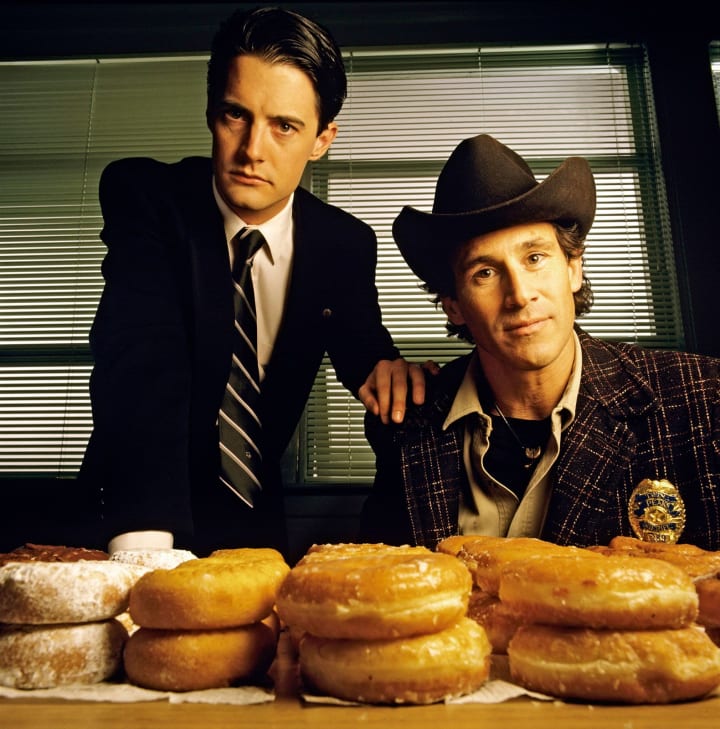
1. Twin Peaks (1990-1991)
The brainchild of film director David Lynch and TV producer Mark Frost, Twin Peaks only lasted one and a half seasons, but its influence was huge. Before Twin Peaks, TV used flat lighting and had a visual style that was simple and low-budget. The stories were fairly straightforward and were wrapped up in each episode. After Twin Peaks, however, television dramas became more visually stunning, told stories in arcs or serials, and weren't afraid to be just a little weird. After its 1990 premiere, fans followed the show's quirky characters, its brooding, metaphysical atmosphere, offbeat humor, and the murder mystery of troubled prom queen Laura Palmer. Its influence has spread far and wide, with shows like The X-Files, True Detective, Grimm, and others picking up its baton. Yet no show since has managed to capture its strange, sinister, and hauntingly beautiful vision of small-town Americana.
About the Creator
Cynthia C. Scott
Cynthia C. Scott is an award-winning author who lives in the SF Bay Area. She is currently working on an SF series, The Book of Dreams, which can be found on Amazon. Her work can also be found at https://cynthiacscott.substack.com/publish.
Keep reading
More stories from Cynthia C. Scott and writers in Geeks and other communities.
9 Kate Bush Songs to Add to Your Spotify Playlist
Singer/songwriter Kate Bush has influenced everyone from Tori Amos to Maxwell. She's also collaborated with such artists as David Gilmour of Pink Floyd (who also discovered her), Peter Gabriel, and Prince. And though she hasn't recorded new material since 2011, she gained a generation of new fans after her song, "Running Up That Hill," was used in the popular Netflix drama Stranger Things. Bush began her musical career in the late '70s, so her discography can seem daunting to new fans. However, with this list of nine of her greatest recordings, fans can not build a playlist of her work but gain a greater appreciation for her artistry as a singer and song stylist.
By Cynthia C. Scott3 years ago in Beat
The Politics of Playing Dress-Up
Well, to start off I'd like to say a happy world book day to all who celebrate. I know I haven't really posted anything on my socials about it but I'm not a jubilant kind of person. I lay low most of the time. Let's start off with a popular anecdote from the vaults...
By Annie Kapur3 days ago in Geeks
Book Review: "The Night Guests" by Marina Scott
When our narrator's father dies, her mother retreats into solitude and writes constant letters to him. She is mourning and sad until the family members attend a seance together where the showman in front of them looks on with a confusion as he states that the father of the house has returned and confirms he has been receiving the letters. Our cynical narrator doesn't know how this man in front of them could've known her father's nickname without even asking any questions. The question is will the events of the following story turn a cynical woman into a believer in something more, something beyond? As her mother begins to take up her hobbies again, our narrator finds it strange and odd that there is a different air to her life now. A completely different air.
By Annie Kapur7 days ago in Geeks



Comments
There are no comments for this story
Be the first to respond and start the conversation.