


I remember the first time I had to lead a team. I was twenty-eight, fresh out of a small management program, and utterly convinced that leadership was about giving orders and looking confident.
It wasn’t. Within a week, I realized that my “confident” face was covering a growing panic. Deadlines were slipping, my team was frustrated, and I felt like I was failing everyone—myself included. I spent nights wondering: Am I cut out for this?
That’s when I started paying attention. Not to leadership books or online lists, but to people around me—mentors, colleagues, even friends who somehow seemed to get it. I began noticing patterns. Certain traits weren’t flashy or taught in schools. They were quiet, human things that made people follow you willingly, not out of fear.
The first trait I learned? Empathy. Not the “nod and smile” kind, but the real kind where you stop and try to feel what someone else is feeling. I had an employee, Claire, who was constantly late. My first instinct was frustration, but then I asked her about it. Turns out, she was juggling school and two jobs. That conversation didn’t just fix the lateness—it built trust. Have you ever realized that listening can be more powerful than any directive?

Next came resilience. Leading isn’t a straight path. Mistakes happen, plans fail, people leave. I remember a project where everything went wrong: budget cuts, miscommunication, a client pulling out. I felt defeated. But the choice wasn’t to quit; it was to face the mess and keep moving. Resilience isn’t about never failing—it’s about learning to stand up every time you do.
Then I noticed integrity. Doing the right thing, even when no one is watching. It’s easy to make decisions that look good in the short term but hurt people later. I learned this the hard way when I tried cutting corners early in my career. The fallout was ugly, but owning up to it taught me a lesson no seminar ever could: trust is fragile, and nothing replaces it.
Another trait that stands out is adaptability. Change is constant. I watched my manager navigate a complete team restructure, staying calm while explaining new roles and expectations. At first, I envied her composure, then I realized she was flexible, not fearless. Adaptability isn’t pretending everything is fine—it’s figuring out how to make the new normal work.
Vision came next. Leadership is meaningless without a direction. I had a project where the team kept spinning its wheels. We were busy, but lost. I paused, shared a clear goal, and suddenly every small task connected to something bigger. People began to move forward with purpose. Do you remember a time when clarity in direction changed everything for you?
I also learned decisiveness. Indecision is contagious. I had a team debate drag on for days, and nothing moved. When I finally made a choice, it wasn’t perfect, but it was progress. Leadership is sometimes about making the best call you can with the information you have, then adjusting as you go.
Accountability is harder than it sounds. Owning your mistakes, but also holding your team accountable in a fair way. I used to dodge blame, rationalize failures, or shift responsibility. Watching my mentor accept a project failure publicly while crediting the team taught me that accountability builds respect, not fear.
Communication might seem obvious, but it’s more than speaking clearly. It’s being transparent about goals, expectations, and even your fears. I started sharing when I was overwhelmed or uncertain, and the team’s respect grew, not diminished. Vulnerability, I learned, strengthens rather than weakens leadership.
Then there’s emotional intelligence. Knowing when to push, when to listen, when to encourage, and when to step back. I misread moods early on, thinking urgency meant pressure. I learned to read the room, sense tension, and adjust. Leadership isn’t a blunt instrument—it’s more like tuning a fragile instrument so it plays beautifully.

Finally, I discovered humility. A leader who doesn’t think they know it all creates space for others to shine. I remember asking my team for ideas instead of dictating, and the solutions they brought to the table were smarter than anything I could have imagined. Humility isn’t weakness; it’s strength disguised as openness.
Reflecting on all this, I realize leadership is messy and personal. It’s about showing up, failing, learning, and showing up again. It’s emotional work as much as it is strategic. The traits I’ve learned are not rules—they’re reminders that people respond to humans, not titles.
I wonder sometimes if leadership is really less about control and more about connection. How often do we pause to consider what others need before what we want? Could the moments when we feel most inadequate be the moments that teach us the most?
I’m still learning every day. Some days I fail. Some days I rise. But I’ve noticed one thing for certain: leadership isn’t just about managing a team, it’s about managing yourself—your empathy, your resilience, your honesty. And when you do that, guiding others becomes less intimidating and more meaningful.
So if you’re leading—or preparing to lead—remember this: the most powerful traits aren’t on a checklist. They live in your willingness to be human, to stumble, and to grow alongside the people you guide. It’s messy. It’s real. And it’s worth it.
About the Creator
John Smith
Man is mortal.
Keep reading
More stories from John Smith and writers in Geeks and other communities.
Why I left CIA
I still remember the night I knew I couldn’t stay. I was sitting alone in a cheap motel room somewhere in the Middle East, the hum of the air conditioner mixing with the distant shouts of a city that didn’t sleep. My hands were shaking—not from fear, but from exhaustion and something heavier, something I couldn’t name. Years of carrying secrets, running operations, and watching people’s lives hang by a thread had finally left me hollowed out inside.
By John Smith2 months ago in Geeks
A Knight of the Seven Kingdoms Series Review (Season 1)
As one of the biggest properties in fantasy, A Song of Ice and Fire remains immensely popular with audiences. After reaching far into the past with House of the Dragon, a second spin-off was on the cards. A Knight of the Seven Kingdoms serves up a bite-sized slice of action and drama, but it still claims a spot among the best small-screen titles.
By Robert Cain15 days ago in Geeks
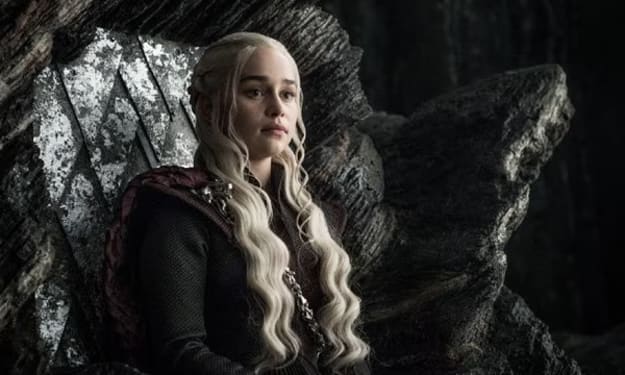
How 'A Knight of the Seven Kingdoms' Proves Daenerys' Plan To Retake Westeros Was Never Going To Go As Well As She Thought
Nearly seven years after it aired, the eighth and final season of the phenomenon that was Game of Thrones is still remembered for one of the most divisive TV series endings of all time. Much of the controversy stems from fans believing the ending was too rushed, particularly the scenes in which Queen Daenerys Targaryen, seemingly depicted as a hero for most of the series, succumbs to Targaryen madness and burns many of the innocent commoners of King's Landing in her bid to seize the Iron Throne.
By Kristy Andersona day ago in Geeks



Comments
There are no comments for this story
Be the first to respond and start the conversation.