
World War Z VR Preview vs Review: What Changed From First Impressions to Full Release
From Early Hands-On Previews to the Final VR Release, See How World War Z VR Evolved in Gameplay, Performance, and Player Experience

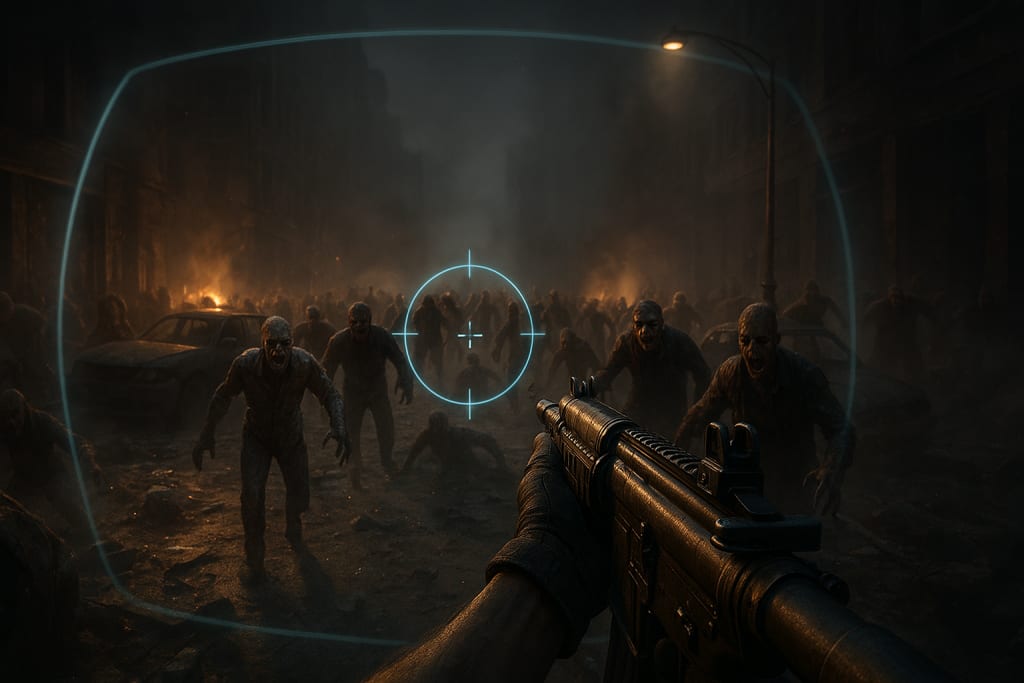
When Saber Interactive first unveiled World War Z VR, expectations were sky-high. The base game had already proven itself as a chaotic, horde-driven zombie shooter, but stepping into that same world through a headset promised a different level of immersion.
Early previews hinted at breathtaking scale, technical ambition, and the raw terror of being trapped inside a swarm.
But between those initial hands-on sessions and the final release, a lot shifted—sometimes for the better, sometimes not. Let’s break down how the game evolved from preview to full release, highlighting the biggest differences in gameplay, performance, and overall player experience.
First Impressions: What the Previews Promised
Preview builds of World War Z VR painted a picture of intensity and scale. Players were immediately drawn to the idea of facing hundreds of zombies in 360 degrees while navigating ruined cityscapes and claustrophobic interiors.
Some of the standout features from the early hands-on reports included:
- Massive Zombie Hordes – The tech demo showed off hundreds of enemies on screen, climbing over each other and rushing with terrifying momentum.
- VR Immersion – Being able to look around freely, with zombies leaping from rooftops or emerging from alleyways, elevated the panic factor beyond flat-screen versions.
- Co-op Potential – Previews teased cooperative play, with players relying on voice communication, quick reloading, and shared ammo to survive wave after wave.
- Weapon Variety – Testers noted responsive gunplay, from shotguns that blasted enemies back to assault rifles that shredded through swarms.
In short, the preview version was raw but exhilarating. It gave the impression of a VR title that might finally deliver large-scale action without cutting corners.
The Final Release: Where Things Landed
When the game finally dropped, reality set in. While still an ambitious VR title, not everything made the transition intact.
1. Zombie Horde Scale
- Preview: Hundreds of zombies pouring in at once, giving players little time to breathe.
- Release: Still impressive, but toned down. Technical limitations meant fewer enemies on screen, with swarms arriving in waves instead of endless floods.
2. Performance and Stability
- Preview: Optimized demo settings showcased fluid framerates.
- Release: On lower-end VR headsets, performance dips became noticeable. While high-end PCVR rigs handled the chaos well, standalone devices like the Quest struggled in certain levels.
3. Level Design Adjustments
- Preview: Levels felt expansive, with verticality and multiple routes of escape.
- Release: Some maps were streamlined, narrowing paths to keep the pacing tight. This improved flow but reduced freedom of movement.
4. Co-op vs Solo Balance
- Preview: Co-op appeared to be the main attraction.
- Release: While co-op remains strong, solo players felt the strain. AI companions couldn’t always replicate teamwork, leading to frustrating moments in harder modes.
5. Immersion & Gunplay
- Preview: Gunplay impressed with weight and responsiveness.
- Release: That aspect largely carried over. Reload animations, weapon recoil, and the physicality of aiming in VR all remained highlights.
What Improved in the Full Release
It wasn’t all about scaling back. In some areas, World War Z VR actually outperformed early impressions:
- Polished Atmosphere – Final release included improved lighting, detailed zombie models, and more environmental destruction.
- Better Accessibility – Comfort settings, customizable controls, and multiple locomotion options made the game playable for a broader audience.
- Progression System – Unlike the preview, the full game introduced unlocks, upgrades, and replay incentives.
Where the Final Game Fell Short
Even with refinements, certain expectations weren’t met:
- Reduced Horde Density – The awe of being overwhelmed by a sea of zombies didn’t feel quite as staggering as promised.
- Repetition in Missions – Some campaign missions felt formulaic, losing tension after a few runs.
- Limited Platform Optimization – Not every headset delivered the same level of experience, making performance uneven across devices.
Preview vs Release: The Verdict
So, did World War Z VR live up to its preview hype? The answer is mixed.
If you came in expecting a groundbreaking VR revolution, you may have left disappointed by the compromises.
If you wanted an immersive, chaotic zombie shooter with co-op depth, the release still delivered that experience—albeit with limits.
The preview showcased ambition. The release delivered a more balanced, playable product. It may not have captured every promise, but it found stability where it counted.
The journey from preview to release for World War Z VR reflects the reality of VR development: ambition must often be balanced with hardware limitations. Previews gave players a taste of scale that may have been too ambitious for current devices, but the final product managed to carve out a solid middle ground.
For fans of the franchise, it’s still one of the more thrilling zombie VR experiences available, even if the final horde wasn’t quite as endless as first teased.
About the Creator
Richard Bailey
I am currently working on expanding my writing topics and exploring different areas and topics of writing. I have a personal history with a very severe form of treatment-resistant major depressive disorder.
Keep reading
More stories from Richard Bailey and writers in Gamers and other communities.
Inside Saber Interactive’s VR Tech: How They Render 200 Zombies at Once
Virtual reality has always faced one stubborn limitation: performance. Unlike traditional gaming, VR demands that developers maintain fluid frame rates while rendering two viewpoints—one for each eye.
By Richard Bailey6 months ago in Gamers
Essential Golf Tips Every Beginner Needs to Improve Their Game
Golf is a rewarding sport that combines skill, patience, and strategy. For beginners, the game can feel challenging because it requires mastering several techniques at once. Many new golfers focus too much on hitting the ball far instead of learning the fundamentals that lead to consistent performance. Improvement comes from developing good habits early, practicing with purpose, and understanding how each part of the game works together. With the right approach and consistent effort, beginners can build confidence and steadily improve their performance on the course.
By Daniel Ladner3 days ago in Gamers
7 Methods to Earn MLB The Show 26 Stubs Fast
In MLB The Show 26, stubs are the in-game currency that players use to purchase packs, cards, and other valuable items. Earning stubs can be challenging, but with the right strategies, you can accumulate them efficiently. Here are seven methods to help you earn stubs quickly without feeling overwhelmed.
By Snow maner2 days ago in Gamers


Comments
There are no comments for this story
Be the first to respond and start the conversation.