
Why Mud Wrestlers Gives Up Everything For An Ancient Sport
Mali The Mud wrestler
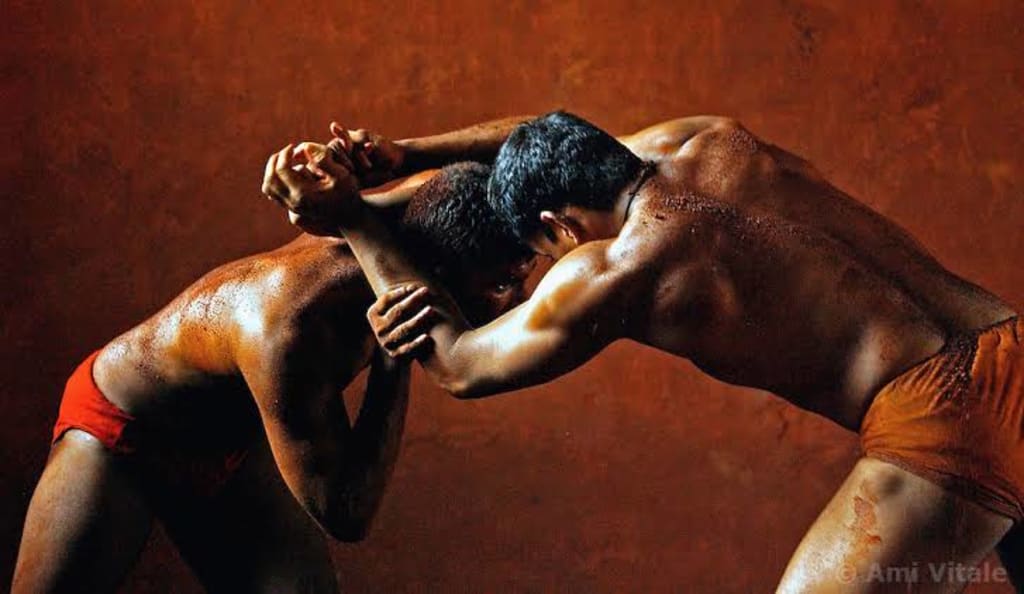
Kushti, a traditional Indian wrestling form, involves hours of training in the mud. It's a rare occasion for participants to see their families, and many go years without seeing them.
At 15, he left his rural hometown to join an academy in Kolapur. Now, he lives and trains at the century-old Gangavesh Talim. For many farming families, this sport is a way out of poverty. In just over a decade, Mali has become one of the top fighters, earning up to $4,000 from one competition.
In India, wrestling has become more popular on the mat than in the mud, a tradition that goes back 2500 years. However, this traditional sport is waning, and to be a successful wrestler in India today takes a lot of discipline. Maui wakes up at 3:55 am every day to practice for his next match.
Every morning, before the sun even rises, he begins his training with a group of 200 other wrestlers who also live at the academy. They use their own bodies and each other's weight to get stronger. They train six days a week, usually with Coach Vishwash. Mali has been working with Vishwash since he first came to the academy. Vishwash has trained over a thousand kids and he doesn't take it easy on them.
First, they get the dirt floor ready by clearing it and making it smooth with special stones. Then, they mix the dirt with turmeric, lemon, and salt to help wrestlers heal faster from their injuries. They change the dirt every few years and send the old dirt to smaller wrestling communities in Italy. Some people think the red soil is really important because without it, wrestlers wouldn't be able to do their match Maui gets ready for his wrestling match by putting oil on his joints and thinking about his moves. In this type of wrestling, the wrestlers put dirt on themselves at the beginning of the match to make it harder to move around. This is just practice, so nobody wins or loses, but Maui still tries his best. The goal is to push the other wrestler's shoulders down onto the ground. They use moves like locks and throws that are similar to other types of wrestling. As they sweat, Maui and his opponent put more dirt on themselves to get a better grip.
Wrestlers stand firm in the soil and take their time moving. A wrestling match can go on for a whole hour, and by the end, the wrestlers are covered in mud and sweat. Even after a practice match, Mali still has more to do for the day.
Mud wrestling is a really old sport that started way back in the 5th Century BC. It came from a mix of Indian wrestling and Persian martial arts. People in a place called Kolapor really liked mud wrestling around the year 1900. The ruler of that place, Shahu Maharaj, was a big fan and built places called talims all over the area for people to practice. But about 15 years ago, India started to focus more on a different kind of wrestling called map wrestling. The government wanted athletes to be able to compete in other countries, so many talims had to change and start teaching map wrestling instead. This talim is one of them!
Even though other countries have moved on to different training methods, some wrestlers still stick to the old ways. They train in mud pits because they think it helps them perform better in matches. It might seem strange to outsiders, but it's a tradition they believe in.
People in Kolapur still love watching wrestling matches. The matches always start with a special ceremony where they play traditional Indian horns and drums. The wrestlers can win money prizes, but it depends on how much money the organizers were able to raise from local fans. Young wrestlers usually only get a small amount of money, like around a dollar per win. But older and more experienced fighters can win up to a thousand dollars! That's why some families who don't have a lot of money send their kids to live at tallims, hoping they'll become good enough to make a living from wrestling.
Fighters don't have to pay to live and train, but it's not very cozy. They usually sleep in big rooms with lots of other people, sometimes up to 50! They're super busy every day, so they don't get to go home very often. One fighter named Mali went four whole years without seeing his family! But even though it can be tough, fighters still find ways to make friends and feel like they're part of a family. Wrestlers especially love to compete against each other and support each other.
Maui worked really hard and it paid off! He makes up to $55,000 in just four months! That's more money than a typical farming family would make in over 35 years! It takes a lot of time and practice to get to Maui's level, which is why kids start young. Even some of the youngest kids are here just for the summer, so the training place is really crowded right now. But during the pandemic, things were totally different. Wrestlers couldn't make any money for two years because competitions stopped.
Wrestlers gotta pay for their own food and stuff, and it can get pretty pricey since they gotta eat special diets. Like, they can't just chow down on foreign eggs or whatever. But it's Saturday, so they're cooking up some veggie doll.
Maui is like a pro now! He's been helping out the younger wrestlers for a while. But even though he's been doing this for a bit, he still remembers his very first day here. It was all new and different for him since he's from a different place. But now, everyone treats him like a superstar!
Molly really loves wrestling and wants to keep doing it for ten more years! He thinks that the old way of wrestling, called kushti, will always be around.
About the Creator
20 Horror Game Masterpieces to Play Before You Die
Horror games have a unique ability to evoke fear and adrenaline, making them a beloved genre among gamers. However, there are some horror video games that will blow your mind, and you should play them to experience the sensations they offer. For this reason, I asked the AI about the best horror video games available, since I find it difficult to choose among so many options.
By Ninfa Galeano5 days ago in Gamers



Comments
There are no comments for this story
Be the first to respond and start the conversation.