
Which is the Most Popular Game in the World? Analyzing Player Trends and Behavior
Which is the Most Popular Game in the World?

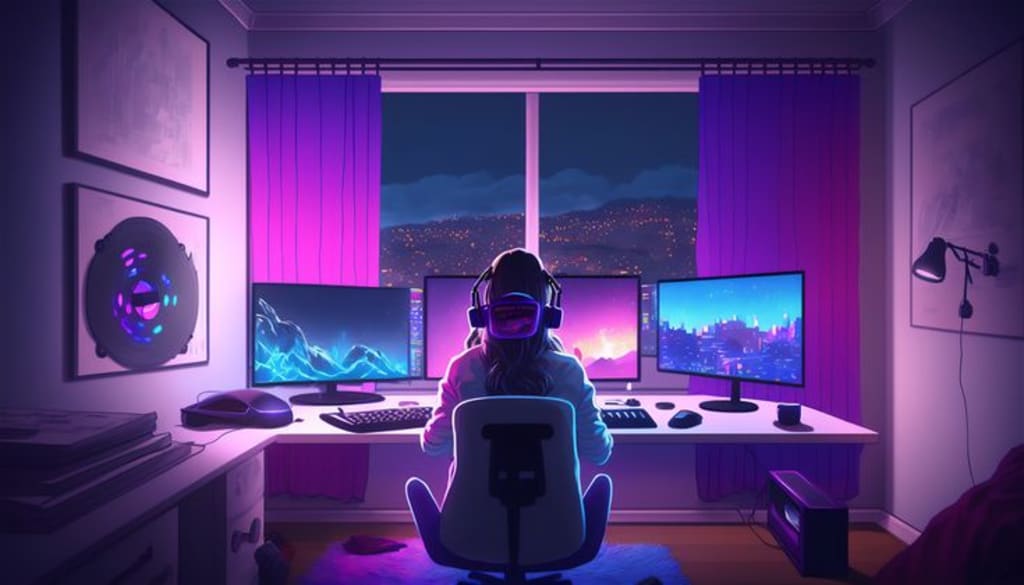
The question of which is the most popular game in the world is often a topic of heated debate among gamers. With millions of people across the globe dedicating time and energy to various video games, the landscape of gaming has become diverse and constantly evolving. Popularity can be measured in many ways—active player counts, revenue generated, cultural impact, or the sheer amount of time people spend playing. While many games rise and fall in popularity, there are a few that maintain their dominance due to the deep understanding of player trends and behavior.
Games like Minecraft, League of Legends, Fortnite, and Roblox continue to reign supreme because they are designed to engage players in unique ways. By understanding these trends and behaviors, we can get a clearer picture of which game currently holds the title of the most popular game in the world.
1. Understanding Player Engagement
One of the most crucial factors in determining the popularity of a game is player engagement. The more players are engaged, the more likely they are to keep playing and, by extension, continue contributing to a game’s popularity. Games like Minecraft and Fortnite thrive on this principle. Both of these games are designed to provide players with an ever-expanding world of experiences.
In Minecraft, players create and explore virtual worlds using blocks, allowing them to express creativity and achieve goals at their own pace. The non-linear gameplay means there is no “right way” to play, which allows for a diverse array of playstyles and keeps players returning for new adventures.
Fortnite, on the other hand, uses the battle royale format to engage players. The excitement of being the last one standing keeps players on edge, while seasonal updates and the addition of limited-time events ensure that the game remains fresh. Every season, new skins, challenges, and limited-time game modes are introduced, giving players a reason to come back.
Engagement can also be driven by the social aspect of games. For example, Roblox has become incredibly popular because of its social nature. Not only do players have the ability to create their own games within the platform, but they can also connect and collaborate with friends, making it a social hub in addition to a gaming platform.
2. Game Updates and Constant Evolution
One of the major reasons certain games maintain their place as the most popular game in the world is due to their commitment to constant updates and evolving content. A game that fails to release regular updates risks losing its player base to newer, more dynamic games.
Take Fortnite, for example. The game has reinvented itself with every new season. Whether it’s introducing new locations, skins, or even collaborations with popular franchises like Marvel and Star Wars, Fortnite continues to engage its audience through constant innovation. These updates don’t just bring new content; they keep the player base invested by creating new strategies, challenges, and stories.
3. The Role of Community and Social Features
Another key factor in the popularity of games is the sense of community they foster. Roblox is a prime example of how games can build massive communities. It allows players to not only play games created by others but also develop and share their own games within the platform. This unique feature gives players a sense of ownership and belonging.
Multiplayer games like Fortnite also benefit greatly from their social features. Players can team up with friends, join clans, and communicate during matches. League of Legends, too, thrives on community interaction, whether through its dedicated online forums, player-run tournaments, or in-game chat.
4. Gamification and Psychological Engagement
Games like Minecraft, Fortnite, and Roblox engage players not just through their gameplay mechanics but also through their deep understanding of psychological engagement. Gamification, which involves using game-like elements in non-game contexts, plays a significant role in keeping players invested.
Fortnite’s battle pass, for example, introduces a rewards system where players can earn exclusive skins, emotes, and other cosmetic items as they level up. This reward-based progression system taps into the player’s desire to achieve and be recognized. The sense of accomplishment and the allure of unlocking new content keep players hooked and constantly striving to complete challenges.
5. Player Retention: The Power of Competitive Gaming
Competition is another driving force behind the popularity of certain games. League of Legends and Fortnite tap into the competitive spirit of players by offering ranked modes where players can challenge each other and rise through the ranks. Competitive gaming gives players a reason to keep improving and stay engaged, as each match represents an opportunity to prove their skills.
Conclusion
When we analyze the question of which is the most popular game in the world, it's clear that a combination of factors contributes to a game’s ability to retain its player base and achieve widespread popularity. Games like Fortnite, Minecraft, and League of Legends continue to lead the pack due to their understanding of player trends, commitment to updates, and their ability to engage players on a psychological level.
About the Creator
JATIN KUMAR
creative and passionate
Keep reading
More stories from JATIN KUMAR and writers in Gamers and other communities.
Gaming’s Crown Jewel: What’s the Most Popular Game in the World?
The search for the most popular game in the world is a topic that never ceases to ignite debates among gamers, developers, and industry analysts. With so many titles vying for attention, it’s no surprise that determining the crown jewel of gaming can be both subjective and complex. From multiplayer battle royales to immersive role-playing games, the competition is fierce. So, which game is most popular in the world? The answer depends on various factors, including active player count, revenue, cultural impact, and fan engagement.
By JATIN KUMARabout a year ago in Gamers
Animal Crossing: New Horizons 3.0 Update Review:
After 1,410 hours across five years and loving this game enough to gift it to multiple friends, I never expected to be writing this review. When Nintendo declared version 2.0 the "final major update" back in November 2021, we all accepted that New Horizons' story was complete. Four years later, here we are with version 3.0, released January 14, 2026, and I have complicated feelings about this surprise resurrection.
By Parsley Rose 5 days ago in Gamers
Dota 2 Gameplay Review: Mastery, Strategy, and Competitive Depth
Dota 2 gameplay is defined by strategic decision-making, team coordination, and long term skill development rather than fast reflexes alone. Every match challenges players to manage resources, read the map, adapt to hero interactions, and communicate effectively under pressure. Over time, these repeated choices shape distinct playstyles and habits that go far beyond visible stats like kills or rankings. This is why many players enjoy reflecting on their in-game behavior through a Dota 2 player purity challenge based on in game behavior and mindset, which offers a clearer picture of how deeply Dota 2 influences the way the game is actually played.
By Enzo Marcelli5 days ago in Gamers


Comments
There are no comments for this story
Be the first to respond and start the conversation.