
What Makes Sports Investment Banking Different from Traditional Sectors?
Exploring the Unique Landscape of Sports Investment Banking and How It Differs from Traditional Financial Sectors


Introduction
Sports investment banking is a unique and dynamic niche within the financial industry. Unlike traditional investment sectors, sports banking revolves around high-profile franchises, stadium financing, broadcasting rights, and player contracts. With the global sports market valued at over $500 billion, sports investment companies and investors in sport are increasingly recognizing the sector’s massive potential.
In this blog, we’ll explore what makes sports investment banking distinct, the challenges professionals face, and why it remains an attractive sector for both seasoned and emerging investors.
Understanding Sports Investment Banking
Sports investment banking involves providing financial advisory services for stakeholders in the sports industry. This includes team owners, leagues, media companies, and sponsors. Investment bankers in this field manage mergers and acquisitions (M&A), franchise sales, financing stadiums, and negotiating large broadcasting rights deals.
Unlike traditional banking, where sectors may rely on predictable revenue streams, the sports industry’s profitability is often influenced by factors like:
Team Performance: A winning team boosts ticket sales, sponsorships, and merchandise sales.
Broadcasting Rights: Lucrative broadcasting deals are often a franchise’s largest revenue source.
Brand Value: A globally recognized sports team attracts more partnerships and endorsement deals.
Key Differences Between Sports Investment Banking and Traditional Sectors
1. Emotional and Cultural Impact
In most industries, investment decisions are purely numbers-driven. However, sports investment banking involves intangible factors like fan loyalty and community pride. Teams become cultural icons, and their financial value can skyrocket based on their emotional impact.
Example: When a historic team like Manchester United or the New York Yankees is involved, the brand equity often surpasses financial metrics. Investors in sport often see such investments as long-term brand-building opportunities rather than simple financial plays.
2. Unpredictable Revenue Streams
Traditional sectors often have steady, predictable cash flows. However, in sports, a single championship win or the signing of a star athlete can drastically shift revenues. Similarly, a losing streak or controversy can damage a franchise’s value.
Example: A basketball team that secures a generational talent like LeBron James can see skyrocketing merchandise sales, increased sponsorship deals, and higher media ratings. Sports investment companies factor these elements into valuation models.
3. Complex Stakeholder Environment
Sports deals often involve multiple stakeholders—including leagues, franchise owners, governing bodies, and broadcasters. Navigating this web of interests requires specialized expertise.
Example: When negotiating stadium financing, banks may need to engage with local governments for public funding, making it a mix of private investment and public responsibility.
4. Media Rights and Sponsorships
While traditional sectors generate revenue through product sales or services, the sports industry is heavily dependent on broadcasting rights, streaming deals, and sponsorship agreements. These deals can be worth billions and play a critical role in a team's valuation.
Example: The NFL signed a $100 billion broadcasting deal, making media rights one of the most profitable revenue streams in sports. Sports investment companies meticulously evaluate these contracts before advising on major deals.
5. Valuation Challenges
Valuing a sports franchise is vastly different from assessing a conventional company. Beyond revenue and profitability, factors like franchise legacy, fan base size, and brand strength contribute to the valuation.
Example: Forbes regularly publishes franchise valuations that consider both tangible assets (e.g., stadiums) and intangible factors like global fan engagement. Investors in sport rely on such comprehensive analyses.
6. Regulatory and Legal Complexities
Traditional banking is often governed by financial regulators like the SEC or FDIC. In sports investment banking, additional layers of regulations apply, including league-specific rules and collective bargaining agreements.
Example: The NBA has salary caps and revenue-sharing models that influence how franchises operate financially. Understanding these regulations is crucial for successful sports investment banking.
Why Sports Investment Banking Is Attractive for Investors
Despite its challenges, sports investment banking remains appealing for investors in sport for several reasons:
High-Profile Deals: Investors gain visibility through ownership in globally recognized teams.
Portfolio Diversification: Sports investments are often uncorrelated with traditional market trends, adding resilience to portfolios.
Long-Term Value Growth: Sports franchises often appreciate over time, driven by increasing media rights and global fan bases.
Emotional ROI: Many investors enjoy the prestige and passion that comes with owning part of a beloved sports team.
Conclusion
Sports investment banking stands apart from traditional financial sectors due to its reliance on emotional branding, unpredictable revenue streams, and complex stakeholder management. For sports investment companies and experienced investors in sport, the opportunities in this market are immense.
As broadcasting rights grow, global fan bases expand, and digital platforms transform sports consumption, the financial potential of the sports industry will only continue to rise. Those willing to navigate the intricacies of this niche market can find themselves making game-changing investments.
About the Creator
Certus Capital Partners
We take great pride in our commitment to helping our clients find a willingness to invest. We take the time to fully understand our clients' capital goals as well as the objectives and processes of each engagement.
@certuscap.com
Keep reading
More stories from Certus Capital Partners and writers in Gamers and other communities.
The Top 6 Sports Investment Funds Every Investor Should Know
Introduction The sports industry has become a lucrative space for investors seeking high returns. With the rise of sports media rights, global fan engagement, and innovative revenue streams, sports investment funds are gaining attention. These funds offer access to major league franchises, emerging sports technologies, and related ventures, often backed by experts in sports investment banking. In this blog, we will explore the top 6 sports investment funds every investor should know.
By Certus Capital Partners10 months ago in Gamers
Dodgers
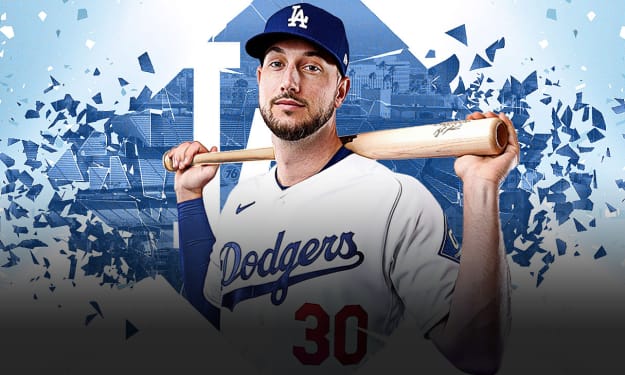
The Los Angeles Dodgers have long been one of the most influential franchises in MLB, known for combining elite player development with the financial flexibility to pursue top-tier talent. From consistent postseason appearances to being counted among recent World Series winners, the Dodgers continue to shape league-wide conversations. As the new season approaches, Dodgers news is once again dominated by roster construction, payroll discussions, and persistent MLB trade rumors—especially those surrounding Kyle Tucker. The Dodgers’ Identity in Modern MLB Few teams balance tradition and innovation quite like the LA Dodgers. Their front office has mastered analytics while still valuing star players who can deliver in October. The current Dodgers roster reflects that philosophy, blending established veterans with emerging talent. Over the years, names like Cody Bellinger have defined eras of success, while new possibilities continue to fuel speculation. The Dodgers’ ability to remain competitive is also tied to their willingness to maintain a high Dodgers payroll. While they are not reckless spenders, they are strategic—targeting players who can elevate both performance and brand value. Kyle Tucker and Why He Fits the Dodgers Narrative Among the most discussed names in recent MLB rumors is Kyle Tucker. A consistent offensive presence and reliable defender, Tucker has emerged as one of the most complete players in modern baseball. Naturally, that has led to growing interest in a potential Kyle Tucker Dodgers scenario. So, what position does Kyle Tucker play? Tucker is primarily a right fielder, though his athleticism allows flexibility across the outfield. That versatility makes him especially attractive to teams like the Dodgers, who value adaptable Dodgers outfielders capable of handling high-pressure situations. The phrase “Tucker baseball” has become shorthand for a balanced skill set: power, patience, and postseason reliability. It’s no surprise that Kyle Tucker news often trends alongside big-market teams. Contracts, Agents, and the Cost of Stardom Any serious discussion of Tucker to Dodgers inevitably leads to contract considerations. The idea of a Kyle Tucker contract Dodgers deal raises questions about years, value, and long-term impact. While no official Kyle Tucker deal has been announced, speculation continues around what such a move would require. The Kyle Tucker agent would likely prioritize both financial security and a winning environment—two things the Dodgers can credibly offer. Still, committing to a potential Kyle Tucker Dodgers contract would require careful planning, especially with other stars already on the books. Misspellings like kyle.tucker, kyle tuxker, or even kyke tucker frequently appear in online searches, underscoring just how much attention surrounds him across the baseball world. How Tucker Could Shape the Dodgers Lineup If a Dodgers Tucker scenario ever materializes, it would have a major impact on the Dodgers lineup. A projected middle-of-the-order bat like Tucker could slot seamlessly into a Dodgers projected lineup, offering protection for existing stars and adding depth in late-game situations. Comparisons have been drawn between Tucker and former Dodgers standouts like Bellinger, particularly in terms of two-way impact. While Cody Bellinger brought elite defense and timely power, Tucker offers a more consistent offensive profile year over year. Competition From the Mets and Other MLB Teams Of course, the Dodgers are not alone in pursuing elite talent. The NY Mets, backed by owner Steve Cohen, have made it clear they are willing to spend aggressively. Mets news often mirrors Dodgers news, especially when it comes to top-tier MLB free agents and trade targets. Names like Edwin Diaz and Bo Bichette frequently appear in league-wide discussions, highlighting how interconnected roster decisions have become. Any move involving Tucker would likely ripple across the league, influencing strategies for teams like the Mets, who remain active in both free agency and trades. MLB Trade Rumors and the Bigger Picture Sites such as MLBTradeRumors regularly analyze scenarios involving Kyle Tucker to Dodgers, though nothing has been confirmed. These rumors reflect a broader truth: elite players drive conversation, even when deals never materialize. The Dodgers understand that not every rumor becomes reality. Still, being linked to players like Tucker reinforces the team’s image as a perennial contender. Whether through trades or internal development, the goal remains the same—build a roster capable of winning another championship. Looking Ahead: What This Means for the Dodgers As the season unfolds, the Dodgers will continue to evaluate opportunities that align with their long-term vision. The idea of Dodgers Kyle Tucker is compelling, but it’s only one chapter in a much larger story about sustained excellence. With a deep farm system, financial flexibility, and a proven track record, the Los Angeles Dodgers remain at the center of MLB news. Whether or not Tucker ever wears Dodger blue, the conversations surrounding him highlight how the franchise continues to influence the direction of the league. In the end, the Dodgers’ success has never hinged on a single move. It’s about smart decisions, calculated risks, and an unwavering commitment to winning—qualities that keep them relevant, respected, and always worth watching.
By Saboor Brohi 3 days ago in Gamers



Comments
There are no comments for this story
Be the first to respond and start the conversation.