
What Are the Factors Affecting the Cost of NFT Card Game Development?
Key Elements That Shape the Budget of Your NFT Card Game Project

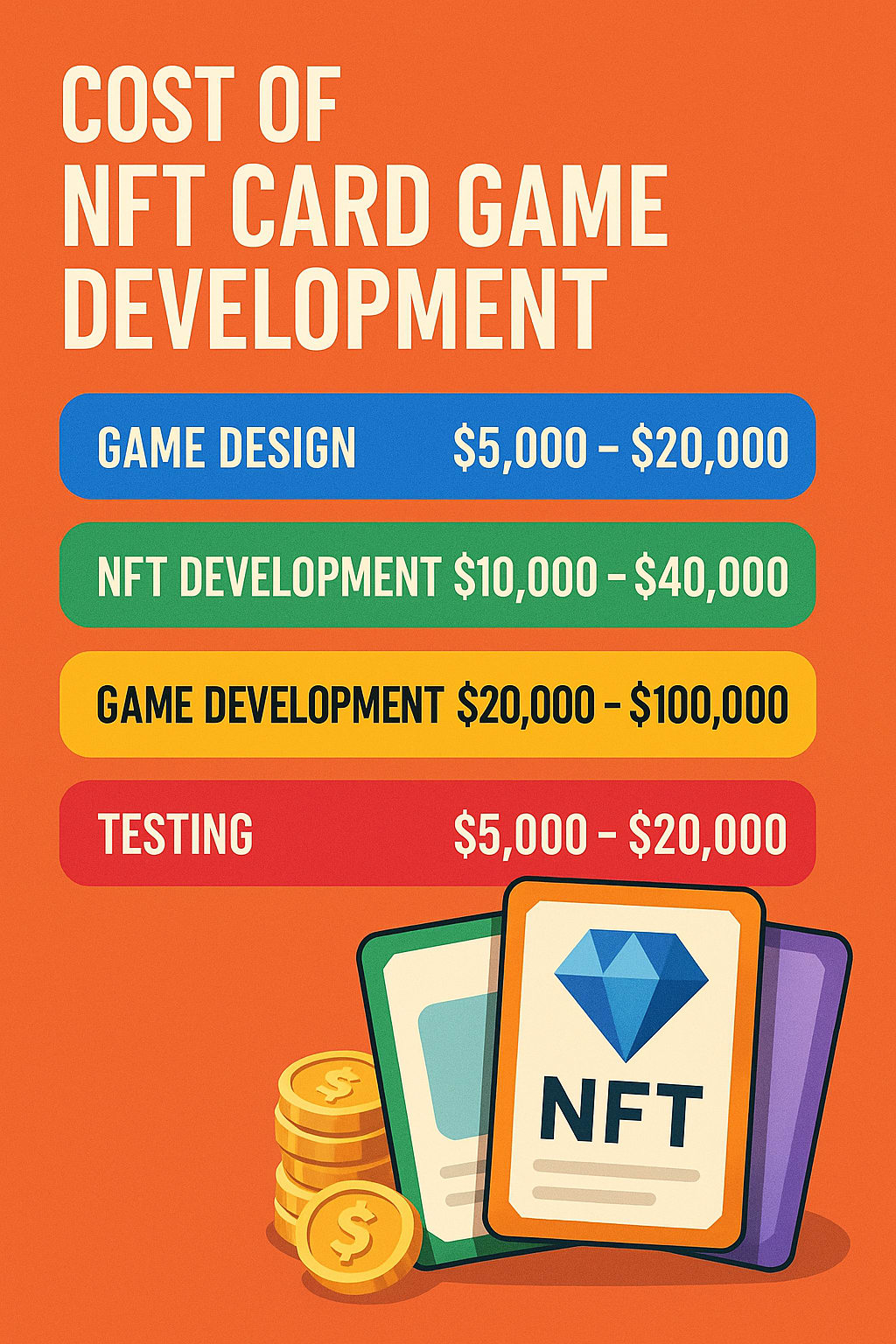
NFT card games have become the talk of the town, becoming popular among gamers and developers. These games combine collectible card gameplay with blockchain technology, which allows players to truly own, trade, and sell their digital cards.
If you are thinking about creating your own NFT card game, then it is important to know what factors affect the development cost. This article will explain to you everything in simple terms so you can plan your project better.
List of Factors Affecting The Cost of NFT Card Game Development
1. Game Design Complexity
The design is one of the key factors that affect the overall game cost. A simple card game with basic rules will cost less than a game with complex gameplay, special powers, and interactive animations. The more detailed your game is, the more time and resources it takes to develop.
Key design factors include:
Number of unique cards
Card attributes and power levels
Game modes (PvP, tournaments, training mode)
Rules and win conditions
2. Blockchain Integration
NFT card games run on blockchain networks. The type of blockchain you choose affects both your costs and game performance. Some popular blockchain platforms are Ethereum, Polygon, BNB Chain, and Solana. If you choose a high-performance blockchain with low fees like Polygon, then costs may be lower. But the NFT card game development cost will still be high, as it depends on integration.
Cost-impacting factors include:
Gas fees (especially on Ethereum)
Smart contract development
Blockchain wallet integration
Token standards (ERC-721, ERC-1155, etc.)
3. NFT Minting and Marketplace Features
To let users mint, buy, or sell NFT cards, you will need to build a marketplace or integrate with an existing one like OpenSea. Adding a custom marketplace will increase the costs, but gives you full control over user experience and fees.
Marketplace-related features that add cost:
NFT minting process
Wallet connection and transaction history
Royalties and resale fee settings
Secure listing, buying, and trading features
4. Art and Graphics
NFT card games rely on heavy graphics. Hiring skilled artists or outsourcing to a creative team adds to your budget.
Things to consider:
Number of cards and design styles
2D vs. 3D graphics
Animated effects or static images
User interface (UI) and user experience (UX) design
5. Game Development Platform
The choice of development platform affects how quickly and easily the game can be built. Many developers use engines like Unity or Unreal Engine, but for NFT games, blockchain-friendly platforms or custom-built solutions may be better. If you use an open-source platform, then the cost may be reduced, but it will require more backend efforts.
Development cost depends on:
Platform license fees (if any)
Development speed and available plugins
Team familiarity with the tools
Cross-platform compatibility (web, mobile, desktop)
6. Team Size and Experience
The experience and size of your development team can change your budget. Hiring a skilled NFT game development company will cost more, but it can save time and ensure quality. On the other hand, working with freelancers may be cheaper but riskier in terms of timelines and results. More bigger the development team, more is the cost.
Typical team members include:
Game designers
Blockchain developers
Frontend/backend developers
UI/UX designers
QA testers
7. Security and Testing
Since NFT games involve real money and digital assets, security is a top concern. Developers must test smart contracts, secure user data, and prevent cheating or hacking. This requires skilled testers and sometimes third-party audits, which add to the cost. Cost-cutting in the testing area can affect game performance and reduce user trust.
Security-related costs include:
Smart contract audits
Bug fixing and updates
Load testing for multiplayer modes
Anti-fraud systems
8. Backend Infrastructure
Your game needs servers to manage data, users, gameplay logic, and blockchain transactions. Hosting, database management, and real-time updates all depend on reliable backend systems.
Cost-driving factors:
Cloud server usage (AWS, Google Cloud, etc.)
Real-time gameplay support
NFT metadata storage (on-chain or off-chain)
Data analytics tools
If you expect high traffic, you will need scalable infrastructure, which comes at a higher cost.
9. Post-Launch Maintenance and Updates
The cost of development does not stop after the launch. Regular updates, new card releases, bug fixes, and customer support are all part of ongoing expenses. You might also run events, giveaways, or seasonal content, which need planning and development.
Mini Case Study: Gods Unchained
Gods Unchained is a free NFT card game that has great design and comes with Ethereum-based NFT integration. The developers invested heavily in artwork, marketplace development, and gameplay balance.
The result was that it was one of the most acclaimed NFT games. However, the game faced challenges like Ethereum gas fees and the need for constant updates, which added to long-term costs.
Final Words
Creating an NFT card game involves many moving parts, like designing, setting up blockchain, artwork, and security. The total cost to develop an NFT card game depends on the size of the game, features, and the team you hire.
If you plan to build such a game, then start with a clear budget, define features, and work with an experienced card game development company to avoid costly delays or rework.
About the Creator
Mythspire Studios
Mythspire is a highly skilled Digital Marketing Specialist at SkillWaala with over 5 years of hands-on experience in the ever-evolving world of digital marketing.
Keep reading
More stories from Mythspire Studios and writers in Gamers and other communities.
How to Develop a Card Game App for Android in 2025: A Complete Guide
From timeless classics like Poker and Solitare to modern multiplayer card battles, card games continue to dominate the mobile gaming scene. With Android users making up the lion’s share of global smartphone gamers, it’s no surprise that developers worldwide are eager to tap into this evergreen niche.
By Mythspire Studios7 months ago in Gamers
Dodgers
The Los Angeles Dodgers have long been one of the most influential franchises in MLB, known for combining elite player development with the financial flexibility to pursue top-tier talent. From consistent postseason appearances to being counted among recent World Series winners, the Dodgers continue to shape league-wide conversations. As the new season approaches, Dodgers news is once again dominated by roster construction, payroll discussions, and persistent MLB trade rumors—especially those surrounding Kyle Tucker. The Dodgers’ Identity in Modern MLB Few teams balance tradition and innovation quite like the LA Dodgers. Their front office has mastered analytics while still valuing star players who can deliver in October. The current Dodgers roster reflects that philosophy, blending established veterans with emerging talent. Over the years, names like Cody Bellinger have defined eras of success, while new possibilities continue to fuel speculation. The Dodgers’ ability to remain competitive is also tied to their willingness to maintain a high Dodgers payroll. While they are not reckless spenders, they are strategic—targeting players who can elevate both performance and brand value. Kyle Tucker and Why He Fits the Dodgers Narrative Among the most discussed names in recent MLB rumors is Kyle Tucker. A consistent offensive presence and reliable defender, Tucker has emerged as one of the most complete players in modern baseball. Naturally, that has led to growing interest in a potential Kyle Tucker Dodgers scenario. So, what position does Kyle Tucker play? Tucker is primarily a right fielder, though his athleticism allows flexibility across the outfield. That versatility makes him especially attractive to teams like the Dodgers, who value adaptable Dodgers outfielders capable of handling high-pressure situations. The phrase “Tucker baseball” has become shorthand for a balanced skill set: power, patience, and postseason reliability. It’s no surprise that Kyle Tucker news often trends alongside big-market teams. Contracts, Agents, and the Cost of Stardom Any serious discussion of Tucker to Dodgers inevitably leads to contract considerations. The idea of a Kyle Tucker contract Dodgers deal raises questions about years, value, and long-term impact. While no official Kyle Tucker deal has been announced, speculation continues around what such a move would require. The Kyle Tucker agent would likely prioritize both financial security and a winning environment—two things the Dodgers can credibly offer. Still, committing to a potential Kyle Tucker Dodgers contract would require careful planning, especially with other stars already on the books. Misspellings like kyle.tucker, kyle tuxker, or even kyke tucker frequently appear in online searches, underscoring just how much attention surrounds him across the baseball world. How Tucker Could Shape the Dodgers Lineup If a Dodgers Tucker scenario ever materializes, it would have a major impact on the Dodgers lineup. A projected middle-of-the-order bat like Tucker could slot seamlessly into a Dodgers projected lineup, offering protection for existing stars and adding depth in late-game situations. Comparisons have been drawn between Tucker and former Dodgers standouts like Bellinger, particularly in terms of two-way impact. While Cody Bellinger brought elite defense and timely power, Tucker offers a more consistent offensive profile year over year. Competition From the Mets and Other MLB Teams Of course, the Dodgers are not alone in pursuing elite talent. The NY Mets, backed by owner Steve Cohen, have made it clear they are willing to spend aggressively. Mets news often mirrors Dodgers news, especially when it comes to top-tier MLB free agents and trade targets. Names like Edwin Diaz and Bo Bichette frequently appear in league-wide discussions, highlighting how interconnected roster decisions have become. Any move involving Tucker would likely ripple across the league, influencing strategies for teams like the Mets, who remain active in both free agency and trades. MLB Trade Rumors and the Bigger Picture Sites such as MLBTradeRumors regularly analyze scenarios involving Kyle Tucker to Dodgers, though nothing has been confirmed. These rumors reflect a broader truth: elite players drive conversation, even when deals never materialize. The Dodgers understand that not every rumor becomes reality. Still, being linked to players like Tucker reinforces the team’s image as a perennial contender. Whether through trades or internal development, the goal remains the same—build a roster capable of winning another championship. Looking Ahead: What This Means for the Dodgers As the season unfolds, the Dodgers will continue to evaluate opportunities that align with their long-term vision. The idea of Dodgers Kyle Tucker is compelling, but it’s only one chapter in a much larger story about sustained excellence. With a deep farm system, financial flexibility, and a proven track record, the Los Angeles Dodgers remain at the center of MLB news. Whether or not Tucker ever wears Dodger blue, the conversations surrounding him highlight how the franchise continues to influence the direction of the league. In the end, the Dodgers’ success has never hinged on a single move. It’s about smart decisions, calculated risks, and an unwavering commitment to winning—qualities that keep them relevant, respected, and always worth watching.
By Saboor Brohi 2 days ago in Gamers
Marvel Rivals Patch Notes: Season 6 "Night at the Museum" - Full Breakdown, Deadpool Abilities, and Hero Buffs
The wait is almost over! NetEase Games has finally pulled back the curtain on the next massive update for its hit superhero shooter. If you’ve been searching for the latest Marvel Rivals patch notes, you’re in the right place. Season 6, titled "Night at the Museum," is officially set to launch on January 16, 2026, and it’s bringing the Merc with a Mouth along for the ride.
By Info Post Gate4 days ago in Gamers


Comments
There are no comments for this story
Be the first to respond and start the conversation.